
府院联动

Search documents
扬州广陵法院“执破一体化”护航经济发展,两起企业破产重整案获评全省典型案例
Yang Zi Wan Bao Wang· 2025-09-19 10:08
Core Insights - The article highlights the "integration of execution and bankruptcy" initiatives by the Guangling Court, which aims to enhance the efficiency of handling bankruptcy cases and support high-quality regional economic development [1][2] Group 1: Bankruptcy Case Statistics - Since 2022, the Guangling Court has adjudicated 234 bankruptcy cases and 264 public liquidation cases, resolving bad debts amounting to 7.2 billion yuan and releasing 84,000 square meters of real estate resources [1] - The court has successfully settled over 600 employees and cleared more than three years of unresolved bankruptcy cases [1] Group 2: Efficiency of Bankruptcy Procedures - The court has achieved a 93% applicability rate for simplified procedures in "integration of execution and bankruptcy" cases, with an average processing time of 55 days [1] - A classification management system categorizes enterprises based on their compliance capabilities and case status, facilitating targeted interventions [1] Group 3: Government Collaboration - The court has established a "government-court linkage" mechanism to assist bankrupt enterprises with issues such as investment attraction and employee social security [2] - For enterprises with potential for restructuring, the court provides timely guidance and coordinates with government departments to address challenges like credit repair and asset disposal [2] Group 4: Case Studies - The case of a travel agency, which applied for bankruptcy liquidation in August 2023, was identified as having restructuring potential due to its market value and manageable debt scale, leading to a successful restructuring within 30 days [4][5] - A manufacturing company in a prime urban area faced severe operational difficulties but successfully restructured with the support of a state-owned enterprise, demonstrating effective collaboration between the court and government [6][7]

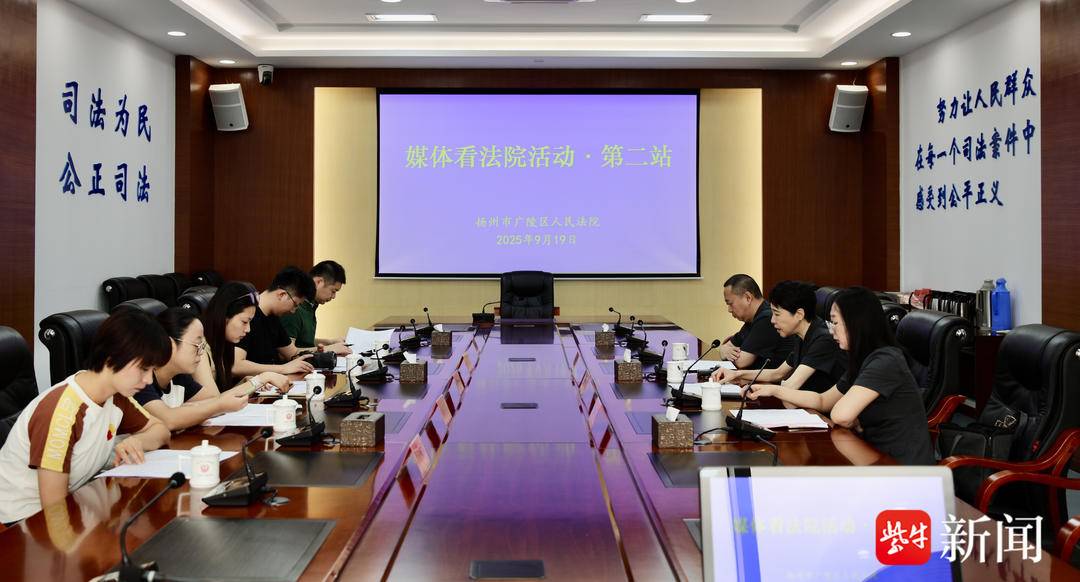
全省法院启动执行工作“百日攻坚”专项行动
Liao Ning Ri Bao· 2025-09-19 01:33
Group 1 - The core viewpoint emphasizes the importance of executing court decisions to protect the legal rights of winning parties, with a focus on a "100-day offensive" initiative to enhance execution quality and efficiency [1] - The initiative targets key issues, cases, and regions, aiming to convert "paper rights" into "real money" through precise efforts in execution [1] - The initiative includes collaboration between courts and government, addressing long-standing unresolved cases related to labor disputes, maintenance fees, and personal injury compensation through cross-execution strategies [1] Group 2 - The standardization of execution is identified as crucial for the high-quality development of execution work, with the provincial court organizing a guide based on research to improve execution practices [2] - A new guideline has been established to publicly disclose key progress information in execution cases, promoting transparency and accountability in the execution process [2] - The initiative aims to enhance the execution team's quality and efficiency by adhering to established norms and standards while addressing practical challenges in execution [2]
辽宁:开展执行工作“百日攻坚”专项行动
Ren Min Wang· 2025-09-14 01:31
Core Viewpoint - The Liaoning High Court has launched a "100-day offensive" action to enhance execution work across the province, focusing on improving execution quality and efficiency, and addressing key issues in execution cases [1][2]. Group 1: Execution Work Enhancement - The action includes six main tasks: improving execution quality, drafting execution work guidelines, increasing information transparency, cross-execution, integration of execution and bankruptcy, and supporting weaker courts [1]. - The initiative aims to convert "paper rights" into "real money" by tackling key issues, cases, and regions effectively [1]. Group 2: Coordination and Collaboration - The Liaoning High Court will strengthen collaboration between the government and the courts, ensuring coordination in execution processes [1]. - The focus will be on resolving small-value cases related to labor disputes, maintenance fees, and personal injury compensation through cross-execution strategies [1]. Group 3: Standardization and Transparency - The Liaoning High Court has developed an operational guide for execution work based on research and existing legal frameworks, addressing practical challenges in execution [2]. - A new guideline has been issued to mandate courts to publicly disclose key progress information in execution cases, promoting transparency and accountability [2].
“谈破色变”如何转向“破中求生”——上海探索破产审判优化营商环境调查(下)
Jie Fang Ri Bao· 2025-09-11 01:48
Core Viewpoint - The bankruptcy system has become an important legal path for corporate relief and resource regeneration, transforming from a state of imminent auction to a business-friendly environment [1] Group 1: Bankruptcy System and Management - The bankruptcy trial in Shanghai not only concerns the survival of individual enterprises but also plays a crucial role in optimizing resource allocation and stimulating market vitality [1] - Bankruptcy administrators are essential in the bankruptcy process, acting as the main drivers and executors of bankruptcy affairs, directly impacting the business environment [2] - Each bankruptcy case is unique and complex, requiring administrators to balance the interests of various stakeholders, including financial institutions, suppliers, employees, and creditors [2] Group 2: Challenges Faced by Bankruptcy Administrators - The management industry is facing severe challenges, including talent loss, team shrinkage, and an increasing proportion of cases with insufficient assets to cover bankruptcy costs [3] - Many bankruptcy administrators experience threats and harassment, reflecting a lack of professional protection and clarity in their roles and compensation mechanisms [3][4] - A significant number of bankruptcy cases do not have enough assets to pay for administrative fees, leading to a lack of willingness among administrators to take on cases [3] Group 3: Government and Judicial Coordination - The bankruptcy process involves collaboration among various government agencies and public service institutions, highlighting the need for a coordinated approach [5][6] - The government and judiciary's collaborative mechanism is seen as a key measure to address administrative bottlenecks in bankruptcy procedures [6] - Despite the deployment of collaborative mechanisms at the city level, challenges remain at the grassroots level, particularly in accessing banking information and tax incentives [6] Group 4: Changing Public Perception - The number of bankruptcy cases in Shanghai has been rapidly increasing, yet the success rate of restructuring and reconciliation remains low [9] - There is a prevalent stigma associated with bankruptcy, often viewed as a failure, which discourages companies from seeking timely relief [9][10] - Early initiation of bankruptcy procedures could significantly improve the chances of successful restructuring and recovery for distressed companies [10] Group 5: Recommendations for Improvement - Suggestions include lowering the threshold for restructuring, improving the connection between out-of-court restructuring and judicial restructuring, and establishing a financing support platform for distressed companies [10][11] - Enhancing public awareness and understanding of bankruptcy processes is crucial for improving cooperation among various stakeholders involved in bankruptcy cases [11]
河南睢县:“活封活扣”巧执行,护企纾困促双赢
Zhong Guo Fa Zhan Wang· 2025-07-25 08:07
Core Viewpoint - The article discusses the innovative "live sealing and live deduction" execution model implemented by the Suixian People's Court to address the challenges faced by enterprises in a complex economic environment, balancing the protection of creditors' rights with the survival and operational capacity of businesses [1][5]. Group 1: Execution Model Innovation - The "live sealing and live deduction" model aims to replace harsh measures with flexible strategies, allowing enterprises to maintain their operational capabilities while ensuring creditors' rights are protected [1][5]. - Since 2025, the court has seen a 35% year-on-year increase in cases resolved through flexible sealing, with the actual amount executed in enterprise cases rising by 40% [1]. Group 2: Mechanisms for Execution - A "live sealing" identification mechanism has been established, focusing on key enterprise cases by assessing asset status, industry outlook, repayment willingness, and operational viability [2]. - Essential production materials and equipment are subject to "live sealing," allowing companies to continue operations under court supervision, while non-core or idle assets are handled through traditional sealing methods [2]. - An innovative asset replacement mechanism has been explored, allowing companies to replace sealed key production equipment or liquid funds with effective guarantees or easily liquidated assets [2]. Group 3: Risk Management - A dynamic supervision system has been created for enterprises under the "live sealing and live deduction" model, requiring regular reporting on production, finances, and the use of sealed assets [3]. - A special joint fund account is mandated for sales proceeds, ensuring that funds are used for debt repayment and essential operational expenses [3]. - A risk warning and interruption mechanism is in place to convert "live sealing" to "dead sealing" if high-risk behaviors are detected, ensuring accountability [3]. Group 4: Collaborative Resolution - The court has integrated mediation processes at critical stages of execution to facilitate settlements, promoting the dual benefits of the "live sealing and live deduction" model [4]. - A "government-court linkage" mechanism supports key enterprises facing temporary difficulties, coordinating government assistance in policy support and financing [4]. - A "credit incentive" system is being explored to help enterprises restore credit and market presence after fulfilling settlement agreements [4]. Group 5: Overall Impact - The "live sealing and live deduction" model represents a balanced approach between judicial authority and enterprise survival, contributing to a favorable business environment and supporting economic development [5]. - The court's ongoing commitment to a civil execution philosophy aims to continuously improve the execution mechanism, providing robust judicial support for high-quality economic and social development [5].
千亿级企业浴火重生记
Ren Min Wang· 2025-07-13 01:41
Core Insights - The company, a traditional chemical enterprise, has successfully transitioned into high-value sectors such as new energy and new materials by investing 2.3 billion yuan in an electronic materials project [1] - The company faced severe financial distress and potential delisting three years ago due to complex debt and corporate structure issues [2][3] - The judicial system played a crucial role in facilitating the company's restructuring and debt resolution through innovative legal frameworks [4][5] Group 1: Company Transformation - The company initiated a strategic shift from traditional phosphate mining to high-value new materials, marking a significant transformation in its business model [1] - The restructuring process involved a tailored "execution + bankruptcy reconciliation" plan, which effectively addressed the company's debt crisis and improved its financial structure [3][4] Group 2: Judicial and Government Support - The collaboration between the judiciary and local government was pivotal in the restructuring process, establishing a permanent mechanism for coordinated efforts to resolve corporate crises [6][7] - The establishment of specialized working groups by the local government helped address various operational challenges faced by the company during its restructuring [7] Group 3: Market Engagement - The company initially struggled to attract investors due to its financial instability but successfully engaged multiple potential investors through a strategic "split recruitment" approach [8][9] - The innovative use of investment banks as intermediaries facilitated better market outreach and attracted strategic investors for the company's core business segments [10] Group 4: Future Outlook - The local court has been recognized for its contributions to high-quality development, indicating a commitment to fostering a supportive legal environment for business recovery and growth [11] - The company aims to leverage its restructuring experience to enhance local government initiatives for attracting investment and upgrading industries [11]
菏泽一审行政案件收案降幅全省居首
Qi Lu Wan Bao· 2025-07-09 21:23
Core Insights - The 2024 administrative trial work in Heze aims to enhance judicial efficiency and service to the public while promoting high-level rule of law [2][5] - A significant decrease in first-instance administrative cases is noted, with 1,578 cases filed in 2024, a 35.2% drop from 2,435 cases in 2023, marking the largest decline in the province [2] - The administrative cases cover 32 areas of administrative management, with a high proportion related to "administrative penalties," "administrative enforcement," "administrative confirmation," and "government information disclosure" [2] Group 1: Judicial Efficiency and Quality Improvement - The court is implementing regular data meetings and special work promotion meetings to enhance case handling efficiency [3] - A fast-track trial mechanism is being established, with dedicated teams for expedited cases and complex cases led by senior judges [3] - The integration of smart court initiatives is underway, utilizing case management platforms to modernize trial work [3] Group 2: Collaborative Governance and Dispute Resolution - The court is actively involving social forces in dispute resolution, including hiring dedicated mediators and engaging public representatives in mediation efforts [3][4] - A pre-litigation mediation center is established to review cases before they reach court, promoting early resolution [3] - A joint meeting system for administrative trials and responses is being implemented to encourage the use of administrative review channels for dispute resolution [3][4] Group 3: Strengthening Government and Judicial Cooperation - A task list for government-court collaboration has been developed to address common issues in administrative enforcement [4] - Judicial recommendations are being sent to relevant departments to prevent and resolve disputes effectively [4] - Legal education initiatives are being conducted for government officials to enhance their understanding of the law and improve administrative practices [4]
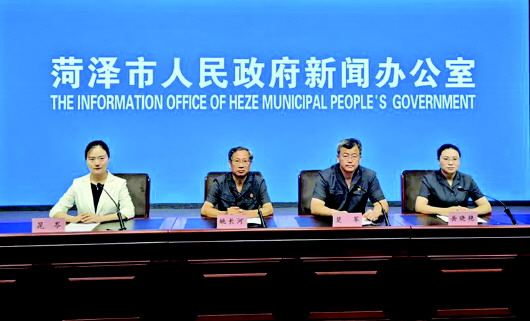
园区企业信用修复“一网通办”
Su Zhou Ri Bao· 2025-07-05 00:39
Core Viewpoint - The launch of the "One-Stop Credit Repair" platform aims to streamline the credit repair process for restructured and reconciled enterprises, providing efficient solutions for businesses to overcome credit difficulties and re-enter the market [1][2] Group 1: Credit Repair Process - The "One-Stop Credit Repair" platform digitizes the credit repair process, allowing for a unified approach to handle tax, finance, and judicial credit repairs [1] - The platform addresses the challenges faced by restructured and reconciled enterprises, which previously had to navigate multiple departments and faced inconsistent rules and systems [2] Group 2: Collaboration and Efficiency - The initiative involves collaboration between the court and various administrative departments to create a coordinated approach for credit repair, enhancing government management efficiency [2] - Enterprises can submit a single application through the platform, covering seven categories of credit repair needs, thus optimizing the process from "multiple visits" to "one-stop service" [2] Group 3: Goals and Future Directions - The implementation of this credit repair mechanism aims to help distressed enterprises reintegrate into the market and improve the quality of bankruptcy restructuring [2] - The court plans to continue exploring reforms in the credit repair mechanism to support high-quality economic and social development [2]
“府院联动”破困局 豫联集团重整显成效
Zhong Guo Jin Rong Xin Xi Wang· 2025-06-24 11:51
Group 1 - The core viewpoint of the article highlights the successful judicial restructuring of Henan Yulian Energy Group, which has emerged from a debt crisis through a "government-court linkage" mechanism, serving as a model for other enterprises in Henan to mitigate risks and achieve industrial upgrades [1][2] Group 2 - Henan Yulian Energy Group, a leading aluminum enterprise in Henan, faced severe operational difficulties starting in 2018, with a debt-to-asset ratio of 100.55% by the end of 2020, risking delisting and bankruptcy [1] - The restructuring process involved collaboration among the government, courts, management, and the enterprise itself, with the establishment of a creditor communication platform and multiple meetings to ensure the legal progress of the restructuring [1] - The company has a current asset value of 24.9 billion yuan, with an industrial scale that includes an annual production capacity of 690,000 tons of aluminum deep processing, 750,000 tons of electrolytic aluminum, and 900,000 kilowatts of electricity [2] - Post-restructuring, the company aims for development in "green, intelligent, and digital" directions, achieving significant advancements in product quality and sustainability, with a projected sales revenue of 44.7 billion yuan and over 1.3 billion USD in export earnings by 2024 [2] - From 2021 to 2024, the listed company, Zhongfu Industrial, is expected to achieve a total tax and profit amounting to 8.533 billion yuan [2]
