
执破融合

Search documents
中国法院“二十四节气”——雨水·这个春节,李佳伲法官的手机有点“忙”
Xin Lang Cai Jing· 2026-02-18 03:55
Core Viewpoint - The article highlights the efforts of the Xinyi City People's Court in Guizhou to address the bankruptcy of Hongxin Environmental Technology Co., Ltd., which faced significant operational challenges leading to a complete shutdown in 2023. The court's innovative approach to pre-restructuring has successfully revived the company and preserved jobs for hundreds of employees [1]. Group 1: Company Situation - Hongxin Environmental Technology Co., Ltd. was a well-known private non-ferrous metal smelting enterprise in Xinyi City, Guizhou, which ceased operations in 2023 due to overwhelming burdens [1]. - The shutdown resulted in numerous lawsuits, execution cases, and labor disputes, putting hundreds of employees at risk of unemployment [1]. Group 2: Court's Response - The bankruptcy tribunal of the Xinyi Court conducted multiple on-site inspections of the idle factory, assessing specialized equipment and the company's scarce production qualifications while evaluating market prospects [1]. - The court decided to initiate a pre-restructuring process to find a better solution for the company, aiming to prevent core technology loss and the invalidation of qualifications [1]. Group 3: Outcomes - By August 2025, Hongxin Environmental Technology successfully resumed production, allowing over 200 employees to return to their jobs [1]. - The court's continuous promotion of the "integration of litigation and bankruptcy" mechanism has led to the establishment of a bankruptcy trial tribunal, which quickly identifies the value of private enterprises for rescue, aiding in the recovery of production and gradual debt repayment [1]. - This judicial approach has helped revive several struggling enterprises, preserving nearly 2,000 jobs and providing stability and confidence to families and the local economy [1].
企业破“茧”重生,300多名职工“饭碗”保住了
Qi Lu Wan Bao· 2026-02-05 02:52
Core Viewpoint - The article emphasizes the importance of legal frameworks in creating a favorable business environment, highlighting the successful restructuring of Shandong Liangshan Wanda Carbon Co., Ltd. as a case study of how judicial and governmental collaboration can revitalize struggling enterprises and preserve jobs [1][7]. Group 1: Company Overview - Shandong Liangshan Wanda Carbon Co., Ltd. was established in September 2010, with a production capacity of 270,000 tons of prebaked anodes and 40,000 tons of UFP graphite electrodes, making it a key player in the regional chemical industry [3]. - The company faced severe financial difficulties starting in 2013, leading to a total of 61 lawsuits and debts amounting to 1.104 billion yuan, which jeopardized its operational viability [3]. Group 2: Restructuring Process - The Jining Court implemented an "executive and bankruptcy integration" mechanism, assessing the company's assets, debts, and technological advantages to determine the feasibility of bankruptcy restructuring [3][7]. - A strategic investor, Shandong Wanchuang Carbon Co., Ltd., was selected through a competitive bidding process, facilitating the company's revival [3][4]. Group 3: Operational Improvements - Under the new management, the company adhered to principles of "no layoffs, no production stoppages," ensuring stable operations while upgrading key facilities for long-term sustainability [4][6]. - The company has successfully maintained production of core products and provided industrial steam to surrounding chemical enterprises, preventing disruptions in the regional supply chain [4]. Group 4: Financial Performance Post-Restructuring - The restructuring has yielded significant results: over 300 jobs were preserved, all 61 lawsuits were resolved, and the company reported a first-phase investment of 120 million yuan, with a total restructuring plan investment of 1 billion yuan [6]. - Post-restructuring, the company's annual output value exceeded 5 billion yuan, with tax contributions surpassing 500 million yuan [6]. Group 5: Judicial and Government Collaboration - The Jining Court has established a "three-in-one" model involving government, courts, and departments to enhance the efficiency of economic transformation and optimize the business environment [7][8]. - The court has formed 15 specialized teams to handle "executive and bankruptcy integration" cases, improving case handling quality through professional collaboration [7][9].

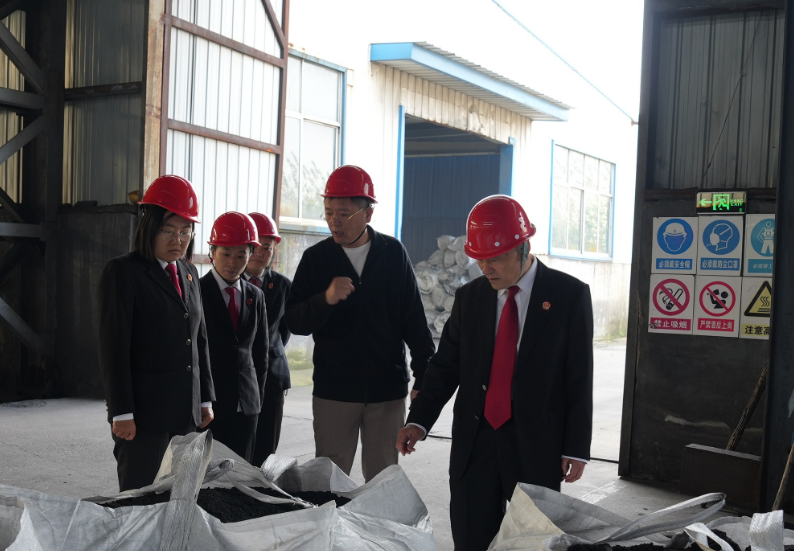
助企新生,三百余职工“饭碗”保住了
Qi Lu Wan Bao· 2026-01-26 16:24
Core Viewpoint - The article emphasizes the importance of legal frameworks in creating a favorable business environment, highlighting the successful restructuring of Shandong Liangshan Wanda Carbon Co., Ltd. as a case study of how judicial innovation can revitalize struggling enterprises and protect employment [2][3]. Group 1: Company Overview - Shandong Liangshan Wanda Carbon Co., Ltd. was established in September 2010, with a production capacity of 270,000 tons of prebaked anodes and 40,000 tons of UFP graphite electrodes, making it a significant player in the regional chemical industry [3]. - The company faced severe operational challenges, leading to a loss of sustainable business capability and accumulating debts of 1.104 billion yuan across 61 legal cases since 2013 [3][4]. Group 2: Judicial Mechanism and Restructuring - The "executive and bankruptcy integration" mechanism was implemented by the Jining court system, which involved a collaborative model of "government + court + departments" to address the company's difficulties [2][6]. - A comprehensive assessment of the company's assets, debt structure, and technological advantages was conducted, leading to the conclusion that bankruptcy restructuring was the best option for recovery [3][7]. - Shandong Wanchuang Carbon Co., Ltd. was selected as the strategic investor through a competitive bidding process, facilitating the company's revival [4]. Group 3: Operational Improvements and Outcomes - Under the new management, the company adhered to principles of "no layoffs, no production stoppages," ensuring stable operations while upgrading key facilities and modernizing production processes [5]. - The restructuring resulted in the preservation of over 300 jobs, the clearance of all 61 legal cases, and a significant increase in annual output value to over 5 billion yuan, with tax contributions exceeding 500 million yuan [5][6]. Group 4: Judicial Innovations and Future Directions - The Jining court has established 15 specialized teams to enhance the efficiency of handling bankruptcy cases, focusing on identifying companies with potential for recovery [6][7]. - The court has also implemented a system to streamline the selection of bankruptcy administrators and set up a special fund to support cases with no assets [8]. - Future efforts will focus on further enhancing judicial services to support regional economic development and ensure the stability of the business environment [8].
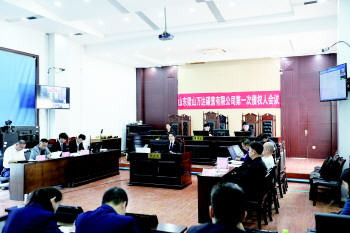
执破融合:冶炼企业炉火复燃
Xin Lang Cai Jing· 2026-01-12 22:06
Group 1 - The company, Hongda Environmental Protection Technology Co., Ltd., faced severe financial distress with a debt of 340 million yuan and 28 execution cases, leading to the shutdown of its smelting furnace [3] - The local court identified that despite the company's difficulties, it still possessed core assets such as technology and qualifications, which provided a basis for resuming production [3] - The court initiated a "combination of execution and restructuring" mechanism to assess and unify the execution cases, allowing for a more efficient recovery process for the company [3] Group 2 - In November 2024, the company's restructuring plan was approved with a high vote, and by early December, the smelting furnace was reignited after nearly a year of inactivity [4] - Approximately 200 employees returned to work, and the company successfully fulfilled 11.85 million yuan of its debt obligations in the first two phases [4] - The company's annual processing capacity has been restored to 78,000 tons [4]
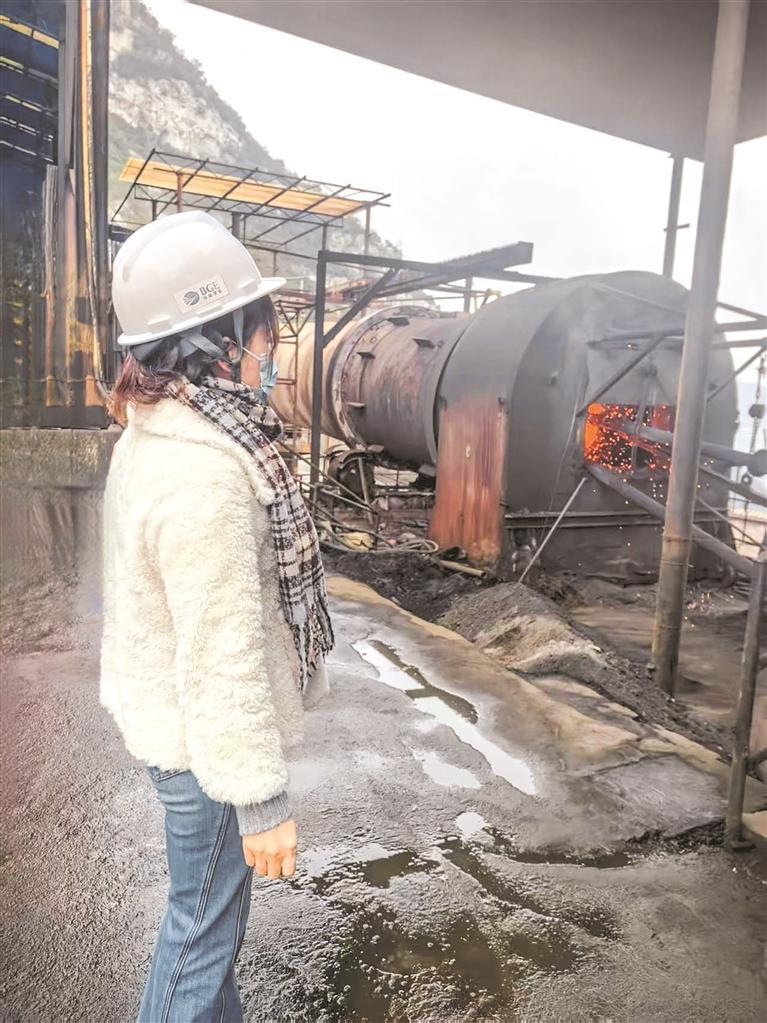
聚法治之力 解民生之忧——2025年省级10件法治为民办实事项目成效明显
Xin Lang Cai Jing· 2025-12-21 02:12
Group 1 - The core theme of the article is the implementation of 10 provincial legal projects aimed at addressing the urgent legal needs of the public, achieving significant results by 2025 [1] Group 2 - The construction and operationalization of community governance centers have been standardized, with 86 county-level centers established, enhancing public safety and conflict resolution capabilities [2] - The "executive and bankruptcy integration" initiative has been launched to improve the legal business environment, facilitating the handling of bankruptcy cases and optimizing procedural connections [3] - Supervision of execution practices has been strengthened, with significant recoveries for workers' wages and the establishment of collaborative mechanisms between prosecution and courts [4] Group 3 - The provincial police have effectively managed the surge in demand for ID card renewals by optimizing service processes and expanding service points, completing 597,000 renewal transactions [5][6] - Legal aid volunteer services from universities have been integrated into grassroots governance, with 23 standardized legal aid stations established and over 10,000 legal consultations provided [6] Group 4 - A comprehensive regulatory action has been initiated in the medical beauty sector to ensure compliance and protect consumer rights, resulting in the rectification of over 40 issues in beauty institutions [7] - The provincial market supervision authority has intensified efforts to ensure fuel quality, achieving a 98.5% completion rate in fuel testing and imposing fines for violations [8] Group 5 - A collaborative initiative has been launched to provide legal services to nearly 900,000 registered disabled individuals, with significant financial support and legal aid provided [9][10] - The establishment of a one-stop women's rights protection service center has been implemented, addressing over 2,800 cases with a high resolution rate [11] Group 6 - The provincial government has focused on enhancing employment opportunities for university graduates through various supportive measures, successfully recruiting over 7,000 graduates [12]
“十五五”部署推动“执破衔接”,提高破产启动意愿仍是挑战| 解读“十五五”
Di Yi Cai Jing· 2025-11-24 12:06
Core Viewpoint - The integration of judicial enforcement and bankruptcy systems is essential for effectively revitalizing seized and frozen assets, as outlined in the "14th Five-Year Plan" [1][4]. Group 1: Judicial Mechanism and Bankruptcy Integration - The mechanism of integrating judicial enforcement with bankruptcy, known as "executive transfer to bankruptcy," has been in place since 2015 and aims to facilitate the transition of cases from enforcement to bankruptcy proceedings [3][4]. - The increase in court enforcement cases has led to a rise in enterprises facing asset seizures, resulting in significant economic resources being "frozen" and hindering market activity [2][5]. - The "executive transfer to bankruptcy" mechanism has faced challenges, including difficulties in initiating procedures and insufficient rescue functions for market entities [3][6]. Group 2: Challenges and Future Directions - There are several constraints to advancing the integration of judicial enforcement and bankruptcy, such as insufficient institutional supply and difficulties in initiating transfer procedures [6][8]. - The current bankruptcy system is perceived as harsh on debtors, leading to a lack of motivation for both creditors and debtors to initiate bankruptcy proceedings [7][9]. - Recent amendments to the bankruptcy law aim to encourage debtors to enter bankruptcy proceedings, but overall, the bankruptcy framework still requires optimization [9].
福州仓山:“执破融合”推动破产案件治理
Ren Min Wang· 2025-10-01 02:01
Core Insights - The Fuzhou Cangshan District People's Court has released a white paper on bankruptcy adjudication from 2022 to 2024, highlighting significant achievements in handling bankruptcy cases [1] Group 1: Bankruptcy Case Statistics - From 2022 to 2024, the court received 166 new bankruptcy cases, resolved 168 cases, and had 3 cases pending [1] - The court successfully rescued 15 enterprises and resolved debts exceeding 6.3 billion [1] - Nearly 2,000 execution cases were cleared, and 238 pending execution cases were addressed [1] Group 2: Innovative Mechanisms and Processes - The court established the province's first "executive bankruptcy integration" collegial panel and introduced a novel "executive protection to bankruptcy" work model [1] - A standardized workflow was created, including steps from scope determination to bankruptcy adjudication [1] - The court implemented a "three connections and three simplifications" mechanism, along with tailored restructuring and reconciliation strategies for each case [1] Group 3: Collaborative Governance and Digitalization - A governance model was developed that integrates government coordination and multi-department collaboration [1] - The court has promoted the issuance of relevant implementation opinions and utilized digital tools to enhance information collaboration [1] Group 4: Case References and Guidelines - The court provided typical case references covering various measures such as the connection between execution and bankruptcy [1] - Work guidelines were released for simplified bankruptcy case trials and pre-bankruptcy case handling [1]
全省法院启动执行工作“百日攻坚”专项行动
Liao Ning Ri Bao· 2025-09-19 01:33
Group 1 - The core viewpoint emphasizes the importance of executing court decisions to protect the legal rights of winning parties, with a focus on a "100-day offensive" initiative to enhance execution quality and efficiency [1] - The initiative targets key issues, cases, and regions, aiming to convert "paper rights" into "real money" through precise efforts in execution [1] - The initiative includes collaboration between courts and government, addressing long-standing unresolved cases related to labor disputes, maintenance fees, and personal injury compensation through cross-execution strategies [1] Group 2 - The standardization of execution is identified as crucial for the high-quality development of execution work, with the provincial court organizing a guide based on research to improve execution practices [2] - A new guideline has been established to publicly disclose key progress information in execution cases, promoting transparency and accountability in the execution process [2] - The initiative aims to enhance the execution team's quality and efficiency by adhering to established norms and standards while addressing practical challenges in execution [2]
辽宁:开展执行工作“百日攻坚”专项行动
Ren Min Wang· 2025-09-14 01:31
Core Viewpoint - The Liaoning High Court has launched a "100-day offensive" action to enhance execution work across the province, focusing on improving execution quality and efficiency, and addressing key issues in execution cases [1][2]. Group 1: Execution Work Enhancement - The action includes six main tasks: improving execution quality, drafting execution work guidelines, increasing information transparency, cross-execution, integration of execution and bankruptcy, and supporting weaker courts [1]. - The initiative aims to convert "paper rights" into "real money" by tackling key issues, cases, and regions effectively [1]. Group 2: Coordination and Collaboration - The Liaoning High Court will strengthen collaboration between the government and the courts, ensuring coordination in execution processes [1]. - The focus will be on resolving small-value cases related to labor disputes, maintenance fees, and personal injury compensation through cross-execution strategies [1]. Group 3: Standardization and Transparency - The Liaoning High Court has developed an operational guide for execution work based on research and existing legal frameworks, addressing practical challenges in execution [2]. - A new guideline has been issued to mandate courts to publicly disclose key progress information in execution cases, promoting transparency and accountability [2].
广东法院首执案件执行完毕率、执行到位率均优于全国平均水平
Nan Fang Du Shi Bao· 2025-07-25 11:39
Group 1 - The meeting emphasized the need for Guangdong courts to fully implement the Central Committee's directives on enhancing trial work in the new era, focusing on the goals and tasks of execution work [1] - In the first half of the year, Guangdong courts handled 426,000 execution cases, an increase of 18% year-on-year, and disbursed 68.137 billion yuan, with a 32% improvement in disbursement efficiency [1] - The execution work is facing challenges such as a large volume of cases and the need to clear historical cases, requiring a collaborative approach and reliance on party leadership [1][2] Group 2 - The focus is on addressing issues like clearing historical cases, locating individuals and assets, and asset liquidation, while leveraging the current reform window to deepen reforms and innovate mechanisms [2] - There is a call to strengthen execution supervision and management, improve the clarity of execution powers and responsibilities, and ensure the implementation of regulations to prevent judicial interference [2]