抗战精神

Search documents
守护抗战生命线!致敬南侨机工永不褪色的青春
Xin Lang Cai Jing· 2025-12-19 10:13
Core Viewpoint - The story of the Nanyang mechanics highlights the bravery and sacrifice of ordinary individuals during the Second Sino-Japanese War, emphasizing their critical role in maintaining China's only international supply route, the Burma Road, and their embodiment of national spirit and resilience [1][6][9]. Group 1: Historical Context - In 1938, during a critical phase of the Chinese War of Resistance against Japan, the Burma Road became a vital lifeline for international aid and support [1]. - Over 3,200 young overseas Chinese, called Nanyang mechanics, answered the call to serve, risking their lives to ensure the supply route remained operational [1][6]. Group 2: Personal Stories - Among the Nanyang mechanics, individuals displayed remarkable courage, such as Li Yuemei, the only female driver, who disguised herself to join the effort and continued to drive despite the dangers [3][4]. - Other notable figures include Bai Xuejiao, who wrote a farewell letter expressing her commitment to her homeland, showcasing the personal sacrifices made by these individuals [6]. Group 3: Legacy and Impact - The actions of the Nanyang mechanics serve as a testament to how ordinary people can influence significant historical events, reflecting the collective spirit of a generation [6][9]. - Their legacy continues to resonate today, reminding current generations of the importance of remembrance and the enduring values of patriotism and sacrifice [9].

理响中国·烽火丹心︱永不消逝的信笺
Yang Guang Wang· 2025-12-16 05:18
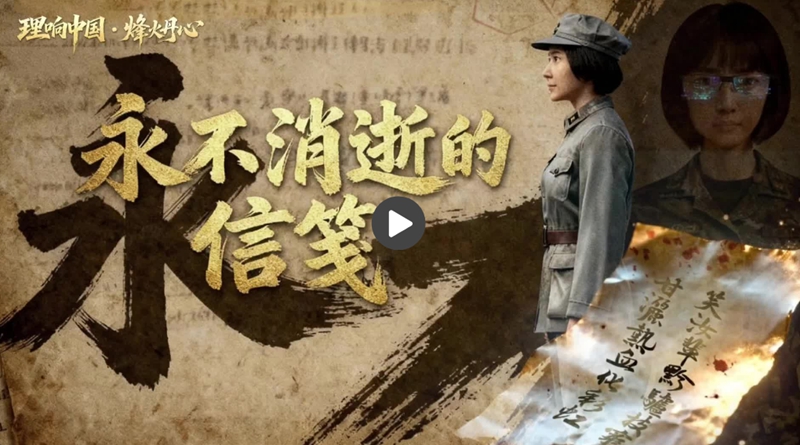
八十多年前 一位从事地下交通工作的女共产党员 因叛徒出卖不幸被捕 在生命的最后时刻 她写下"笑汝辈黔驴技穷,甘洒热血化彩虹" 她就是林心平 八十多年后 某部通信班女兵"意外收到"这份信笺 一场跨越时空的对话就此展开 林心平(1919-1942) 金坛、溧阳、宜兴、武进、丹阳五县抗日联合政府文教科科长 林心平1919年出生于浙江平阳,原名林秋逸 因仰慕秋瑾改名林秋侠 16岁时,她走出温州师范学校 在抗日救亡游行中高呼: "宁为吾国鬼,不为异国奴!" 因领导学生运动被学校开除后 加入浙南游击队,参加革命 图片由AI生成 1936年,因电台损坏 红军挺进师与中央失联许久 为突破敌人对温州的严密封锁 将密报送至上海转呈党中央 林秋侠临危受命,将密信缝入衣襟 她乔装为砍柴女,踏上征程 昼伏夜行数百里 最终成功将密报送达上海 之后,她以"梁玉"之名在特科工作 于1936年加入中国共产党 在延安抗大学习时的林心平(右) 全民族抗战爆发后 她被调到八路军上海办事处任机要秘书 后奔赴延安抗大学习 1938年,她奉命至中共中央长江局工作 改名林心平 自此立下赫赫战功 她打入国民党"忠义救国军" 策动青年抗日 智取国民党40师特务 ...
南京大屠杀死难者国家公祭日 多国华侨华人举行悼念活动
Yang Shi Wang· 2025-12-15 03:00
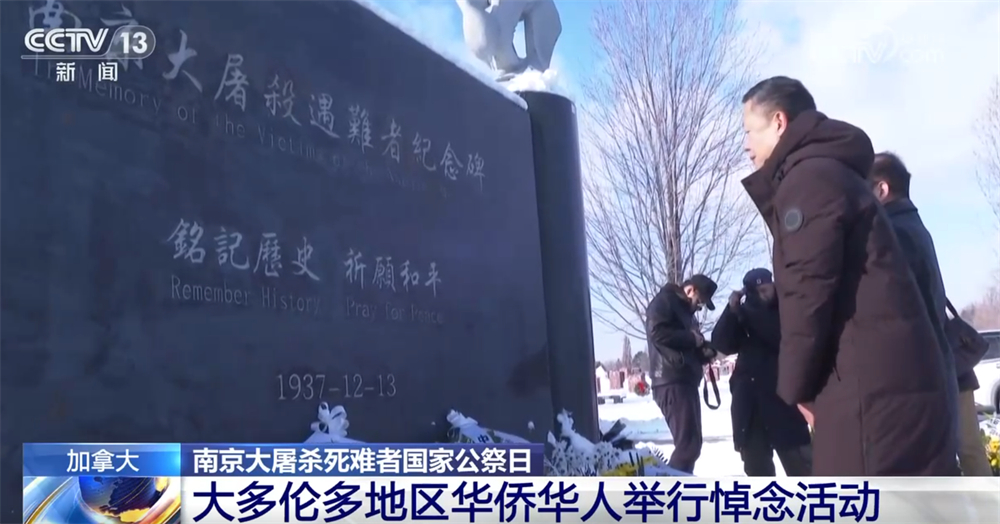
Group 1 - The National Memorial Day for the Victims of the Nanjing Massacre is observed on December 13, with various commemorative activities held by Chinese communities in Toronto, Canada [1] - Officials from the Chinese Consulate in Toronto and local representatives emphasized the importance of recognizing the atrocities committed by Japanese militarism and resisting any attempts to revise colonial history [1] - In Buenos Aires, Argentina, a memorial event titled "Never Forget National Humiliation, Realize the Chinese Dream" was held, attended by nearly a hundred Chinese expatriates and students who paid tribute to the victims [3] Group 2 - Representatives from the Chinese community highlighted the need for the younger generation to inherit the spirit of resistance against aggression, learn from history, cherish peace, and create a better future [5]
金句|国家公祭日,从总书记重要讲话中汲取前行力量
Xin Hua She· 2025-12-14 01:54
Core Viewpoint - The articles emphasize the importance of remembering history, particularly the Chinese people's struggle during the Anti-Japanese War, and the need to cherish peace while drawing strength from past sacrifices for national rejuvenation [1][2][3][4][5][6] Group 1: Historical Remembrance - The Chinese people's resistance during the Anti-Japanese War is highlighted as a significant achievement, marking the first complete victory against foreign invasion in modern history [2] - The speeches underscore the collective effort of various ethnic groups in China, who united to fight against invaders, thus safeguarding national independence and freedom [2][3] - The importance of acknowledging the historical facts of events like the Nanjing Massacre is stressed, with a firm stance against any denial of these atrocities [3][4] Group 2: National Spirit and Unity - The articles discuss the "Great Anti-Japanese Spirit," which embodies patriotism, resilience, and the determination to overcome challenges, serving as a motivational force for the Chinese people [4][5] - The need for unity and a strong spirit among all ethnic groups in China is emphasized as essential for achieving the Chinese Dream of national rejuvenation [5] Group 3: Commitment to Peace - The commitment to peaceful development and the construction of a community with a shared future for humanity is reiterated, reflecting China's historical aversion to aggression [6] - The speeches convey that the Chinese people have a deep understanding of the value of peace, shaped by their experiences of suffering from invasions and internal conflicts [6]

缅怀先烈 致敬和平 多地开展国家公祭日主题教育活动
Yang Shi Xin Wen Ke Hu Duan· 2025-12-13 05:09
Group 1 - The 12th National Memorial Day for the Nanjing Massacre Victims is observed, with educational activities held in Jiangsu, Jiangxi, and other regions to commemorate the martyrs and remember history [1] - In Nanjing, an educational class themed "Mountain and River Memory, Youth Inheritance" is conducted, utilizing a format that combines a main classroom with real-time events across multiple locations and live media broadcasting to achieve nationwide engagement [1] - Various communities in Jiangxi, such as Nanchang, participate in memorial activities at the New Fourth Army Headquarters Museum, where attendees pay tribute to the deceased and revolutionary martyrs [5] Group 2 - Youth representatives express the importance of remembering history and striving for progress, emphasizing the responsibility of the new generation to promote the spirit of resistance and contribute to national rejuvenation [3][7] - In Shanxi, students and teachers engage in activities at the Eighth Route Army Headquarters site, focusing on the dedication and sacrifice of the martyrs for national liberation [9][11] - The Armed Police Force in Guangxi conducts a series of memorial activities, including moments of silence and reaffirming party vows, to inspire soldiers to remember history and strengthen their resolve [13][15]
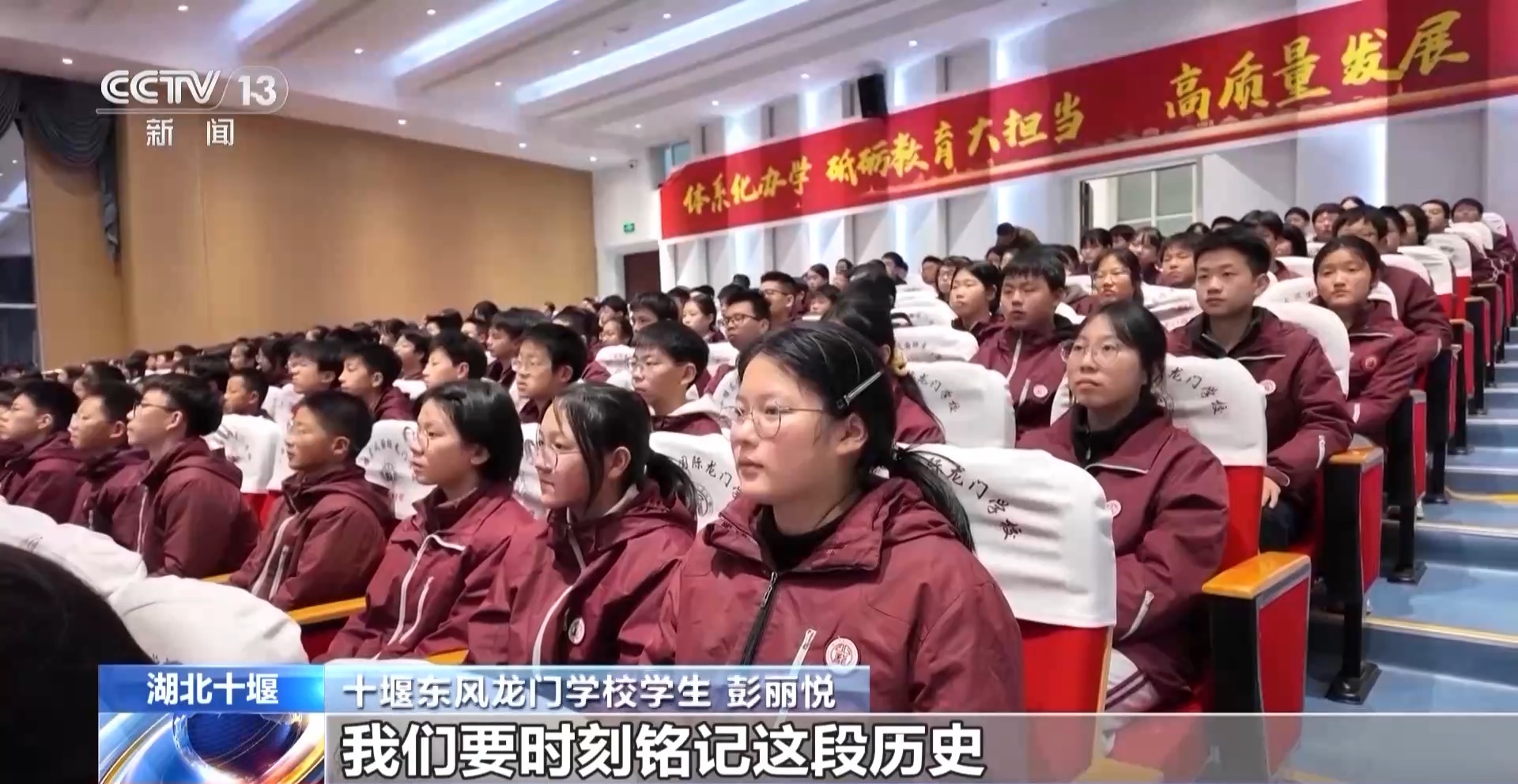
理响中国·烽火丹心丨不能忘不敢忘!她说要让历史永远被铭记
Yang Guang Wang· 2025-12-13 02:11
Group 1 - The article highlights the significance of the purple gold grass (Zijin grass) as a symbol of friendship and peace, particularly in the context of the Nanjing Massacre and its historical remembrance [1] - It recounts the personal story of 96-year-old Xia Shuqin, a survivor of the Nanjing Massacre, who has dedicated her life to seeking justice for the victims, emphasizing the importance of remembering history to protect peace [1] - The narrative illustrates the transmission of historical memory through Xia Shuqin's family, with her granddaughter and great-grandson actively participating in educating others about this painful history [1] Group 2 - The article also mentions the launch of a series of micro-videos titled "Rising China: The Fire of Patriotism," which utilizes digital technology to recount the history of the Chinese People's War of Resistance against Japanese Aggression and the global anti-fascist struggle [3] - The series aims to promote the spirit of resistance and encourage collective remembrance as a means to move towards a better future [3]
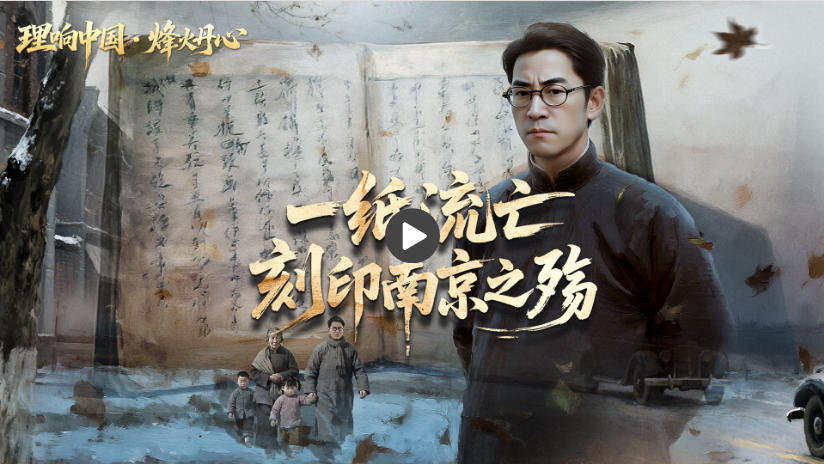
理响中国·烽火丹心|一纸流亡,刻印南京之殇
Yang Guang Wang· 2025-12-12 03:01
Group 1 - The core message of the articles revolves around the significance of Zhou Lianchen's "Exile Diary," which serves as a poignant testament to individual suffering during the Nanjing Massacre and reflects the collective memory of the Chinese people [2][5] - The diary captures the harrowing experiences of a family fleeing the impending invasion, highlighting the extreme hardships and systemic crises faced by the displaced population [3][5] - Zhou Lianchen, despite the dire circumstances, maintained his commitment to education by drafting children's educational plans, showcasing the resilience and integrity of intellectuals during times of crisis [3][5] Group 2 - The "Exile Diary" is not only a record of personal anguish but also a window into the collective memory of the nation, emphasizing the importance of remembering historical atrocities to prevent future occurrences [5][6] - The Nanjing Massacre Memorial Hall stands as a solemn reminder of the past, with its archives serving as a powerful testament to the shared suffering of humanity, which was recognized globally when the "Nanjing Massacre Archives" was included in the "Memory of the World Register" in 2015 [5][6] - The articles stress the necessity of understanding history deeply and respecting life, asserting that true peace arises from remembrance rather than forgetfulness [6][8]
伟力·文化抗战丨第一集 光芒
Xin Hua She· 2025-12-10 14:01
Core Viewpoint - The cultural resistance led by the Communist Party of China is a crucial part of the Chinese people's War of Resistance against Japan, awakening national consciousness and igniting patriotic fervor among the populace [1][3]. Group 1: Cultural Resistance - The cultural front utilized various forms such as news publications, artistic creations, and educational outreach to rally the people against Japanese aggression [1]. - A significant number of artistic works were created during the war to reflect the struggle and inspire the nation, revealing the brutality of Japanese militarism and uniting the people in their fight for survival [3]. Group 2: Historical Significance - The cultural resistance is described as a vivid practice and important carrier of the great spirit of resistance, holding substantial historical significance [3]. - The spirit embodied in the cultural resistance continues to inspire the Chinese people to overcome challenges and strive for the great rejuvenation of the Chinese nation [3]. Group 3: Commemoration - This year marks the 80th anniversary of the victory in the War of Resistance against Japan and the global anti-fascist war, prompting a comprehensive review of cultural treasures born from the war [3].
“抗战文物里的英烈故事”走进南京旅游职业学院
Xin Hua Ri Bao· 2025-12-08 23:10
据悉,本场活动是该主题分享系列的第二场,后续还将走进部队开展宣讲。全部28件优秀作品将汇 编成册,推动红色故事走进更多人群,让抗战精神在新时代持续发光。 本次活动由江苏省文物局、江苏省退役军人事务厅、新华日报社联合主办。自今年5月起,"抗战文 物里的英烈故事"主题推介活动面向全省征集作品,从331件投稿中精选出28件优秀作品。这些作品围绕 抗战文物展开,以小见大,见物见人,见情见精神,成为开展革命传统教育、爱国主义教育、青少年思 想道德教育的鲜活载体。活动现场为28件优秀作品的创作者及报送单位代表颁发了证书。在随后的宣讲 环节中,来自全省各纪念馆、博物馆的红色讲解员以及高校师生,通过情景剧、故事宣讲、音乐剧等多 种形式,深情讲述了多个感人至深的抗战故事。 12月4日,"抗战文物里的英烈故事"主题分享活动在南京旅游职业学院举行。活动以文物为媒、以 故事为桥,引领青年学子走近那段烽火岁月,聆听文物背后的精神回响。 ...
“小我”也能担大义(抗战烽火中的华侨华人)
Ren Min Ri Bao Hai Wai Ban· 2025-12-07 22:54
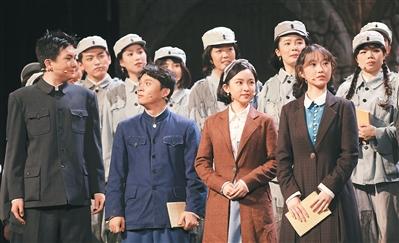
Core Viewpoint - The article highlights the story of Chen Fangxin, who performed in the play "Shanbei School," portraying her grandmother Chen Rimei, a patriotic figure who contributed to the anti-Japanese war and the construction of New China, emphasizing the importance of inheriting the spirit of patriotism from previous generations [2][6][10]. Group 1: Historical Context - The play "Shanbei School" is set against the backdrop of the full-scale outbreak of the Anti-Japanese War, telling the story of the Shanbei School's establishment during a time of national crisis and its role in training revolutionary leaders [4]. - Over a short period, Shanbei School trained more than 6,000 anti-Japanese cadres, who immediately went to the front lines to join the national united front against Japan [4]. Group 2: Personal Connection - Chen Fangxin's portrayal of her grandmother in the play serves as a personal connection to the historical narrative, allowing her to experience a "reunion" with her grandmother through performance [4][7]. - Chen Rimei's journey from Malaysia to Yan'an in 1938, influenced by the book "The Road to Yan'an," reflects the actions of many overseas Chinese who contributed to the war effort [5]. Group 3: Themes of Patriotism and Legacy - The article emphasizes the theme of patriotism, with Chen Fangxin stating that her grandmother's story is a microcosm of many overseas Chinese youths who acted for their country [10]. - The play includes poignant moments that evoke the sacrifices made by young revolutionaries, reinforcing the idea that ordinary individuals can become heroes in critical moments [7][11]. Group 4: Cultural Significance - The performance aims to educate audiences about the contributions of overseas Chinese during the Anti-Japanese War, highlighting the importance of remembering one's roots and the sacrifices made for the nation [10][11]. - Chen Fangxin expresses a desire to pass on her grandmother's spirit of perseverance and dedication to future generations, emphasizing the need to cherish the present while honoring the past [10][11].