美欧关系

Search documents
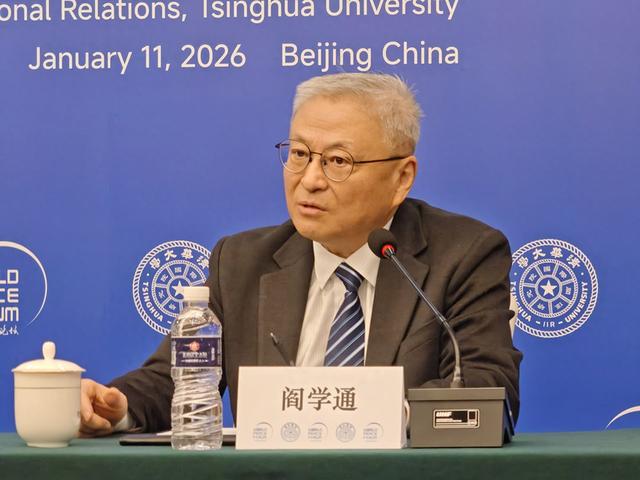
阎学通:欧洲连自己的安全都保证不了,居然还往东亚地区派兵
Xin Lang Cai Jing· 2026-01-13 13:36
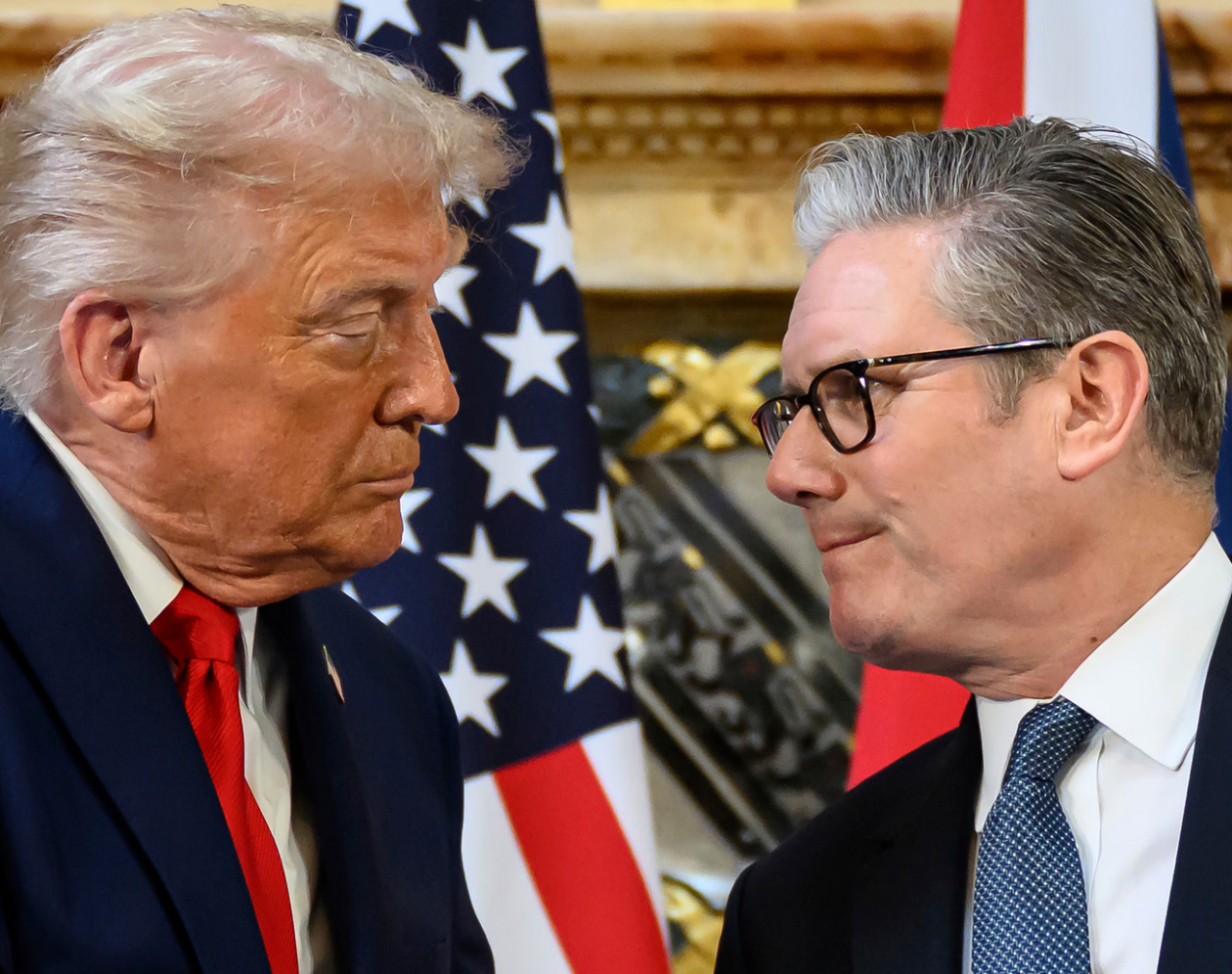
Group 1 - The core viewpoint is that Europe is currently unable to guarantee its own security while attempting to deploy troops to East Asia, indicating a need for self-reflection among European leaders [1][2] - The root cause of the turmoil in US-Europe relations is identified as the political division within the United States, which has led to three levels of division: between the US and Europe, within Europe itself, and within each of their internal politics [1][3] - The rise of populism in Europe has resulted in a prioritization of security over development, leading to reduced cooperation, decoupling, and trade protectionism among Western nations [3][4] Group 2 - European leaders are criticized for lacking a sense of responsibility regarding their own security, often blaming the US for failures in maintaining safety and security [2][4] - There is a call for European leaders to adopt a more humble and self-reflective attitude to recognize their shortcomings, which is essential for correcting their course and improving transatlantic relations [4][5] - The potential for increased military conflict between the US and Europe is highlighted, particularly in the context of aggressive actions such as Trump's ambitions regarding Greenland, which could provoke unexpected responses from Europe [5]

德国财长称美欧裂痕扩大 警告欧洲不能视而不见
Xin Lang Cai Jing· 2026-01-12 19:49
Core Viewpoint - The widening rift between the US and Europe is a significant concern, as it could have negative implications for the world [1][2]. Group 1: Statements from Lars Klingbeil - Lars Klingbeil, the German Finance Minister, emphasized that the differences between Europe and the US are increasing, warning that a growing distance would be detrimental globally [1][2]. - Klingbeil described his dinner conversation with US Treasury Secretary Scott Basset as positive but cautioned that Europe cannot afford to be "naive and blind" [1][2]. Group 2: Context of the Meeting - The meeting took place shortly after US President Donald Trump ordered military action against Venezuela and threatened to take over Greenland, highlighting the tense geopolitical climate [1][2]. - Basset invited Klingbeil and finance ministers from the G7, Australia, South Korea, Mexico, and India to discuss reducing dependency on critical raw materials and ensuring global supply chain security [1][2]. Group 3: Discussion Topics - Key discussion topics included setting minimum prices for critical raw materials, forming a trade club, and implementing recycling quotas [1][2]. - Klingbeil noted that there are still unresolved issues that need clarification in the coming weeks [1][2].
特朗普:“无论难易”都要得到格陵兰岛,美国需要它!丹麦:若美军动武,士兵可先开枪再请示!当地居民:给钱也不加入美国
Mei Ri Jing Ji Xin Wen· 2026-01-10 03:47
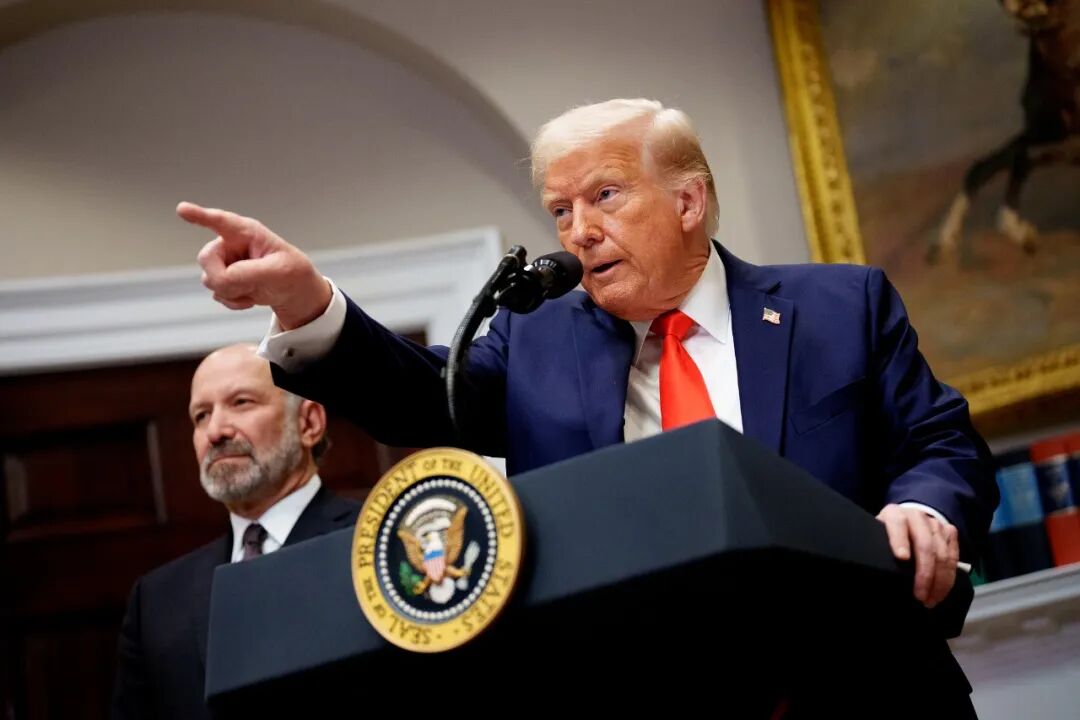
Group 1 - The U.S. President Trump reiterated the need for the U.S. to acquire Greenland during a meeting with oil executives, stating he has not yet considered the financial aspects of a "purchase" [1] - The U.S. administration is exploring various options to acquire Greenland, including direct cash payments to residents as a means to persuade them to separate from Denmark [8][11] - Greenland residents have expressed strong opposition to the idea of joining the U.S., stating they would refuse any financial incentives offered by the U.S. [9] Group 2 - U.S. Vice President Pence warned Europe to take Trump's statements seriously, indicating that the U.S. may take action if Europe does not respond appropriately [5][6] - Danish officials confirmed that if the U.S. were to use military force to take Greenland, Danish soldiers would be required to respond immediately [13] - The Danish military has a limited force size, with approximately 7,000 to 9,000 in the army, and is responsible for the defense of Greenland [14]
法国外长:欧洲政治组织“正处于危险之中”
Xin Hua She· 2026-01-09 12:58
Core Viewpoint - The French Foreign Minister, Jean-Yves Le Drian, expressed concerns about the current state of European political organizations, indicating they are in a precarious situation due to external threats and internal issues of "democratic fatigue" [1] Group 1: External Threats - The European Union is facing external threats, particularly from the United States, which has been reassessing its relationship with Europe [1] - The U.S. government has questioned the reliability of certain European countries as allies in its national security strategy report released in December 2025 [1] Group 2: Internal Challenges - There is a growing concern about "democratic fatigue" within Europe, which poses a significant challenge to the stability and unity of the EU [1] - The French Foreign Minister emphasized that Europe has the right to reject proposals from traditional allies if they are deemed unacceptable [1] Group 3: Specific Incidents - The U.S. President's previous claims regarding Greenland have sparked strong opposition from European nations, particularly Denmark, which warned of severe consequences if military actions were taken against NATO allies [1]
总台记者观察丨格陵兰岛外交风波引发美欧关系面临考验
Yang Shi Wang· 2026-01-07 19:28
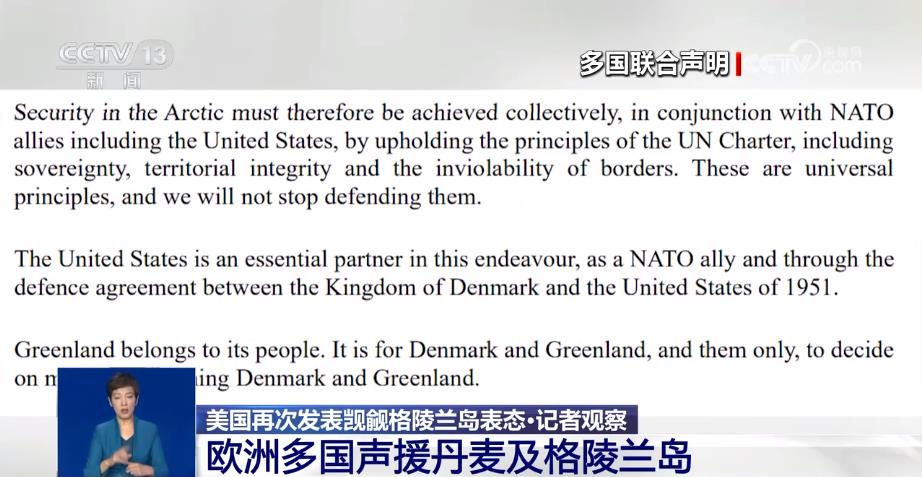
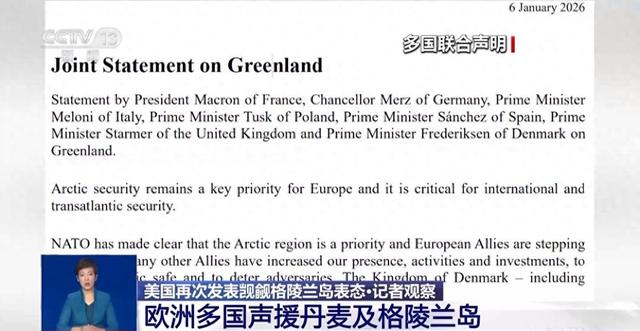
Core Viewpoint - The European countries have swiftly responded to U.S. President Trump's statements regarding Greenland, emphasizing the rights of Denmark and Greenland to self-determination, while the EU leadership has yet to make a public statement, highlighting the challenge of balancing sovereignty, security, and transatlantic relations [1][2]. Group 1: European Response - Nordic countries including Finland, Iceland, Norway, Sweden, and Denmark have issued a statement affirming Greenland's right to self-determination and have increased investments in Arctic security [2]. - A joint statement from leaders of France, Germany, Italy, Poland, Spain, the UK, and Denmark declared that "Greenland belongs to its people," asserting that matters concerning Denmark and Greenland should be decided by them alone [2]. - Support for this joint statement has been expressed by leaders from several other European nations, including the Netherlands, Belgium, Greece, and Luxembourg [2]. Group 2: EU Institutional Position - The opposition within Europe primarily comes from member states, while EU institutional leaders have not publicly commented on the issue [3]. - An EU Commission spokesperson reiterated that the EU's principles remain "very clear," supporting Greenland's territorial integrity while cooperating with the U.S. on Arctic security [3]. - This situation reflects the diplomatic dilemma faced by the EU in balancing member state sovereignty with maintaining relations with the U.S., indicating limited space for EU institutions to voice their stance on sensitive issues [3].
格陵兰岛外交风波引发美欧关系面临考验
Xin Lang Cai Jing· 2026-01-07 13:07
Group 1 - The core viewpoint of the articles revolves around the European response to U.S. President Trump's statements regarding Greenland, emphasizing the autonomy of Denmark and Greenland in deciding their own affairs [1][2][4] - Nordic countries, including Finland, Iceland, Norway, Sweden, and Denmark, issued a statement affirming Greenland's right to self-determination and noted increased investments in Arctic security [1] - A joint statement from leaders of France, Germany, Italy, Poland, Spain, the UK, and Denmark declared that Greenland belongs to its people and that matters concerning Denmark and Greenland should be decided by them [2] Group 2 - The opposition within Europe primarily comes from member states, while EU institutional leaders have not publicly commented on the issue [4] - The European Commission spokesperson reiterated the EU's clear principles supporting Greenland's territorial integrity and cooperation with the U.S. on Arctic security [4] - The situation highlights the diplomatic challenges faced by the EU in balancing member state sovereignty with maintaining transatlantic relations, indicating a limited space for EU institutions to voice their stance on sensitive issues [4]
美针对格陵兰岛动作频频 加剧美欧摩擦
Xin Lang Cai Jing· 2025-12-27 04:16
Core Viewpoint - The recent actions by the United States regarding Greenland have escalated tensions with Denmark and the European Union, highlighting the strategic importance of the Arctic region and its implications for US-EU relations [1] Group 1 - The U.S. appointed Louisiana Governor Jeff Landry as the "U.S. Special Envoy to Greenland" to promote American strategic interests in the Arctic [1] - Denmark and the European Union have strongly rebuffed the U.S. stance, labeling it as "unacceptable" [1] - The Greenland issue has quickly become a new focal point affecting U.S.-EU relations [1]
美媒新民调:美国主要盟友多数受访者视其为“负面力量”,制造问题多于解决问题
Huan Qiu Wang· 2025-12-24 01:56
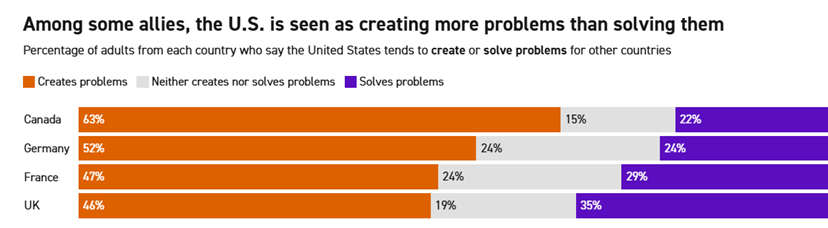
Core Viewpoint - A significant portion of the public in several of America's closest allies views the U.S. as a "negative force" on the global stage, particularly in light of the Trump administration's foreign policy reforms [1][5]. Group 1: Public Perception of the U.S. - The poll conducted by Politico and Public First surveyed 10,510 adults across the U.S., Canada, the UK, France, and Germany, revealing that many believe the U.S. tends to create problems rather than solve them, with 63% of Canadians holding this view [1][5]. - In Germany and France, a majority of respondents also perceive the U.S. as a negative influence, while in the UK, over one-third share this negative assessment [1][3]. Group 2: Support vs. Challenge to Allies - Canadians exhibit the strongest critical stance, with 60% believing the U.S. is challenging its allies, while only 25% think it supports them [3]. - In Germany, 46% view the U.S. as a challenger, compared to 29% who see it as supportive; in France, 45% believe the U.S. challenges allies, while 33% think it supports them [3]. Group 3: Impact of U.S. Foreign Policy - The findings indicate that Trump's broad trade agenda and tough rhetoric towards long-term allies are causing a ripple effect among Washington's closest partners [5]. - The U.S. National Security Strategy report suggests that Europe may face "civilizational extinction" in the next 20 years, prompting European leaders to call for a more cooperative approach from the U.S. [5].
想了想,欧洲还是不敢动俄罗斯,哪怕普京在恋爱中……
Sou Hu Cai Jing· 2025-12-21 03:33
Core Viewpoint - The European Union has shifted its approach regarding the use of Russian assets to support Ukraine, ultimately deciding to provide a €90 billion interest-free loan instead of freezing Russian assets for funding [2][4]. Group 1: EU's Financial Support to Ukraine - The EU's decision to lend €90 billion to Ukraine is significant as it indicates a commitment to support Ukraine without requiring repayment of interest [2][4]. - Ukrainian President Zelensky expressed gratitude for the EU's support, interpreting it as a signal to Russia that continued aggression is futile due to Ukraine's financial backing [4][10]. - The original plan involved utilizing €210 billion of Russian assets in Europe, but the EU could not reach a consensus on this approach, leading to the current loan arrangement [4][10]. Group 2: Challenges in European Military Support - European leaders, including German Chancellor Merz, have previously indicated that utilizing Russian assets was a preferable option for supporting Ukraine [5][10]. - There are doubts about Europe's ability to independently mobilize a military force of 800,000 troops to support Ukraine, given the historical challenges in establishing a cohesive European military strategy [10][12]. - The lack of consensus within the EU regarding the freezing of Russian assets raises questions about the effectiveness of European military support for Ukraine [10][12]. Group 3: Long-term Implications for Ukraine - The €90 billion loan is seen as a form of risk investment for Europe, with the potential for significant returns if Ukraine stabilizes and rebuilds post-conflict [15]. - The Ukrainian budget for 2026 anticipates receiving €45 billion from this loan, indicating that only half of the promised funds may be available in the near term [15]. - The reliance on European financial support highlights the ongoing challenges Ukraine faces in securing sustainable funding and military assistance [15].
关系紧张时刻!英媒爆:斯塔默准备任命新任驻美大使,已面谈三人
Huan Qiu Wang· 2025-12-14 06:37
Group 1 - The UK Prime Minister Starmer is expected to appoint a new UK Ambassador to the US by the end of this year, following interviews with three final candidates [1][3] - The appointment comes at a critical time for UK-US relations, which are under strain due to the Russia-Ukraine conflict and tensions arising from former President Trump's criticisms of European leaders [1][3] - The three candidates for the ambassadorship include Valen Chandra, who assisted in negotiations with the Trump administration, Christian Turner, who is set to become the UN Ambassador, and Nigel Casey, the current UK Ambassador to Russia [1][3] Group 2 - There are internal warnings about escalating tensions between the UK and US regarding the Ukraine issue, compounded by the White House's hardline national security strategy [3] - If Starmer is dissatisfied with the three candidates, he may appoint someone else entirely [3] - The position of UK Ambassador to the US has been vacant since September, following the dismissal of Peter Mandelson due to his association with Jeffrey Epstein [3]