股权结构

Search documents
上市公司案例分析:神雾集团
Sou Hu Cai Jing· 2025-05-10 03:29
Core Viewpoint - Shenwu Group, once a leading environmental technology enterprise, has experienced significant ups and downs in its development, leading to its eventual operational failure due to various internal and external factors. Group 1: Company Background and Performance - Shenwu Group acquired controlling interest in the listed company "Tianli Environmental" through judicial transfer and restructured it to become "Shenwu Environmental," which was subsequently listed on the Shenzhen Stock Exchange [2] - Shenwu Group also owns another listed company, Shenwu Energy, which successfully went public in A-shares in 2016 through a reverse merger [2] - Shenwu Environmental's revenue surged from 1.215 billion yuan in 2015 to 3.125 billion yuan in 2016, representing a year-on-year growth of 91% and 157% respectively; net profit increased from 181 million yuan to 706 million yuan, with growth rates of 96% and 289% [2] Group 2: Profit Quality Issues - The proportion of related party transactions increased significantly, reaching 58% in 2016, which raised operational risks and affected profit quality [3] - By 2016, nearly 54% of the company's accounts receivable were from related parties, leading to poor operating cash flow despite high net profits [3] - The company faced liquidity issues in the second half of 2017 due to delayed collections and large payments to suppliers and subcontractors [3] Group 3: Internal Control Failures - Shenwu Environmental's internal control measures, such as the "External Guarantee Management System," were not effectively implemented [4] Group 4: Financial and Legal Issues - The company provided substantial guarantees to its controlling shareholder Shenwu Group and its subsidiaries without proper approval, totaling approximately 1 billion yuan, which were not disclosed in a timely manner [6] - Due to debt defaults by the controlling shareholder, Shenwu Environmental was sued as a joint liability guarantor, exacerbating its financial difficulties and damaging its reputation [7] Group 5: Governance and Structural Problems - The ownership structure of Shenwu Environmental allowed the controlling shareholder to dominate decision-making and information disclosure, undermining the company's independence [8] - There were overlapping roles among the management team, leading to a lack of independent governance and control by minority shareholders [9] Group 6: Market Environment Changes - The tightening of environmental regulations and increased technical barriers in the industry placed Shenwu Group at a competitive disadvantage, contributing to its operational challenges [10]

15家银行上市辅导进行时:资本、股权、资产问题如何求解?
Sou Hu Cai Jing· 2025-04-29 11:47
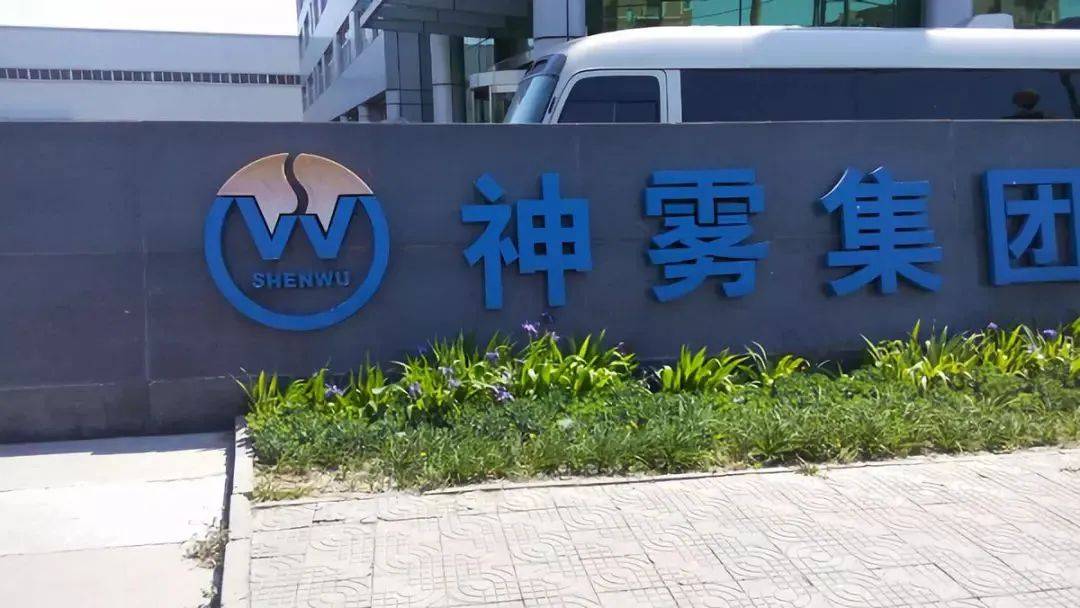
Core Insights - The progress of bank IPOs has been slow, with only Yibin Bank successfully listing on the Hong Kong Stock Exchange in the past three years, while the A-share market has not seen any new listings since Lanzhou Bank in January 2022 [1][17] - Despite the slow progress, there remains a large number of banks preparing for IPOs, with 15 banks currently in the listing guidance period [1][17] - Capital adequacy remains a significant challenge for many small and medium-sized banks, impacting their IPO processes [3][12] Group 1: IPO Progress - Yibin Bank is the only small bank to have listed in the past three years, while several banks have withdrawn their IPO applications in 2024, leaving only six banks in the queue [1][17] - The banks currently in the listing guidance period include Hankou Bank, Tianjin Bank, and others, with Hankou Bank having initiated its IPO plans as early as December 2010 [1][2] Group 2: Capital Adequacy Challenges - Hankou Bank has faced difficulties in increasing profitability, with revenues of 6.802 billion, 8.393 billion, and 8.521 billion yuan from 2021 to 2023, while net profits were 1.25 billion, 1.915 billion, and 1.445 billion yuan, indicating a "revenue without profit" situation [3][4] - Despite a capital increase in 2024, Hankou Bank's capital adequacy indicators remain under pressure, necessitating further capital supplementation [4][5] - Tianjin Bank has also struggled with capital adequacy, with its non-performing loan total increasing from 6.816 billion yuan in 2023 to 7.609 billion yuan in 2024, despite a slight decrease in the non-performing loan ratio [5][6] Group 3: Asset Certainty Issues - Guilin Bank has faced delays in its IPO due to issues with property rights and ongoing legal disputes, which have hindered its progress since its initial listing ambitions in 2011 [8][10] - Other banks, such as Gansu Bank and Wenzhou Bank, are also dealing with similar asset certainty challenges, which complicate their listing processes [11][12] Group 4: Shareholding Structure Challenges - Jiangsu Jiangnan Rural Commercial Bank is facing regulatory challenges due to internal shareholding exceeding the limits set by financial regulations, which has delayed its IPO process [12][14] - The bank is working on a plan to rectify the shareholding structure by transferring excess shares held by employees to qualified institutional investors [17]
刘强东掌舵京东:持股11.7%拥72%投票权,外卖业务挑战美团
Sou Hu Cai Jing· 2025-04-19 14:43
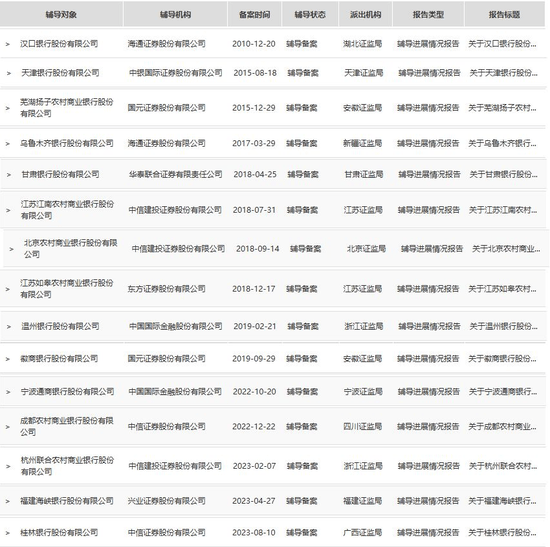
全球知名投资机构BlackRock在京东持股5.2%,拥有1.7%的投票权。值得注意的是,沃尔玛曾在京东占有重要地位,但已在2024年清仓所持京东股权,通 过每股24.95美元的价格出售约1.445亿股,套现约36亿美元。 沃尔玛表示,此次出售将使其能够更加专注于在中国的发展,尤其是山姆会员商店和大卖场业务,并将资金用于其他优先事项。这一举动标志着双方长达 八年的战略合作关系正式结束。 京东集团近年来发展稳健,不仅保持了商城业务的持续增长,还在多个领域进行了深度布局。京东健康、达达、京东工业和京东物流等子公司分别由京东 集团控股67%、64%、77%和63%。这些子公司的快速发展进一步巩固了京东在各自领域的市场地位。 近日,京东集团向美国证券交易委员会(SEC)及香港联合交易所递交了其2024年度的财务报告,详细披露了股权结构及财务状况。截至2025年2月底, 京东集团总股本达到29.06亿股。 | | Class A | | | % of Total | | | --- | --- | --- | --- | --- | --- | | | Ordinary | Class B Ordinary | Tot ...