
航天医学实验

Search documents
太空菜园丰收、开展应急演练……神二十乘组“解锁”多项新体验
Yang Shi Wang· 2025-09-14 09:58
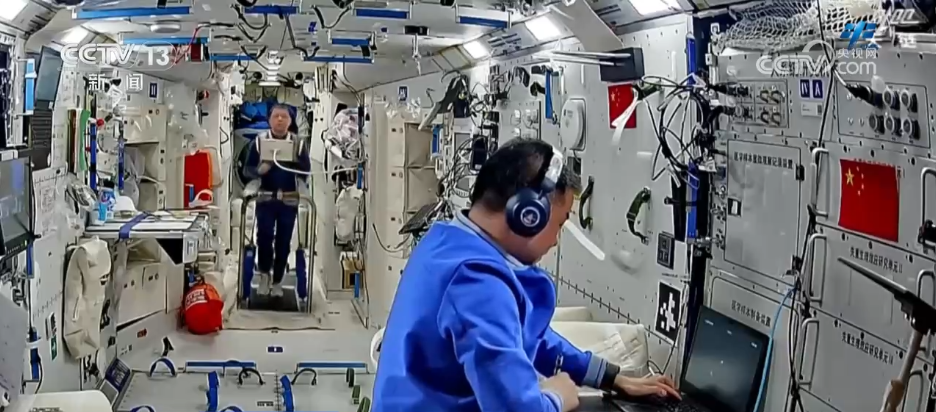
Group 1 - The Shenzhou-20 crew has successfully conducted various space science experiments, unlocking new experiences in the process [1] - In the field of space medicine, astronauts completed multiple experimental tests using laptops and related software, focusing on fine motor control and metacognitive monitoring [3] - The upgraded space vegetable garden has yielded a successful harvest of lettuce, with the crew completing collection and storage work [5] Group 2 - In the field of microgravity physical science, the crew performed several experiments, including the replacement of combustion cabinet components and conducting pressure emergency drills [7] - Regular maintenance of station equipment is crucial for health assurance, with the crew conducting inspections and maintenance on low-temperature storage devices [11] - Health maintenance activities included exercise testing and the use of neuromuscular stimulators to combat muscle atrophy [13]

神二十乘组工作日志“上新” 多领域空间科学实(试)验进展顺利
Yang Shi Wang· 2025-09-07 10:49
Core Insights - The Shenzhou-20 astronaut crew is making steady progress in various space science experiments within the national space laboratory [1] Group 1: Space Science Experiments - The crew is conducting multiple projects in the field of space medicine, including studies on visual fields and executive function training [3] - Experiments related to microgravity's impact on cognitive relationships and the dynamics of astronaut trust in AI assistants are being carried out [3] - The crew performed vascular ultrasound examinations to explore blood flow patterns in a microgravity environment [5] Group 2: Equipment Maintenance and Health Assurance - Routine maintenance tasks such as checking the regenerative life support system and environmental monitoring have been completed [6] - The crew is actively engaged in health maintenance activities, including quality measurements and hearing tests, as well as physical exercise to counteract the physiological effects of microgravity [8] Group 3: Human Factors Research - The crew is conducting in-orbit tests on the changes in operational force under typical long-duration postures, analyzing differences in push-pull and rotational forces [7] - Preparations for future experiments in space life sciences are underway, including the installation and testing of a universal biological culture module [7]
“小航”再上线→材料“小熔炉”刷新纪录…… | 神二十乘组工作周记亮点多
Yang Shi Wang· 2025-08-31 07:13
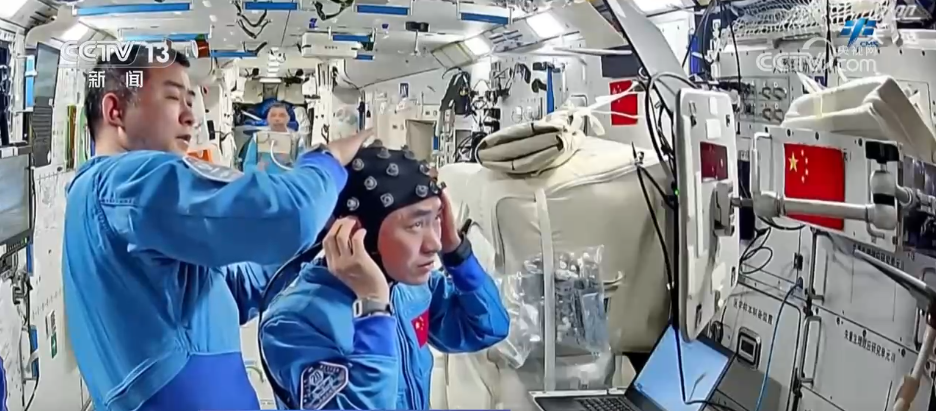
Core Insights - The Shenzhou-20 crew, consisting of astronauts Chen Dong, Chen Zhongrui, and Wang Jie, has been in space for over 120 days, focusing on various in-orbit experiments and research activities [1] Group 1: In-Orbit Experiments - The crew is conducting ongoing research on astronaut psychology and behavior, including emotional evaluation technology and emergency decision-making capability assessments, to understand changes in emotional states and decision-making over long durations in space [1] - In the field of space medicine, astronauts are utilizing laptops and testing software to perform experiments on fine motor control, trust, and collaboration mechanisms, with data aiding ground researchers [1] - The collaboration with flying robots continues, with the "Xiao Hang" robot working alongside the astronauts to explore efficient human-robot cooperation methods [3] Group 2: Material Science and Technology - In microgravity physics, the crew has conducted experiments involving high-temperature materials, including changing samples in the high-temperature materials experiment cabinet and maintaining equipment, achieving a new record of over 3100 degrees Celsius for material science experiments in space [5] - In the field of new technologies and applications, astronauts are replacing reactors in extraterrestrial artificial photosynthesis technology experiments, having successfully completed multiple key technology verifications and gathered significant data on physical and chemical reactions in microgravity [7] Group 3: Health and Maintenance - The crew has performed maintenance on life support systems and conducted tests on the -80°C space refrigerator, ensuring the operational integrity of onboard systems [8] - Regular health checks, including eye pressure and bone density tests, have been conducted to monitor the astronauts' health status during their mission [9]
期待全新飞天舱外服“首秀” 神二十乘组即将第三次出舱
Yang Shi Xin Wen Ke Hu Duan· 2025-08-15 02:01
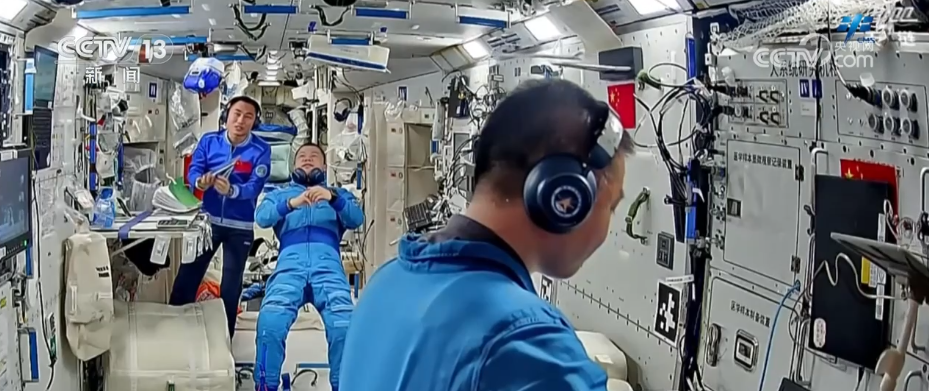
Core Points - The Shenzhou-20 astronaut crew, consisting of Chen Dong, Chen Zhongrui, and Wang Jie, is set to conduct their third extravehicular activity (EVA) soon after nearly five months in space [1] - The crew has successfully completed two EVAs, setting records for the shortest interval between entering the Chinese space station and the first EVA [3] - Chen Dong has become the first astronaut to complete EVAs from both the Wentian and Tianhe modules [5] Summary by Sections Extravehicular Activities - The first EVA was completed on May 22, marking a significant achievement shortly after the crew's arrival at the space station [1] - The second EVA was successfully conducted on June 26, marking the reopening of the node module's airlock after over three years [7] Tasks Accomplished - During the recent EVA, the crew installed the seventh space debris protection device, conducted inspections, and received supplies from the Tianzhou-9 cargo spacecraft, which delivered approximately 6.5 tons of materials [9] - The crew also managed the unpacking and maintenance of two new extravehicular suits, enhancing their operational capabilities [11] New Equipment and Experiments - The new extravehicular suits have a design life increased from three years and 15 missions to four years and 20 missions, indicating advancements in technology [12] - New experiments in plant cultivation and various aerospace medical studies are underway, alongside the operation of an intelligent flying robot named "Xiaohang" for collaborative experiments [14]
130秒解锁神二十乘组“太空出差之旅”新亮点
Yang Shi Wang· 2025-08-11 05:29
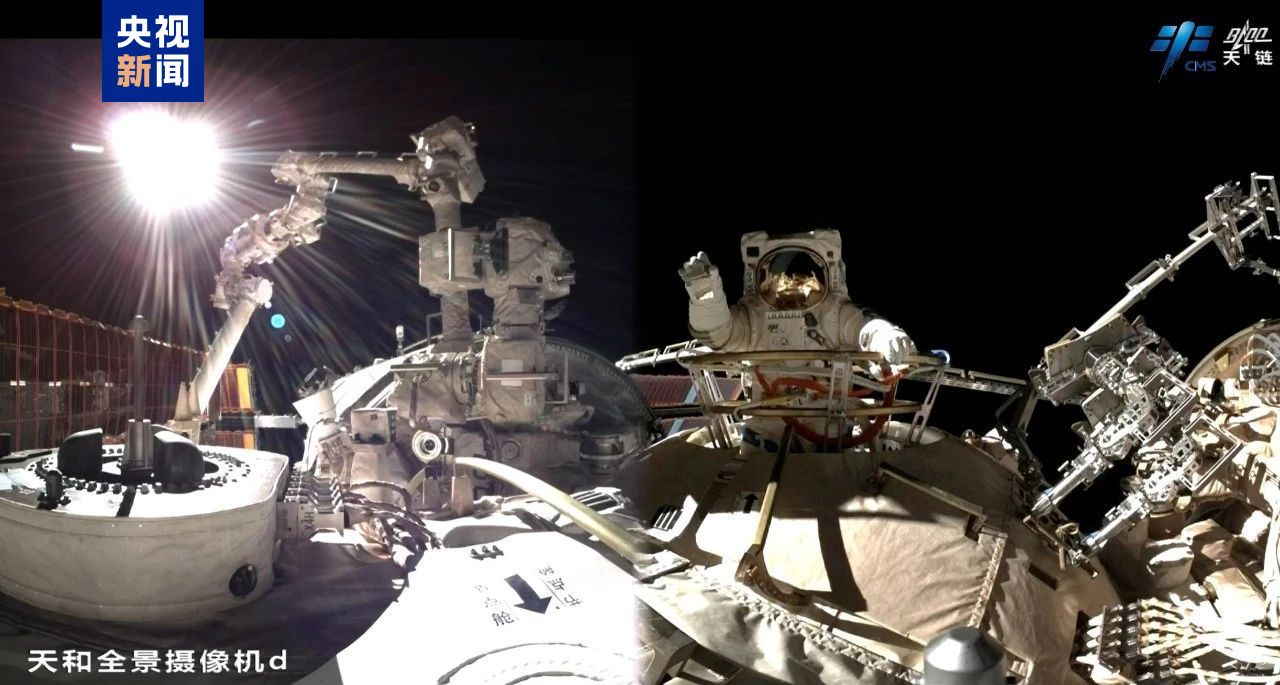
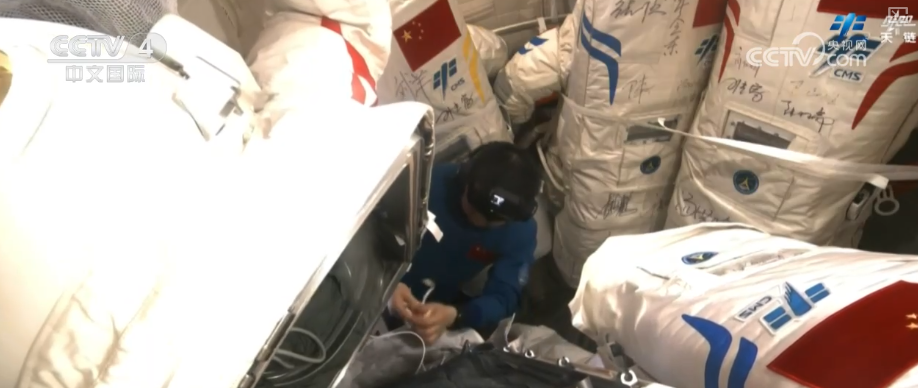
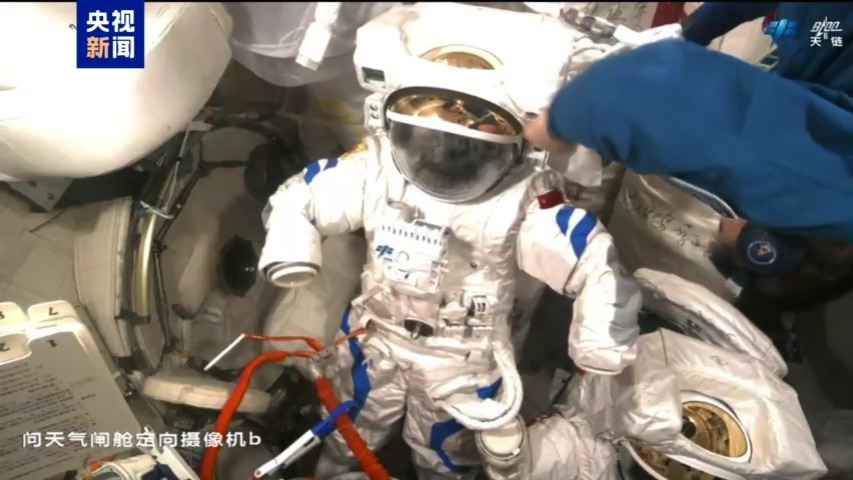
Core Insights - The Shenzhou-20 mission, involving astronauts Chen Dong, Chen Zhongrui, and Wang Jie, is currently ongoing with various scientific and technical activities being conducted in space [1] Group 1: Space Mission Activities - The crew completed the unpacking, transfer, and performance checks of extravehicular spacesuits D and E delivered by the Tianzhou-9 cargo spacecraft [3] - The astronauts are conducting research on the effects of the space environment on the human blood-brain barrier and brain function using organ-on-a-chip technology, which aims to provide health risk predictions and interventions for long-term space missions [6] - In the field of aerospace medicine, the crew has completed multiple studies related to bone metabolism and the interaction of gut microbiota with nutritional metabolism [9] Group 2: Microbial Control and New Technologies - Ongoing experiments are being conducted on microbial control technologies for extraterrestrial habitation modules, where astronauts assess the effectiveness of disinfection by comparing microbial counts before and after treatment [12] - The crew is testing a mixed reality training device, allowing astronauts to interact with the system using voice or gesture commands while wearing portable mixed reality glasses [15] - Health maintenance activities include measurements of bone density, muscle dimensions, maximum isometric strength, and hearing tests, along with exercises to mitigate the effects of weightlessness [15]
神二十乘组“太空出差之旅”工作Vlog更新 一起看看上周他们干了啥?
Yang Shi Wang· 2025-08-10 04:16
Core Insights - The Shenzhou-20 mission continues with astronauts Chen Dong, Chen Zhongrui, and Wang Jie engaged in various tasks aboard the space station [1] Group 1: Extravehicular Activities - The new extravehicular spacesuits D and E were unpacked, transported, and inspected for functionality [2] Group 2: Life Sciences and Biotechnology Experiments - Research on the impact of space environment on the human blood-brain barrier using organ-on-a-chip technology was conducted, aiming to provide health risk predictions for long-term space missions [4] - Experiments related to bone metabolism and microbial interactions with nutrition were completed, including the use of a Raman spectrometer to analyze urine samples [6] Group 3: Space Technology and Applications - Microbial control technology tests were performed in the extraterrestrial habitat, assessing the effectiveness of disinfection methods [8] - Installation of the core technology verification project for advanced material energy conversion and regeneration systems was completed [10] Group 4: Microgravity Physics - Tasks related to combustion science experiments were carried out, including the replacement of experimental burner components [12] Group 5: Training and Health Maintenance - A mixed reality training device was tested, allowing astronauts to interact smoothly using voice and gesture commands [13] - Health maintenance activities included measurements of bone density, muscle dimensions, and strength tests, along with exercises to counteract weightlessness [15]
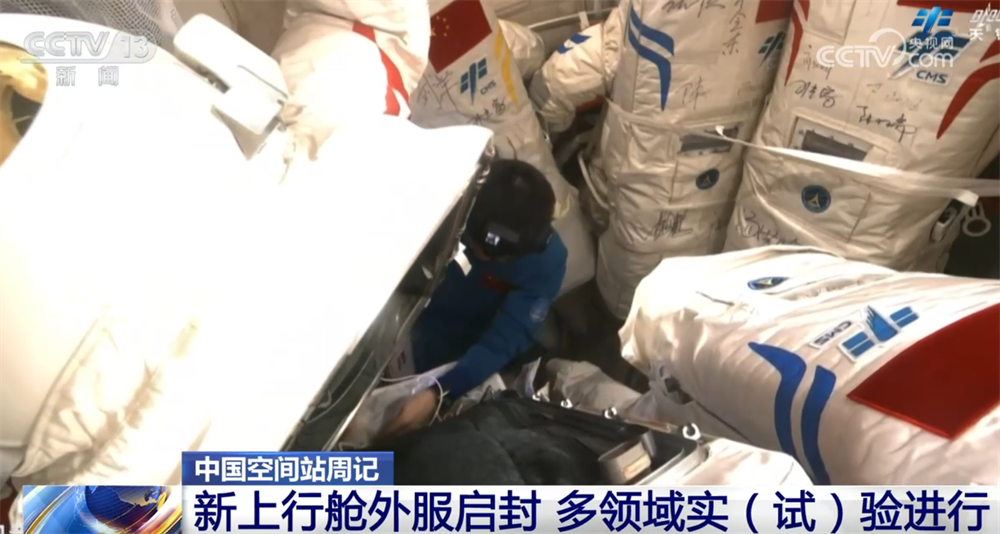
天宫周记丨新舱外服启封、互采咽拭子 航天员“太空出差”可太充实了
Yang Shi Xin Wen· 2025-08-10 02:15
Core Insights - The Shenzhou-20 crew, consisting of three astronauts, is actively engaged in various tasks aboard the Chinese space station, showcasing significant advancements in space research and technology [1][2]. Group 1: Space Suit and Equipment - The crew completed the unpacking, transfer, and functional checks of the new extravehicular space suits D and E, which are expected to debut in space soon [2]. - Installation and testing of a -80℃ space refrigerator in the Wentian laboratory module were also completed [15]. Group 2: Life Sciences and Health Research - Research on the impact of space environment on the human blood-brain barrier using organ-on-chip technology is underway, aiming to provide health risk predictions for long-term space missions [2]. - The crew conducted various studies in space medicine, including bone metabolism and microbiome-nutrition interactions, utilizing a Raman spectrometer to analyze metabolic components in urine samples [5][18]. Group 3: Microbial Control and Environmental Studies - Ongoing experiments focus on microbial control technologies in extraterrestrial habitats, with bacteria detection tests performed before and after disinfection to evaluate effectiveness [8]. - The crew is also studying the effects of respiratory tract microorganisms on respiratory health by collecting and preserving throat swabs for later analysis [9]. Group 4: Physical Science and Technology Development - The crew replaced components in combustion science experiments and installed equipment for the core technology verification project related to integrated microbial fuel cells for wastewater purification and energy utilization in space [11][12]. - A mixed reality training device was tested, allowing astronauts to interact with the system using voice and gesture commands [13][16].
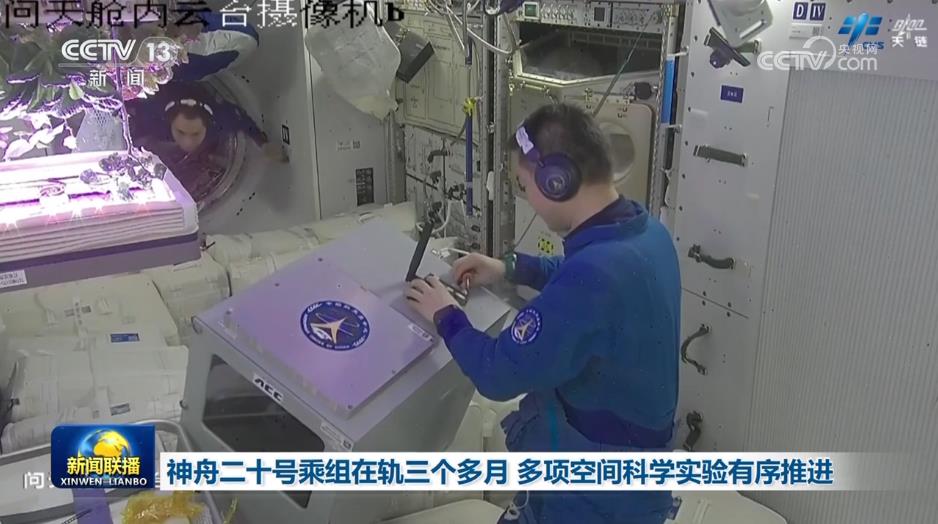
神舟二十号乘组在轨三个多月 多项空间科学实验有序推进
Yang Shi Wang· 2025-08-03 12:20
Core Insights - The Shenzhou-20 crew, consisting of Chen Dong, Chen Zhongrui, and Wang Jie, has been in orbit for over three months, successfully conducting various space science experiments [1][3] Group 1: Space Experiments - The crew is installing a new plant cultivation technology experiment device in the Wentian laboratory module, initiating a new round of plant growth experiments [3] - Wang Jie is conducting cell biology experiments related to the effects of long-term spaceflight on astronaut health and public health issues on Earth [3] - Ongoing research in aerospace medicine includes studies on bone metabolism and integrated omics [3] Group 2: Robotics and Collaboration - The onboard intelligent flight robot "Xiaohang" is actively participating in experiments, exploring efficient human-robot collaboration methods [3] Group 3: Physical Science and Equipment - The crew has completed the assembly and disassembly of experimental modules related to two-phase systems and online maintenance operations in the microgravity physical science domain [3] - The core muscle exercise device, sent with the Tianzhou-9 cargo spacecraft, has been installed in the Wentian laboratory module, allowing astronauts to perform resistance training to improve their adaptation to gravity upon return [5] - Overall, the space station's operational status is reported to be good, with station management tasks being carried out in an orderly manner [5]
“送货量”创新高、鲜桃首次上天、舱外服上新——天舟九号货运飞船发射任务看点详解
Xin Hua She· 2025-07-15 09:59
Key Points - The core viewpoint of the article highlights the successful launch of the Tianzhou-9 cargo spacecraft, marking a significant advancement in China's space station supply missions, with increased cargo capacity and new equipment for astronauts [1][2]. Group 1: Cargo Capacity and Supplies - The Tianzhou-9 cargo spacecraft delivered approximately 6.5 tons of supplies, making it the heaviest cargo spacecraft in China's space station development phase, surpassing Tianzhou-8 by about 500 kilograms [1]. - The total weight of the space application system supplies sent by Tianzhou-9 reached 776.5 kilograms, including experimental payloads and essential supplies for scientific experiments [2]. - The mission included new supplies for astronauts, such as two sets of next-generation space suits and over 190 types of space food, enhancing the astronauts' living conditions in space [2][3]. Group 2: Technological Advancements - The new generation of space suits has an improved lifespan, increasing from "3 years and 15 times" to "4 years and 20 times" for in-orbit use [2]. - The Tianzhou-9 mission successfully implemented a new docking method that allows for a 3-hour autonomous docking process, improving efficiency and reliability compared to previous methods [4][5]. - The mission also included advanced exercise equipment designed to prevent muscle atrophy in astronauts, allowing for a more comprehensive approach to maintaining astronaut health during long missions [4][5]. Group 3: Scientific Research and Experiments - The Tianzhou-9 mission carried 23 scientific experiments across various fields, including space life sciences and material sciences, involving collaboration from multiple research institutes and universities [5][6]. - Notable experiments include studying the effects of microgravity on muscle atrophy and the impact of space conditions on brain function, which could provide insights for long-term space missions [6]. - The mission also aimed to accelerate the research and clinical application of nucleic acid drugs for chronic diseases by utilizing the unique conditions of space [6].
到太空寻找“抗衰密码” 空间站细胞学家族再添“新成员”
news flash· 2025-07-15 03:33
Core Viewpoint - The successful docking of the Tianzhou-9 cargo spacecraft with the Tianhe core module of the space station marks a significant achievement in China's space exploration efforts, particularly in the field of space medicine and cell biology research [1] Group 1: Space Mission Details - The Tianzhou-9 cargo spacecraft completed its status setup and successfully docked at 8:52 AM Beijing time on July 15, 2025 [1] - This mission is part of China's ongoing efforts to advance its space station program and conduct scientific experiments in space [1] Group 2: Cell Biology Research - The mission includes three new cell biology experiment samples aimed at studying various aspects of cell biology in a microgravity environment [1] - Cell biology has been a crucial component of China's space medicine experiments, highlighting the importance of understanding biological processes in space [1]