
通感一体

Search documents
5G-A再传新消息!比5G快10倍,加个“A”还有哪些不一样,想体验需要满足什么条件吗?速看......
Mei Ri Jing Ji Xin Wen· 2025-07-31 04:33
Core Insights - The National Internet Information Office released the "National Information Development Report (2024)", highlighting the successful development and testing of 5G-Advanced (5G-A) technology, with over 300 cities expected to achieve 5G-A network coverage by the end of 2024 [1][9]. Group 1: 5G-A Technology Overview - 5G-A, also known as 5.5G, is an upgraded version of traditional 5G, with a lifecycle of approximately 10 years between generations [3]. - The maximum data download speed of 5G-A is expected to increase from 1 Gbps to 10 Gbps, while upload speeds will rise from 100 Mbps to 1 Gbps, significantly reducing download times for large files [4]. - 5G-A supports millisecond-level latency and centimeter-level positioning accuracy, enhancing real-time communication and applications in fields like remote surgery and industrial automation [4]. Group 2: Market Implementation and Expansion - China Mobile has launched 7,000 5G-A base stations in Beijing, covering key areas within the Sixth Ring Road [10]. - Major telecom operators are actively investing in 5G-A, with China Mobile planning to invest nearly 10 billion yuan to expand AI applications in wireless networks and upgrade over 400,000 base stations [11]. - China Telecom and China Unicom are also focusing on deploying 5G-A across multiple industries and key urban areas, enhancing applications in IoT, automotive networks, and industrial internet [11]. Group 3: Impact on Industries - 5G-A is expected to drive automation and efficiency improvements in traditional industries, enabling smarter equipment connectivity and data transmission [11]. - The technology's capabilities will facilitate real-time data sharing across supply chain processes, optimizing inventory management and logistics [11]. - Experts suggest that 5G-A will evolve from a communication tool to a productivity engine, supporting future industries like artificial intelligence and brain-computer interfaces [12][14].

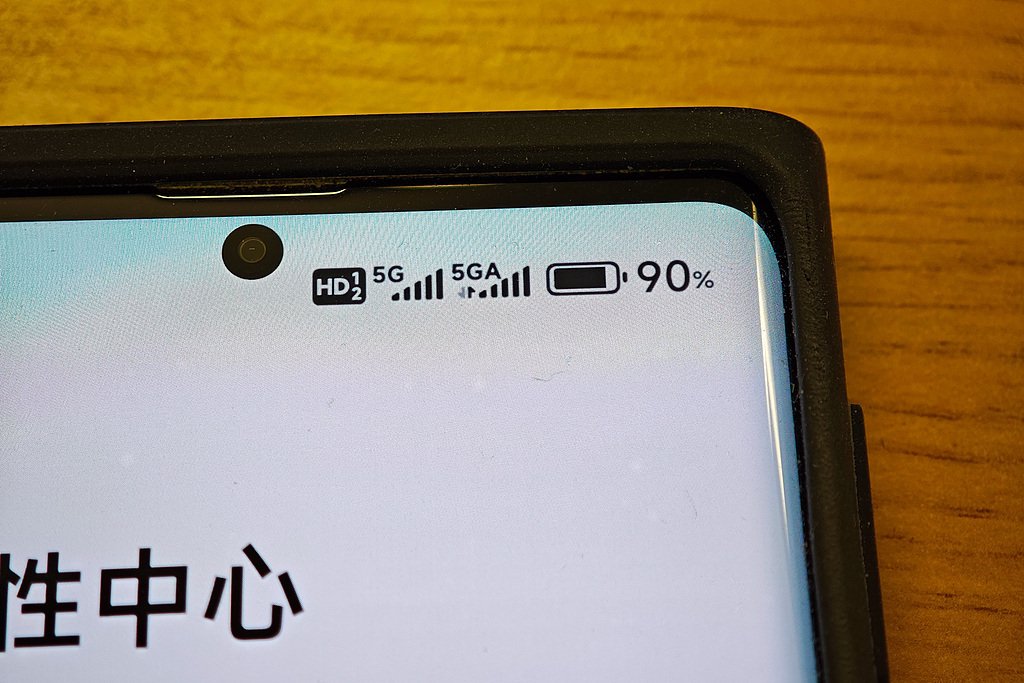
5G-A再传新消息,加个“A”真的不一样
Yang Shi Xin Wen Ke Hu Duan· 2025-07-31 01:56
Core Insights - The National Internet Information Office released the "National Information Development Report (2024)", highlighting the successful development and testing of 5G-A technology, with over 300 cities in China expected to have 5G-A network coverage by the end of 2024 [1] Group 1: Key Features of 5G-A - 5G-A, also known as 5.5G, offers a tenfold increase in speed compared to 5G, with maximum data download rates rising from gigabits to tens of gigabits, and upload speeds increasing from hundreds of megabits to gigabits [1] - 5G-A supports millisecond-level latency, enabling centimeter-level positioning accuracy, which is a significant improvement over the meter-level accuracy of initial 5G, making it suitable for real-time communication and low-latency applications [2] - 5G-A can connect more devices simultaneously, providing stable connections in crowded environments and supporting the development of IoT and smart city initiatives [3] Group 2: Accessibility and User Experience - Users can experience 5G-A with existing mainstream devices as long as local base stations support it, and there are no additional charges for accessing the faster network [4] - The deployment of 5G-A testing networks by operators across 31 provinces in China is expected to support up to 50 million users [6] Group 3: Applications and Future Prospects - 5G-A features three unique capabilities: integrated communication and sensing, intelligent uplink, and a unified approach to sensing, which have broad applications in emerging fields like low-altitude economy and autonomous driving [7] - The "integrated sensing" capability can enhance vehicle perception for real-time traffic management and improve smart home devices' ability to recognize household activities, contributing to urban public management through environmental monitoring [9] - As 5G-A technology matures, it is expected to support advanced platforms for spatial computing and brain-computer interfaces [9]
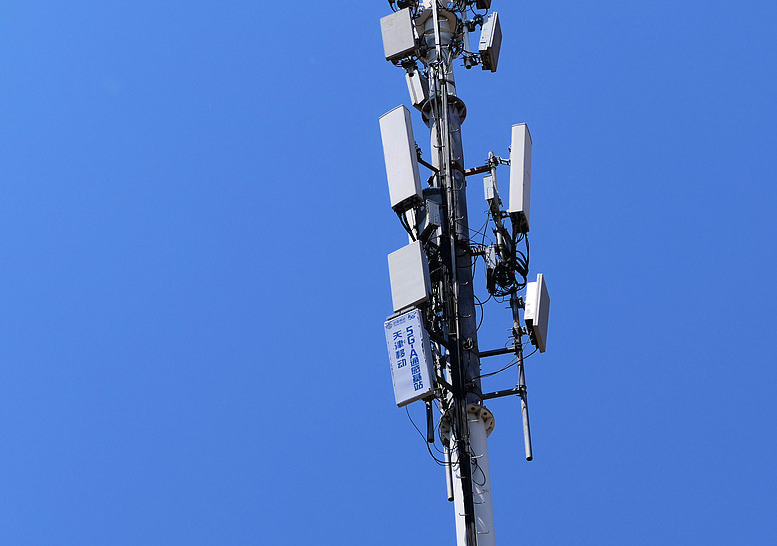
中国工程院院士、北京邮电大学教授张平:6G将开启“内生智能”新纪元
Huan Qiu Wang Zi Xun· 2025-06-18 23:06
Core Viewpoint - The 2025 World Mobile Communication Conference highlights the global focus on 6G development, particularly in the context of advancements in 4G and 5G technologies in China [1] Group 1: 6G Development and Global Competition - Many countries are accelerating their 6G development efforts, viewing it as a strategic priority in the new technological revolution [2] - The 3GPP organization is leading the standardization efforts for 6G, with significant contributions from the US, Europe, South Korea, and Japan [2] - China plans to initiate its 6G technology standard research in June 2025, with a completion target for the first version of technical specifications by March 2029 [2] Group 2: Key Innovations in 6G - 6G is expected to bring three key transformations: integrated sensing and communication, intrinsic intelligence, and expanded communication objects [3] - The concept of "human-machine-object-spirit" will be introduced in 6G, where "spirit" refers to intelligent agents capable of autonomous learning and decision-making [3] Group 3: Semantic Communication as a Breakthrough - China has developed the world's first intrinsic intelligent communication system aimed at 6G, known as semantic communication, which is considered a pivotal technology for 6G [4] - Semantic communication enhances efficiency without relying on unlimited bandwidth, achieving 6G-level performance using existing technologies [4] - The first international field test network for 6G communication and intelligence integration has been established, demonstrating significant performance improvements [4] Group 4: Future Communication Paradigms - The future of communication is shifting from "send then compute" to "compute then send" or "compute while sending," emphasizing the need for machines to express intentions accurately [5] - 6G aims to support a comprehensive AI system, creating a feedback loop similar to human sensory and neural systems, thereby enhancing interaction between the physical and digital worlds [5][6] Group 5: China's Position in Global 6G Development - China has made significant progress in 6G technology research and international standardization, contributing to global advancements [7] - The consensus in the ongoing standardization efforts is that future mobile communication systems must be built on intrinsic intelligence rather than external intelligence [7] - Continuous innovation and the development of unique applications, such as semantic communication, are essential for China's competitive edge in 6G [7]
对话卓胜微CTO唐壮:射频前端正处于快速变化中,对泛模拟公司而言晶圆工厂是技术底座
Mei Ri Jing Ji Xin Wen· 2025-05-22 05:40
Core Viewpoint - The company, ZTE Microelectronics, is positioning itself as a leader in the domestic RF front-end chip industry by investing heavily in its own wafer fabrication plant, which is seen as a critical technological foundation for future growth [1][2]. Group 1: Investment in Wafer Fabrication - The establishment of a wafer fabrication plant is crucial for the RF front-end industry, as major international players like Skyworks and Qorvo own their own facilities, while most domestic firms operate on a fabless model [2]. - The trend towards modularization in the RF front-end industry increases the barriers to entry, as higher integration levels are required for RF module products [2][3]. - The company believes that the fabless model is inefficient for RF front-end due to the non-standardized processes involved, making in-house fabrication essential for maintaining competitive advantage [2]. Group 2: Market Changes and Technological Evolution - The company has identified significant market changes, such as the transition from 3G to 4G and then to 5G, as key drivers for its rapid growth [3]. - Current technological advancements necessitate new application forms that traditional RF front-end definitions cannot accommodate, leading to a need for innovative manufacturing resources [3]. Group 3: Patent Dispute with Murata - The company is currently involved in a patent dispute with Japan's Murata, with five patents in question, primarily related to structural and parameter aspects that do not affect the core architecture of its products [4][5]. - The company has initiated a strategy to counter the patent claims and has previously filed for the invalidation of a Murata patent, which was deemed non-innovative by the National Intellectual Property Administration [5]. - The company emphasizes its commitment to fair competition and robust intellectual property management, investing significant resources in legal partnerships to safeguard its innovations [6].

5G从普惠性连接走向精准化赋能
Jing Ji Ri Bao· 2025-05-15 22:11
Core Viewpoint - The emergence of 5G-A, also known as 5.5G, represents an upgrade from 5G and serves as a transitional phase towards 6G, with both technologies expected to coexist for a significant period, each playing vital roles in various applications and scenarios [1][2]. Group 1: Technological Advancements - 5G-A offers substantial improvements over 5G, including a tenfold increase in speed, connection density, positioning accuracy, and energy efficiency [1]. - The technology supports new capabilities such as integrated sensing and communication, passive IoT, and endogenous intelligence, enhancing its applicability across diverse scenarios [1][2]. Group 2: Market Dynamics - The development of 5G-A is a response to the growing demands for communication networks in emerging fields like smart transportation and manufacturing, as existing 5G networks struggle to meet these needs [2]. - The introduction of 5G-A aims to address the slowdown in 5G growth and the challenges in acquiring new users, as the market has reached a saturation point in 5G adoption [2]. Group 3: Complementary Relationship - 5G and 5G-A are not in a simple replacement relationship; instead, they complement each other, with 5G-A optimizing and upgrading the existing 5G infrastructure without disrupting its architecture [2][3]. - The coexistence of both technologies fosters a more robust communication ecosystem, enhancing the overall industry landscape and driving innovation [3]. Group 4: User Adoption and Industry Impact - As of now, there are approximately 1.068 billion 5G mobile phone users in China, indicating widespread acceptance of 5G technology [3]. - 5G continues to support essential applications such as mobile payments and social networking, while 5G-A provides additional capabilities for more demanding applications, allowing users to choose the appropriate network based on their needs [3].
5G信号多个A带来哪些改变?
Xin Hua She· 2025-05-09 03:37
Core Viewpoint - The introduction of 5G-Advanced (5G-A), also known as 5.5G, represents a significant upgrade from traditional 5G, enhancing various aspects such as speed, latency, and connectivity, thereby expanding its application scenarios beyond mere communication [1][2]. Group 1: Technical Enhancements - 5G-A offers a maximum data download speed increase from 1 Gbps in early 5G to 10 Gbps, while the upload peak rate rises from 100 Mbps to 1 Gbps, allowing for rapid downloads of large files [2]. - The latency is significantly reduced to millisecond levels, making it suitable for real-time communication applications like online gaming and video conferencing, as well as critical applications such as remote surgeries and industrial automation [2]. - 5G-A supports a larger number of devices simultaneously, ensuring stable connections in crowded environments, which is essential for the development of IoT and smart city initiatives [2]. Group 2: New Application Scenarios - 5G-A introduces capabilities in three main areas: "integrated communication and sensing," which enhances real-time environmental awareness and data capture, facilitating applications in smart vehicles and home automation [3]. - The "integrated communication and sensing" feature allows for improved traffic management and environmental monitoring, contributing to urban public management and smart infrastructure [3]. - 5G-A is evolving from a communication tool to a productivity engine, aligning with advancements in artificial intelligence, IoT, high-end manufacturing, and low-altitude economy [3]. Group 3: Deployment and Accessibility - Chinese operators have deployed 5G-A testing networks across 31 provinces, with the capacity to support 50 million users [4]. - The Ministry of Industry and Information Technology emphasizes the importance of advancing key technologies like 5G-A and 6G, aiming to accelerate the establishment of a new information infrastructure standard system [4].