Pricing power

Search documents
Pricing & Ad Momentum Lift Netflix's Q4 View: Is Upside Sustainable?
ZACKS· 2025-10-22 18:11
Core Insights - Netflix's latest results highlight the impact of pricing power and advertising momentum on its growth trajectory, with a 17% year-over-year revenue increase in Q3 and a forecasted 16.7% rise in Q4 2025 revenues to $11.9 billion, driven by higher memberships, price adjustments, and ad sales [1][9] Revenue Growth - Full-year revenues for 2025 are projected at $45.1 billion, indicating a 16% year-over-year increase, supported by robust demand [9] - Advertising has emerged as a significant growth engine, with Netflix achieving its best ad-sales quarter ever, and U.S. upfront commitments more than doubling [2] Advertising Strategy - Management aims to double ad revenues in 2025, leveraging the expanding ad-supported tier and the integration of Netflix Ads Suite and Yahoo DSP for improved targeting and measurement [2] - The dual strategy of affordable ad-supported options alongside premium user monetization is driving revenue growth [3] Pricing Strategy - Strategic price hikes in key markets, such as the U.S. and Canada, have increased average revenue per user (ARPU) and raised the operating margin to approximately 28% [3] - Current subscription plans range from $7.99 to $24.99, enhancing profitability [3] Content Pipeline - A strong content slate is anticipated to maintain user engagement, with notable releases in Q4 2025 including the final season of "Stranger Things" and live events [4] - The Zacks Consensus Estimate predicts revenue growth of 15.6% and 12.9% for 2025 and 2026, respectively [4] Competitive Landscape - Disney is enhancing its ad monetization and pricing flexibility through its AdTech stack across platforms, although it faces challenges with stagnant ARPU around $8 [5] - Amazon is leveraging its Prime Video and retail data to create a powerful advertising ecosystem, with projected retail media sales exceeding $60 billion in 2025 [6] Stock Performance and Valuation - Netflix shares have increased by 32% year-to-date, slightly underperforming the Zacks Broadcast Radio and Television industry, which rose by 33% [7] - The company is currently trading at a forward price-to-earnings ratio of 39.95, which is higher than the industry average of 31.05 [10] - The consensus estimate for 2025 earnings is $26.10 per share, reflecting a 31.62% increase from the previous year [13]


Adobe Stock Pricing Powerhouse Now 38% Cheaper, Buy?
Forbes· 2025-10-21 11:55
Core Insights - Adobe (ADBE) stock is highlighted for its monopoly-like high margins available at a discounted price, making it an attractive investment opportunity [2] - The company benefits from strong pricing power and high margins, leading to consistent and predictable profits and cash flows, which reduces risk and supports capital reinvestment [3] Financial Performance - Adobe experienced a revenue growth of 10.7% over the last twelve months (LTM) and an average growth of 10.5% over the past three years [7] - The company reported an operating cash flow margin of approximately 42.2% and an operating margin of 36.2% for LTM, with long-term averages of about 39.0% and 35.4% respectively [7] - ADBE stock is currently offered at a price-to-sales (P/S) multiple of 6.3, representing a 38% discount compared to the previous year [7] Market Context - Adobe's diversified software solutions cater to various sectors, including Digital Media, Digital Experience, and Publishing & Advertising, enhancing its market position [3] - The stock selection criterion includes companies with a market cap over $10 billion, focusing on those with high cash flow margins and significant valuation decreases over the past year [6]


A Pricing Powerhouse, Now 30% Cheaper: Is Eli Lilly Stock A Buy?
Forbes· 2025-10-09 14:15
Core Insights - Eli Lilly (LLY) stock is highlighted for its monopoly-like high margins and reduced pricing, making it an attractive investment opportunity [2] - The company has demonstrated strong revenue growth and profitability, with a focus on innovative pharmaceuticals for various conditions [3][6] Financial Performance - Revenue growth for Eli Lilly was 36.8% over the last twelve months (LTM) and averaged 23.4% over the past three years [6] - Recent profitability metrics include an operating cash flow margin of approximately 20.5% and an operating margin of 43.0% LTM [6] - Long-term profitability averages show an operating cash flow margin of roughly 17.8% and an operating margin of 35.6% over the last three years [6] Valuation - Eli Lilly stock is currently available at a price-to-sales (P/S) multiple of 14.3, representing a 30% discount compared to one year ago [6] Market Trends - The stock selection strategy focuses on companies with a market cap greater than $10 billion, eliminating those with low cash flow from operations and operating margins, while also considering stocks that have significantly decreased in valuation over the past year [5] - The average 12-month forward returns for selected stocks are nearly 19%, with a win rate of around 72% for positive returns [7]

Carnival Shares Drop Despite Record Earnings And Upbeat Outlook
Financial Modeling Prep· 2025-09-29 20:04
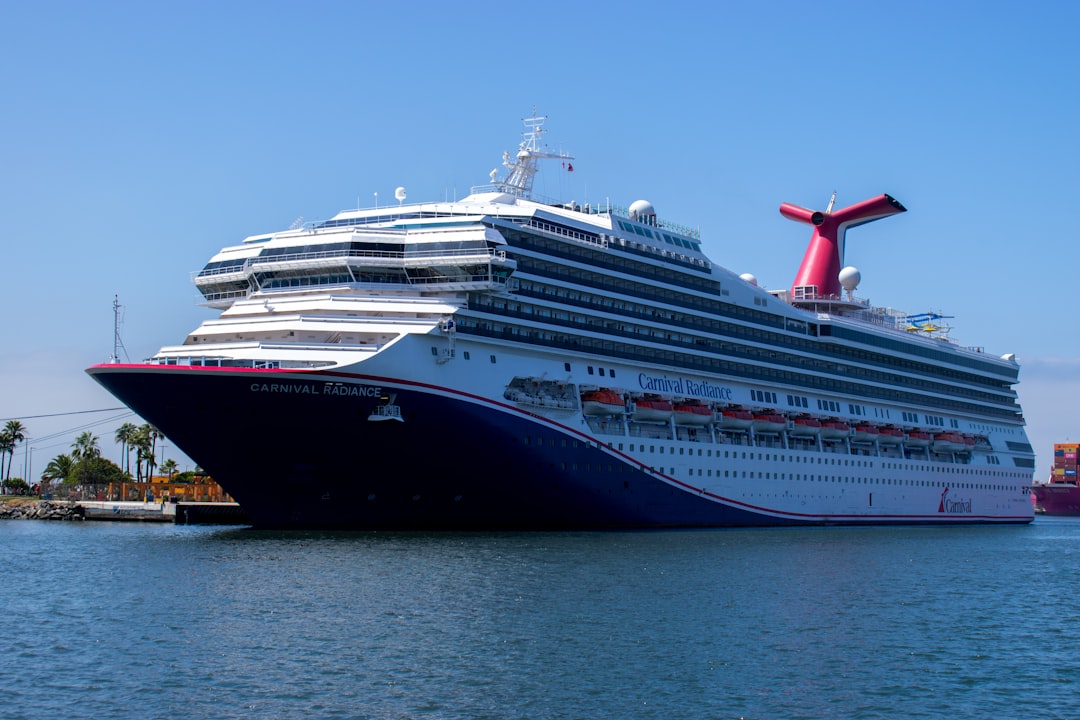
Core Viewpoint - Carnival Corporation reported record third-quarter earnings and raised its full-year outlook, driven by strong travel demand and higher pricing, despite a more than 5% drop in shares on the same day [1]. Financial Performance - The company achieved adjusted earnings of $1.43 per share, exceeding Wall Street's forecast of $1.32 [1]. - Revenue reached an all-time high of $8.2 billion, surpassing estimates of $8.09 billion, marking the tenth consecutive quarter of record sales [1]. - Carnival reported record net income of $1.9 billion and adjusted net income of $2.0 billion, with gross margin yields improving by 6.4% year-over-year [2]. - Adjusted return on invested capital increased to 13%, the highest level in nearly two decades [2]. Future Outlook - Carnival raised its full-year 2025 guidance for the third time this year, projecting adjusted net income to rise nearly 55% compared to 2024, which is $235 million above its previous outlook [3]. - For the fourth quarter, the company forecasts net yields to increase by approximately 4.3% in constant currency from record 2024 levels [3].

United Air CEO on Travel Demand, Pricing and Newark
Youtube· 2025-09-16 20:54
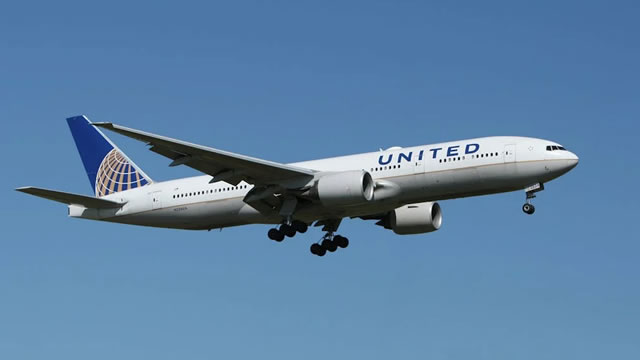
Core Insights - The economy is showing signs of recovery, particularly in consumer demand, with a notable improvement starting in July and August, leading into the holiday season [3][5][12] - The airline industry is experiencing a shift towards premium offerings due to increased supply and demand dynamics, with a focus on providing more choices for consumers [6][8][9] - United Airlines has made significant investments in its operations and customer experience, which has contributed to its competitive advantage and market share gains [25][36][37] Group 1: Economic Recovery - The first half of the year indicated a near-recession, but the second half shows a reacceleration in demand, particularly in consumer spending [1][3] - Economic statistics are often backward-looking, while real-time indicators suggest a stronger economy than many anticipate [4][5] - Corporate travel began to recover post-Labor Day, indicating a positive sentiment among both consumers and businesses [5][12] Group 2: Airline Industry Dynamics - The airline industry is seeing a shift towards premium services, driven by increased supply and consumer preferences [6][8] - Pricing power is returning as demand rises, with air travel prices having decreased significantly in real terms over the past 30 years [11][12] - The pricing environment is expected to align with inflation, indicating a potential for continued price increases in the future [13][14] Group 3: United Airlines' Strategy - United Airlines has focused on long-term investments, including significant aircraft orders during the pandemic, which have positioned the company favorably for future growth [35][36] - The company is actively improving customer experience through investments in technology and employee training, which enhances overall service quality [16][17] - United Airlines is gaining market share, particularly in its hub regions, as it continues to invest in customer-focused initiatives [25][27][28]

Allegion Plc (ALLE) Presents At Morgan Stanley's 13th Annual Laguna Conference (Transcript)
Seeking Alpha· 2025-09-10 23:50
Group 1 - The access control industry has strong pricing power and premium margins, with a consolidated market primarily dominated by two key players in North America [1] - The company is one of the two major players capable of providing a comprehensive suite of products necessary for building outfitting, which creates a competitive moat [1] - The company influences demand by engaging with architects and end-users, which helps in pulling products through the distribution channel [1] Group 2 - By creating demand, the company establishes a sticky installed base and strong end-user relationships, enhancing its pricing power [2] - The ability to maintain end-user and customer relationships is crucial for the company's product offerings [2]


What's Driving Altria Group's Growth in OCI for Smokeables?
ZACKS· 2025-08-26 15:51
Core Insights - Altria Group, Inc. demonstrated resilience in its smokeable products segment with adjusted operating companies income (OCI) margins expanding by 2.9 percentage points to 64.5% in Q2 2025, and a 3.5 percentage point increase for the first half of the year, also reaching 64.5% [1][7] Financial Performance - The margin improvement was primarily driven by a strong net price realization of 10% in Q2 and 10.4% for the first half, which helped offset volume declines [2][3] - Lower per-unit settlement charges and reduced operating costs contributed to further efficiency gains, allowing Altria to generate greater profitability from a smaller sales base despite a 10.2% decline in domestic cigarette shipment volumes in Q2 [2][3][7] Competitive Landscape - Philip Morris International Inc. reported organic net revenue growth of 6.8% and organic adjusted operating income growth of 14.9% in Q2 2025, driven by higher combustible tobacco pricing and favorable volume/mix from smoke-free products [4] - Turning Point Brands, Inc. showed margin resilience with a consolidated gross margin increase of 310 basis points to 57.1%, supported by a favorable product mix [5] Stock Performance and Valuation - Altria's shares have gained 14.2% in the past month, outperforming the industry's growth of 9.2% [6] - The company trades at a forward price-to-earnings ratio of 12.18X, lower than the industry average of 15.4X [8] Earnings Estimates - The Zacks Consensus Estimate for Altria's earnings per share for 2025 and 2026 has increased by 2 cents each in the past 30 days to $5.39 and $5.55, respectively [9]


Is Mondelez's Pricing Power Enough to Offset Cocoa Cost Surge?
ZACKS· 2025-08-13 17:30
Core Insights - Mondelez International, Inc. faced significant cocoa cost inflation in Q2 2025, but its pricing power was crucial in driving organic net revenues up by 5.6%, with a 7.1 percentage point contribution from pricing despite a 1.5% decline in volume/mix [1][10] - The adjusted gross profit margin contracted by 680 basis points year-over-year to 33.7% due to increased raw material and transportation costs, as well as an unfavorable product mix [2][10] - Mondelez is implementing another round of pricing increases across its portfolio in North America and emerging markets to combat sustained cocoa inflation [3][10] Pricing and Cost Management - The company is seeing relief in cocoa butter prices, which have decreased to about half of last year's peak levels, although cocoa bean prices remain historically high [4] - Management anticipates that favorable crop conditions in West Africa will lead to easing cocoa prices into 2026, despite low industry stock levels [4][5] - Mondelez's global presence and brand portfolio are aiding in offsetting higher cocoa costs through pricing strategies, although margins remain under pressure [5] Stock Performance and Valuation - Mondelez shares have declined by 9.2% over the past month, underperforming the industry and broader Consumer Staples sector [6] - The stock currently trades at a forward 12-month P/E ratio of 19.02, which is above the industry average of 15.59 and the sector's 17.19, indicating market expectations of business stability [11] - Recent upward revisions in the Zacks Consensus Estimate for earnings reflect positive sentiment, with estimates increasing to $3.03 per share for the current fiscal year and $3.35 for the next fiscal year [14]


Pricing Power vs. Volume Pressure: What's Driving PepsiCo Now?
ZACKS· 2025-08-06 16:11
Core Insights - PepsiCo, Inc. reported Q2 2025 earnings per share (EPS) of $2.12 and revenues of $22.73 billion, surpassing expectations despite facing volume pressures, particularly in North America [1][9] - The company is implementing strategic pricing and value-creation efforts to counter declining volumes, focusing on affordability and everyday low pricing to retain consumers [2] - PepsiCo's productivity strategy, leveraging AI and ERP upgrades, is expected to yield a 70% increase in productivity in the second half of 2025, primarily from Frito-Lay [3] Financial Performance - PepsiCo's Q2 2025 revenues of $22.73 billion were driven by pricing actions despite weaker volume trends [9] - The company trades at a forward price-to-earnings ratio of 16.88X, slightly below the industry average of 17.39X [10] - The Zacks Consensus Estimate indicates a year-over-year decline of 1.8% in 2025 earnings, with a projected growth of 5.2% in 2026 [11] Strategic Initiatives - The company is relaunching core brands like Lay's and Tostitos with cleaner labels and expanding its snacking portfolio to boost consumer engagement [4] - PepsiCo's focus on operational discipline and brand innovation aims to return to long-term growth amid a competitive landscape [4] Competitive Landscape - PepsiCo faces strong competition from Coca-Cola and Keurig Dr Pepper, both leveraging their unique strengths to capture market share [5] - Coca-Cola maintains its leadership through brand strength and global reach, while Keurig Dr Pepper benefits from a hybrid portfolio and strong at-home consumption trends [6][7]


United Airlines warns profit still suffering from Newark chaos — but travel demand picking up
New York Post· 2025-07-16 23:39
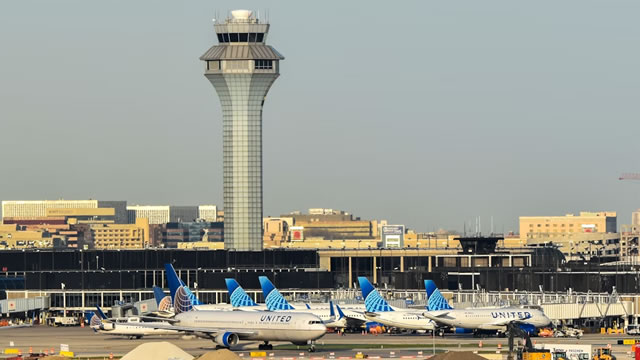
Group 1: Travel Demand and Earnings Outlook - United Airlines reported a 6 percentage point acceleration in overall travel demand and a double-digit acceleration in business bookings in the third quarter compared to the prior quarter [2] - The company expects its earnings to suffer in the current quarter due to operational constraints at Newark airport, leading to a revised full-year adjusted profit forecast of $9 to $11 per share, below analysts' expectations of $10.04 per share [4][5] - The adjusted profit for the quarter ending September is expected to be in the range of $2.25 to $2.75 per share, with a midpoint of $2.50 per share, compared to analysts' average estimate of $2.60 [6] Group 2: Market Conditions and Pricing Power - The airline industry is experiencing weak pricing power, with United's yield down across all geographies in the second quarter, particularly in the US domestic market [9] - Despite the challenges, industry executives believe that travel demand has stabilized since April, which may lead to improved airfares in the second half of the year as airlines cut unprofitable flights [8][10] - United's CEO expressed confidence in a strong finish to the year, citing reduced geopolitical and macroeconomic uncertainty compared to the first half of 2025 [5][12]