
Digital Transformation

Search documents
Franklin Exponential Data ETF (XDAT US) - Investment Proposition
ETF Strategy· 2026-01-18 09:11
Core Insights - Franklin Exponential Data ETF (XDAT) targets companies benefiting from the entire data lifecycle, including creation, transmission, storage, processing, and intelligent use [1] - The investment strategy focuses on long-term capital appreciation through an actively managed approach that emphasizes durable growth drivers linked to increasing data intensity across various industries [1] - Portfolio construction favors innovative platforms and mission-critical providers, accepting episodic volatility for higher growth potential [1] Industry and Company Focus - XDAT's returns are driven by the secular adoption of AI, edge computing, and automation, while being sensitive to factors like tightening liquidity and capex pauses [1] - The ETF can serve multiple roles, including a thematic growth sleeve, a factor-completion tool for innovation exposure, or a tactical overlay aligned with digital transformation agendas [1] - Suitable users of XDAT include growth allocators seeking secular compounders and Chief Investment Officers managing satellite innovation sleeves [1]


直播预约 智能清洁 社区驿站 兰州家政服务刮起“智能便民风”
Xin Lang Cai Jing· 2026-01-18 01:56
Core Viewpoint - The home service market in Lanzhou is experiencing significant transformation with the introduction of digital booking, smart cleaning devices, and community service stations, making year-end cleaning more efficient and convenient for residents [3][13]. Group 1: Digital Transformation in Home Services - Live streaming appointments have become the mainstream method for acquiring customers in the home service industry, allowing for real-time interaction and order placement [3][4]. - The "AiJiaJia" app developed by Gansu Longyuan Sister Home Service has achieved over 30,000 registered users within six months, with daily orders reaching over 200, marking a 40% increase compared to the previous year [5]. - The establishment of a credibility platform by the Gansu Family Service Industry Association has recorded information for 172 companies and 27,752 service personnel, enhancing consumer trust [5][6]. Group 2: Adoption of Smart Cleaning Devices - The sales of window cleaning robots have surged, with some stores reporting a 60% increase in sales compared to the previous year, as consumers find them safer and more cost-effective than hiring human cleaners [9][10]. - The cost of a window cleaning robot is around 1,500 yuan, which is more economical than hiring a cleaner multiple times a year [9]. - Home service companies are also integrating smart devices to improve efficiency, with robots cleaning windows three times faster than human workers [10]. Group 3: Community Service Stations - Community service stations are providing quick and convenient home cleaning services, with residents able to book services through a mini-program, resulting in faster response times compared to traditional methods [11][12]. - These stations offer a range of services, including regular cleaning and appliance maintenance, and have established a closed-loop service model that enhances accessibility for residents [11]. - The integration of property management and home services through community stations addresses traditional challenges such as distance, slow response, and trust issues in the home service industry [12][13].

【宝鸡】以“数”为笔 绘就发展新图景
Shan Xi Ri Bao· 2026-01-17 02:41
Core Viewpoint - The city of Baoji is undergoing a digital transformation that enhances convenience and efficiency in various sectors, including retail, government services, and manufacturing, driven by advanced digital technologies [1][2]. Group 1: Digital Infrastructure and Governance - Baoji's digital transformation includes the establishment of a "National-level Aerospace Data Element Conversion Hub" and 10 strategic projects with a total investment of 22.6 billion yuan across 62 major projects [3]. - The government has developed a data resource sharing platform that connects 228 departments, with 1,199 registered data resources and approximately 740 million data exchanges [3][4]. - The city aims to enhance data utilization while ensuring security and control, transforming previously "dormant" data into a driving force for urban governance [4][5]. Group 2: Smart Manufacturing - Baoji is advancing in AI server and PC device manufacturing, marking a significant breakthrough in intelligent manufacturing [7]. - The collaboration between Baoshi Pipe Industry and Huawei has led to the development of an AI quality inspection model with a defect detection rate of 95% and a 40% increase in inspection efficiency [8]. - The city has implemented a three-year action plan for the digital transformation of the manufacturing sector, providing a clear path and robust support for enterprises [8]. Group 3: Digital Services and Connectivity - Baoji is enhancing its digital infrastructure, with a target of achieving 96% 4G signal coverage, including rural areas, and a total of 8,613 5G base stations established [9]. - The city has launched a video customer service for the 12345 hotline, facilitating efficient public service delivery, with over 110,000 transactions processed [10]. - The "Qin Zheng Tong" application has been piloted across 12 districts, achieving a 95.5% rate of integrated online services [10]. Group 4: Future Plans and Goals - Baoji aims to leverage market-oriented data element allocation reforms to enhance digital industry growth, expand application scenarios, and improve service efficiency [11].
State Street anticipates 4–6% fee revenue growth and 100+ basis points positive operating leverage in 2026 as AI and digital transformation accelerate (NYSE:STT)
Seeking Alpha· 2026-01-16 23:37
Group 1 - The article does not provide any relevant content regarding the company or industry [1]


1 Prediction for KO in 2026
Yahoo Finance· 2026-01-16 20:25
Group 1 - Coca-Cola's stock experienced a significant increase due to a viral video featuring soccer star Lionel Messi, resulting in an estimated $13 billion boost in market value [1] - The company announced the creation of a chief digital officer position, to be filled by Sedef Salingan Sahin, as part of a digital transformation strategy [2] - Coca-Cola has a strong history as a Dividend King, having raised its dividend for 63 consecutive years, indicating financial stability [3][7] Group 2 - The company's stock price has risen 45% over the past five years, which is below the S&P 500's return of 82%, suggesting potential for growth [4] - Coca-Cola aims to rejuvenate its growth prospects through partnerships with celebrities like Messi and the new digital strategy, potentially exceeding its five-year CAGR of 7.32% by 2026 [5] - Despite recent stock performance, analysts have identified other stocks as better investment opportunities than Coca-Cola [6]

AB InBev vs. Boston Beer: Which Brewer is a Better Investment Now?
ZACKS· 2026-01-16 15:21
Core Insights - The beverage landscape is evolving, with Anheuser-Busch InBev (AB InBev) and The Boston Beer Company (Boston Beer) as key competitors in the alcoholic beverage market, each adapting to changing consumer preferences [1][2] Group 1: AB InBev (BUD) - BUD dominates the brewing industry through an extensive sourcing and distribution network, focusing on premiumization, digital transformation, and brand equity investment [2] - Premiumization is a central growth strategy for BUD, with strong performances from premium and super-premium brands, despite flat growth in the above-core portfolio due to challenges in China [4][9] - BUD's digital platforms, including BEES and Zé Delivery, are crucial for customer engagement, generating $13.3 billion in gross merchandise value (GMV), with a year-over-year increase of 11% [5][6] - The company’s global operating model allows it to adapt to local market dynamics, with megabrand revenues increasing by 3% year over year, driven by strong consumer demand [7] - BUD is expanding its portfolio beyond traditional beer, targeting a year-over-year EBITDA growth of 4-8% in 2025 [8][9] - BUD's sales are projected to decrease by 1.3% in 2025, but earnings per share (EPS) are expected to grow by 3.1% [14] Group 2: Boston Beer (SAM) - Boston Beer has a strong craft heritage and is diversifying its portfolio to include hard seltzers, ciders, and flavored malt beverages, but faces challenges in the competitive craft beer market [10][12] - The Samuel Adams brand, while iconic, is struggling with competition and changing consumer preferences, prompting Boston Beer to focus on revitalization and cost-efficiency [11] - Boston Beer is experiencing a slowdown in the hard seltzer category, with management forecasting a negative impact from tariffs of $9-$13 million in 2025 [13] - Sales for Boston Beer are expected to decline by 2.4% in 2025, with a modest EPS growth of 0.7% [14] Group 3: Performance and Valuation Comparison - Over the past year, BUD has outperformed with a total return of 43.2%, compared to the industry growth of 10.8% and Boston Beer’s decline of 14.4% [17] - BUD trades at a forward price-to-earnings (P/E) multiple of 16.56X, slightly above the industry average, while Boston Beer trades at a higher multiple of 18.95X [19][20] - BUD's valuation reflects strong momentum in high-growth brands, while Boston Beer faces uncertainty due to ongoing challenges in the craft beer segment [21][25] Conclusion - AB InBev is positioned as a more compelling investment opportunity due to its strong stock performance, attractive valuation, and clear growth strategy, while Boston Beer presents a longer-term opportunity amid its diversification efforts [25][26][27]



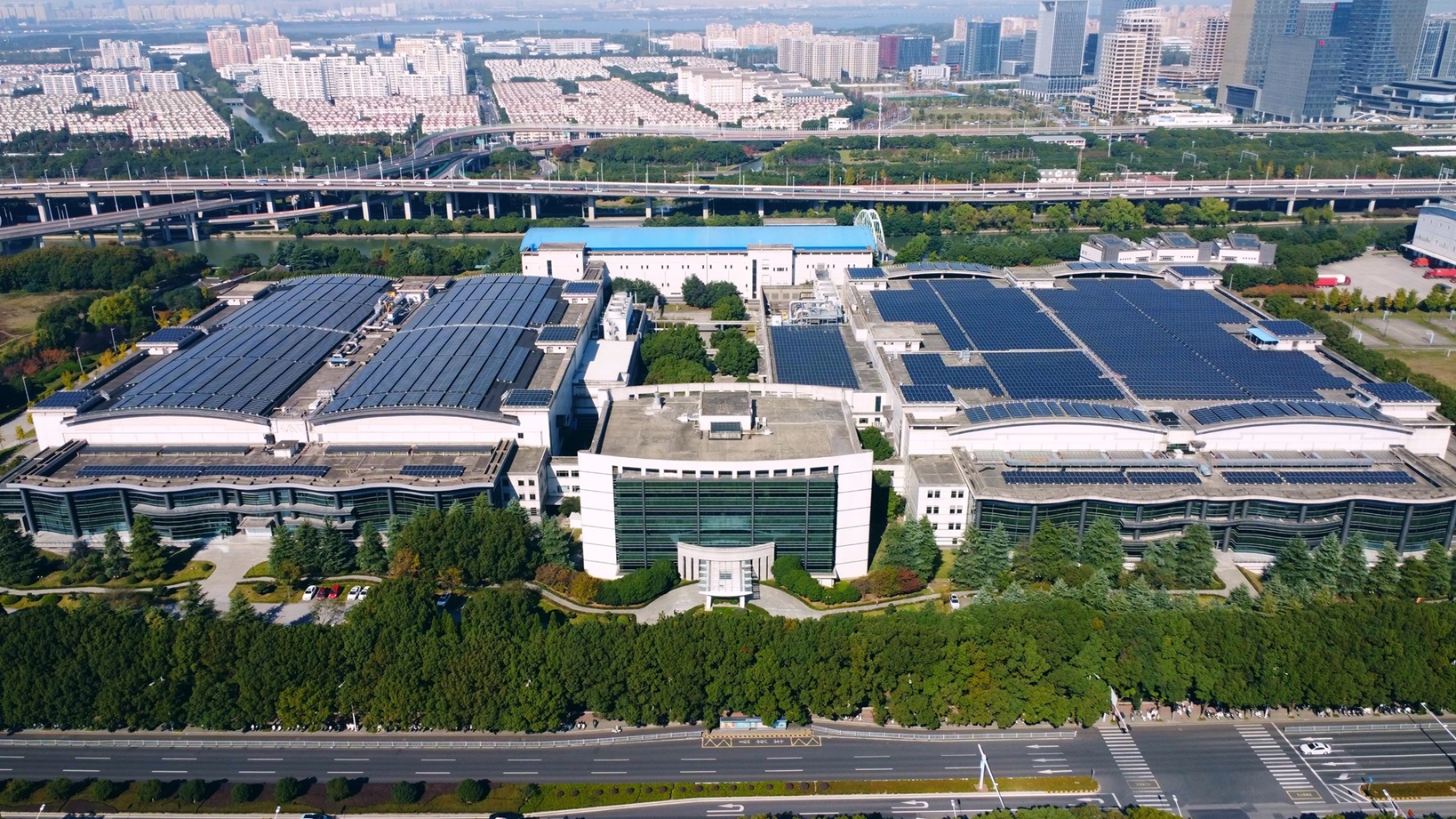
AUO Suzhou Fab Named Talent Lighthouse by World Economic Forum
Globenewswire· 2026-01-16 13:00
Core Insights - AUO's Suzhou Fab has been recognized by the World Economic Forum's Global Lighthouse Network in the Talent category, marking a significant achievement as the first in the global display industry to receive this honor [1][13] - The recognition highlights AUO's commitment to digital transformation and a comprehensive talent strategy that integrates recruitment, development, and retention [2][4] Digital Transformation and Workforce Strategy - AUO Suzhou Fab has implemented various digital solutions, including AI interviews and smart scheduling, leading to a reduction in employee attrition by nearly 70% and an increase in employee engagement by 11% [4] - The site has launched over 500 digital projects and upskilled more than 1,000 employees in digital capabilities, resulting in a 29% boost in production [4] AI-Powered Recruitment - The introduction of A-Interview, an AI-driven recruitment system, has reduced the overall recruitment cycle by 75%, enhancing hiring success and talent fit [5] - This system addresses labor shortages and high turnover, contributing to a more efficient and flexible workforce [5] Smart Scheduling Initiatives - AUO's Smart Scheduling System optimizes workforce planning by integrating multi-platform data, improving employee well-being and satisfaction [6] - Key features include a 90-day rotation for high-fatigue roles and personalized assignments, which enhance skill growth and overall organizational performance [6] AI Agent for Supervisors - The development of AgentX, an AI agent, automates administrative tasks for supervisors, allowing them to focus on decision-making and team development [7] - This innovation improves management efficiency and directs more resources toward employee care, fostering operational momentum [7] Strategic Role and Future Commitment - Over two decades, AUO Suzhou Fab has evolved into a key driver of smart manufacturing and talent development, supporting expansion into new markets [8] - The company is committed to empowering its workforce through digitalization and fostering cross-industry collaboration for sustainable operations [9]
Coke creates chief digital officer role to keep pace with tech demands
Yahoo Finance· 2026-01-16 10:23
Core Insights - Coca-Cola is enhancing its digital marketing strategy by creating a new executive role for a chief digital officer to unify digital initiatives across the company during a period of technological change for consumer packaged goods (CPG) brands [3][8] - The appointment of Sedef Salingan Sahin as chief digital officer is part of a broader organizational restructuring, which includes changes in leadership roles and responsibilities to improve consumer engagement and technology adoption [4][6][8] - The incoming CEO, Henrique Braun, emphasizes the importance of understanding consumers deeply and evolving the organizational structure to enable faster and smarter operations across all markets [7] Organizational Changes - Sahin will take over strategic duties from CFO John Murphy and will report directly to the new CEO, Braun [5] - The role of CMO Manolo Arroyo is being expanded to include customer and commercial leadership responsibilities, with a title change to chief marketing and customer commercial officer [5] - The structural adjustments also include the formation of two new market groupings aimed at bringing the organization closer to consumers [6] Digital Transformation Focus - Coca-Cola has been integrating artificial intelligence into various business areas, including marketing, although the recent announcement did not explicitly mention AI's impact [7] - The company has utilized AI-generated commercials in its holiday campaigns over the past two years, receiving mixed consumer responses [7]
Online Food Delivery Services Market Set to Double from USD 300 Billion in 2024 to USD 600 Billion by 2033, Registering a Steady 8.5% CAGR - Market Research Intellect
Prnewswire· 2026-01-16 04:02
Core Insights - The Online Food Delivery Services Market is experiencing significant growth, driven by factors such as increased smartphone penetration, widespread internet access, and a rising preference for convenience among urban consumers [1][2] Market Overview - The market reached a valuation of USD 300 billion in 2024 and is projected to grow to approximately USD 600 billion by 2033, with a CAGR of 8.5% during the 2026–2033 forecast period [2] - The market is supported by rapid urbanization, evolving consumer eating habits, and the integration of digital solutions [2] Digital Transformation - The market has undergone a significant digital transformation, enhancing how consumers discover, order, and consume food through mobile applications and AI-driven personalization [4] - Features like real-time order tracking and digital menus improve customer engagement and convenience [4] Changing Consumer Lifestyles - Urban lifestyles, long working hours, and rising dual-income households are increasing reliance on food delivery platforms, with consumers valuing convenience and speed [5][6] - The acceptance of ready-to-eat meals and doorstep delivery is particularly strong among millennials and Gen Z consumers [6] Cloud Kitchens and Virtual Restaurants - The rise of cloud kitchens and virtual restaurants is reshaping the competitive landscape by reducing operational costs and focusing on digital orders [7] - These models enable rapid scalability and menu experimentation, benefiting both startups and established food brands [7] Technological Advancements - Technology, including AI and big data analytics, enhances platform efficiency and customer satisfaction through demand forecasting and personalized promotions [8] - Innovations like voice-based ordering and real-time tracking improve user interaction and service quality [8] Digital Payments and Contactless Delivery - The adoption of digital payment solutions has strengthened the online food delivery ecosystem, with consumers preferring cashless transactions [9] - Contactless delivery remains popular due to hygiene and safety concerns, contributing to market growth [9] Competitive Strategies - Aggressive pricing strategies, promotional offers, and loyalty programs are key competitive tools in the market [10] - Platforms use discounts and subscription models to attract and retain users, intensifying competition among major players [10] Restaurant Partnerships - Restaurants are increasingly leveraging online platforms for visibility and sales, benefiting from logistics and marketing support [11] - Strategic partnerships enable menu optimization and performance tracking, enhancing service quality [11] Regulatory Environment and Sustainability - Government regulations related to food safety and delivery worker rights influence platform operations [12] - Sustainability initiatives, such as eco-friendly packaging, are gaining traction and enhancing brand reputation [12] Geographic Dominance - The Asia-Pacific region dominates the market, driven by high population density and smartphone adoption, with China and India leading in order volumes [13][14] - North America follows closely, supported by high disposable income and advanced logistics networks, while Europe represents a mature market [14] Key Players - Major players in the Online Food Delivery Services Market include Uber Eats, DoorDash, Zomato, Swiggy, Meituan, Delivery Hero, Just Eat Takeaway.com, Grubhub, Deliveroo, and Foodpanda [15] Market Segmentation - The market is segmented by type, application, and geography, reflecting its strong connection to evolving consumer purchasing behavior [16]

Equinix, Inc. (EQIX): A Bull Case Theory
Yahoo Finance· 2026-01-15 19:00
Core Thesis - Equinix, Inc. is positioned as a leader in digital infrastructure with strong fundamentals despite recent share price declines, driven by increasing demand from AI and digital transformation [2][3] Company Overview - Equinix operates over 260 data centers in more than 75 metro areas, serving over 10,000 customers, including hyperscalers and cloud providers [2] - The company generates 94% of its revenue from recurring streams, with colocation accounting for 74% and interconnection for 18.6% [2] Financial Performance - The share price of Equinix was $801.31 as of January 13th, with trailing and forward P/E ratios of 72.05 and 48.54 respectively [1] - The company is expected to see a potential upside of 25.8% by 2027 and 50.7% by 2029 based on fair value estimates [4] Growth Strategy - Equinix plans to double its capacity by 2029, with capital expenditures projected to rise to $4–5 billion annually for developing AI-optimized, high-density data centers [3] - The company has a dense network of over 480,000 cross connections across 35 countries, leading to high customer retention rates exceeding 95% [3] Competitive Advantages - Equinix's scale, geographic reach, and ecosystem differentiation provide durable competitive advantages, justifying its premium valuation compared to peers [3] - The company demonstrates strong ESG leadership with 96% renewable energy usage and a 24% reduction in emissions since 2019, along with an AAA MSCI rating [4] Market Position - Equinix is well-positioned to benefit from the ongoing global digital infrastructure build-out, offering a compelling mix of resilience, growth, and sustainability [4]
