
国际法

Search documents
阿盟:以色列承认索马里兰无效且非法
Yang Shi Xin Wen· 2025-12-28 18:12
阿拉伯国家联盟理事会12月28日在开罗召开紧急会议,强烈谴责以色列26日正式承认索马里兰为"独立 主权国家",重申阿盟与索马里联邦共和国团结一致,将共同应对以色列侵犯其主权和领土完整的行 径。 目前,已有20多个国家和国际组织重申支持索马里主权和领土完整,谴责以色列威胁地区和国际安全。 联合国安理会定于美国东部时间29日下午就以色列承认索马里兰举行紧急会议。 应索马里政府请求,阿盟理事会当天召开会议就以色列承认索马里兰一事进行审议并发表声明。 (文章来源:央视新闻) 声明指出,索马里兰地区是索马里不可分割的一部分,以色列承认索马里兰无效、非法且不可接受,严 重违反国际法。此举公然干涉索马里内政,损害索马里主权和领土完整,威胁地区和平与安全,并将加 剧非洲之角、红海、亚丁湾及更广泛地区的紧张局势。阿盟全力支持索马里主权及领土完整,支持其在 联合国框架内采取一切必要措施应对侵犯行为。 声明进一步表示,阿盟理事会坚决反对基于这一非法承认而产生的任何后续行动,包括为实施针对巴勒 斯坦人的强制迁移计划提供便利,或企图擅自侵占索马里北部港口以在这一地区建立军事基地。 阿盟理事会敦促联合国通过相关决议,确认索马里的统一、主 ...
阿尔及利亚媒体人士:高市错误言论不尊重中国主权
Yang Shi Xin Wen Ke Hu Duan· 2025-12-28 07:47
Group 1 - The core viewpoint is that Japan's Prime Minister's remarks disregard international law and China's sovereignty, negatively impacting long-term Sino-Japanese relations [1] - Taiwan is historically and legally recognized as part of China, as confirmed by numerous international legal documents [1] - Japan's recent adjustments to its security policy, including increased defense budgets and relaxed arms export restrictions, are seen as escalating regional tensions [3] Group 2 - Japan's military expansion, including potential modifications to its "three non-nuclear principles," raises concerns about a regional arms race [3] - Japan has signed the Treaty on the Non-Proliferation of Nuclear Weapons and other arms control treaties aimed at limiting its military expansion due to its historical aggression [5] - The international community is urged to take action to curb Japan's military buildup, which is viewed as detrimental to regional stability [5]

埃及、伊朗、伊拉克、沙特、巴基斯坦、土耳其等国联合声明
中国能源报· 2025-12-28 04:23
多国及国际组织 发表联合声明,反对以色列承认索马里兰。 当地时间1 2月27日,约旦、埃及、阿尔及利亚、伊朗、伊拉克、科威特、利比亚、马尔 代夫、尼日利亚、阿曼、巴基斯坦、巴勒斯坦、卡塔尔、沙特阿拉伯、索马里、苏丹、土 耳其、也门等国外长、外交大臣,以及伊斯兰合作组织发表联合声明, 对以色列正式承 认索马里兰为"独立主权国家"表示坚决反对。 来源: 央视新闻客户端 End 欢迎分享给你的朋友! 出品 | 中国能源报(c n e n e rg y) 编辑 | 闫志强 声明指出,以色列此举将对非洲之角和红海地区的和平与安全造成严重影响,并对国际和 平与安全构成威胁,充分暴露出以色列对国际法的公然无视。 声明以最强烈措辞谴责这一行为,强调相关决定严重违反国际法基本原则和《联合国宪 章》中关于尊重国家主权、维护国家统一和领土完整的规定。 声明重申,坚定支持索马里的主权和领土完整,坚决反对任何损害索马里国家统一和主权 的行径。 ...
18国联合声明反对以色列18国声明反对以色列承认索马里兰
Xin Lang Cai Jing· 2025-12-28 01:57
【#18国联合声明反对以色列##18国声明反对以色列承认索马里兰#】当地时间12月27日,约旦、埃及、 阿尔及利亚、伊朗、伊拉克、科威特、利比亚、马尔代夫、尼日利亚、阿曼、巴基斯坦、巴勒斯坦、卡 塔尔、沙特阿拉伯、索马里、苏丹、土耳其、也门等国外长、外交大臣,以及伊斯兰合作组织发表联合 声明,对以色列正式承认索马里兰为"独立主权国家"表示坚决反对。声明指出,以色列此举将对非洲之 角和红海地区的和平与安全造成严重影响,并对国际和平与安全构成威胁,充分暴露出以色列对国际法 的公然无视。声明以最强烈措辞谴责这一行为,强调相关决定严重违反国际法基本原则和《联合国宪 章》中关于尊重国家主权、维护国家统一和领土完整的规定。声明重申,坚定支持索马里的主权和领土 完整,坚决反对任何损害索马里国家统一和主权的行径。(视频为此前报道) ...
埃及、伊朗、伊拉克、利比亚、巴基斯坦、巴勒斯坦等国联合声明
Xin Lang Cai Jing· 2025-12-28 01:56
Core Viewpoint - The joint statement from foreign ministers of several countries strongly opposes Israel's recognition of Somaliland as an "independent sovereign state," citing potential threats to peace and security in the Horn of Africa and the Red Sea region, as well as a violation of international law [2] Group 1 - The statement emphasizes that Israel's action could severely impact regional peace and security, posing a threat to international peace [2] - It condemns Israel's disregard for international law, highlighting the violation of fundamental principles regarding respect for national sovereignty and territorial integrity as outlined in the UN Charter [2] - The statement reaffirms strong support for Somalia's sovereignty and territorial integrity, opposing any actions that undermine Somalia's national unity and sovereignty [2]

埃及、伊朗、伊拉克、沙特、巴基斯坦、土耳其等国联合声明
Zhong Guo Ji Jin Bao· 2025-12-28 00:42
声明指出,以色列此举将对非洲之角和红海地区的和平与安全造成严重影响,并对国际和平与安全构成 威胁,充分暴露出以色列对国际法的公然无视。 声明以最强烈措辞谴责这一行为,强调相关决定严重违反国际法基本原则和《联合国宪章》中关于尊重 国家主权、维护国家统一和领土完整的规定。 声明重申,坚定支持索马里的主权和领土完整,坚决反对任何损害索马里国家统一和主权的行径。 (原标题:埃及、伊朗、伊拉克、沙特、巴基斯坦、土耳其等国联合声明) 来源:央视新闻客户端 多国及国际组织发表联合声明,反对以色列承认索马里兰 当地时间12月27日,约旦、埃及、阿尔及利亚、伊朗、伊拉克、科威特、利比亚、马尔代夫、尼日利 亚、阿曼、巴基斯坦、巴勒斯坦、卡塔尔、沙特阿拉伯、索马里、苏丹、土耳其、也门等国外长、外交 大臣,以及伊斯兰合作组织发表联合声明,对以色列正式承认索马里兰为"独立主权国家"表示坚决反 对。 ...
多国及国际组织发表联合声明,反对以色列承认索马里兰
Xin Lang Cai Jing· 2025-12-27 22:48
Core Viewpoint - The joint statement from foreign ministers and officials from several countries expresses strong opposition to Israel's recognition of Somaliland as an "independent sovereign state," highlighting concerns over regional peace and security in the Horn of Africa and the Red Sea [1][2]. Group 1 - The statement emphasizes that Israel's action poses a serious threat to international peace and security, revealing a blatant disregard for international law [1]. - It condemns the recognition of Somaliland as a violation of fundamental principles of international law and the United Nations Charter regarding respect for national sovereignty and territorial integrity [1]. - The statement reaffirms unwavering support for Somalia's sovereignty and territorial integrity, opposing any actions that undermine Somalia's national unity and sovereignty [2].
综合消息丨多国及国际组织谴责以色列承认索马里兰
Xin Lang Cai Jing· 2025-12-27 14:33
新华社北京12月27日电 综合新华社驻外记者报道:针对以色列正式承认索马里兰为"独立主权国家", 索马里联邦政府26日发表声明,强调索马里兰地区是该国主权领土不可分割的一部分。埃及、土耳其、 沙特、约旦等国家以及非盟、阿盟、海合会等国际组织予以谴责。 土耳其外交部声明,以色列宣布承认索马里兰地区的独立是内塔尼亚胡政府破坏地区和全球稳定的又一 非法行径,延续了以色列的扩张主义政策,是对索马里内政的公然干涉。 沙特外交部强调,坚决反对任何旨在加强破坏索马里国家统一的平行实体的企图,拒绝承认以色列和索 马里兰地区相互承认的行径,认为这将固化违反国际法的单方面分裂措施。 约旦外交部说,以色列与索马里兰的相互承认公然违反国际法,侵犯了索马里主权完整。约旦完全反对 任何企图与索马里"平行实体"建立外交关系、威胁索马里统一和领土完整的行为。 非盟委员会主席优素福26日发表声明,"坚决反对承认索马里兰为独立实体的任何动议或举动",并重 申"索马里兰仍然是索马里联邦共和国不可分割的一部分"。 阿拉伯国家联盟秘书长盖特同一天说,以方此举反映出以色列试图与第三方合作破坏区域稳定的野心, 会成为威胁地区乃至国际安全与稳定的危险先例。 ...
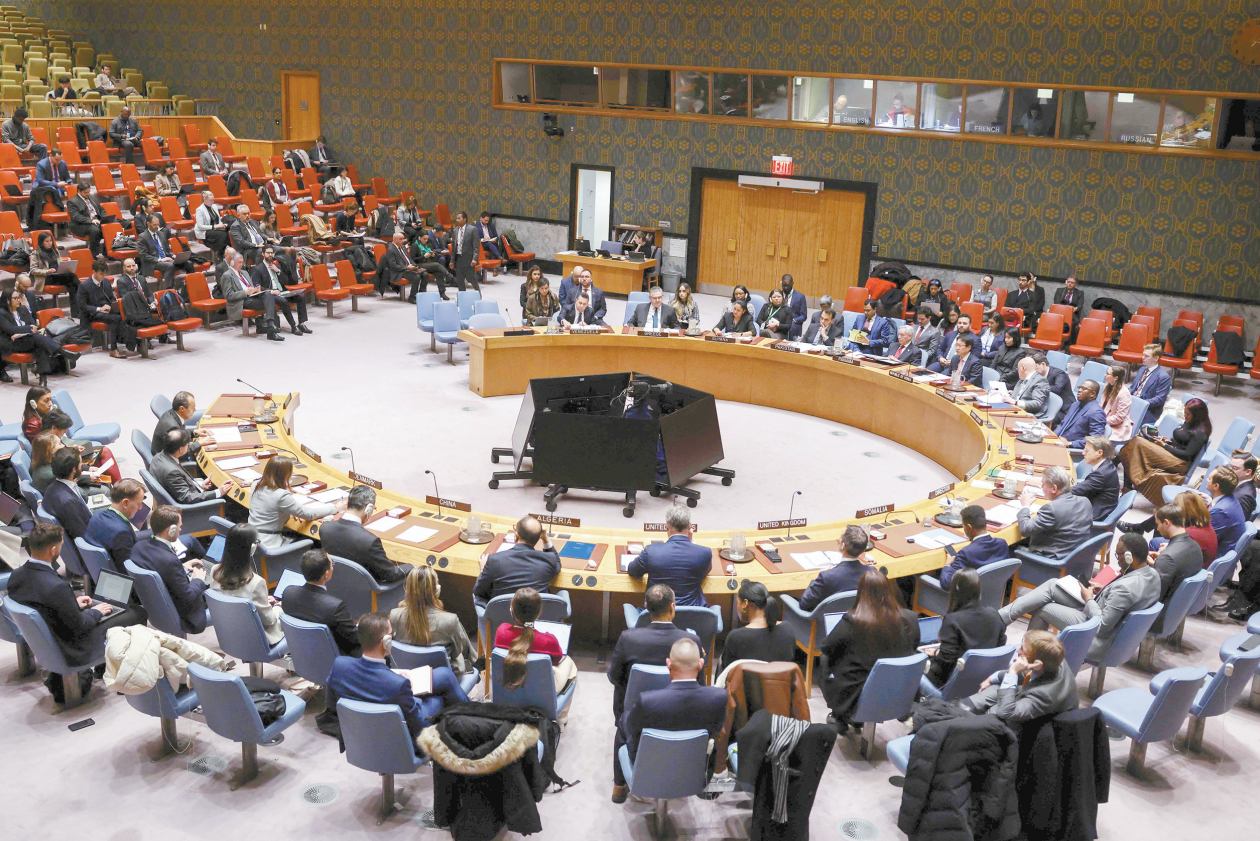
安理会激辩委内瑞拉问题,多国反对美国武力威胁
Huan Qiu Shi Bao· 2025-12-24 22:56
Core Viewpoint - The United Nations Security Council held an emergency meeting regarding the situation in the Caribbean, with representatives from multiple countries engaging in heated debates over U.S. actions towards Venezuela, which were described as aggressive and a threat to regional stability [1][2][3]. Group 1: U.S. Actions and Responses - The U.S. representative claimed that the Venezuelan government poses an unusual threat to peace and stability in the Western Hemisphere, accusing it of funding criminal and terrorist organizations with oil revenues [3]. - The U.S. has increased military deployments in the Caribbean, with reports indicating that approximately 15,000 soldiers are currently stationed in the region, marking one of the largest naval deployments in recent years [9]. - Russia's representative warned that the U.S. intervention in Venezuela could serve as a template for future actions against other Latin American countries, highlighting a broader concern about U.S. foreign policy in the region [2][4]. Group 2: International Reactions - China and Russia, along with several other countries, criticized the U.S. for its unilateral actions and called for respect for international law, emphasizing Venezuela's right to self-determination and cooperation with other nations [2][5]. - Venezuela's representative characterized U.S. actions as a "military robbery" and a significant act of extortion, asserting that the U.S. is the real threat, not Venezuela [3][4][6]. - The Venezuelan National Assembly passed a law aimed at protecting trade and navigation rights against what it termed "piracy" and illegal actions by the U.S., indicating a legislative response to U.S. sanctions and military threats [7]. Group 3: Broader Implications - The geopolitical tensions in the Caribbean are seen as escalating, with potential implications for the entire Latin American region, as countries monitor the situation closely [9]. - The ongoing U.S. military presence and actions are perceived as a shift from a low-intensity conflict zone to a potential crisis front, raising concerns among regional governments and financial institutions [9].
马杜罗:请管好美国自己的问题
Xin Lang Cai Jing· 2025-12-24 10:39
美国总统特朗普22日再次向委内瑞拉总统马杜罗施压,马杜罗当天则建议特朗普管好美国自身的问题。 近期,美国持续对委施压,加剧外界关于美国可能对委"宣战"的猜测。 目标是迫使马杜罗下台 特朗普22日在佛罗里达州举行的新闻发布会上再次向委内瑞拉总统马杜罗施压,称自己的目标是迫使马 杜罗下台。当记者问及美国数月以来持续对委施压是否旨在迫使马杜罗下台时,特朗普称:"这可能会发 生,我不能确定。这取决于他自己想怎么做。"他还威胁说,如果马杜罗想强硬,"那将是他最后一次逞 强"。 这不是特朗普第一次谈及马杜罗下台。据美国《华尔街日报》报道,特朗普此前与马杜罗通话时曾直接 发出威胁,称如果他不肯主动下台,美国会考虑采取包括动武在内的其他手段。 马杜罗22日在委内瑞拉国家电视台转播的讲话中说,如果再次同特朗普通电话,他会对特朗普说"让我们各 自处理好本国的内政"。马杜罗说,近来特朗普70%的讲话都在针对委内瑞拉,而不是美国自身面临的关键 问题。委内瑞拉愿意基于相互尊重与美国进行对话。 马杜罗22日向拉美和加勒比地区国家元首致公开信,谴责美国把能源当作战争武器和政治胁迫工具,敦促 各方采取联合应对行动。 委外长希尔当天在该国外交 ...