
外交斡旋

Search documents
伊朗遭警告,欧洲摊牌在即
Sou Hu Cai Jing· 2025-07-18 09:46
Core Points - The European countries (UK, France, Germany) and the EU are pressuring Iran to return to nuclear negotiations, threatening to activate the "snapback" sanctions process if no substantial progress is made by the end of summer [1][3] - The recent military actions by Israel and the US against Iranian nuclear facilities have escalated tensions and disrupted the fragile balance of the nuclear talks, leading to a significant decline in trust [3][4] - The 2015 nuclear agreement, which aimed to limit Iran's nuclear program in exchange for sanctions relief, has been severely undermined by the US's hardline stance and increasing sanctions [3][4] - The EU's urgency to invoke the "snapback" sanctions is influenced by the upcoming rotation of the UN Security Council presidency to Russia, which may complicate the sanctions restoration process [3][4] - Diplomatic efforts are hindered by the lack of transparency in Iran's nuclear program and the absence of trust between the parties involved, particularly due to the military actions taken by the US and Israel [4][6] - The military actions have provoked Iran, leading to retaliatory strikes against US military bases, further deteriorating the regional security situation [6] - The Western approach, characterized by military pressure, is seen as counterproductive and may exacerbate instability in the Middle East rather than resolve the nuclear issue [6][7] - The division and desperation within the Western camp regarding the nuclear negotiations are evident, as they attempt to regain control over the situation through threats [7][9] - The ongoing nuclear crisis is not merely a technical issue but a focal point of geopolitical competition among global powers, necessitating a shift from coercive tactics to constructive dialogue [9]

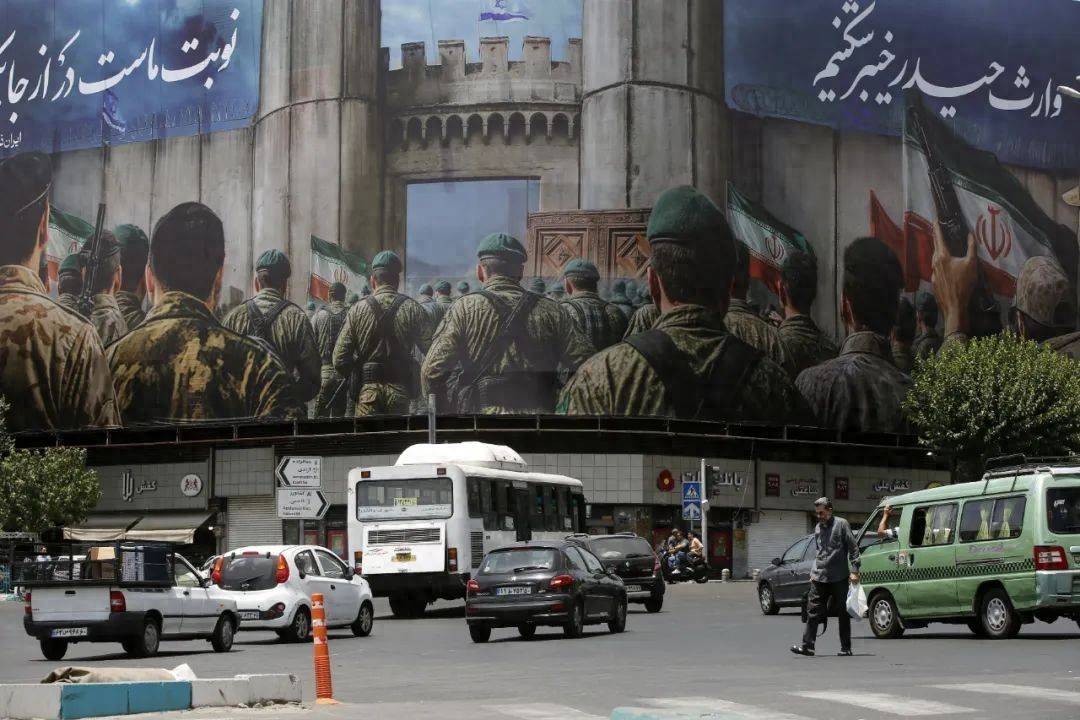
突发!数十架美国军机调动!白宫:特朗普将作决定
券商中国· 2025-06-20 01:48
Group 1 - The article discusses the potential military actions by the United States against Iran, with President Trump indicating a decision will be made within two weeks [2][3][4] - Israel has received military support from the U.S. and Germany, with 14 military transport aircraft arriving to bolster its defense capabilities [4][5] - Iran has launched a new round of missile and drone attacks targeting Israeli military sites, specifically in Haifa and Tel Aviv, involving over 100 drones [5][6] Group 2 - The U.S. continues diplomatic communications with Iran, with discussions about nuclear issues ongoing, although Iran has rejected proposals for uranium enrichment outside its territory [3][4] - Israeli Prime Minister Netanyahu emphasizes the goal of eliminating Iran's nuclear and missile threats, indicating that all options are on the table [4][8] - Iran's leadership, including Supreme Leader Khamenei, asserts that the country will not accept imposed peace or war and is prepared to respond to any aggression [9][10]
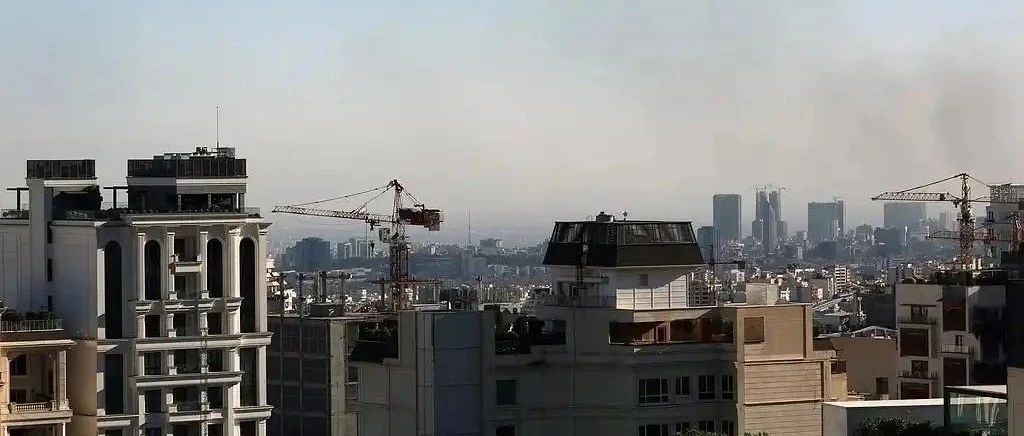
列国鉴·海湾国家丨记者观察:海湾国家努力打造中东“发展样本”
Xin Hua She· 2025-05-23 08:51
Economic Transformation and Tourism Development - Gulf Arab countries are actively promoting economic transformation and playing a significant role in international diplomacy, contributing to the prosperity and stability of the Middle East [1] - Qatar's tourism industry has seen a significant boost following the successful hosting of the 2022 FIFA World Cup, with inbound tourist numbers surpassing 4 million in 2023 and projected to exceed 5 million in 2024, outpacing the country's resident population of approximately 3 million [3][5] - Qatar is investing heavily in cultural tourism infrastructure, offering diverse experiences such as desert adventures, luxury cruises, and cultural festivals, enhancing its national image and attracting international visitors [5][7] Diplomatic Engagements - Qatar has been actively involved in diplomatic mediation in various regional conflicts, including the recent Israel-Palestine conflict, and has participated in discussions on issues such as the Iran nuclear problem and the situation in Sudan and Yemen, showcasing its role as a pragmatic mediator [7] - Saudi Arabia is also taking an active role in international diplomacy, emphasizing its commitment to resolving regional tensions and supporting the Palestinian cause during the Gulf Cooperation Council-US summit [9] - Saudi Arabia's Vision 2030 aims to reduce dependence on oil and diversify its economy, with a focus on becoming a global investment powerhouse and a central hub connecting Asia, Africa, and Europe [11] Innovation and Sustainable Development - The United Arab Emirates (UAE) is leveraging an innovation-driven development model to accelerate economic transformation, focusing on reducing oil dependency and enhancing sectors like tourism, industry, and financial services [14] - The UAE ranks seventh globally in the World Competitiveness Annual Report and leads in numerous indicators, reflecting its successful implementation of sustainable development and economic diversification strategies [14][16] - Gulf countries are navigating a complex geopolitical landscape while striving for sustainable development, balancing traditional cultural values with modern advancements [16]
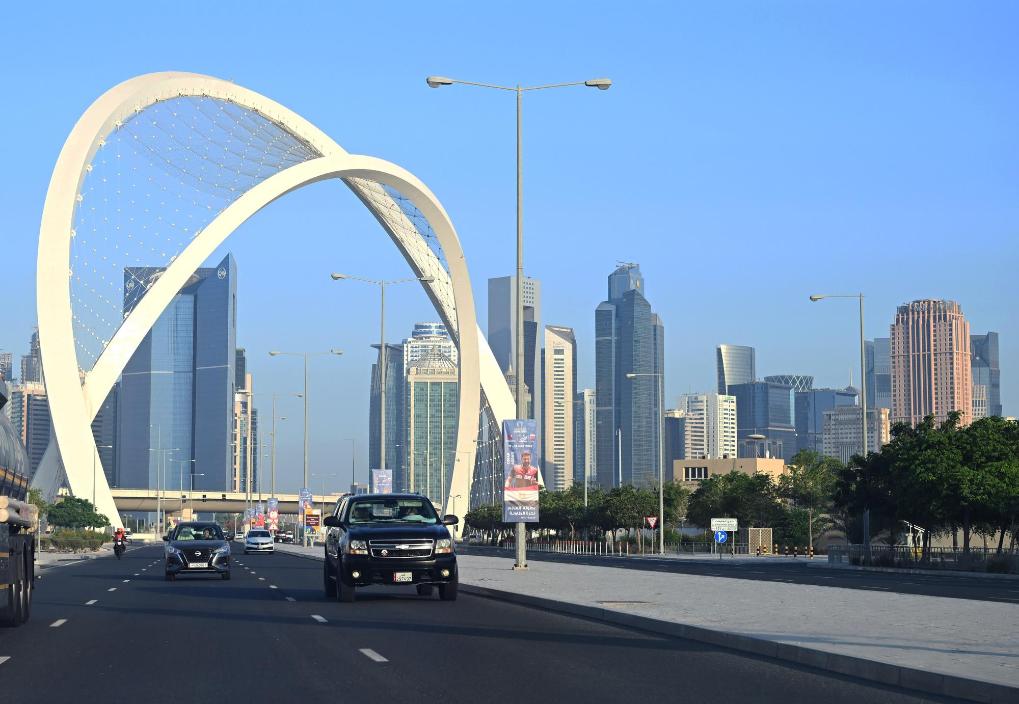
印巴互殴,特朗普准备拉架了?
Jin Shi Shu Ju· 2025-05-08 06:10
Group 1 - The core issue is the escalating tension between India and Pakistan due to recent Islamic terrorist attacks in the Kashmir region, leading to military actions and threats of retaliation [1][2] - President Trump expressed a desire to mediate and help de-escalate the situation, indicating that the U.S. has good relations with both countries and hopes for a resolution [1] - The U.S. State Department has been in contact with both India and Pakistan, with Secretary of State Marco Rubio discussing efforts to ease tensions with Saudi Arabia [2] Group 2 - India claims to have targeted "terrorism infrastructure" linked to a recent attack that resulted in 26 deaths in Indian-controlled Kashmir, while Pakistan denies these allegations and calls for an impartial investigation [2] - Pakistan reported that India's recent military actions resulted in over 30 deaths, highlighting the severity of the conflict [3] - Analysts suggest that the U.S. may allow India and Pakistan to manage the initial stages of the conflict independently to achieve its diplomatic goals related to the Russia-Ukraine conflict and the Gaza war [3]