搜索引擎优化(SEO)

Search documents
厦门SEO培训:掌握搜索引擎优化技巧,提升网站排名
Sou Hu Cai Jing· 2025-06-18 14:19
Core Insights - The article emphasizes the growing importance of SEO training in Xiamen as more businesses focus on online promotion in the digital age [1][3]. Group 1: Core Content of Xiamen SEO Training - The training will cover essential SEO topics such as keyword research, website structure optimization, and content optimization [4]. - Keyword research is highlighted as the foundation of SEO, teaching participants how to analyze and select relevant keywords with high search volumes [5]. - Website structure optimization is crucial for user experience and search engine efficiency, with detailed guidance on URL design, navigation menus, and internal linking [6]. - Content optimization is essential for attracting and retaining users, focusing on high-quality article writing, title design, keyword placement, and multimedia elements [9]. Group 2: Practical Case Studies in Xiamen SEO Training - Successful SEO case studies will be analyzed to understand how keyword, structure, and content optimization lead to improved rankings [10]. - Failed SEO case studies will also be reviewed to identify common pitfalls and learn how to avoid similar mistakes [10]. - The training will address industry trends and algorithm updates to keep SEO strategies current [12]. - User behavior analysis will be taught to enhance keyword selection and content creation strategies [12]. Group 3: Recommendations and Insights from Xiamen SEO Training - Continuous learning and practice are essential in the SEO field, encouraging participants to stay updated on industry trends and algorithm changes [12]. - Team collaboration and communication are vital for successful SEO projects, with strategies for effective teamwork being emphasized [12]. - The selection of appropriate tools and resources can significantly enhance efficiency in SEO work [12]. - Patience and perseverance are necessary traits for success in SEO, with encouragement to maintain a positive mindset [12]. Group 4: Target Audience and Preparation for Xiamen SEO Training - The training is suitable for business owners, website administrators, and marketing professionals looking to improve website rankings and traffic [13]. - Participants are advised to have a basic understanding of SEO and prepare necessary materials for practical exercises [15].

喝点VC|a16z谈搜索大变局:搜索迈入由语言模型主导的“生成式引擎优化(GEO)”全新范式
Z Potentials· 2025-06-12 04:24
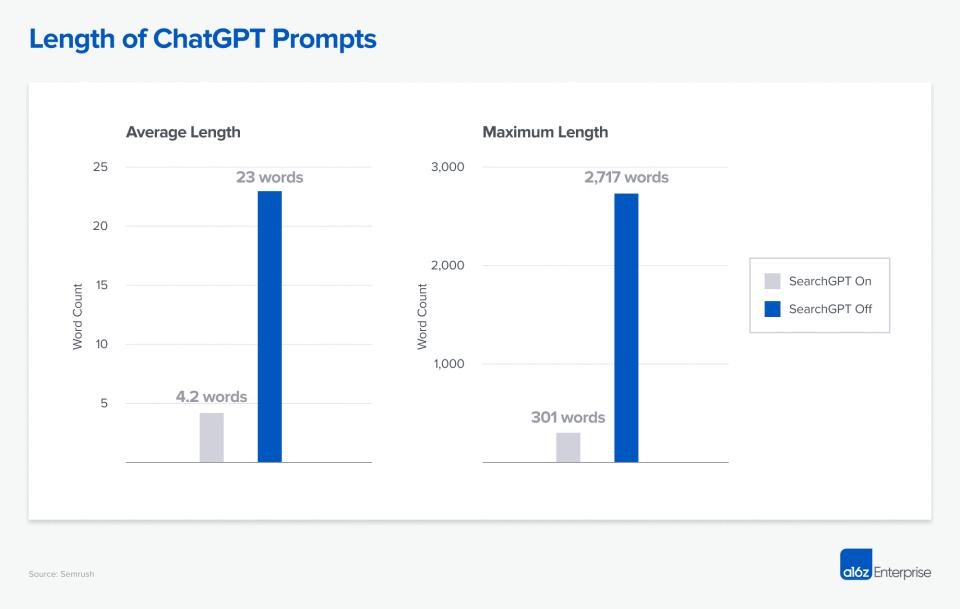
Core Insights - The article discusses the transition from traditional Search Engine Optimization (SEO) to Generative Engine Optimization (GEO), highlighting the impact of large language models (LLMs) on search behavior and marketing strategies [3][5][21] - It emphasizes that the SEO market, valued at over $80 billion, is facing challenges as search behavior shifts from browsers to LLM platforms, fundamentally altering how exposure and content optimization are defined [3][5][9] Transition from Links to Language Models - Traditional search relied on link-based ranking, while GEO focuses on language and direct answers generated by models [4][5] - The average query length has increased significantly to 23 words, compared to just 4 words in traditional searches, indicating deeper user engagement [4] - LLMs provide personalized responses through memory and reasoning capabilities, changing the content discovery and optimization logic [4][5] New Metrics and Competitive Focus - The focus of competition has shifted from click-through rates to "model citation rates," where brands need to be encoded into AI layers to build new competitive barriers [5][12] - Emerging platforms like Profound and Goodie help brands analyze their presence in AI-generated answers and track sentiment in model outputs [12][13] Brand Strategy Evolution - A new brand strategy is emerging that prioritizes model recognition over public recognition, with "unprompted awareness" becoming a key metric in the AI era [12][14] - Tools like Ahrefs' Brand Radar and Semrush's AI toolkit are adapting to help brands monitor their visibility and mentions in generative platforms [13][14] The Rise of GEO Tools - GEO tools are not just about data measurement but also about actively shaping LLM behavior through insights and iterative feedback loops [20] - Companies that excel in GEO will create actionable infrastructures for real-time marketing activities and content optimization [20][21] Timing and Market Dynamics - The article notes that the transition to GEO is still in its early stages, with significant opportunities for brands to adapt as advertising budgets shift rapidly [21][22] - The ultimate question for marketers in the AI-driven landscape is whether models will remember their brands [22]

SEO杭州:如何在竞争激烈的市场中脱颖而出?
Sou Hu Cai Jing· 2025-06-09 02:14
Core Insights - The article emphasizes the importance of effective Search Engine Optimization (SEO) strategies in the competitive landscape of Hangzhou's internet market, highlighting that SEO is both a technical skill and an art form that requires continuous exploration and practice [1][4]. Group 1: Understanding the Unique SEO Market in Hangzhou - The rapid growth of e-commerce, internet finance, and cultural creativity in Hangzhou has led to a high volume of websites, making SEO competition particularly fierce [2]. - Users in Hangzhou tend to search for localized service information, necessitating the integration of regional keywords to enhance local visibility [2][11]. Group 2: Key Elements of SEO Strategy in Hangzhou - SEO strategies must focus on website structure, content quality, and external link building to achieve favorable search engine rankings [6]. - A clear and simple website structure improves search engine crawling and enhances user experience, which is crucial for ranking [7]. - High-quality content that meets user needs and industry trends is essential for attracting and retaining users [7]. - Building high-quality external links through partnerships with local reputable websites and industry forums can significantly boost website authority [8]. Group 3: Practical SEO Techniques and Case Studies - Utilizing long-tail keywords can help drive traffic in a competitive market by targeting less competitive yet relevant search terms [9]. - A local business successfully established a localized brand by optimizing regional keywords and publishing localized content, demonstrating the effectiveness of local strategies [9]. - Data analysis plays a critical role in optimizing SEO strategies by providing insights into user behavior and search engine preferences [9]. - Continuous optimization and iteration of SEO strategies are necessary to maintain competitiveness in Hangzhou's dynamic market [9]. Group 4: Addressing Common SEO Questions - Choosing appropriate keywords in Hangzhou involves understanding user search habits and industry trends, with a focus on regional keywords for local exposure [11]. - Enhancing website authority in Hangzhou can be achieved through optimizing website structure, creating high-quality content, building quality external links, and focusing on mobile optimization [12]. - In the event of malicious attacks from competitors, it is important to remain calm, ensure compliance with legal standards, and seek legal assistance if necessary [12]. - Evaluating the effectiveness of SEO strategies can be done by analyzing website traffic, keyword rankings, and conversion rates, along with user feedback [12]. Conclusion - Mastering core SEO elements, applying practical techniques, and continuously optimizing strategies are essential for success in Hangzhou's competitive SEO landscape [13].
硅谷风投a16z:GEO将重塑搜索 大语言模型取代传统浏览器
3 6 Ke· 2025-06-05 11:39
Core Insights - The article discusses the shift from traditional Search Engine Optimization (SEO) to Generative Engine Optimization (GEO) as a new strategy for enhancing brand marketing effectiveness in the age of AI-driven information retrieval [1][2] - A16z emphasizes that the focus of brand competition will transition from manipulating search rankings to being actively referenced by AI models, indicating that brand success will hinge on being "remembered" by AI rather than just being found through search engines [1][2] Industry Overview - For over two decades, SEO has been the gold standard for online exposure, leading to the emergence of various tools and services aimed at optimizing digital marketing [2] - By 2025, the landscape of search is expected to change dramatically, with traditional search engines being replaced by large language model (LLM) platforms, challenging Google's dominance in the search market [2] - The SEO market, valued at over $80 billion, is beginning to wane as a new paradigm driven by language models emerges, marking the onset of the GEO era [2] Transition from SEO to GEO - Traditional search relied on "links," while GEO relies on "language," shifting the definition of visibility from high rankings in search results to being integrated into AI-generated answers [3][6] - The format of search answers is evolving, with AI-native searches becoming more decentralized across platforms like Instagram, Amazon, and Siri, leading to longer queries and extended session durations [3][5] Differences Between SEO and GEO - GEO differs fundamentally from traditional SEO in content optimization logic, requiring content to have clear structure and semantic depth for effective extraction by generative language models [6][11] - The business models and incentives of traditional search engines and language models differ significantly, impacting how content is referenced and monetized [7][11] New Metrics for Brand Visibility - The core metrics for brand communication are shifting from click-through rates (CTR) to citation rates, which measure how often brand content is referenced in AI-generated answers [11][12] - Emerging platforms like Profound, Goodie, and Daydream are utilizing AI analysis to help brands track their presence in generative AI responses, focusing on frequency and sentiment of mentions [11][12] Tools and Strategies in GEO - Companies are developing tools to monitor brand mentions in AI outputs, with platforms like Ahrefs and Semrush adapting to the GEO landscape [12][15] - GEO represents a paradigm shift in brand marketing strategies, emphasizing how brands are "written into" AI knowledge layers as a competitive advantage [12][15] Future of GEO - The future of GEO platforms will involve not only brand perception analysis but also the ability to generate AI-friendly marketing content and respond to changes in model behavior [17][18] - The rapid migration of budgets towards LLMs and GEO platforms indicates a significant shift in marketing strategies, with brands needing to ensure they are remembered by AI before user searches occur [18]
没想到,我轻松干预了DeepSeek的搜索结果
虎嗅APP· 2025-02-27 13:21
Core Insights - The article discusses the interaction between AI search engines and content creation, highlighting how AI models like DeepSeek and Tencent Yuanbao evaluate and prioritize content based on user needs and market trends [2][20][24]. Group 1: AI Earphone Market Insights - The article emphasizes the growing demand for AI earphones, particularly those with translation capabilities, which are increasingly popular among diverse ethnic groups [2][6]. - Two key articles, "9块9的中国AI耳机" and "双十二耳机选购指南," are identified as influential references for AI earphone recommendations, both providing in-depth analysis of user needs and market trends [8][9]. - Tencent Yuanbao's recommendations for AI earphones include WISHEE AI earphones, which, despite low market visibility, were prioritized due to their innovative features and user-centric design [10][11]. Group 2: AI Search Engine Evolution - The article outlines a shift from traditional search engines to AI-driven search engines, which provide direct answers to user queries, enhancing user experience and engagement [25][26]. - AI search engines have shown a significant increase in interaction rounds, averaging 2.8 times per query, which is 70% higher than traditional search methods [27]. - The rapid adoption of AI search technologies is evidenced by the growth in active users, with OpenAI reaching over 400 million weekly active users and DeepSeek surpassing 100 million downloads [28]. Group 3: New Business Opportunities - The article suggests that the rise of AI search engines presents new opportunities for SEO strategies, shifting from keyword-based advertising to content quality and relevance [35][40]. - Companies are encouraged to focus on creating high-quality content that aligns with AI models' understanding of user needs, as this will influence AI-generated recommendations [41]. - The potential for AI-driven "recommendation" services in e-commerce is highlighted, indicating a shift in how consumers make purchasing decisions [41][42].