
以人民为中心的发展思想

Search documents
苏州市人大常委会视察民生实事项目实施情况
Su Zhou Ri Bao· 2025-12-24 22:23
Core Viewpoint - The article discusses the inspection of the implementation of the 2025 annual livelihood projects by the Municipal People's Congress Standing Committee, emphasizing the importance of these projects for public welfare and social development [1]. Group 1: Project Inspection - The inspection focused on the "one-stop" conflict resolution platform project at the Xiangcheng District Social Governance Comprehensive Management Center, assessing its operational status [1]. - The inspection team reviewed the progress of rural construction projects in Shujiahe Village, including road construction, housing renovation, and riverbank restoration [1]. - At the Su Gao Xin Health Comprehensive Service Center, the team examined areas for childcare, elderly care, and community dining services, gathering detailed reports on the center's operations [1]. Group 2: Policy and Development Focus - The Municipal People's Congress emphasizes the need to implement the spirit of the 20th Central Committee's Fourth Plenary Session and the important instructions from General Secretary Xi Jinping regarding Jiangsu and Suzhou [1]. - There is a strong focus on adhering to a people-centered development approach, promoting inclusive, foundational, and safety-net livelihood construction to address the most pressing issues for the public [1]. - The article highlights the importance of problem-oriented strategies to resolve challenges in advancing livelihood projects and encourages broad feedback from the community to ensure effective planning for the 2026 annual livelihood projects [1].
省政府举行国家工作人员宪法宣誓仪式
Shan Xi Ri Bao· 2025-12-24 00:51
12月22日,省政府任命国家工作人员宪法宣誓仪式在西安举行,今年以来省政府任命的组成部门、 直属特设机构、直属机构及部门管理机构等单位的领导职务人员依法进行宪法宣誓。省长赵刚监誓并讲 话,省委常委、常务副省长王晓主持仪式。 省政府秘书长吕来升,有关单位负责同志列席宣誓仪式。(记者:孙鹏) 宣誓现场庄严、肃穆,全体人员面向国旗国徽,高唱中华人民共和国国歌。领誓人左手抚按宪法, 右手举拳,宣读誓词,其他宣誓人列队站立,举起右拳,跟诵誓词,宣誓忠于中华人民共和国宪法,维 护宪法权威,履行法定职责,忠于祖国、忠于人民,恪尽职守、廉洁奉公,接受人民监督,为建设富强 民主文明和谐美丽的社会主义现代化强国努力奋斗。 宣誓后,赵刚勉励大家铭记誓言、恪守践行,依法履职、担当作为,不辜负党和人民的信任和重 托。要筑牢政治忠诚,坚持不懈用习近平新时代中国特色社会主义思想凝心铸魂,深入学习贯彻党的二 十届四中全会精神和习近平总书记历次来陕考察重要讲话重要指示,坚定拥护"两个确立"、坚决做 到"两个维护",以更高标准当好贯彻党中央决策部署的执行者、行动派、实干家。要紧紧围绕高质量发 展这一首要任务和在西部地区发挥示范作用的战略定位,主 ...
人民论坛:发展的“分贝”
Xin Lang Cai Jing· 2025-12-23 23:14
转自:北京日报客户端 英国《金融时报》记者埃莉诺·奥尔科特刊文,分享了自己对中国"使城市安静下来"的两个发现。一则 电动汽车成为燃油汽车的"安静表亲",在日益普及中,让交通噪声更小;二则建筑工地的施工声减弱, 一些城市在铺设低噪声路面、安装声屏障。由此,她去世界其他地方旅行时使用的降噪耳塞,在北京家 里,只能"安静地躺在抽屉里"。 环境声音,反映高质量发展的声势。发展也是有"分贝"的,不妨从两对关系中聆听。 把握静与动,感知谋定而后动的智慧,"一静一动,静要有定力,动要有秩序"。 走进河北雄安新区,法国博主米莲娜深感这是会呼吸的"三座城"。地上,蓝绿交织勾勒格局;地下,综 合管廊保障运行;云端,强大算力服务治理。"未来之城"何以引领未来?先规划再建设,目光远、起点 高、标准严。以至于人们曾感觉在一段时间内"几乎没有动一砖一瓦",后来又看到"一派热火朝天"。这 恰是静与动的良性互动。 时止则止,时行则行。宏观政策持续发力、适时加力,既保持连续性稳定性,又增强灵活性预见性;资 源要素自由有序流动,既让各类资源发挥所长,又在物流、信息流、技术流等动态交汇中生成新优势; 发展人文经济,既留住文化根脉,又实现创造性转化 ...


努力为人民群众多办实事——八论学习贯彻中央经济工作会议精神
Xin Hua Wang· 2025-12-20 08:24
新华社北京12月19日电 题:努力为人民群众多办实事——八论学习贯彻中央经济工作 会议精神 为政贵在行,民生重在实。做好民生工作的关键,就是要坚持问需于民、问计于民,用 心用情用力对接群众所需、谋划务实之策,多做雪中送炭的实事,多办纾难解困的好事,真 正把工作做到群众心坎上。改善民生是一个久久为功的过程,需要发扬求真务实的作风,一 件一件抓落实,一年接着一年干,取得扎实成效,努力让群众看到变化、得到实惠。用干 新华社评论员 部"好作风"换来群众"好日子",用干部的"辛苦指数"换来群众的"幸福指数",才能交出让 百姓舒心、让群众满意的民生答卷。 中央经济工作会议明确提出,坚持民生为大,努力为人民群众多办实事。学习贯彻中央 经济工作会议精神,做好明年经济工作,要坚持以人民为中心的发展思想,围绕不断增进民 生福祉,加大保障和改善民生力度,不断满足人民对美好生活的向往。 心中装着人民,奋斗为了人民。习近平总书记鲜明指出:"我们要继续努力,把人民的 期待变成我们的行动,把人民的希望变成生活的现实。"新征程上,坚持人民至上,自觉践 行党的根本宗旨,走好新时代党的群众路线,多谋民生之利、多解民生之忧,让现代化建设 成果更多 ...
新华社评论员:努力为人民群众多办实事
Xin Lang Cai Jing· 2025-12-19 14:22
转自:北京日报客户端 来源:新华社 中央经济工作会议明确提出,坚持民生为大,努力为人民群众多办实事。学习贯彻中央经济工作会议精 神,做好明年经济工作,要坚持以人民为中心的发展思想,围绕不断增进民生福祉,加大保障和改善民 生力度,不断满足人民对美好生活的向往。 让人民生活幸福是"国之大者"。党的十八大以来,以习近平同志为核心的党中央坚持不忘初心,站在人 民立场上考虑问题,把人民对美好生活的向往作为奋斗目标,以"民之所忧,我必念之;民之所盼,我 必行之"的信念扎实做好民生工作,不断把为人民造福事业推向前进。"十四五"时期,每年城镇新增就 业稳定在1200万人以上,居民收入增长与经济增长基本同步,全球规模最大的教育、医疗和社会保障体 系持续巩固,人民群众获得感、幸福感、安全感持续增强,全体人民共同富裕稳步推进。实践告诉我 们,坚持发展为了人民、发展依靠人民、发展成果由人民共享,经济社会发展就会拥有最坚实的依托、 最强大的底气、最澎湃的动力。 中国式现代化,民生为大。实现人民对美好生活的向往是中国式现代化的出发点和落脚点。党的二十届 四中全会把"坚持人民至上"作为"十五五"时期经济社会发展必须遵循的原则之一,把"人民 ...
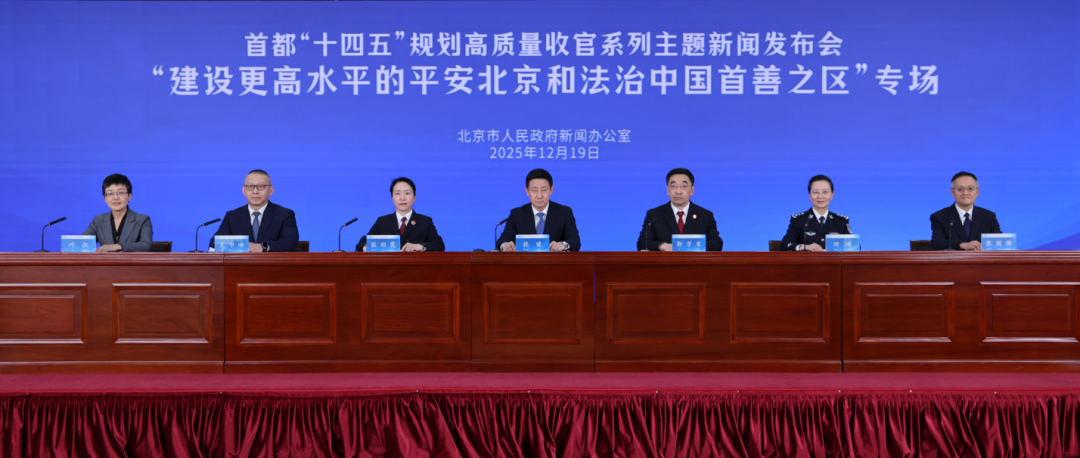
让群众“有地方找个说法”!北京打造矛盾纠纷化解一站式平台
Xin Lang Cai Jing· 2025-12-19 13:18
Core Viewpoint - Beijing is advancing the standardized construction of comprehensive governance centers to enhance conflict resolution capabilities and provide better services to the public [3][4]. Group 1: Overview of Comprehensive Governance Centers - The comprehensive governance center serves as an important platform for social security governance and the promotion of a peaceful China, integrating various dispute resolution resources into one location [3][4]. - Citizens can seek assistance for various disputes, including neighborhood conflicts, family issues, and labor disputes, as well as legal consultations at these centers [3]. Group 2: Standardization Progress - The standardized construction of governance centers is a significant decision made by the central government, focusing on five areas: venue setup, departmental presence, operational mechanisms, supervision, and information technology [4]. - By the end of June this year, all district-level governance centers in Beijing were operational, with a 100% presence of courts, procuratorates, public security, and judicial administrative departments [4]. - Since the operation of these centers began in July, they have received over 185,000 visits and processed 74,000 various requests, successfully resolving over 65,000 cases [4]. Group 3: Future Directions - The governance centers aim to create an environment where legal procedures are utilized to resolve conflicts, promoting a culture of legal compliance and problem-solving through law [5].
吴桂英调研重点民生实事工作
Xin Lang Cai Jing· 2025-12-19 12:12
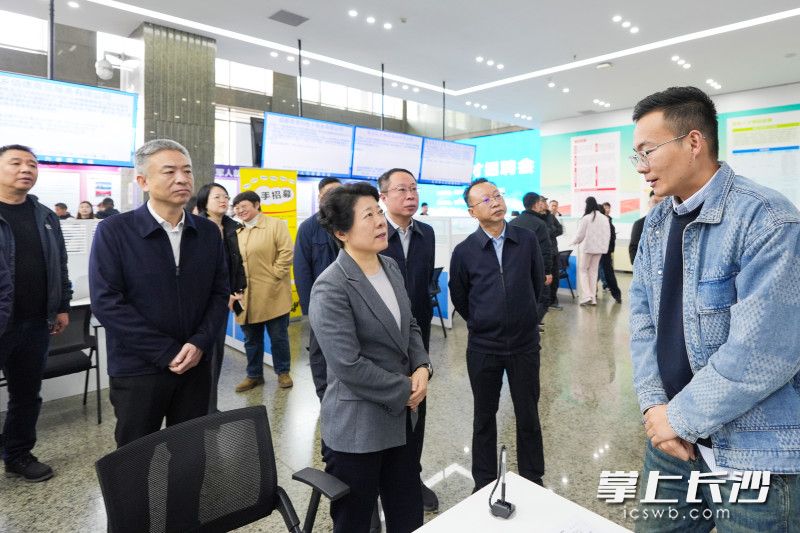
稿源:掌上长沙 2025-12-19 20:03 吴桂英调研重点民生实事工作 践行以人民为中心的发展思想 用心用情高质高效办好民生实事 长沙晚报掌上长沙12月19日讯(全媒体记者 凌晴)19日,省委常委、市委书记吴桂英专题调研重点民生实事工 作。她强调,要深入学习贯彻党的二十届四中全会精神,认真落实省委十二届九次全会要求,践行以人民为中心 的发展思想,始终把保障和改善民生摆在突出位置,用心用情、高质高效办好民生实事,让群众获得感成色更 足、幸福感更可持续、安全感更有保障。 市委、市政府高度重视民生工作。2025年,长沙市铺排省、市重点民生实事项目20件,涉及69个指标。截至目 前,全部目标任务已圆满完成。 长沙市一中科学城校区已于今秋投入使用。吴桂英走进校园察看校区建设和办学情况,督导校园安全等工作,要 求立足新区科教和产业优势,彰显办学特色,增强片区核心竞争力与综合承载力;要持续加强与改进思想政治教 育,坚持"五育并举",促进学生全面发展;要做好校园消防安全、食品安全和周边环境整治等各项工作,扎实推 进平安校园建设。 市级领导周健、邹特、周凡、周志凯、彭涛参加。 就业是最大的民生。走进长沙市人力资源市场,吴 ...
中央力推投资于人,释放民生红利
Zhong Guo Xin Wen Wang· 2025-12-13 05:39
"必须坚持投资于物和投资于人紧密结合""坚持民生为大,努力为人民群众多办实事"。 如何实现投资于人? 中央经济工作会议部署2026年经济工作,人被放在重要位置。 这与"十五五"规划建议中"坚持惠民生和促消费、投资于物和投资于人紧密结合"的表述相呼应,释放出 更多财政资金和公共资源将投向人的政策信号。 国家发改委投资研究所副所长盛磊向三里河表示,会议强调"坚持投资于物和投资于人紧密结合",体现 了以人民为中心的发展思想。人民不断增长的美好生活需要,是投资的底层逻辑和最大潜力。 从投资于物的效益来看,当前中国固定资产投资年度规模已达50万亿元。北京大学经济学院教授、国民 经济研究中心主任苏剑接受三里河采访时表示,中国发展进入新阶段,投资于物的投资收益率已呈现逐 渐下降的趋势。 "相反,投资于人成为一个极具潜力的战略方向。"苏剑认为,在人力方面的投入永远不会亏损,因为人 具有创造力,能够通过创新开辟更多发展机遇,并带来更高回报。 从大国博弈的背景看,科技竞争是一大主战场,归根结底是人才竞争。 这也意味着,实现物质资本与人力资本协同并进,已不再是一个选项,而是一种战略必需。 我国正面临深刻的产业升级需求,科技创新是带 ...
大国小巷·首善之治|千年古都“逆龄”生长
Yang Guang Wang· 2025-12-12 01:45
胡同不老,古都新生。历史文脉融入现代生活,老城改造提升居民品质。这既是北京的城市更新实践, 更是"以人民为中心"发展思想的生动诠释。 中共北京市委网信办、中央广播电视总台央广网推出"大国小巷·首善之治"时政微视频,以京华巷陌之 变,回答"怎样推进基层治理现代化"的时代命题。 [ 责编:李卓凝 ] ...
新思想引领新征程丨站在人民立场考虑问题,坚持在发展中保障和改善民生
Yang Guang Wang· 2025-12-11 05:36
Core Viewpoint - The Chinese government emphasizes the importance of improving people's livelihoods as part of its modernization efforts, focusing on equitable development and common prosperity [1]. Group 1: Urban Renewal and Community Development - The government is actively implementing urban renewal actions during the 14th Five-Year Plan, particularly focusing on the renovation of old residential communities to enhance living standards [4]. - In Shenyang, the renovation of the Chang'an community has significantly improved residents' quality of life, with upgrades to heating and other utilities [1][4]. - The Ministry of Housing and Urban-Rural Development is prioritizing projects that directly impact citizens' interests, aiming to eliminate safety hazards and improve living environments [4]. Group 2: Elderly Care and Social Services - Hebei's Shijiazhuang has developed a comprehensive home-based elderly care service network, creating a 15-minute service radius for senior citizens [4]. - The city has established standardized community elderly service centers to provide various support services, including meal delivery and health guidance [4]. - The government is reforming elderly care services to ensure that the elderly are well cared for and can contribute to society [5]. Group 3: Employment and Economic Stability - The government has introduced policies to promote high-quality employment, aiming for an annual urban job creation target of over 12 million, with 10.57 million jobs created in the first three quarters of this year [5]. - The Ministry of Human Resources and Social Security is focusing on income distribution to ensure that hard work and skills are rewarded, particularly in high-demand sectors [6]. Group 4: Family Support and Childcare - The government has launched various policies, including childcare subsidies and free preschool education, to reduce the financial burden on families [5]. - These initiatives are part of a broader strategy to support families and ensure that children receive proper care and education [5]. Group 5: People's Well-being and Governance - The government is committed to placing people's needs at the forefront of its policies, ensuring that quality of life continues to improve as a primary goal of economic and social development [7]. - President Xi Jinping has reiterated the importance of addressing the public's basic needs, such as education, elderly care, and job opportunities, as essential to achieving a happy life for all [7].