
常态化帮扶

Search documents
从中央农村工作会议看2026年“三农”工作战略部署
Xin Hua She· 2025-12-31 04:10
Core Viewpoint - The Central Rural Work Conference emphasized the importance of agricultural and rural modernization as a key component of China's overall modernization strategy, with a focus on ensuring food security and promoting rural revitalization [2][3][5]. Group 1: Agricultural and Rural Modernization - The conference highlighted the need to anchor agricultural and rural modernization as a priority for the comprehensive construction of a socialist modern country, reflecting the Party's deep understanding of the current agricultural development situation [2][4]. - A series of strategic deployments were discussed to accelerate agricultural modernization, including the development of new agricultural productivity, improvement of rural living environments, and deepening rural reforms [3][4]. Group 2: Food Security - The conference underscored the necessity of solidifying food security, with measures such as stabilizing grain and oil production and implementing a new round of grain production capacity enhancement actions [5][6]. - Protecting arable land was identified as crucial for food security, with commitments to maintain stable planting areas and optimize crop structures [6][7]. Group 3: Poverty Alleviation and Rural Revitalization - The transition to a normalized support phase for poverty alleviation was emphasized, with a focus on integrating this into the rural revitalization strategy to prevent a return to poverty [8][10]. - The conference proposed various measures to support underdeveloped areas, ensuring long-term assistance and monitoring mechanisms to sustain poverty alleviation achievements [8][10][11]. Group 4: Rural Infrastructure and Living Conditions - The need to improve rural living conditions and infrastructure was highlighted, with a focus on creating quality living spaces in rural areas and enhancing the overall rural environment [12][13]. - The conference called for a balanced approach to rural development, emphasizing the importance of both hard infrastructure and soft environmental factors, including cultural and social aspects [12][13]. Group 5: Rural Reform and Investment - Further deepening rural reforms was identified as essential for energizing rural development, particularly in managing land relations as the second round of land contracts approaches expiration [14][16]. - The conference proposed innovative financing mechanisms for rural revitalization to attract financial and social capital, aiming to enhance investment in rural areas [16].

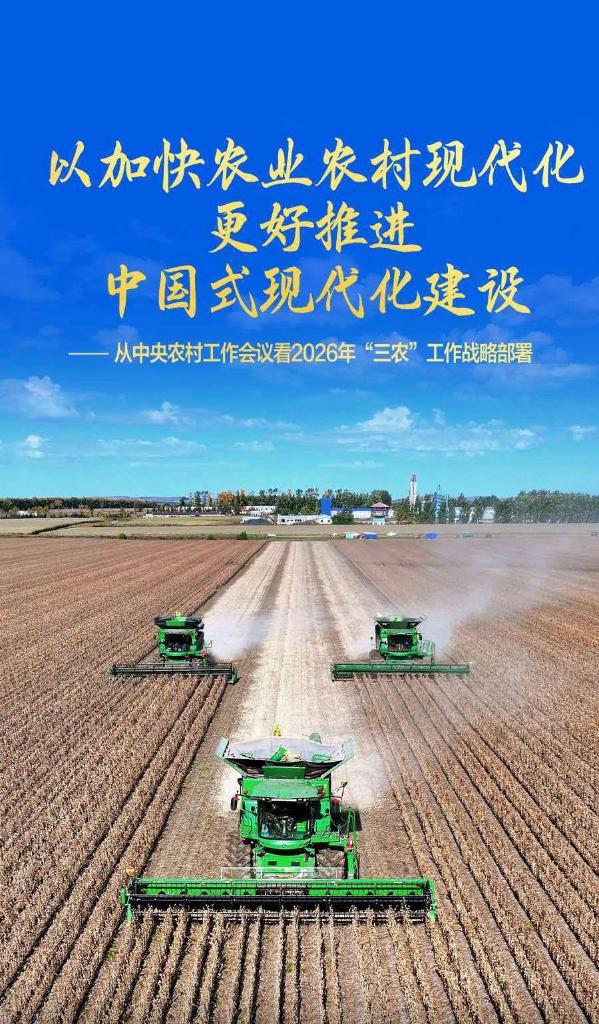
中央明确过渡期后要健全常态化帮扶政策,接续支持欠发达地区
2 1 Shi Ji Jing Ji Bao Dao· 2025-12-30 07:57
Core Viewpoint - The central rural work conference highlighted the transition to a normalized support phase for rural revitalization starting in 2026, emphasizing the importance of consolidating poverty alleviation achievements and preventing large-scale poverty recurrence [1][2]. Group 1: Policy Framework - The conference emphasized the need to integrate normalized support into the rural revitalization strategy, marking a shift from concentrated efforts to a long-term mechanism for poverty alleviation [1][2]. - A key task for 2026 is to ensure that policies remain uninterrupted and support does not weaken after the transition period, aiming for deep integration of poverty alleviation and rural revitalization [2][3]. Group 2: Implementation Strategies - The focus will be on establishing a stable policy framework post-transition, maintaining overall stability in fiscal input, financial support, and resource allocation while optimizing for effectiveness [3]. - Support for underdeveloped areas will be prioritized, with a focus on fostering local industries and improving rural infrastructure and public services to reduce urban-rural development gaps [3]. - A monitoring system for poverty prevention will be established to ensure timely and precise assistance, with tailored support for different population segments based on their capabilities [3].
视频丨交卷!脱贫地区大变样 这份答卷超亮眼
Xin Lang Cai Jing· 2025-12-27 02:14
Core Insights - The article emphasizes the successful transition from poverty alleviation to rural revitalization in China, highlighting the achievements over the past five years in maintaining stability and preventing large-scale poverty [1] Group 1: Achievements in Poverty Alleviation - A comprehensive safety net has been established, with over 7 million monitoring subjects identified and supported to eliminate poverty risks by the end of September [1] - The total output value of industries in poverty-stricken counties has surpassed 1.7 trillion yuan, with nearly three-quarters of the impoverished population linked to new agricultural business entities [3] - The employment scale for the impoverished population has remained stable at over 30 million, with various channels facilitating local employment and improving job quality and income levels [5] Group 2: Income Growth and Financial Support - The per capita disposable income of rural residents in poverty-stricken counties has increased from 12,588 yuan in 2020 to 17,522 yuan in 2024, with growth rates exceeding the national average for four consecutive years [7] - A total of 850.5 billion yuan has been allocated by the central government for rural revitalization, focusing on infrastructure and public services in 160 key support counties and 35,000 resettlement areas [9] Group 3: Future Support and Policy Continuity - Post-transition, support policies will not abruptly cease; they will be integrated into the rural revitalization strategy for ongoing implementation [11] - The approach will combine stable baseline support with targeted adjustments, ensuring a mix of safety net measures and developmental assistance [13] - Data-driven strategies will be employed to identify households at risk of falling back into poverty due to unforeseen circumstances, providing tailored support packages [15] - Developmental assistance will focus on empowering the impoverished population through industry and employment support, fostering self-reliance and motivation for a better life [17]
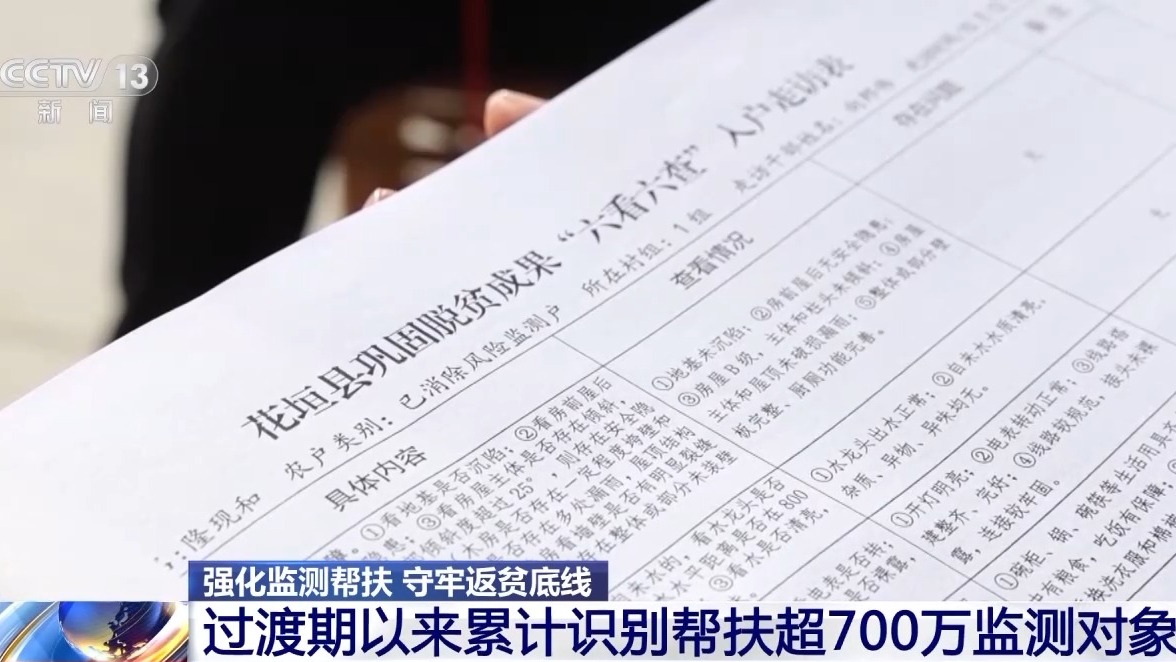
构建长效金融支持体系 夯实乡村振兴帮扶根基
Zheng Quan Ri Bao· 2025-12-21 16:24
Core Viewpoint - The central economic work conference emphasizes the need to consolidate and expand the achievements of poverty alleviation, integrating regular assistance into the rural revitalization strategy to prevent large-scale poverty recurrence [1] Group 1: Financial Support System - Banks are urged to establish a long-term and precise financial support system to maintain the bottom line against large-scale poverty recurrence, injecting sustainable momentum into rural revitalization [1] - The core of regular assistance lies in accurately addressing needs, requiring banks to strengthen party leadership and establish a regular connection mechanism with grassroots organizations to assess the production and financing needs of impoverished households [1] - Leveraging digital transformation, banks should create online lending channels and simplify approval processes, allowing farmers to access convenient financial services without leaving their homes [1] Group 2: Enhancing "Blood Production" Capacity - Preventing large-scale poverty recurrence hinges on enhancing the "blood production" capacity of impoverished areas, with banks focusing on key groups and optimizing small loans for impoverished populations [2] - Financial support should be aligned with rural industrial development, increasing credit support for family farms, cooperatives, and leading agricultural enterprises, embedding financial services throughout the industrial development chain [2] - Banks should deepen collaboration with local governments and guarantee institutions to share credit risks and expand financial support coverage [2] Group 3: Risk Prevention and Monitoring - Long-term assistance requires a solid risk prevention framework, with banks establishing dynamic monitoring mechanisms to track loan usage and income changes using big data technology [3] - A differentiated assistance strategy should be developed based on the characteristics of different regions and groups to avoid a one-size-fits-all approach [3] - Strengthening data sharing with agricultural, rural, and emergency departments is essential to integrate policy-based anti-poverty insurance with credit services, creating a multi-layered risk protection network [3]
巩固拓展脱贫攻坚成果 过渡期之后怎么干?专家解读
Yang Shi Xin Wen· 2025-12-13 02:47
Core Viewpoint - The recent Central Economic Work Conference emphasizes the importance of integrating normalized assistance into the rural revitalization strategy to prevent large-scale poverty and ensure sustainable development after the five-year transition period ends [1][2]. Group 1: Policy Implementation - The normalized assistance will be a continuation of the policies established during the transition period, aimed at maintaining stability and preventing large-scale poverty [1]. - The government assures that assistance policies will not abruptly cease after the transition period, as many farmers will still face challenges requiring support [1][2]. Group 2: Monitoring and Support Mechanisms - The focus will be on enhancing the timeliness and precision of monitoring and assistance for households facing sudden difficulties due to illness or natural disasters [3]. - A robust monitoring and assistance mechanism will be established, leveraging big data to improve the effectiveness of support measures [3]. Group 3: Targeted Assistance for Underdeveloped Areas - The government will continue to provide long-term support to underdeveloped regions, with a focus on 160 key counties identified for rural revitalization [3][5]. - Efforts will be made to improve rural infrastructure and public services, thereby reducing the urban-rural development gap and solidifying the foundation for preventing poverty [3][5].
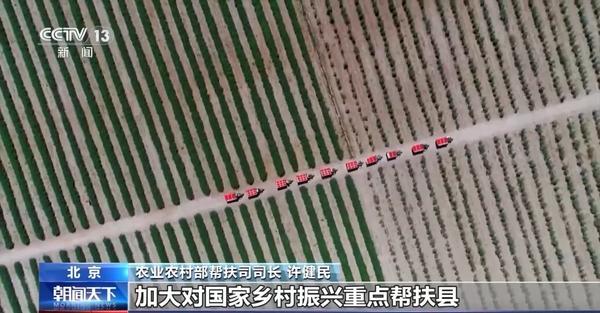
从粮食安全到县域发展,2026年“三农”工作划重点
2 1 Shi Ji Jing Ji Bao Dao· 2025-12-12 00:45
Group 1 - The central economic work conference held on December 10-11, 2023, outlined eight key tasks for economic work in 2026, emphasizing coordinated development and urban-rural integration [1] - The conference highlighted the importance of promoting high-quality development in county economies, which are crucial for urbanization and rural revitalization [2][3] - The report indicates that by the end of 2024, there will be 1,869 counties in China, contributing 38.35% to the national economic output and over 75% to national agriculture [2] Group 2 - The conference stressed the need to maintain reasonable prices for important agricultural products and ensure food security, with grain production expected to exceed 1.4 trillion jin in 2024 [4][5] - It was noted that China has achieved 21 consecutive years of grain harvests, but challenges remain due to resource constraints and rising consumer demand [4] - The conference called for strict adherence to farmland protection and the promotion of high-standard farmland construction to enhance agricultural productivity [5] Group 3 - The meeting emphasized the importance of integrating regular assistance into the rural revitalization strategy to prevent large-scale poverty [7][8] - A five-year transition period from 2021 to 2025 was established to consolidate poverty alleviation achievements and ensure sustainable development in impoverished areas [7] - The conference proposed a systematic approach to assist underdeveloped regions, focusing on long-term support and improving rural infrastructure and public services [8][9]
全省巩固拓展脱贫攻坚成果同乡村振兴有效衔接工作会议召开
Xin Hua Ri Bao· 2025-06-25 21:59
Core Points - The meeting emphasized the importance of consolidating and expanding the achievements of poverty alleviation and effectively connecting with rural revitalization, marking the last year of the five-year transition period [1][2] - There is a focus on identifying and addressing outstanding issues in the consolidation and connection fields, ensuring the continuous improvement of the sense of gain, happiness, and security for low-income rural populations [1] - The transition period will lead to a new phase of normalized assistance, with a focus on developing internal motivation and promoting common prosperity through coordinated rural revitalization and urban-rural integration [2] Group 1 - The meeting highlighted the need to carefully manage the transition period's tasks, ensuring the completion of employment assistance and support for key areas [1] - A comprehensive review of existing risks and issues in the consolidation efforts is necessary, with a clear action plan for rectification [1] - The meeting called for innovative cooperation methods to enhance regional coordinated development and contribute to common prosperity [1] Group 2 - After the transition period, a new stage of normalized assistance will be initiated, focusing on layered and categorized support [2] - The emphasis will be on sustainable development and ensuring that policies and responsibilities are effectively aligned with ongoing assistance efforts [2] - The meeting also included discussions on the roles of various provincial departments and cities in implementing these strategies [2]
刘国中强调 毫不松懈巩固拓展脱贫攻坚成果 平稳有序衔接过渡到常态化帮扶
news flash· 2025-05-29 12:52
Core Viewpoint - The meeting emphasized the importance of consolidating and expanding the achievements of poverty alleviation while ensuring a smooth transition to normalized assistance, aiming to prevent large-scale poverty recurrence [1] Group 1 - The meeting was attended by Liu Guozhong, a member of the Political Bureau of the Central Committee and Vice Premier of the State Council [1] - The focus is on maintaining efforts to consolidate and expand poverty alleviation results [1] - There is a commitment to a stable and orderly transition to normalized support mechanisms [1]
刘国中:毫不松懈巩固拓展脱贫攻坚成果 平稳有序衔接过渡到常态化帮扶
news flash· 2025-05-29 12:44
Core Viewpoint - The article emphasizes the importance of consolidating and expanding the achievements of poverty alleviation efforts while ensuring a smooth transition to normalized support mechanisms, as highlighted by Liu Guozhong, a member of the Political Bureau of the CPC Central Committee and Vice Premier of the State Council [1] Group 1 - Liu Guozhong stresses the need to thoroughly study and implement the important speeches and directives of General Secretary Xi Jinping, as well as the decisions made by the Central Committee and the State Council [1] - The focus is on maintaining a firm commitment to consolidating and expanding poverty alleviation results, preventing large-scale return to poverty [1] - Post-transition, there will be a continued emphasis on regular support for low-income rural populations and underdeveloped areas [1] Group 2 - The approach will prioritize stability while seeking progress, emphasizing a structured and categorized method for precise assistance [1] - Development-oriented assistance will be regarded as a top priority, with efforts to optimize and improve support policies [1] - The goal is to ensure a smooth transition and seamless connection in support efforts, thereby building a stronger defense against the risk of returning to poverty [1]