网络谣言治理

Search documents
网信办和证监会联手,一批涉资本市场不实信息的账号被处置
Zheng Quan Shi Bao· 2025-12-19 09:52
Core Viewpoint - The National Internet Information Office and the China Securities Regulatory Commission are intensifying efforts to address false information related to the capital market, leading to the closure of accounts that spread rumors and illegally recommend stocks [1][2][3] Group 1: Regulatory Actions - Regulatory bodies emphasize the sensitivity of capital market information and the legal consequences of spreading false information that disrupts market stability [1][2] - A number of self-media accounts have been identified for fabricating false IPO policies and misleading the public, which has negatively impacted investor decision-making [2][3] - The National Internet Information Office has initiated a special action to clean up online misinformation about enterprises, leading to the closure of accounts that spread harmful content [3][4] Group 2: Impact on Financial Institutions - Self-media accounts have been found to spread rumors about listed companies and financial institutions, causing reputational damage and affecting their operations [3][4] - The dissemination of negative information about financial institutions undermines the overall image of the industry and disrupts normal business operations [3][4] Group 3: Use of Technology in Misinformation - Some accounts have utilized AI technology to generate and spread false information, significantly disrupting the order of information dissemination [5] - The use of AI to produce misleading content has led to the closure of multiple accounts that misinform the public and confuse perceptions [5] Group 4: Market Manipulation and Illegal Recommendations - Certain self-media accounts have been found to manipulate stock market trends and make baseless predictions to attract attention and traffic [6] - Accounts that illegally recommend stocks and mislead investors into making poor decisions have been shut down [6] Group 5: Industry Responsibility and Public Awareness - Industry insiders stress the importance of accurate information dissemination for the stable operation of the capital market and the need for all parties to act responsibly [7] - There is a call for the public to develop a correct investment philosophy and enhance their ability to discern financial information [7]
周鸿祎被指“财务造假”,360集团声明
券商中国· 2025-12-16 13:53
Group 1 - The article highlights that Yu Hong maliciously defamed Zhou Hongyi, the founder of 360 Group, and several entrepreneurs in multiple WeChat groups, which has had a severe negative impact [1] - 360 Group emphasizes that Yu Hong previously served as the head of Gamewave, which was acquired by Qihoo360 over a decade ago, and that he never held a core management position at 360 Group during his brief tenure [1] - The claims made by Yu Hong regarding "financial fraud" are completely unfounded, as 360 Group adheres to compliance and regularly undergoes audits by authoritative institutions, ensuring financial transparency and health [1] - In response to the defamation, 360 Group will take legal action against Yu Hong to protect its reputation and legal rights, urging the public to maintain a clean online environment [1]



两家上市公司联姻!
Bei Jing Ri Bao Ke Hu Duan· 2025-12-15 14:31
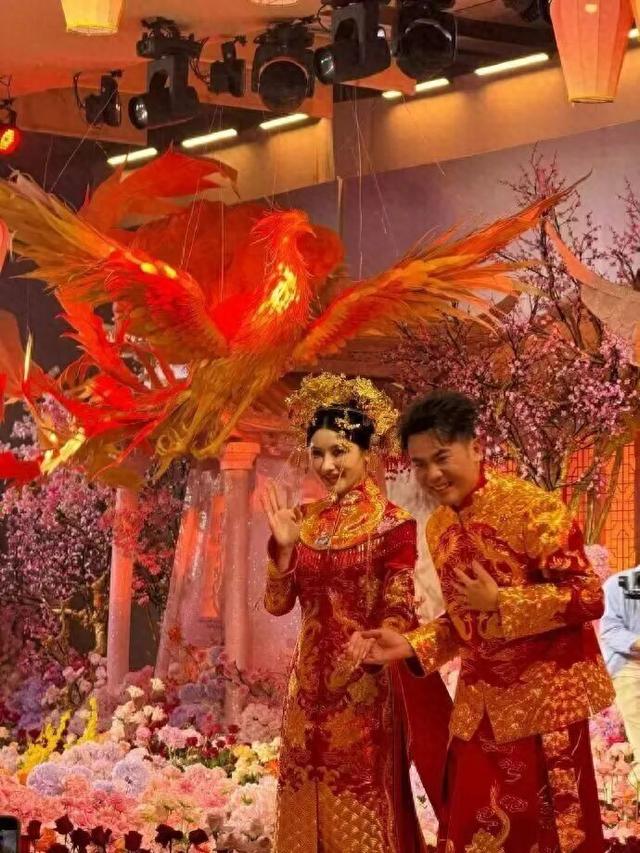
Group 1 - Zhang Junjie, the founder of Bawang Chaji, married Gao Haichun, daughter of Gao Jifan, founder of Trina Solar, on December 15, with Bawang Chaji milk tea served at the wedding [1] - Zhang Junjie announced his marriage in November, revealing that he registered his marriage in June and addressed rumors surrounding his personal life and business [4][5] - Bawang Chaji has over 7,000 stores globally and more than 200 million registered members, with plans to go public on NASDAQ in April 2025 [8] Group 2 - The company has faced numerous rumors since November 2024, including false claims about Zhang Junjie’s marriage and business, which have been widely circulated on social media [8] - Legal actions have been taken against those spreading rumors, resulting in penalties and public apologies from the offenders [8] - Trina Solar, established in December 1997, is listed on the Shanghai Stock Exchange and has a market capitalization of approximately 39.589 billion yuan as of December 15 [9]
重庆网警:编造“某品牌汽车致多人死亡”谣言,一网民被处罚
Yang Shi Wang· 2025-12-08 08:29
Group 1 - The core issue involves the malicious creation and dissemination of false information regarding a car brand, which has led to damage to the company's commercial reputation [1] - A specific incident involved an individual named Mei, who fabricated a story claiming that a certain brand of car was involved in a fatal accident, which was later confirmed to be a rumor [1] - The Chongqing Public Security Bureau's Cybersecurity Department has taken action against 8 similar cases of malicious online rumors targeting car companies this year, contributing to the regulation of online chaos in the automotive industry [1] Group 2 - The police have issued a reminder that the internet is not a lawless space, emphasizing the legal consequences for those who create and spread false information that disrupts social order [2] - The authorities will pursue legal responsibility for actions that have severe negative impacts, urging the public to refrain from creating, believing, or spreading rumors [2]
先导智能辟谣!
起点锂电· 2025-12-07 10:12
Core Viewpoint - The article discusses the upcoming 2025 (10th) Lithium Battery Industry Annual Conference and the Lithium Battery Golden Tripod Award Ceremony, emphasizing the theme of "New Cycle, New Technology, New Ecology" and the significance of the event for the lithium battery industry [2]. Event Details - The event will take place on December 18-19, 2025, at the Venus Royal Hotel in Shenzhen, with an expected attendance of over 1,200 participants and an online viewership of 30,000 [2]. - The event is organized by various entities including Qidian Lithium Battery, Qidian Solid-State Battery, Qidian Energy Storage, and Qidian Research Institute (SPIR) [2]. Sponsorship and Participation - The first batch of sponsors and speakers includes notable companies such as New Energy An, Haichen Energy Storage, Rongjie Energy, and others, indicating strong industry support and participation [2]. Recent Developments - Ganfeng Lithium has secured 1 billion yuan in financing, highlighting ongoing investment activity in the lithium battery sector [5]. - Haichen Energy Storage has received a significant order of 120 GWh, showcasing demand growth in energy storage solutions [5]. - There are discussions about a potential joint venture between Geely and SK On focusing on lithium iron phosphate batteries, indicating strategic partnerships in the industry [5].


300450:已报案
Shang Hai Zheng Quan Bao· 2025-12-06 07:02
Group 1 - The company issued a formal statement denying the rumors about a "solar equipment engineer in India suffering serious personal harm," emphasizing that such claims are false and malicious [2][3] - The company highlighted its commitment to the safety and legal rights of all global employees, stating that it has a comprehensive overseas dispatch and safety assurance system in place, with all dispatched employees currently safe [3] - The company has reported the malicious accounts spreading these rumors to law enforcement and is cooperating with investigations, asserting that the internet is not a lawless space and that those spreading false information will face legal consequences [3] Group 2 - The company condemned the actions of certain self-media accounts that use insinuation and sensationalism to spread vulgar rumors, which not only tarnish the image of Chinese enterprises abroad but also disrupt the normal work and life of overseas employees and their families [3] - The company urged the public to refrain from believing or spreading rumors and to collectively resist vulgar online violence, aiming to maintain a clean online environment [3]

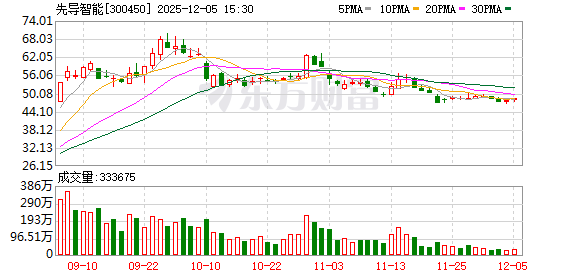
先导智能否认工程师在印度遭伤害,已向警方报案
Mei Ri Jing Ji Xin Wen· 2025-12-06 04:55
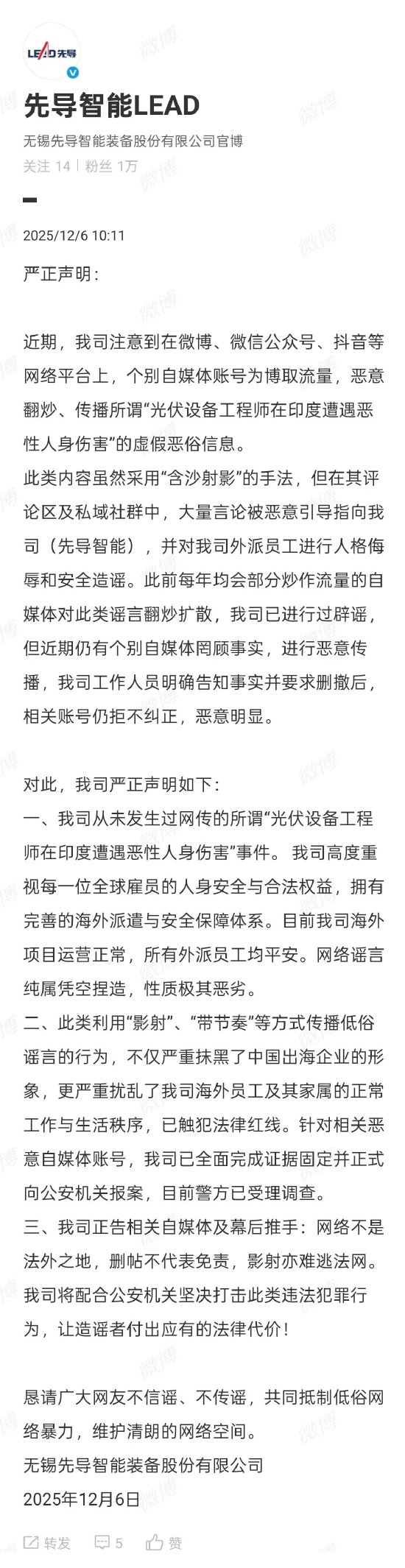
【#先导智能否认工程师在印度遭伤害#】12月6日上午,先导智能发布了一则"严正声明"。先导智能表 示,近期注意到在微博、微信公众号、抖音等网络平台上,个别自媒体账号为博取流量,恶意翻炒、传 播所谓"光伏设备工程师在印度遭遇恶性人身伤害"的虚假恶俗信息。 先导智能表示,此类内容虽然采用"含沙射影"的手法,但在其评论区及私域社群中,大量言论被恶意引 导指向该公司,并对该公司外派员工进行人格侮辱和安全造谣。此前每年均会部分炒作流量的自媒体对 此类谣言翻炒扩散,先导智能已进行过辟谣,但近期仍有个别自媒体罔顾事实,进行恶意传播,先导智 能工作人员明确告知事实并要求删撤后,相关账号仍拒不纠正,恶意明显。 对此,先导智能严正声明如下: 一、先导智能从未发生过网传的所谓"光伏设备工程师在印度遭遇恶性人身伤害"事件。 先导智能高度 重视每一位全球雇员的人身安全与合法权益,拥有完善的海外派遣与安全保障体系。目前先导智能海外 项目运营正常,所有外派员工均平安。网络谣言纯属凭空捏造,性质极其恶劣。 二、此类利用"影射"、"带节奏"等方式传播低俗谣言的行为,不仅严重抹黑了中国出海企业的形象,更 严重扰乱了先导智能海外员工及其家属的正常 ...
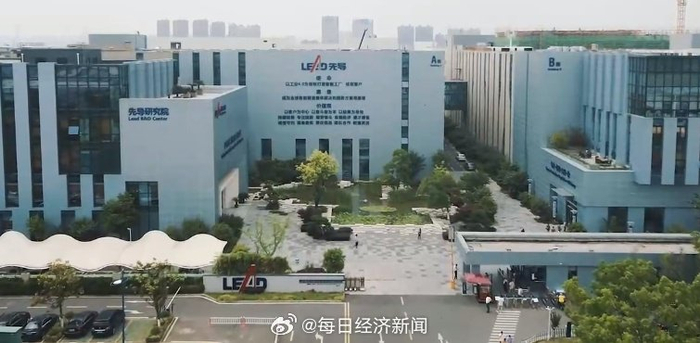
先导智能辟谣:从未发生工程师在印度遭人身伤害事件,已报案
Xin Lang Cai Jing· 2025-12-06 02:57
Core Viewpoint - The company, Wuxi Xian Dao Intelligent Equipment Co., Ltd., has issued a statement denying the occurrence of a rumored incident involving a "photovoltaic equipment engineer suffering serious personal harm in India," labeling the rumors as malicious fabrications aimed at gaining traffic on social media platforms [1][6][10]. Group 1 - The company emphasizes that it has never experienced the alleged incident and prioritizes the safety and legal rights of its global employees, maintaining a comprehensive overseas dispatch and safety assurance system [4][10]. - All overseas projects are operating normally, and all dispatched employees are safe [1][6][10]. - The company has noted that certain self-media accounts have been spreading false information, which not only tarnishes the image of Chinese enterprises abroad but also disrupts the normal work and life of its overseas employees and their families [2][7]. Group 2 - The company has completed evidence collection against the malicious self-media accounts and has formally reported the matter to law enforcement, which is currently under investigation [2][7]. - The statement warns that the internet is not a lawless space, and actions such as deleting posts do not equate to immunity from legal consequences [4][10].
郑州辟谣
证券时报· 2025-11-23 11:01
Core Points - The article addresses the false rumor regarding a car accident near Xiao Qiao subway station, which allegedly resulted in 8 deaths. The actual incident involved 4 injuries due to driver error, with no fatalities reported [2]. Group 1 - The rumor about the car accident near Xiao Qiao subway station is confirmed to be false [2]. - The incident occurred on May 21, 2025, and was caused by driver error, resulting in 4 injuries [2]. - Authorities urge the public to refrain from spreading rumors and to adhere to legal regulations when sharing information online [4].

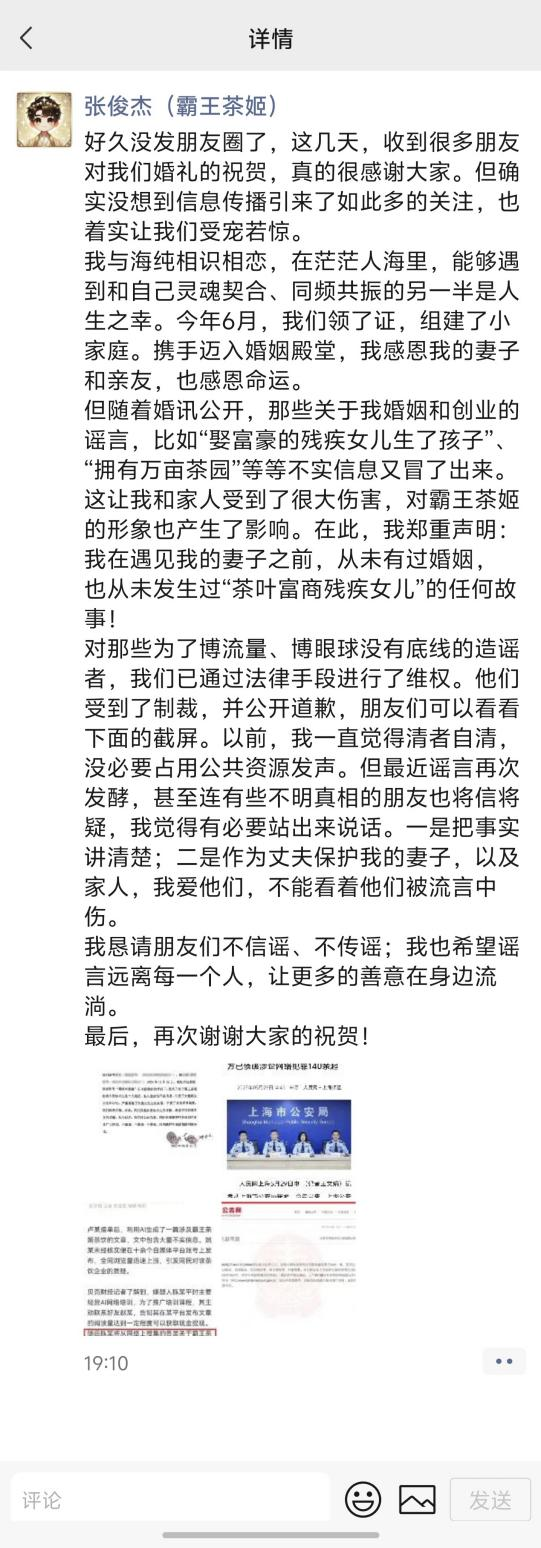
霸王茶姬创始人张俊杰辟谣:此前从未有过婚姻,也从未有“茶叶富商残疾女儿”的任何故事,家人受到很大伤害,有必要站出来说话
Mei Ri Jing Ji Xin Wen· 2025-11-22 01:29
Core Viewpoint - The wedding of Zhang Junjie, the founder of Bawang Tea Ji, has attracted significant public attention, leading to the need for him to address various rumors surrounding his marriage and business [1][2][5]. Group 1: Personal Background and Marriage - Zhang Junjie confirmed his marriage to Gao Haichun, stating they registered their marriage in June of this year and expressed gratitude for the public's blessings [2][6]. - Gao Haichun is the daughter of prominent figures in the photovoltaic industry and has held various leadership roles at Trina Solar, including co-chairman [9]. Group 2: Rumors and Legal Actions - Following the announcement of his marriage, numerous false rumors emerged, including claims about his wife's background and their financial status, which have caused distress to him and his family [2][5]. - Zhang Junjie has taken legal action against the spreaders of these rumors, resulting in penalties and public apologies from the offenders [5][6]. Group 3: Company Background - Bawang Tea Ji, founded in November 2017 in Yunnan, has rapidly expanded to over 6,000 stores [6]. - Zhang Junjie has a background in management and business development, having previously worked in various roles before establishing Bawang Tea Ji [6].