俄乌冲突

Search documents
俄罗斯遭大规模袭击!特朗普态度大转变,中方回应泽连斯基涉华言论
Mei Ri Jing Ji Xin Wen· 2025-09-25 09:11
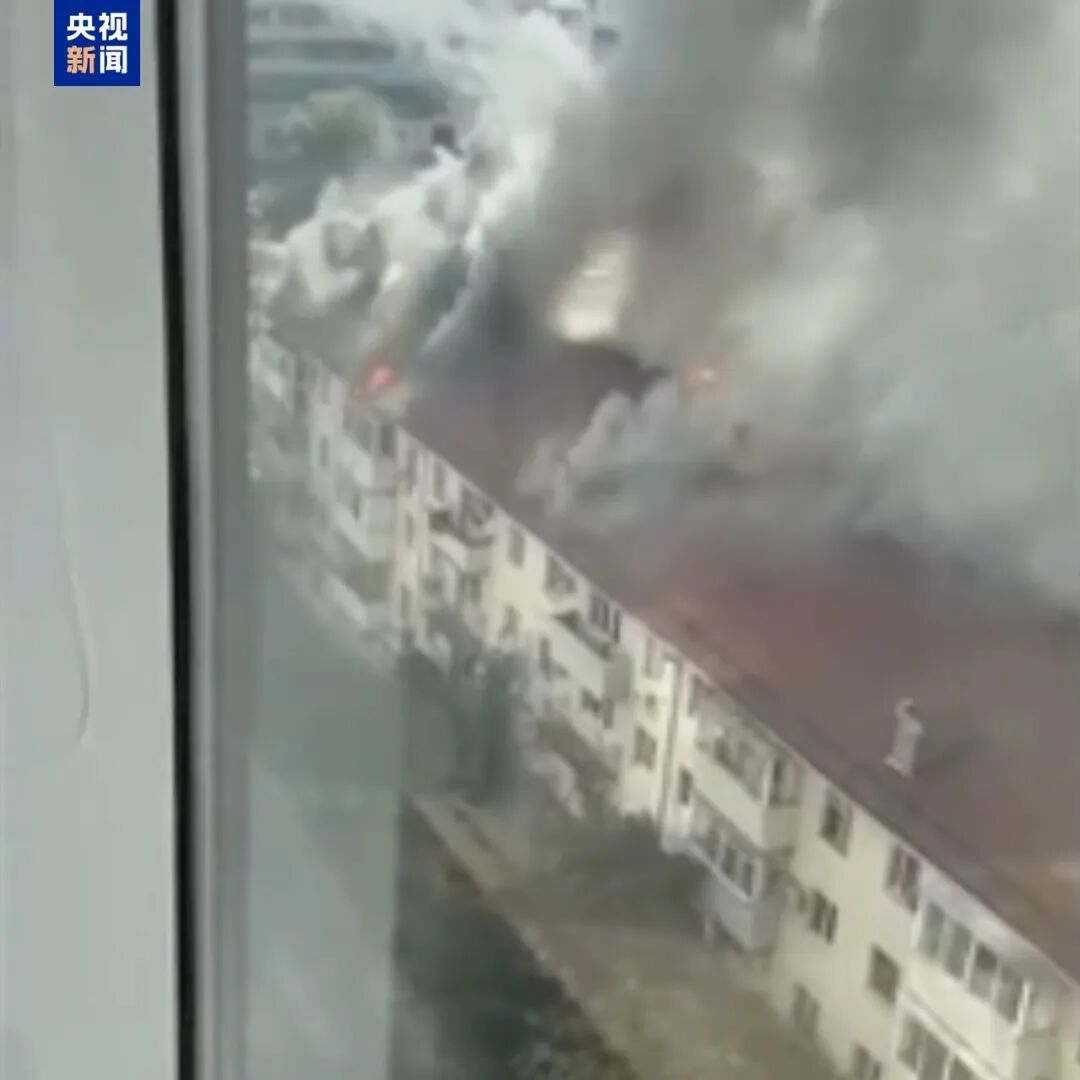
每经编辑|陈柯名 据央视新闻,当地时间9月24日,俄罗斯克拉斯诺达尔边疆区行政长官康德拉季耶夫发布消息称,位于该地区黑海边的港口城市新罗西斯克遭乌军无人机 袭击,导致2人死亡、6人受伤,另有位于市中心的5栋民宅和1座宾馆受损。 此外,里海管道财团位于新罗西斯克的办公室也在袭击中受损。 目前,该市已宣布进入紧急状态。 根据现场目击者称,有被击落的无人机坠落至路边车辆上并引发了火灾。 康德拉季耶夫呼吁民众不要恐慌,注意安全并尽量留在家中,防空部队正在反击。他同时下令要求相关部门对伤者进行救助。 乌克兰方面对此暂无回应。 乌称陆军训练部队遭导弹袭击 有人员伤亡 同日,乌克兰陆军司令部通报称,俄军当天对乌克兰陆军训练部队实施袭击,事件造成人员伤亡。通报显示,俄军此次袭击动用了两枚"伊斯坎德尔"导 弹。 乌克兰陆军司令部在声明中表示:"尽管已采取安全防范措施,但由于庇护所被精准击中,未能完全避免人员伤亡。" 目前,相关应急部门已赶赴现场进行处置,伤者已在第一时间获得全部必要的医疗救助。 另据俄罗斯卫星通讯社报道,俄罗斯国防部周二(9月23日)通报,俄军对策划和实施针对克里米亚恐怖袭击的乌克兰武装部队和外国雇佣兵进行了打 ...

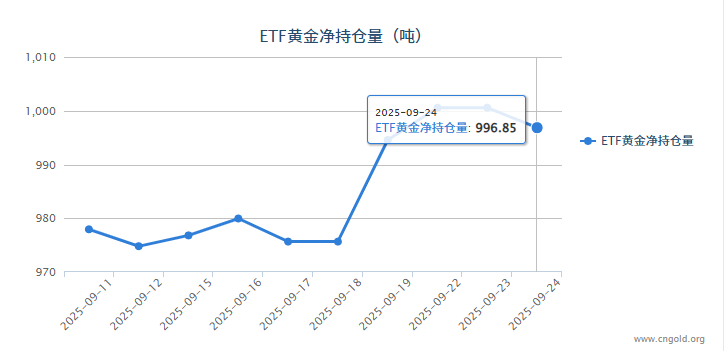
【黄金etf持仓量】9月24日黄金ETF较上一交易日减少3.72吨
Jin Tou Wang· 2025-09-25 07:19
Group 1 - The largest gold ETF, iShares Silver Trust, reported a holding of 996.85 tons of gold as of September 23, which is a decrease of 3.72 tons from the previous trading day [1] - As of September 24, the spot gold price closed at $3736.07 per ounce, reflecting a decline of 0.74%, with an intraday high of $3779.15 and a low of $3717.10 [1] Group 2 - Goldman Sachs indicated that the European Union is unlikely to impose a complete ban on oil imports from Russia [3] - Ukrainian President Zelensky discussed with French President Macron the use of frozen Russian assets for Ukraine's benefit and further sanctions against Russia, particularly targeting its shadow oil tanker fleet [3] - Hungarian Foreign Minister Szijjarto expressed the need to end the Russia-Ukraine conflict and emphasized Russia as a reliable energy partner for Hungary, highlighting the geographical dependency on Russian oil and gas for energy security [3]
又要背锅?欧洲谨慎对待特朗普对乌言论,怀疑是一个“局”
Jin Shi Shu Ju· 2025-09-25 04:24
Core Viewpoint - The article discusses President Trump's recent shift in rhetoric regarding Ukraine, indicating a push for European allies to take more responsibility in supporting Ukraine against Russia, while not proposing new measures from the U.S. [2][3] Summary by Sections U.S. Position on Ukraine - Trump has reversed his previous stance that Ukraine had "no cards to play," suggesting that Ukraine could reclaim 20% of its territory with European support, which contradicts most allies' intelligence assessments that a stalemate is the best expected outcome [2][3] - Despite Trump's optimistic tone, there are concerns among officials that he is shifting the burden of resolving the conflict onto Europe [2][3] European Response - European officials welcomed Trump's change in tone but remain cautious, feeling that he is not committing to new U.S. actions to support Ukraine [2][3] - Trump has urged Europe to reduce its energy purchases from Russia, with the EU's energy imports from Russia significantly decreasing since the conflict began [4] Sanctions and Economic Pressure - Trump has suggested imposing tariffs of up to 100% on countries that have increased their purchases of Russian fuel since the conflict began, which poses a significant challenge for European allies [4] - There are calls for the U.S. to lower its price cap on Russian oil to match the EU's level of $47.60 per barrel to more effectively target Russia's financing [5] Russia's Economic Situation - Russia is experiencing economic strain, with the government warning of tax increases to offset costs, while Ukraine's infrastructure is being heavily targeted [3][5] - Trump's approach appears to be more about pressuring Europe rather than taking direct action against Russia, with a focus on shifting responsibility for the conflict resolution [5]
克宫回应特朗普倒向乌克兰:他被泽连斯基“洗脑”了!
Jin Shi Shu Ju· 2025-09-25 00:49
AI播客:换个方式听新闻 下载mp3 音频由扣子空间生成 克里姆林宫发言人佩斯科夫告诉记者,"据我们所知,特朗普总统的声明是在与(乌克兰总统)泽连斯 基沟通后发表的,显然是受到了泽连斯基所阐述的愿景的影响。这一愿景与我们对当前事态的理解形成 鲜明对比。" 他补充说,"乌克兰正被以各种可能的方式鼓励继续敌对行动,以及乌克兰可以赢回一些东西的论点, 在我们看来,是一个错误的论点……前线的动态已说明了一切。" 尽管俄罗斯在许多地区继续缓慢推进,但一段时间以来,它在乌克兰并未取得重大突破。民族主义的俄 罗斯参议员Dmitry Rogozin表示,他认为前线正处于僵局,因为装备、训练和士气上的均势,已使双方 的势头陷入停滞。 俄罗斯驳斥特朗普的"纸老虎"评论 佩斯科夫称俄罗斯的宏观经济状况是稳定的,尽管俄罗斯经济部周三公布的数据显示,今年的GDP增 长预测已从2.5%下调至1%。 俄罗斯财政部已提议提高增值税以资助军事开支。 克里姆林宫驳斥了特朗普将俄罗斯描述为"纸老虎"的说法。佩斯科夫告诉RBC电台,俄罗斯更多地是与 熊联系在一起,而非老虎,而纸熊是不存在的。 克里姆林宫周三断然驳斥了美国总统特朗普所说的、其在俄乌冲 ...
突发!俄罗斯,遭袭!
券商中国· 2025-09-24 23:38
Core Viewpoint - The article discusses the escalating tensions between Russia and Ukraine, highlighting recent military actions and political statements that indicate a deteriorating relationship between the two nations and their interactions with the United States [1][2][12]. Group 1: Military Actions - Ukrainian forces conducted a drone attack on the Russian port city of Novorossiysk, resulting in 2 deaths and multiple injuries, with damage to residential buildings and a hotel [4][6]. - The Russian military retaliated against Ukrainian training units, using two Iskander missiles, which led to casualties among Ukrainian personnel [8]. - Russia's defense ministry reported strikes against Ukrainian special forces and military facilities in response to attacks on Crimea, including drone storage sites and military enterprises [10][9]. Group 2: Political Statements - Russian presidential spokesperson Peskov stated that attempts to normalize U.S.-Russia relations have yielded minimal results, with significant issues remaining unresolved [12]. - U.S. President Trump expressed a belief that Ukraine could regain its territory with EU and NATO support, while also indicating continued U.S. military assistance to NATO allies [12]. - Ukrainian President Zelensky expressed willingness to meet with President Putin in various locations, excluding Moscow, which he views as a tactic to delay discussions [13]. Group 3: Economic Implications - The European Union is considering raising import tariffs on Russian oil, although no specific timeline has been provided [16][17]. - Hungary and Slovakia continue to import significant amounts of Russian oil, despite pressure from the U.S. to halt such purchases [18]. - The EU is also planning to provide compensation loans to Ukraine, potentially amounting to €130 billion [19].

宣称俄经济困难是“纸老虎”,鼓动乌克兰夺回“所有土地”,特朗普俄乌立场“重大转变”?
Huan Qiu Shi Bao· 2025-09-24 23:06
Core Viewpoint - Trump's recent statements indicate a significant shift in his stance on the Russia-Ukraine conflict, suggesting that Ukraine can reclaim all territories occupied by Russia with the support of Europe and NATO, and urging immediate action from Ukraine [1][3][4]. Group 1: Trump's Statements and Reactions - Trump expressed confidence that Ukraine could "win back all territories" and restore its original borders, describing Russia as a "paper tiger" facing economic difficulties [3][4]. - Ukrainian President Zelensky found Trump's comments surprising and viewed them as a major shift, indicating closer alignment between Ukraine and the U.S. [3][4]. - European officials welcomed Trump's statements, highlighting their strength and the potential for a unified stance against Russia [3][4]. Group 2: Media and Expert Analysis - Western media noted that Trump's reversal is not unprecedented, pointing out his previous pressure on Ukraine to concede territory for a ceasefire [4][6]. - Analysts suggest that Trump's comments may reflect a strategy to leverage the conflict for U.S. economic interests, particularly in arms sales to Europe [6][7]. - There is skepticism regarding the sincerity and effectiveness of Trump's statements, with some questioning what concrete actions he would take to support Ukraine [7][8]. Group 3: Russia's Response - Russian officials, including spokesperson Peskov, rejected Trump's characterization of Russia as a "paper tiger," asserting that Russia is a "real bear" and emphasizing its commitment to its military operations [5][9]. - Peskov acknowledged economic challenges in Russia but attributed them to Western sanctions and global economic conditions, asserting that Russia's economy has adapted to the ongoing conflict [5][9]. Group 4: Implications for NATO and Future Actions - Trump's ambiguous responses regarding NATO's potential military actions against Russia raise questions about his commitment to collective defense [8]. - The ongoing stagnation of peace talks and the potential for increased U.S. involvement in the conflict are highlighted as critical factors influencing the situation [6][8].
和泽连斯基会面后 特朗普称乌克兰有望夺回领土!俄方回应!鲁比奥:俄拖延和平进程促使总统改变态度
Mei Ri Jing Ji Xin Wen· 2025-09-24 15:29
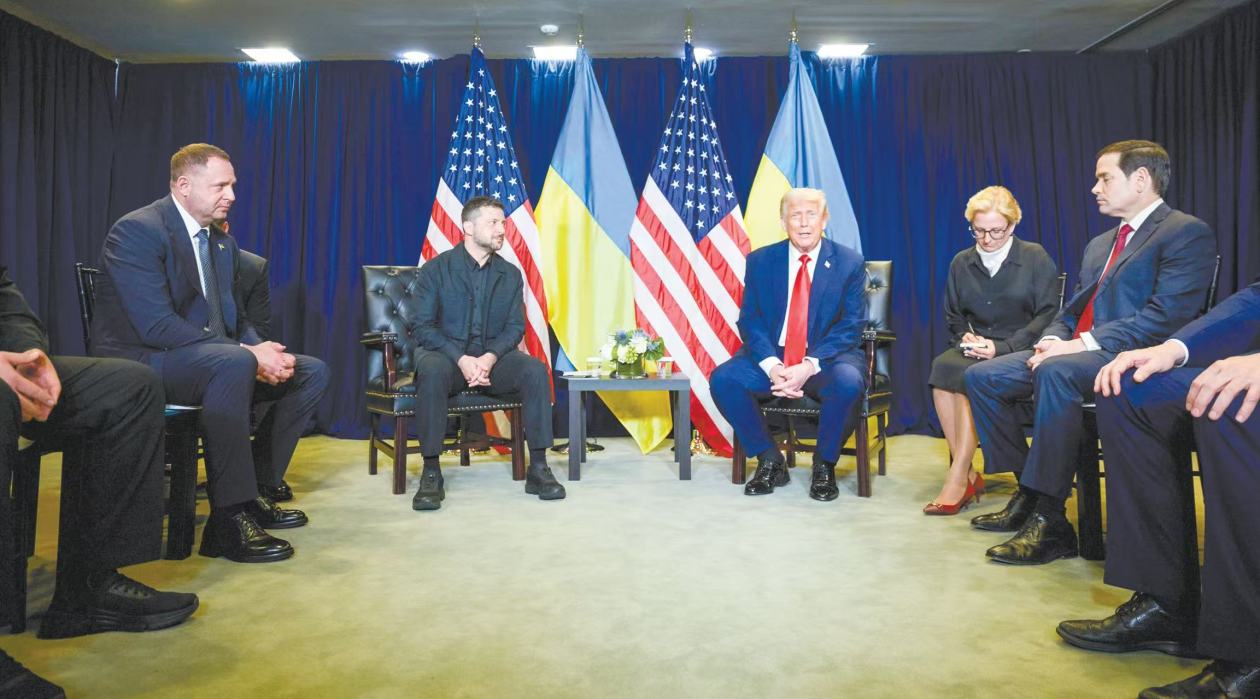
Group 1 - The core viewpoint of the articles highlights the evolving dynamics of the Russia-Ukraine conflict and the implications for U.S. foreign policy, particularly under President Trump's administration [1][2] - Russian officials, including spokesperson Peskov, indicate that the normalization of U.S.-Russia relations is progressing slower than expected due to accumulated issues over the years [1] - U.S. Secretary of State Rubio emphasizes the potential for economic sanctions against Moscow and the continuation of military aid to Ukraine, reflecting a shift in U.S. strategy towards a more assertive stance [2] Group 2 - President Trump expressed optimism about Ukraine's ability to regain its territory with support from the EU and NATO, suggesting that the prolonged conflict has created economic difficulties for Russia [2] - The recent bilateral meeting between Trump and Ukrainian President Zelensky is seen as a pivotal moment influencing U.S. policy, particularly regarding military support for NATO allies [2] - Analysts note that the stagnation of Russia-Ukraine negotiations since the Alaska summit in August has contributed to the shift in Trump's stance towards a more supportive approach for Ukraine [2]
特朗普称乌边界有望“恢复原状” 俄称将向美方传递立场
Yang Shi Xin Wen· 2025-09-24 11:17
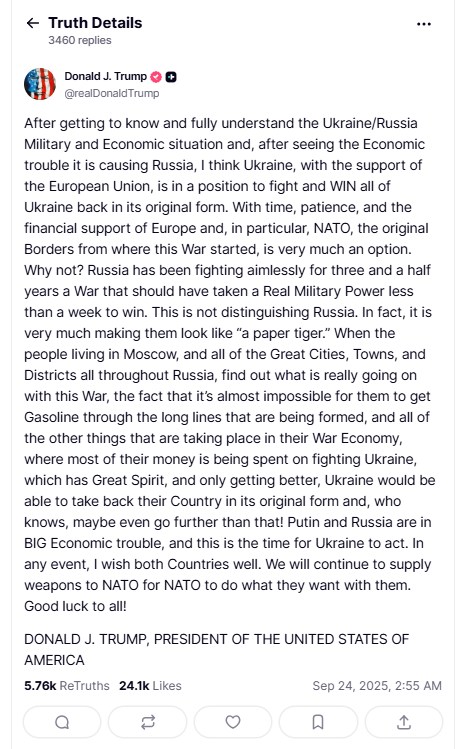
Core Viewpoint - The statements made by U.S. President Trump regarding the Russia-Ukraine conflict were influenced by his meeting with Ukrainian President Zelensky, highlighting a divergence in understanding between the U.S. and Russia on the current situation [1] Group 1: Russia's Response - Russian presidential spokesperson Peskov indicated that Trump's remarks were shaped by the information provided by Zelensky, which contrasts sharply with Russia's interpretation of the situation [1] - Peskov mentioned that Russia will have the opportunity to communicate its position to the U.S., a task assigned to Foreign Minister Lavrov, who is currently attending the UN General Assembly in New York [1] Group 2: U.S.-Russia Relations - Peskov noted that the normalization of U.S.-Russia relations is progressing much slower than expected due to significant issues accumulated over the past years, which hinder the advancement of bilateral relations [1] - He emphasized the need to expedite discussions on sensitive issues within the bilateral relationship, as current progress is slow [1] Group 3: U.S. Support for Ukraine - Trump expressed his belief that Ukraine, with support from the EU and NATO, has the potential to "win back all of Ukraine and restore the status quo" [1] - He reaffirmed that the U.S. will continue to provide weapons to NATO allies [1]
立场“180度大转弯”!特朗普:乌克兰有望从俄夺回领土,恢复边界
Mei Ri Jing Ji Xin Wen· 2025-09-24 07:25
每经编辑|陈柯名 据新华社报道,美国总统特朗普9月23日称,他现在认为乌克兰在欧盟和北约支持下,有望"赢回全部乌克兰,恢复原状"。 当天,特朗普还在讲话中将俄罗斯称为"纸老虎",同时表示支持欧洲国家在俄罗斯战机侵犯北约领空时将其击落。 特朗普的此番言论再次逆转了他先前就结束俄乌冲突所作的表态,也是他迄今为止对乌克兰最强烈的公开支持。 当天,特朗普在其社交媒体平台Truth Social上发布长文称,在充分了解乌克兰和俄罗斯的军事、经济状况,以及这给俄罗斯造成的经济困境后,"我认为 乌克兰在欧盟的支持下,完全有能力战胜一切,最终恢复原状"。 "乌克兰将能够以原有的形式夺回他们的国家,谁知道呢,也许会走得更远!普京和俄罗斯正面临巨大的经济困境,现在是乌克兰采取行动的时候了。无 论如何,我祝愿两国一切安好。我们将继续向北约提供武器,让北约做他们想做的事。祝大家好运!"他写道。 当被问及特朗普的帖子时,乌克兰总统泽连斯基告诉记者:"这是一个很大的转变。这篇文章是一个很大的转变。非常积极的。" 图片来源:视觉中国 他认为,在欧盟财政支持,特别是北约军事支持下,加上时间和耐心,回到"这场战争开始时的原有边界是一个完全可行 ...
就俄乌问题,特朗普突然“改变立场”
中国基金报· 2025-09-24 06:57
Group 1 - The core viewpoint of the article is that former President Trump believes Ukraine has the potential to "regain all of Ukraine and restore the original borders" with the support of the EU and NATO [2] - Trump stated that the ongoing conflict, lasting over three and a half years, has created economic difficulties for Russia, suggesting that with EU financial support and NATO military backing, returning to the original borders is a feasible option [2] - Following a meeting with Ukrainian President Zelensky during the UN General Assembly, Trump expressed support for NATO allies, indicating that NATO countries should take action against Russian aircraft entering their airspace, depending on specific circumstances [2] Group 2 - The article notes that Trump's recent statements reflect a shift in his stance, which analysts attribute to the stagnation of Russia-Ukraine negotiations after the Alaska summit on August 15 [2] - NATO has initiated the "Eastern Sentinel" military operation to strengthen defense and deterrence along its eastern flank, in response to recent claims by Poland and Estonia regarding Russian incursions into their airspace [2]