
枫桥经验

Search documents
海报|这场故事汇,让人泪目又安心
Xin Lang Cai Jing· 2026-01-10 00:56
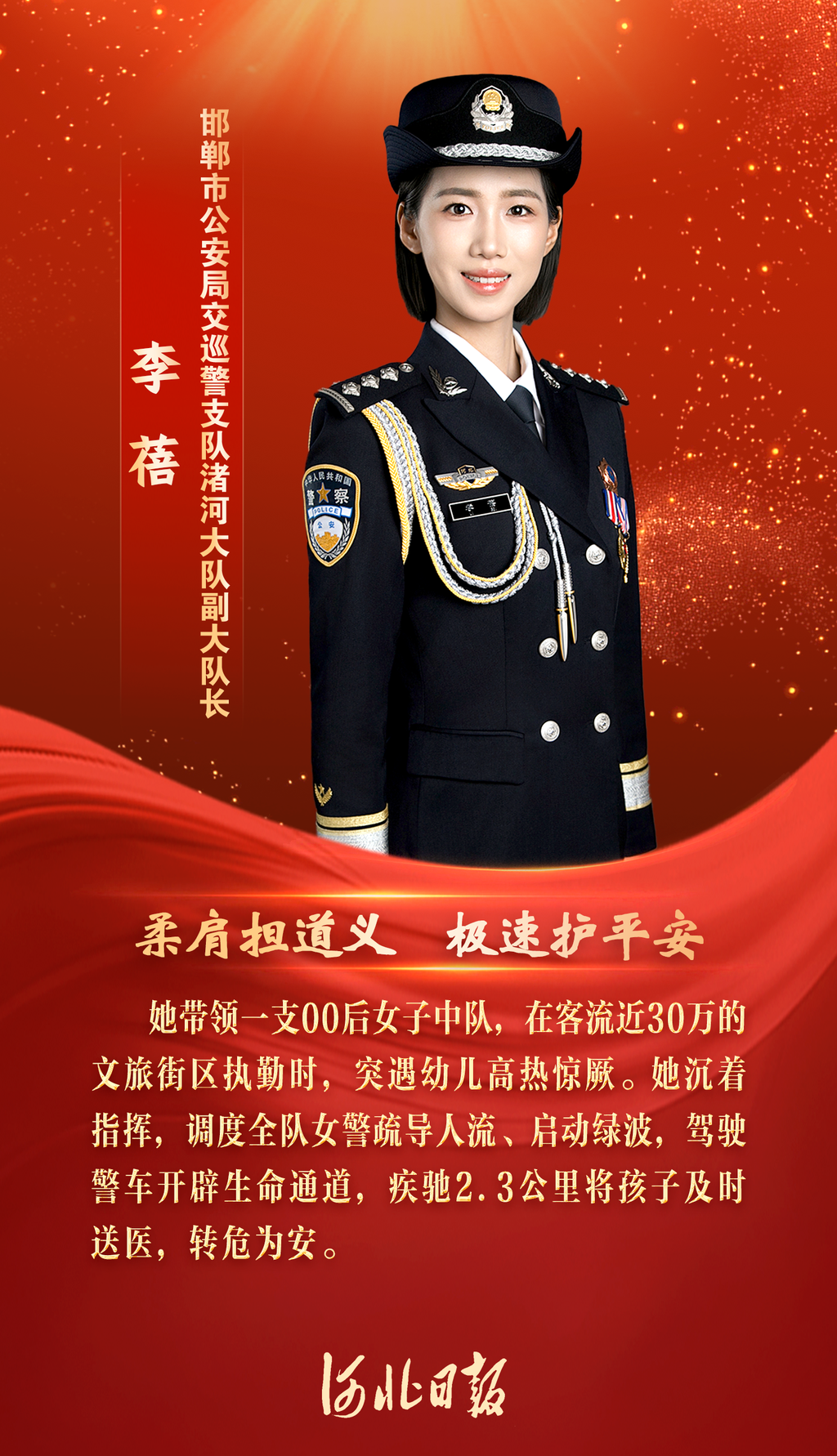
Core Viewpoint - The article celebrates the sixth China People's Police Day, highlighting various stories of police officers and their dedication to public safety and community service [1]. Group 1: Police Stories - A female officer led a team to assist a child experiencing a medical emergency during a busy event, successfully navigating through heavy crowds to deliver the child to medical care [3]. - During a severe storm, an officer ventured into a cut-off village and, over 72 hours, helped rescue 14 individuals, showcasing bravery and commitment to community safety [6]. - A police team conducted a comprehensive operation against a major fraud case, apprehending 13 suspects and recovering over 1.2 million yuan for victims [10]. - After receiving new leads, a police team solved a 27-year-old cold case by gathering evidence and testimonies over 180 days, ultimately bringing the perpetrator to justice [14]. - A police unit developed an AI system named "Zhang Police Officer," which can quickly identify suspects and analyze evidence, successfully preventing numerous fraud attempts and saving over 7 million yuan for the public [17]. Group 2: Community Engagement - An officer known for his patient communication has documented over 4,000 community contacts, fostering harmony and safety through personal engagement and conflict resolution [19]. - A police station has implemented the "Fengqiao Experience," organizing a community defense team of nearly 300 members to address local conflicts and solve civil cases, earning recognition as a "Fengqiao-style police station" [22].

以忠诚担当绘就“平安画卷”
Xin Lang Cai Jing· 2026-01-10 00:54
Core Viewpoint - The article emphasizes the dedication and sacrifices of the Chinese police force, highlighting their commitment to maintaining public safety and serving the people, especially in the context of the upcoming sixth China People's Police Day [1][2]. Group 1: Achievements and Responsibilities - China has become one of the safest countries in the world, attributed to the unwavering loyalty and efforts of police officers [1]. - The police force has successfully handled various challenges, including natural disasters and crime prevention, demonstrating their commitment to public safety [5][9]. - The police have made significant strides in combating crime, with 258,000 fraud cases solved in 2025, recovering 217.07 billion yuan in illicit funds [9]. Group 2: Community Engagement and Trust - Police officers are actively involved in community relations, resolving disputes and fostering trust among residents, as seen in the case of a long-standing land dispute in a historical town [10][11][12]. - The police have implemented initiatives like "Million Police Enter Ten Million Homes" to better understand and respond to community needs [12]. Group 3: Technological Innovations and Reforms - The police are leveraging technology to enhance efficiency, such as the introduction of "Smart 110" in Zhejiang Province, which improves emergency response times [13]. - Various reforms have been enacted to improve public service, including 24/7 service availability in Dalian and online processing of administrative tasks [15]. Group 4: Safety and Security Measures - The police have taken proactive measures to ensure safety during major events, maintaining a high standard of security for public gatherings [4]. - Continuous efforts are made to protect the environment and combat organized crime, with thousands of cases related to environmental violations being prosecuted [9].
平凡故事里写满守护和担当
Xin Lang Cai Jing· 2026-01-09 18:43
Core Viewpoint - The article highlights the dedication and impactful stories of community police officers in Hebei Province, showcasing their efforts in maintaining social harmony and stability through various initiatives and community engagement [1] Group 1: Community Policing Initiatives - Officer Gao Haijin from Tangshan has spent 21 years fostering harmony and stability in his jurisdiction, earning the affection of the community [1] - Wang Hongxin, a police officer and founder of the Red Heart Volunteer Service Association, has helped 1,364 at-risk youth return to the right path, emphasizing the importance of community support in preventing juvenile crime [1] Group 2: Celebrating Police Contributions - The Hebei Provincial Public Security Department held an event to celebrate the sixth China People's Police Day, where 13 grassroots police officers shared their stories of loyalty, crime fighting, and community service [1] - Various officers have contributed to tourism safety, responded to emergencies during severe weather, and pursued long-standing criminal cases, demonstrating their commitment to public safety and justice [1] Group 3: Innovation in Policing - The introduction of a new policing model combining "professionalism, mechanisms, and big data" aims to enhance crime prevention, investigation, and community service, marking a transformative era in public security through technology [1] - The establishment of nearly 300 "Anci Residents" community defense organizations reflects the ongoing development of the "Fengqiao Experience" in modern policing, focusing on community engagement and safety [1] Group 4: Recognition of Police Stations - Since the launch of the "Fengqiao-style Police Station" initiative by the Ministry of Public Security, 13 police stations in Hebei have been recognized as national-level, and 55 as provincial-level, highlighting the effectiveness of community-oriented policing [1]
以“四下基层”躬身践行“民生为大”
Xin Lang Cai Jing· 2026-01-05 18:44
Group 1 - The central economic work conference emphasizes "putting people's livelihood first" and aims to translate top-level design into tangible benefits for the public [1][2] - The "Four Down to the Grassroots" approach is highlighted as a key method for implementing livelihood policies effectively [1][3] - Policies must be communicated in relatable terms and formats to ensure they reach the public, utilizing various channels such as short videos and community platforms [1][2] Group 2 - The focus on "solving urgent and satisfactory issues for the public" is essential, with an emphasis on understanding grassroots needs through direct engagement [2][3] - Regular visits and interactions with the community are necessary to identify and address employment, social security, and safety concerns [2] - Establishing a "grassroots reception day" system allows for direct communication with the public, facilitating timely resolution of conflicts and issues [2][3] Group 3 - The effectiveness of livelihood work is ultimately measured by practical results, necessitating on-site problem-solving and accountability [3] - A "现场办公台账" (on-site office ledger) should be established to track specific issues related to employment, social security, and safety [3] - The commitment to "immediate action and quality execution" is crucial for transforming promises into tangible outcomes for the community [3]
泰州金融纠纷调解中心揭牌
Xin Hua Ri Bao· 2026-01-04 21:57
Group 1 - The establishment of the Taizhou Financial Dispute Mediation Center and the launch of the "Xiangtai Finance" brand mark a significant step in creating a professional and diversified financial dispute resolution system, enhancing local financial ecology and social governance [1][3] - The Taizhou government emphasizes that the mediation center is a strategic initiative to respond to social concerns, aiming to optimize the financial ecosystem and improve governance capabilities through a "source governance, prevention first" approach [1][2] - The mediation center will focus on "preventing disputes at the source" and will integrate various forces through an "online + offline" platform to provide quicker and lower-cost dispute resolution solutions [2] Group 2 - The Taizhou Intermediate People's Court has established a service network that covers the entire region, innovating a rapid resolution mechanism for small disputes and a fully digital platform to ensure seamless connection between mediation and litigation [2] - The first batch of six mediators received their appointment letters, indicating the practical implementation of the mediation center's vision and the commitment to safeguarding financial security [3] - The "Xiangtai Finance" initiative is expected to become a distinctive symbol of high-quality financial development in Taizhou, promoting a harmonious financial environment [3]
温情帮扶解民忧 司法为民暖人心
Xin Lang Cai Jing· 2026-01-03 19:19
Core Viewpoint - The Dazhong County Judicial Bureau's focus on addressing urgent issues faced by special groups through compassionate legal services has strengthened community ties and improved public trust in the judicial system [1] Group 1: Achievements and Initiatives - As of December 30, the judicial office has resolved 18 similar conflicts and assisted 4 individuals from special groups within the year [1] - The implementation of the "Judicial Office + Civil Affairs + Comprehensive Governance" linkage mechanism has transformed complaints into trust-building opportunities for the community [1] Group 2: Case Study - A case involving a released inmate, Yuan, who faced unexpected disability and financial difficulties, highlights the judicial office's proactive approach in providing support [1] - The judicial office facilitated a temporary relief fund for Yuan within three days by coordinating with various departments and guiding him through the application process [1] - Yuan has since become a member of the "Legal Enlightenment" team, serving as a bridge between the community and the judicial office [1]
东莞市交通运输局创新党建引领执法工作新形式 《交通执法讲堂》第九期成功举办
Xin Lang Cai Jing· 2026-01-02 08:10
Group 1 - The event "Traffic Law Enforcement Classroom" aims to enhance the quality and efficiency of traffic law enforcement in Dongguan, emphasizing the integration of party leadership in the process [1][7] - The event included discussions on the theme "For whom to enforce the law, how to enforce the law," fostering consensus and confidence among participants [4][6] - The classroom has been held nine times, becoming a significant brand in Dongguan's traffic party-building system, linking political education with practical work [7] Group 2 - The event featured various activities, including a knowledge quiz on the "Administrative Law Enforcement Personnel Code of Conduct," enhancing the awareness of standardized law enforcement among participants [6] - A scenario simulation titled "Emergency Rescue" showcased the professional skills and emergency response capabilities of traffic law enforcement personnel [6] - The event also included artistic performances, such as poetry recitations and songs, to express the commitment to serving the public and the spirit of party leadership in law enforcement [6][7]

吴桂英主持召开专题会议调度安全生产和社会稳定工作
Chang Sha Wan Bao· 2026-01-01 02:35
Group 1 - The meeting emphasized the importance of safety production and social stability, highlighting the need for a strong sense of responsibility to protect people's lives and property [1][2] - The city is facing increased risks and challenges as the year-end approaches, necessitating thorough risk assessment and early intervention to eliminate potential hazards [1] - During the New Year holiday, there will be an increase in activities and gatherings, requiring optimized measures to ensure safety in crowded areas through enhanced monitoring and management [1] Group 2 - The leadership stressed the importance of coordinated efforts across the city, enforcing strict accountability measures for local management, industry regulation, and corporate responsibility [2] - There is a focus on maintaining discipline and integrity during the holiday period, ensuring a practical, clean, safe, and civilized celebration [2]
任振鹤在榆中县调研受灾群众搬迁安置后生产生活情况时强调 用心用情让受灾群众生活得更好 防范风险确保社会大局和谐稳定
Xin Lang Cai Jing· 2025-12-31 12:43
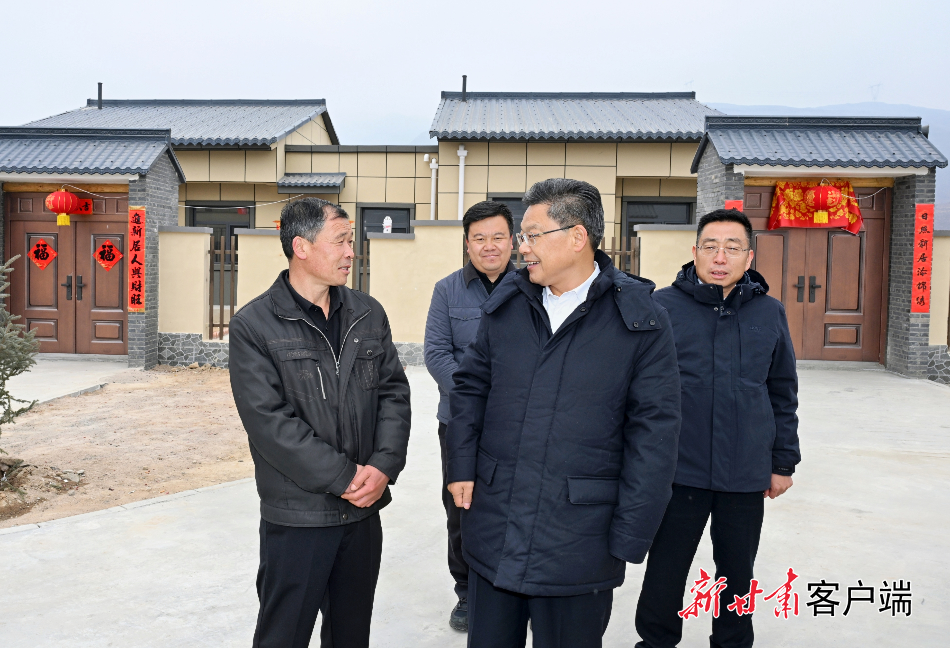
责任编辑:葛鹏 12月31日,元旦前夕,省委副书记、省长任振鹤来到榆中县,调研受灾群众搬迁安置后生产生活等情况。新甘肃·甘肃日报记者 盛学卿 新甘肃客户端榆中12月31日讯(新甘肃·甘肃日报记者 金鑫)元旦前夕,省委副书记、省长任振鹤来到榆中县,调研受灾群众搬迁安置 后生产生活等情况。他强调,要深入学习党的二十届四中全会精神,全面贯彻习近平总书记视察甘肃重要讲话重要指示精神,坚持以 人民为中心,树立和践行正确政绩观,更好统筹发展和安全,用心用情让受灾群众生活得更好,不断实现人民群众对美好生活的向 往,枕戈待旦防范化解各类风险,切实筑牢高质量发展的安全防线,确保百姓安居乐业、社会大局和谐稳定。 在马坡乡马莲滩村、新营镇八门寺村的集中安置点,任振鹤实地察看安置点建设及群众搬迁入住等情况,走进群众新居,看望慰问受 灾群众,向大家致以新年的美好祝福,与他们亲切交谈,详细了解房屋装修、产业就业等情况。他指出,当前,榆中县灾后集中安置 房建设任务已全面完成,受灾群众住进了安全、美丽、宜居的新家。搬进新居不是终点,而是新的起点。要切实做好安置点后续建设 工作,逐步提高基础设施完备度、公共服务便利度、人居环境舒适度,把家园建 ...
市委常委会召开会议:纵深推进全面从严治党,全力维护社会大局平安稳定
Chang Jiang Ri Bao· 2025-12-30 00:52
Group 1 - The meeting emphasized the importance of studying and implementing Xi Jinping's recent important speeches, particularly focusing on the "two establishments" and "two safeguards" to enhance political ecology and governance [1] - The meeting highlighted the need for high-quality execution of safety production, food and drug safety, and public petition work, ensuring the safety of people's lives and property [2][3] - The meeting discussed the necessity of strengthening political supervision and rectifying issues based on feedback from inspections, aiming to improve the overall political environment [1] Group 2 - The meeting called for the implementation of the "four strictest" requirements in food and drug safety, ensuring the safety of food products for the public [3] - It was stressed that safety production work should focus on risk prevention and the establishment of a professional talent team to enhance safety levels [2] - The meeting reviewed and approved documents for the upcoming municipal congress, emphasizing the need for a thorough analysis of achievements and challenges to ensure a strong start for the 15th Five-Year Plan [4]