
作风建设

Search documents
以优良作风凝聚决战决胜磅礴力量——2019年以习近平同志为核心的党中央贯彻执行中央八项规定、推进作风建设纪实
Si Chuan Ri Bao· 2026-01-04 07:05
Core Viewpoint - The article emphasizes the importance of the Communist Party of China's commitment to its original mission of seeking happiness for the Chinese people and rejuvenation for the Chinese nation, highlighting the need for continuous self-revolution and strict governance within the party [1][2]. Group 1: Party Governance and Discipline - In 2019, the Central Political Bureau focused on implementing the Central Eight Regulations and addressing formalism to reduce burdens on grassroots levels [2][6]. - The party's self-revolutionary spirit is crucial for maintaining its advanced nature and purity, which is essential for achieving the goal of building a moderately prosperous society [2][8]. - The Central Political Bureau has made significant efforts to improve work styles, including reducing unnecessary meetings and simplifying documentation [3][20]. Group 2: Public Engagement and Leadership - Xi Jinping's leadership style is characterized by direct engagement with the public, demonstrating a commitment to understanding and addressing the needs of the people [11][12]. - The emphasis on frugality and avoiding formalism during public celebrations reflects the party's dedication to maintaining a close relationship with the populace [13][18]. - The party's leadership has been proactive in addressing issues of public concern, such as poverty alleviation and environmental protection, through direct involvement in grassroots initiatives [15][16]. Group 3: Implementation of Regulations - The Central Political Bureau has taken concrete steps to enforce the Central Eight Regulations, resulting in a significant reduction in unnecessary expenditures and improved governance [20][33]. - A notable decrease in the number of formalism and bureaucratic issues has been reported, with over 6.28 million cases addressed in 2019 alone [30]. - The implementation of new accountability measures aims to strengthen the enforcement of party discipline and improve overall governance [31][32]. Group 4: Public Sentiment and Feedback - Public opinion surveys indicate a high level of satisfaction with the party's efforts to implement the Central Eight Regulations, with 98.3% of respondents recognizing the effectiveness of these measures [33]. - The ongoing commitment to addressing formalism and bureaucratic inefficiencies has led to a more positive perception of party officials and their work styles among the populace [30][33].
奋进开局之年 | “走好作风建设的‘长征路’”
Zhong Yang Ji Wei Guo Jia Jian Wei Wang Zhan· 2026-01-02 01:11
Group 1 - The article emphasizes the importance of maintaining party discipline and integrity to strengthen the nation, as highlighted by General Secretary Xi Jinping in his New Year address [1] - It mentions the ongoing education on the implementation of the Central Eight Regulations, which aims to address prominent issues within the party [1] - The article calls for learning from the history of the party, particularly the spirit of the Long March, to enhance the connection between the party and the people [1] Group 2 - A local discipline inspection and supervision cadre reflects on their commitment to listening to public opinion and ensuring the protection of people's livelihoods in rural areas [2] - Another cadre discusses the vibrant tourism market in Mohe despite extreme cold, focusing on improving governance through targeted supervision in the tourism sector [3] - A cadre from the southernmost part of the country emphasizes their role in maintaining discipline and contributing to the construction of a clean governance environment [4]
省委常委会召开会议学习贯彻习近平总书记近期重要讲话重要指示精神以更高标准更实举措推进全面从严治党为“十五五”时期经济社会发展提供坚强保障信长星主持并讲话
Xin Hua Ri Bao· 2026-01-01 00:00
Group 1 - The meeting emphasized the importance of implementing the spirit of Xi Jinping's recent important speeches and instructions, focusing on strengthening the Party's self-revolution and enhancing political supervision to create a clean political environment for economic and social development during the "14th Five-Year Plan" period [1][2] - The meeting highlighted the need to adhere to the central government's eight regulations and improve work style, aiming for new significant achievements in style construction [2] - The meeting discussed the importance of "Three Rural Issues" (agriculture, rural areas, and farmers) and the need for solid grain production, rural construction, and farmer income stability, while also enhancing cooperation with central enterprises to support provincial economic development [2][3] Group 2 - The meeting reviewed measures to support future industry investment growth, emphasizing the need for a diversified investment mechanism and the importance of creating a favorable industrial ecosystem to foster new economic growth points [3] - The meeting reiterated the commitment to uphold the central government's eight regulations, focusing on style construction and risk management, especially in key areas, to ensure public safety during the upcoming holiday season [3] - The meeting discussed the draft regulations for promoting the private economy and ensuring agricultural product quality safety, indicating ongoing legislative efforts to support economic development [3]
重庆市纪委监委公开通报四起违反中央八项规定精神典型问题
Xin Lang Cai Jing· 2025-12-30 06:40
Group 1 - The article highlights four typical cases of violations of the Central Eight Regulations, emphasizing the need for strict adherence to these guidelines during the upcoming holidays [1][2][3][4] - The cases involve significant misconduct by various officials, including accepting high-end banquets, gifts, and misusing public funds, leading to severe disciplinary actions such as expulsion from the party and public office [1][2][3][4] - The article calls for a strengthened focus on integrity and discipline within the party, particularly in the context of the upcoming "15th Five-Year Plan" and the construction of a modernized Chongqing [5] Group 2 - The article stresses the importance of creating a clean and upright environment by reinforcing the political responsibility of party organizations to implement the Central Eight Regulations [5] - It emphasizes the need for continuous education and awareness among party members regarding the dangers of the "Four Winds" issues, urging them to cultivate good habits and practices [5] - The article outlines the role of disciplinary inspection and supervision agencies in monitoring and addressing violations, particularly during the holiday season when such issues are more likely to arise [5]
天津市通报6起违反中央八项规定精神典型问题
Bei Jing Ri Bao Ke Hu Duan· 2025-12-27 10:36
Core Viewpoint - The article highlights the ongoing issues of corruption and misconduct among officials in Tianjin, emphasizing the need for strict adherence to regulations and the importance of maintaining integrity, especially during festive seasons [4][5]. Group 1: Cases of Misconduct - Wang Liancheng, former deputy director of the Tianjin Municipal Housing and Urban-Rural Development Committee, failed to act on illegal villa constructions from 2014 to 2016, leading to significant losses and was expelled from the party [1] - Li Jian, former deputy director of the Tianjin Medical Security Bureau, received gifts and attended banquets that could influence his official duties from 2013 to 2024, resulting in his expulsion from the party and public office [1] - Liu Jinchong, former chairman of the East Liao District CPPCC, accepted gifts, renovation services, and travel arrangements from 2013 to 2024, leading to similar disciplinary actions [2] - Li Xu, former chairman of the Women's Federation in Hedong District, received gifts and improperly had others pay for his expenses from 2017 to 2025, resulting in expulsion and criminal charges [2] - Sun Dejian, former deputy director of the Heping District street office, accepted gifts and travel arrangements from 2022 to 2025, leading to expulsion and criminal charges [3] - Lu Haitao, former party branch secretary of the Wuqing District Funeral Service Center, received gifts and improperly organized funerals from 2022 to 2025, resulting in a three-year prison sentence for bribery [3] Group 2: Systemic Issues and Recommendations - The reported cases reflect a persistent issue with the "Four Winds" (formalism, bureaucratism, hedonism, and extravagance), indicating a need for continuous and rigorous efforts in improving work ethics and discipline [4] - The article stresses the importance of integrating work style construction into daily operations, with regular assessments and strict supervision to combat corruption and misconduct [4] - It calls for a proactive approach from party organizations to maintain a strict atmosphere and promote positive conduct among officials, especially during key festive periods [4][5]
敬畏人民、敬畏组织、敬畏法纪
Xin Lang Cai Jing· 2025-12-26 06:43
Core Viewpoint - The article highlights the ongoing efforts and significance of the Central Eight Regulations in China's governance, emphasizing the importance of self-reform and anti-corruption measures as part of the broader strategy for building a modern socialist country by 2025 [1][3][4]. Group 1: Implementation of Central Eight Regulations - The Central Eight Regulations have been in effect for thirteen years, serving as a key framework for party discipline and governance [1]. - In 2025, the Communist Party of China (CPC) initiated a comprehensive education campaign to reinforce the spirit of the Central Eight Regulations among party members and officials [1][3]. - The regulations are viewed as a "golden business card" for the CPC in the context of modern governance [1]. Group 2: Leadership and Guidance - President Xi Jinping has actively participated in discussions and inspections related to the implementation of the Central Eight Regulations, emphasizing the need for grassroots engagement and effective communication with the public [3][4]. - During various inspections, Xi has stressed the importance of maintaining discipline and addressing any resurgence of undesirable practices within the party [3][4]. - The CPC has established a robust mechanism for monitoring and enforcing compliance with the Central Eight Regulations, including the deployment of numerous supervisory teams across various regions [5]. Group 3: Ongoing Challenges and Future Directions - The article notes that the fight against corruption remains a complex and ongoing challenge, with both existing and emerging issues that require continuous attention [3][4]. - The CPC plans to further consolidate the achievements of the education campaign and promote a long-term, normalized approach to improving party conduct and combating corruption [5]. - The emphasis on accountability and the need for party members to respect the law and public trust is reiterated as a fundamental principle for future governance [5].

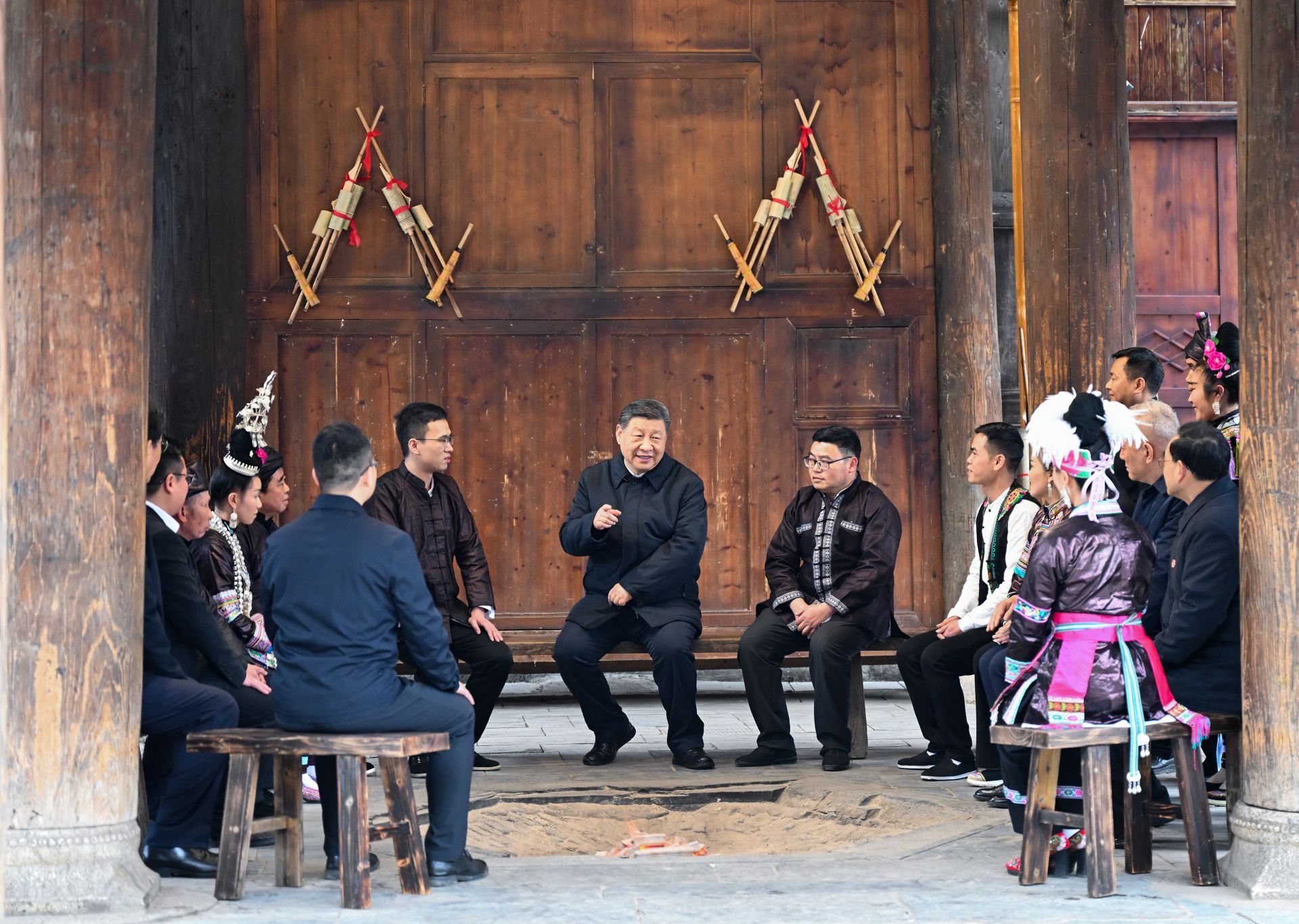
奋进的回响|敬畏人民、敬畏组织、敬畏法纪
Yang Shi Wang· 2025-12-26 00:44
Core Insights - The article highlights the ongoing implementation and significance of the Central Eight Regulations in China, marking its thirteenth year in 2025, emphasizing its role in party governance and anti-corruption efforts [1][5][7] Group 1: Central Eight Regulations - The Central Eight Regulations serve as a "golden card" for party governance in the new era, reflecting the Communist Party's commitment to self-reform [1][5] - The regulations emphasize improving research and engagement with the public, requiring officials to hold discussions with citizens and analyze typical cases [5][6] Group 2: Anti-Corruption Efforts - President Xi Jinping noted the ongoing complexity of the anti-corruption struggle, with existing corruption not fully eradicated and new instances still emerging [1][5] - The Central Committee has dispatched 11 guiding teams to oversee the implementation of the regulations across 30 regions and units, with over 8,500 local supervisory groups involved [6] Group 3: Party Discipline and Education - The party is focusing on deepening the education on the Central Eight Regulations, aiming to reinforce discipline and improve the conduct of party members [1][5][6] - Continuous public reporting on violations of the regulations has been maintained for 147 months, signaling a persistent commitment to accountability [6] Group 4: Future Directions - The 2026 work plan emphasizes consolidating the educational outcomes of the Central Eight Regulations and promoting long-term improvements in party conduct [7] - The party's leadership stresses that the construction of a disciplined party is an ongoing process, with no completion point [8]
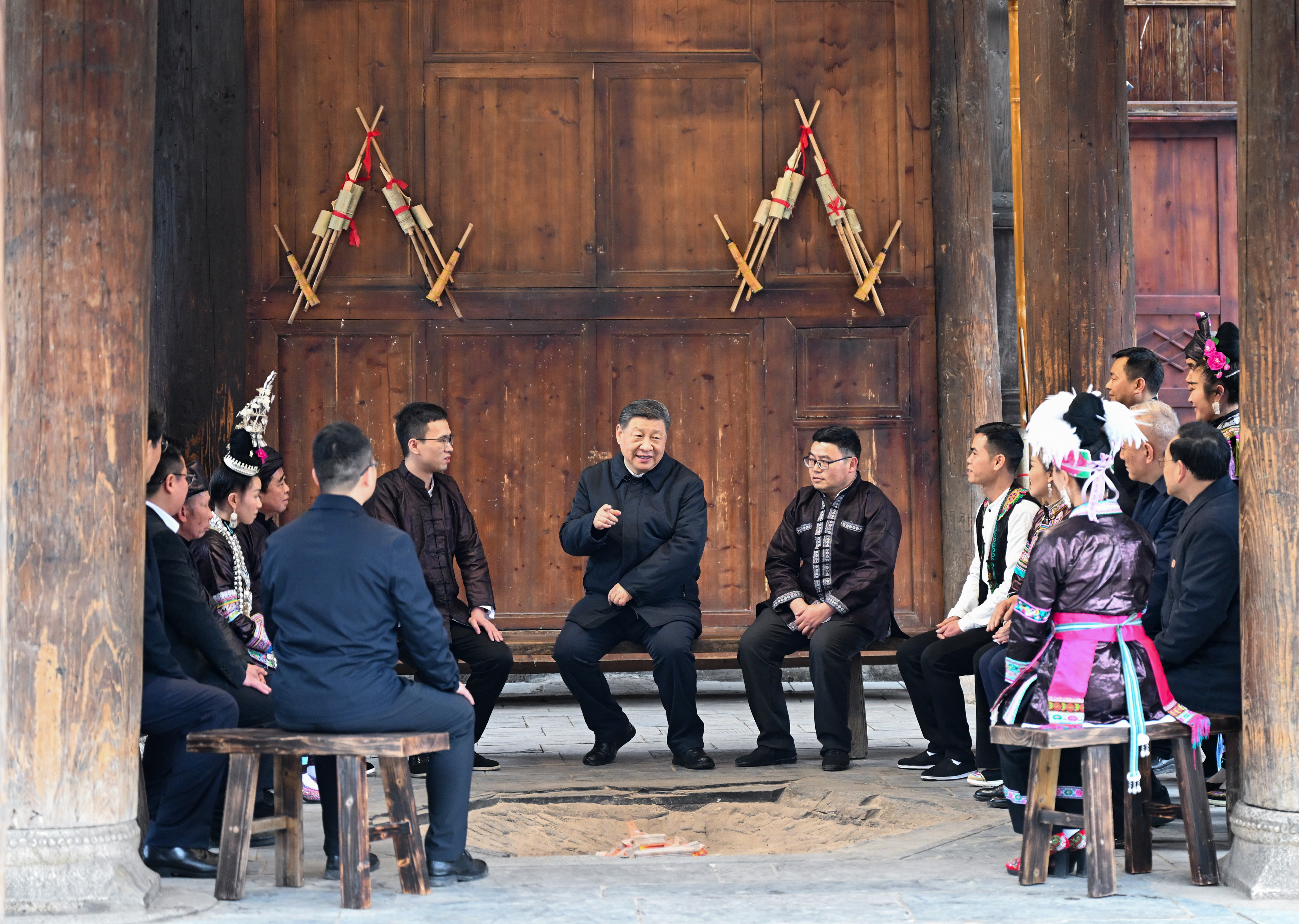
江苏溧阳:完善联动机制 提升监督质效
Zhong Yang Ji Wei Guo Jia Jian Wei Wang Zhan· 2025-12-25 02:29
配套制定《关于落实全面从严治党"四责协推"机制建设的实施办法》,量身定制120条履责月度工单, 运用政治生态画像量化履责实效。制定出台作风建设问题线索移送实施方案,聚合全市作风建设牵头职 能部门力量,严格执行问题线索月度移送、重点问题季度会商、督查成效年度考核制度要求。"室组"联 动监督以"五单"机制为纽带载体,即通过制发立项单、交办单、通知单、建议单和反馈单,打造"联系 常在、互动常在"的监督链条。 江苏省溧阳市纪委监委以"廉溧方"监督品牌为牵引,深化联动监督机制建设,实现力量上聚优释能、机 制上聚合增效,不断释放监督整体效能。 对监督检查、审查调查中发现的共性问题,要求相关党委(党组)拿出整改措施、明确整改时限,由监 督检查室核查整改进度、质效和建章立制情况,由派驻纪检监察组以交叉监督的方式对已销号问题开 展"回头看"。注重常态化"复盘分析","室组"共同研讨监督发现的廉政风险和制度漏洞,做深以案促 改。(江苏省纪委监委 || 责任编辑 郭兴) 调整力量布局,划分5个协作片区,"室组""室组地"优势互补、各展所长,片区内锻造既相对固定又弹 性机动的模块化小组,人员从拼盘式磨合向内聚式融合转变。建立联动监督 ...
中国移动:系统施策推动作风建设走深走实
Zhong Yang Ji Wei Guo Jia Jian Wei Wang Zhan· 2025-12-24 08:27
中央纪委国家监委驻中国移动纪检监察组以"学习教育有终点、作风建设无穷期"的政治担当,持续开 展"四个一"行动,推动作风建设走深走实。 组织一系列学习研讨,强化以严的基调把作风建设一抓到底的韧性。召开组内会议,通报个别央企在学 习教育结束之际出现的"四风"反弹回潮案例,明确持续强化学习教育整改监督、持续强化风腐同查同治 等方面工作要求。举办深化作风建设专题研讨,进一步明确增强作风教育针对性实效性、建立健全经常 性发现问题和解决问题机制、强化监督执纪、压实作风建设政治责任等四个实践路径,为持续推动作风 建设常态化长效化提供思路抓手。 制发一系列工作指南,提升以严查快办推动作风建设常态长效的本领。针对一些单位只查风不纠腐和由 腐纠风不到位的情况,制发《中国移动风腐问题必问必核必治工作指引》,列举"违规接待" 等36项风 腐场景,提炼"对业务流程异常干预"等13条风腐交织表征,梳理出"宴请是否发生在关键节点"等198个 必问必核事项。今年以来,先后查处多起风腐交织案件,风腐双向突破能力得到有效历练。针对"四 风"问题定性不准、违纪金额把握不当等常见错误,编印《违反中央八项规定精神疑难问题定性处理实 务参考》,对复杂场 ...

多些“马上就干”的主动
Ren Min Ri Bao· 2025-12-24 01:48
Core Viewpoint - The article emphasizes the importance of improving service efficiency and responsiveness in government agencies, highlighting the need for proactive actions from grassroots officials to better meet public expectations [1] Group 1: Issues in Service Delivery - There are prevalent issues such as "easy to enter, hard to handle" in service institutions, with problems being passed around like a "football" and bureaucratic procedures causing delays [1] - The article identifies both objective factors, such as inefficient processes, and subjective factors, including a lack of accountability among some officials, as contributing to these issues [1] Group 2: Recommendations for Improvement - Grassroots officials are encouraged to adopt a more proactive approach, responding to public needs through direct engagement rather than waiting for reports [1] - The article suggests that meetings should focus on immediate decision-making and coordination rather than prolonged discussions that lead to inaction [1] Group 3: Successful Practices - The city of Xining has explored effective solutions to simplify complex issues in grassroots governance by breaking down departmental barriers and establishing regular coordination mechanisms [1] - Responsibilities have been further clarified, and performance assessment mechanisms have been optimized to reduce inefficiencies in departmental operations [1] Group 4: Empowering Officials - To encourage officials to take initiative, it is essential to enhance their training and practical experience, thereby improving their knowledge and skills [1] - The article advocates for a balanced approach of strict management combined with support, allowing for precise error correction to alleviate officials' concerns and promote innovation [1]