家国情怀

Search documents
河南吴营村的“天安门”,为何可以感动全网?
Xin Lang Cai Jing· 2026-01-07 09:57
Core Viewpoint - The giant mural of Tiananmen Square created by young artist Wu Chengyan in Wuying Village, Henan, has become a symbol of collective emotional resonance and national identity, fulfilling the wishes of elderly villagers who cannot visit the actual site [2][3]. Group 1: Emotional Impact - The mural resonates deeply with the elderly villagers, reflecting their unfulfilled desires to see Tiananmen Square, thus highlighting the universal longing for connection and recognition [2][3]. - The emotional responses from viewers, including tears and heartfelt comments, indicate that the mural serves as a tangible representation of shared national sentiment and familial bonds [3]. Group 2: Community and Economic Development - The mural has transformed Wuying Village into a tourist attraction, drawing thousands of visitors during the New Year holiday and revitalizing local commerce with bustling streets and food stalls [3]. - Local authorities have responded positively by improving infrastructure and support services, indicating that the mural has become a significant opportunity for the village's development and future growth [3]. Group 3: Cultural Significance - The mural embodies the collective memory and identity of the Chinese people, serving as a bridge between individual experiences and national pride [3][4]. - The initiative reflects a broader cultural movement where art and community engagement can foster a sense of belonging and motivation among individuals [4].



剑胆诗心映家国
Xin Lang Cai Jing· 2026-01-03 21:17
Core Viewpoint - The article highlights the life and contributions of Shen Jiabeng, emphasizing his dual identity as a legal reformer and a poet, and how his poetry reflects his deep concern for the nation and its legal system during a tumultuous period in Chinese history [3][4]. Group 1: Historical Context - Shen Jiabeng is recognized as the "first person in late Qing to reform laws," blending Chinese and Western legal cultures, which laid the groundwork for the modernization of Chinese law [3]. - His early life was marked by turmoil, including the Taiping Rebellion and the Second Opium War, which deeply influenced his literary and legal pursuits [4]. Group 2: Poetry Analysis - The poems "Zou Bi" (走笔) and "Bei Wu Lin" (悲武林) serve as reflections of Shen's personal experiences and the broader national crisis, intertwining personal fate with the fate of the country [4]. - "Zou Bi" captures Shen's feelings of dislocation and urgency amidst the chaos of war, using vivid imagery to express his anxiety over personal and national circumstances [4]. - "Bei Wu Lin" focuses on the devastation of his hometown, highlighting the contrast between its former glory and its current ruin, evoking a strong sense of loss and mourning for both personal and national tragedies [4]. Group 3: Literary Significance - The poems exemplify the traditional scholar's spirit, showcasing a commitment to national responsibility and a deep emotional connection to the plight of the people during times of crisis [4]. - Both poems utilize classical Chinese poetic forms, with "Zou Bi" employing structured verse and "Bei Wu Lin" adopting a more free-flowing style, enhancing their emotional impact and resonance [4]. - Shen's poetry not only documents his personal struggles but also serves as a microcosm of the societal upheaval of late Qing China, reflecting the challenges faced by traditional scholars during a period of transformation [4].
杯中有茶韵 心中有家国
Xin Lang Cai Jing· 2026-01-02 22:39
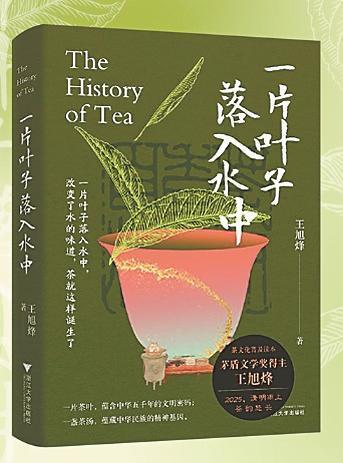
Core Perspective - The article discusses the cultural significance of tea in Chinese society, emphasizing its evolution from a medicinal plant to a symbol of Eastern philosophy and lifestyle [4][5][6]. Group 1: Cultural Significance of Tea - Tea is portrayed as a living entity that interacts with nature, adapting to its environment over time, which reflects the deep connection between humans and nature [3][4]. - The initial discovery of tea by ancestors as a medicinal herb led to its integration into daily life, transforming it into a cultural symbol that embodies the essence of Eastern philosophy [4][5]. - The act of brewing and drinking tea is described as a unique expression of Chinese aesthetic values, where simplicity and authenticity are celebrated [5][6]. Group 2: Literary Contributions - Wang Xufeng's works, particularly the "Tea People" series, intertwine tea culture with national sentiment, showcasing the historical journey of tea and its impact on Chinese identity [6][7]. - The "Tea People" series is recognized as a significant literary achievement that reflects the rise and fall of tea families, serving as a narrative of modern Chinese history [6][7]. - The book "A Leaf Falls into Water" encapsulates the transformative experience of tea, symbolizing the deeper emotional and cultural connections associated with it [7].
北京中关村二小联动“特楼”红色资源 打造沉浸式思政课堂
Xin Lang Cai Jing· 2026-01-02 12:18
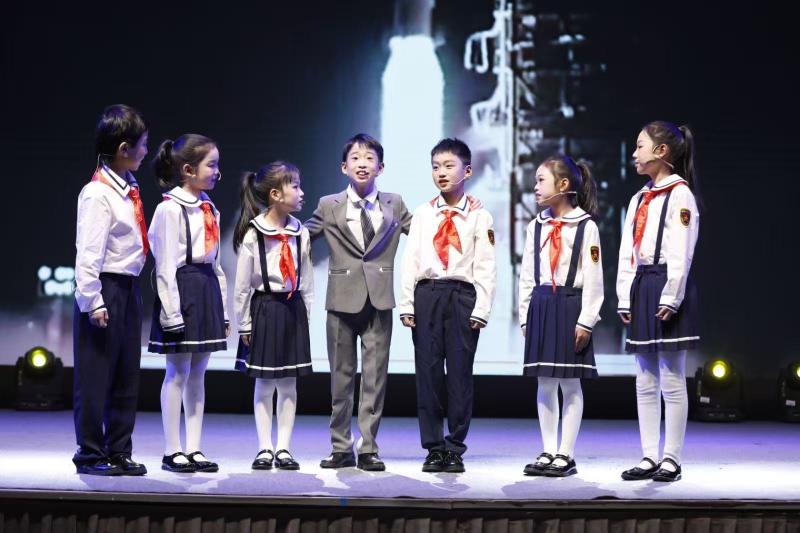
Core Viewpoint - The event at Zhongguancun Second Primary School emphasizes the integration of scientific spirit and national sentiment through immersive ideological and political education activities for students [1][3]. Group 1: Event Overview - The school organized a practical activity themed "Inheriting the Spirit of Scientists, Becoming Pioneers of the Red Scarf Era" [1]. - The event utilized the geographical advantage of being near the "Special Buildings" in Zhongguancun, which housed over 60 scientific giants, to create a unique ideological education experience [3]. Group 2: Activities and Engagement - Activities included a promotional short film connecting the school with the "Special Buildings," a Red Scarf propaganda team conveying the responsibilities of scientific giants, and a drama performance titled "The Heart of a Returning Patriot" depicting scientists' dedication [3]. - The event also featured interactive experiences such as themed team meetings and class meetings that encouraged students to engage with the scientific spirit and national pride [3]. Group 3: Future Plans - The school plans to continue deepening the integration of ideological education, ensuring that the spirit of scientists is passed down and inspires future generations to be innovative and courageous [4].

【好评中国】读懂新年贺词中的厚重情怀
Xin Lang Cai Jing· 2026-01-02 06:06
Group 1: National Sentiment - The New Year address emphasizes the importance of national sentiment, urging citizens to remember history and honor heroes while contributing to the rejuvenation of the Chinese nation [1] - It highlights the significance of the "One Country, Two Systems" policy and the integration of Hong Kong and Macau into national development, aiming for long-term prosperity and stability [1] Group 2: People's Sentiment - The address expresses deep concern for every worker, praising their contributions to China's prosperity during the "14th Five-Year Plan" period [2] - It acknowledges the achievements of technology and culture workers, emphasizing the importance of shared efforts in creating a better life for all [2] - The message reinforces that development should benefit the people, relying on their contributions and ensuring shared outcomes [2] Group 3: Global Perspective - The address positions China as a significant global economic player and a responsible nation, highlighting its role in global development [3] - It marks the milestone of Hainan Free Trade Port's full operation as a step towards high-level opening up [3] - The address outlines China's commitment to global governance and cooperation, advocating for peace and development amidst global challenges [3]
晨曦中那抹最耀眼的“中国红”
Xin Lang Cai Jing· 2026-01-01 21:51
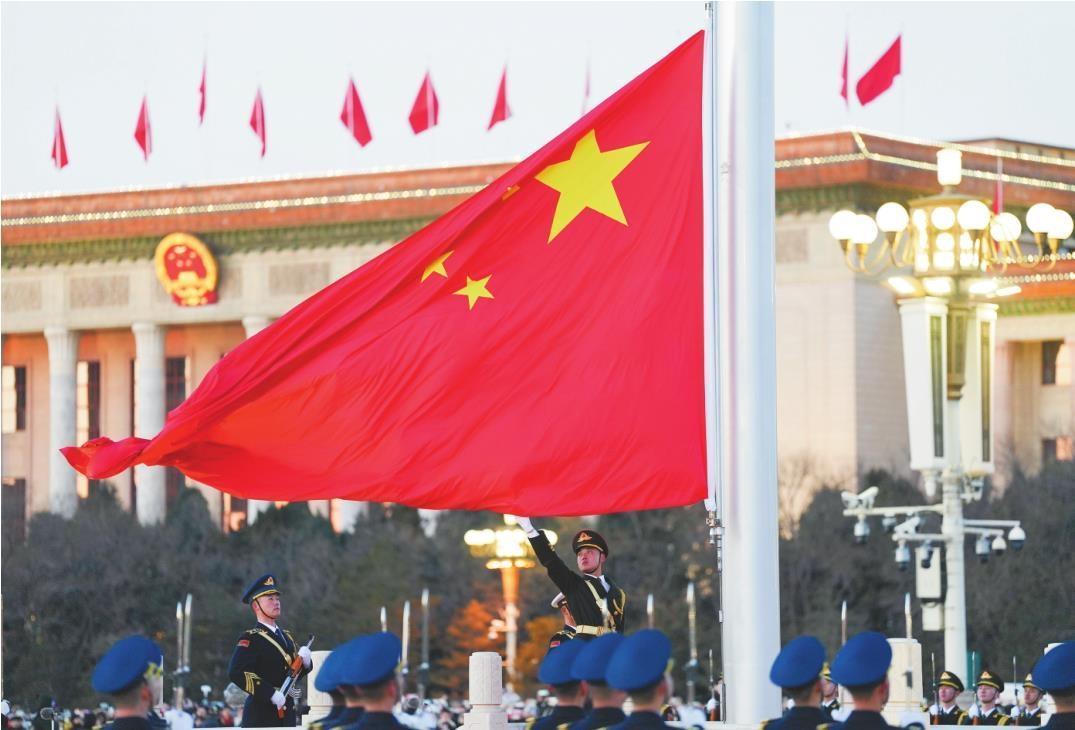
Group 1 - The ceremony on January 1, 2026, at Tiananmen Square marked the beginning of a new chapter for the country, symbolized by the raising of the national flag [3][8] - The event was attended by 46,000 people, showcasing a strong sense of national pride and unity among citizens and visitors [3] - The past five years have been described as extraordinary, with significant achievements in food security, healthcare, renewable energy, and artificial intelligence [5] Group 2 - The year 2026 is highlighted as the start of the "15th Five-Year Plan," with ambitious goals including lunar exploration and deep-sea scientific research [5][9] - The spirit of the Long March, representing resilience and determination, is emphasized as a guiding principle for overcoming future challenges [7][10] - The national flag raising serves as a call to action for a more resilient, innovative, open, and warm China [9][10]
党的诞生地 红歌伴红旗
Xin Lang Cai Jing· 2026-01-01 06:23
Group 1 - The New Year flag-raising ceremony took place at 8:30 AM on January 1, 2026, featuring a performance of the "March of the Volunteers" and the raising of the first national flag of the year [1] - A New Year concert titled "Original Intention, Joyful Movement, Walking in the Light" was held at the same location, organized by the Memorial Museum of the First National Congress of the Communist Party of China and the Shanghai Light Music Troupe [1] - The original song "A Touch of Red in the Heart," created to reflect the red faith and patriotism of the Communist Party, was performed, emphasizing its significance as a symbol of revolutionary strength and national rejuvenation [1] Group 2 - In 2025, the Memorial Museum of the First National Congress of the Communist Party of China, including the Zhou Enlai Memorial, received 3.23 million visitors, setting a record since the new museum opened in 2021 [2] - The museum will be open to the public all day during holidays [2]
坚固通始向未来
Xin Lang Cai Jing· 2025-12-31 21:06
Core Viewpoint - The article highlights the historical significance and cultural heritage of Gushi County, celebrating its 2000-year history and emphasizing the importance of its cultural roots and future development goals as it enters a new era in 2026 [9][18]. Historical Significance - Gushi County, located in Henan Province, has been a crucial area for the early development of Chinese civilization, with evidence of human habitation dating back 6,000 to 7,000 years [10]. - The region is associated with significant historical figures such as Yu the Great and Gao Yao, who contributed to early legal and governance concepts in Chinese history [10][12]. - Gushi has a rich cultural legacy, including the emergence of legal thought and agricultural practices that have influenced Chinese civilization [12]. Cultural Heritage - The county has a deep-rooted "root culture," with historical migrations that spread its cultural and agricultural practices to other regions, particularly during the Tang and Song dynasties [13]. - Gushi has produced numerous notable figures throughout history, contributing to literature, governance, and social values, with a strong emphasis on education and moral integrity [14]. Revolutionary History - During the land revolution, Gushi played a significant role as a revolutionary base, with local uprisings and the establishment of early party organizations [15]. - The county's residents demonstrated resilience and commitment to national causes, with many sacrificing their lives for the revolutionary movement [15]. Modern Development Goals - As Gushi approaches its 2000th anniversary, it aims to leverage its historical and cultural strengths to foster modern development, focusing on high-quality growth and community well-being [18][19]. - The county plans to establish various "new high grounds," including industrial, ecological, cultural, and cooperative development, to enhance its integration into the broader economic landscape [19].

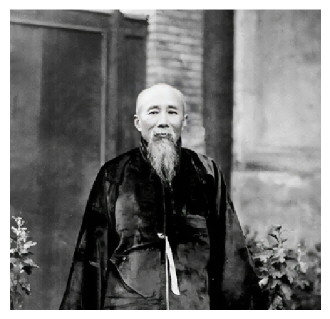
九旬院士归乡圆梦
Xin Lang Cai Jing· 2025-12-27 23:52
江南的冬晨,薄霜凝瓦。昨天,平湖稚川学堂,寒风似乎放轻了脚步。 上午8时30分,91岁的中国科学院院士葛昌纯,在夫人夏元洛教授、儿女及孙辈的陪伴下,缓缓推开一 扇门。门后,并非宏大的殿堂,而是一间70余平方米、书香静谧的图书室——以他名字命名的"葛昌纯 图书室"。他驻足良久,目光掠过墙上记述家族办学历程与个人报国足迹的文字,最终落在那一排排他 亲自挑选捐赠的600余册书籍上,眼中泛起欣慰的波光:"整个布置、设计,我非常满意。" 此行意义远超寻常回乡。这是一场跨越了123年时光的赴约,是一位儿子对父亲未尽理想的深情告慰, 更是一段被战火撕裂的文明记忆在新时代接续传承的庄严见证。 (来源:嘉兴日报) 转自:嘉兴日报 ■记者 顾亦来 平湖市委报道组 刘维佳 图书室的落成背后,是一场历时数月的暖心接力。 今年4月,为筹备纪念中国人民抗日战争暨世界反法西斯战争胜利80周年报道,嘉兴市新闻传媒中心时 政要闻部与电视专班组成的融媒采访小组专程赴京。在繁忙的科研日程间隙,葛昌纯深情回溯父亲办学 的赤子之心,讲述稚川学子在烽火岁月中的凛然坚守。长达数小时的倾谈,字字句句浸透着对家国的挚 爱、对教育的执着,深深触动着采访小组的每 ...
辽宁“最美人物”集合!
Xin Lang Cai Jing· 2025-12-27 10:27
(来源:东北新闻网) 岁月镌刻光荣梦想 奋斗书写最美华章 2025年12月26日晚,《辽宁省"最美人物"2025年度盛典》在辽宁广播电视台2号演播厅隆重录制。盛典以"凝心聚力,团结奋斗,担当作为、勇于争先"为 主题,通过深情讲述、短片纪实与艺术呈现,深情礼赞了在过去一年中涌现自辽宁各条战线的平凡英雄,汇聚起推动新时代辽宁全面振兴的磅礴精神力 量。 盛典在充满温情与力量的主题曲《榜样,你好》中拉开帷幕。在主持人张明、曹琳琳的深情引领下,著名影视演员宋佳伦、中国社会科学院研究员冷凇作 为讲述与互动嘉宾,与现场观众一同走近一位位"最美人物"的动人世界。 平凡岗位 不凡坚守 点亮人间温暖 本次盛典致敬了在平凡中创造伟大的个体。阜新彰武县阿尔乡镇的"辽宁时代楷模"梁春荣,三十三年如一日,肩背药箱在风沙中行走五千里,用独创 的"硅砂疗法"和一颗仁心,守护着乡亲们的健康,被誉为"大漠村医"。 辽阳市白塔区启智学校校长刘雪雅,三十四年用爱作钥匙,为"星星的孩子"打开封闭的世界,用无微不至的坚守,擦亮一颗颗孤独的童心,照亮了无数家 庭的希望。 而鞍山"最美的姐"李清数百次拾金不昧,建平县村民张庆涛与上千名救援人员共同托起走失女 ...