径山茶

Search documents
杭州,霸屏春晚!
Xin Lang Cai Jing· 2026-02-17 02:53
Group 1 - The 2026 Spring Festival Gala prominently featured elements from Hangzhou, showcasing the city's cultural and technological innovations [2][5][12] - The performance included a robot from Yushu Technology that demonstrated martial arts skills, highlighting advancements in robotics [5][6][7] - The creative show "Flower God" featured AI-generated imagery and live performances, emphasizing the integration of culture and technology [10] Group 2 - The Zhejiang Conservatory of Music presented a dance titled "Joyful Rain," reflecting the unique aesthetics of Jiangnan [4][12] - The gala included a segment from the Hangzhou-based company Coolfly, which showcased the world's first near-ground manned flying vehicle in extreme cold conditions [16][18] - The red scarf worn by many audience members was produced by Hangzhou's Wanshili Silk, linking silk culture with the Spring Festival Gala [20] Group 3 - The Yiwu sub-venue featured performances by students from Zhejiang Conservatory of Music, highlighting local talent and cultural representation [29][31][32] - The gala's music and dance segments were enriched by contributions from various local artists and institutions, showcasing the collaborative spirit of Hangzhou's cultural scene [33][34]


中国十大最具幸福感城市排名
泽平宏观· 2026-02-15 16:06
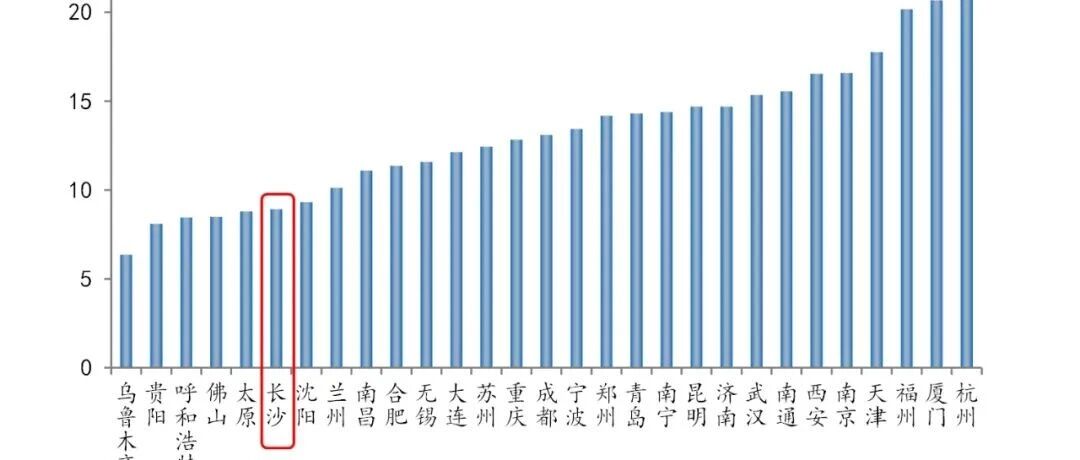
Core Viewpoint - The article emphasizes that high-quality development is the primary task for building a modern socialist country, with a focus on enhancing residents' happiness index as a crucial aspect of achieving this goal. The research ranks the happiness index of 337 cities in mainland China, identifying Nanjing, Hangzhou, and Changsha among the top ten happiest cities in 2023. Group 1: Nanjing - Nanjing is recognized for its rich historical background, excellent transportation network, and abundant educational resources. The city has a favorable climate and high urban greenery, with a green coverage rate of 45.0% and a green land rate of 40.8% [8][9] - In 2022, Nanjing's GDP per capita reached 179,000 yuan, ranking first among provincial capital cities in China. The city has a diverse industrial structure, primarily driven by modern services and advanced manufacturing [9][10] - Nanjing boasts a concentration of higher education institutions, including 8 211 universities and 12 double first-class universities, and is a significant transportation hub with a well-developed public transport network [10] Group 2: Hangzhou - Hangzhou is characterized by its blend of historical heritage and modern vitality, with a strong emphasis on ecological civilization. The city has an air quality rate of 83.3% and a forest coverage rate of 65.3% [15][16] - The digital economy is a key driver of Hangzhou's growth, with the core industry value added exceeding 507.6 billion yuan in 2022, accounting for over 27.1% of the city's GDP [16][17] - The city maintains a strong population attraction, with a total population of 12.376 million by the end of 2022, and a continuous improvement in urbanization rate [17] Group 3: Changsha - Changsha is known for its vibrant night economy and balanced urban-rural development, with the night economy retail sales accounting for about 60% of the city's total retail sales in 2022 [21][22] - The city has a low cost of living among second-tier cities, with a housing price-to-income ratio of 8.9, making it attractive for young talents [22] - Changsha's urban-rural income disparity is minimal, with a ratio of 1.7, and the average disposable income for urban residents reached 35,481 yuan in 2023 [22] Group 4: Hefei - Hefei is recognized as the first "China Climate Comfortable City" provincial capital, with an air quality rate of 86.0% and a favorable climate for living [23][24] - The city has experienced rapid economic growth, with a GDP growth rate of 7.4% in the first half of 2023, entering the top 20 cities in China [24][25] - Hefei's population growth rate is the highest in the country, supported by its strong educational resources and innovation capabilities [25] Group 5: Zhoushan - Zhoushan is the only fourth-tier city in the top ten happiest cities, known for its beautiful island scenery and rich marine resources [27][28] - In 2022, Zhoushan's GDP per capita reached 167,000 yuan, ranking first in Zhejiang Province, with a low housing price-to-income ratio of 7.7 [28][29] - The city has a strong focus on ecological protection and sustainable development, with a PM2.5 annual average concentration of only 14 micrograms per cubic meter [29] Group 6: Wuhu - Wuhu is recognized as the second city in Anhui, with a strong focus on high-end manufacturing and a GDP of 450.21 billion yuan in 2022 [32][33] - The city has a low housing price-to-income ratio of 8.4, making it attractive for residents and contributing to stable population growth [33][34] - Wuhu's population growth rate was 1.6% in 2022, ranking third in the country, supported by favorable economic conditions and talent attraction policies [34] Group 7: Suzhou - Suzhou is an industrial powerhouse with the highest economic strength in Jiangsu Province, achieving a GDP of 2.4 trillion yuan in 2022 [36][37] - The city has a reasonable housing price-to-income ratio of 12.4, making it more affordable compared to other cities with similar economic strength [36] - Suzhou's urban construction and transportation infrastructure are well-developed, providing residents with a high quality of life [37] Group 8: Ningbo - Ningbo is a historical port city with a GDP of 1.57043 trillion yuan in 2022, showing a growth of 3.5% [41][42] - The city has a balanced urban-rural development, with a disposable income ratio of 1.7, indicating a narrowing income gap [42] - Ningbo's transportation infrastructure is highly developed, with an average commuting time of 31.3 minutes, contributing to residents' satisfaction [42] Group 9: Dalian - Dalian is known as the "Northeast Window," with a GDP of 843.09 billion yuan in 2022, ranking first in Liaoning Province [47][48] - The city has the highest population growth rate in Northeast China, supported by its quality education and healthcare resources [48] - Dalian's air quality is among the best in the country, with a high number of days with good air quality [46] Group 10: Zhuhai - Zhuhai is recognized for its excellent ecological environment, with a per capita GDP of 164,000 yuan in 2022 [49][50] - The city has a strong talent attraction capability, with a population growth of 58.8% from 2010 to 2022 [51] - Zhuhai's economic structure is diverse, focusing on high-end manufacturing and high-tech industries [50][51]
杯中有茶韵 心中有家国
Xin Lang Cai Jing· 2026-01-02 22:39
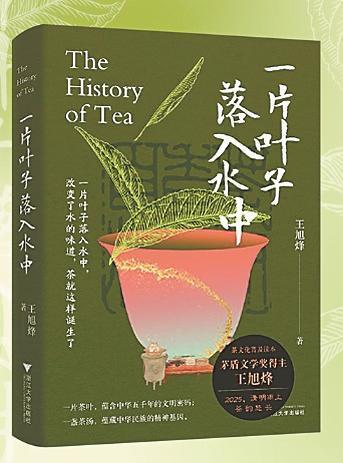
Core Perspective - The article discusses the cultural significance of tea in Chinese society, emphasizing its evolution from a medicinal plant to a symbol of Eastern philosophy and lifestyle [4][5][6]. Group 1: Cultural Significance of Tea - Tea is portrayed as a living entity that interacts with nature, adapting to its environment over time, which reflects the deep connection between humans and nature [3][4]. - The initial discovery of tea by ancestors as a medicinal herb led to its integration into daily life, transforming it into a cultural symbol that embodies the essence of Eastern philosophy [4][5]. - The act of brewing and drinking tea is described as a unique expression of Chinese aesthetic values, where simplicity and authenticity are celebrated [5][6]. Group 2: Literary Contributions - Wang Xufeng's works, particularly the "Tea People" series, intertwine tea culture with national sentiment, showcasing the historical journey of tea and its impact on Chinese identity [6][7]. - The "Tea People" series is recognized as a significant literary achievement that reflects the rise and fall of tea families, serving as a narrative of modern Chinese history [6][7]. - The book "A Leaf Falls into Water" encapsulates the transformative experience of tea, symbolizing the deeper emotional and cultural connections associated with it [7].
文化中国行·国潮里的“Z世代”自信丨抹茶出海:潮流茶饮喝出“东方韵味”
Xin Hua Wang· 2025-11-21 14:08
Core Insights - Chinese tea, particularly matcha, is gaining global recognition and popularity, especially among younger consumers, transforming from a traditional beverage ingredient to a trendy symbol [1] - The export of Jing Mountain matcha from Hangzhou Yuhang has seen a significant increase, with overseas orders doubling compared to the previous year [1] - The matcha industry in Yuhang has expanded its product lines and successfully entered international markets with over ten standardized products [1] Industry Overview - Currently, there are 14 matcha production enterprises in Yuhang, with a total matcha garden area of 8,320 acres, producing over 910 tons of powdered tea and nearly 1,600 tons of matcha annually, generating a market value of 450 million yuan [2] - It is projected that by 2025, China's total matcha production will exceed 5,000 tons, indicating a rapid growth in the matcha sector and its successful penetration into overseas markets [2] - The success of matcha exports represents a breakthrough in the international dissemination of Chinese tea culture and offers new strategies for the transformation and upgrading of traditional agricultural products [2]
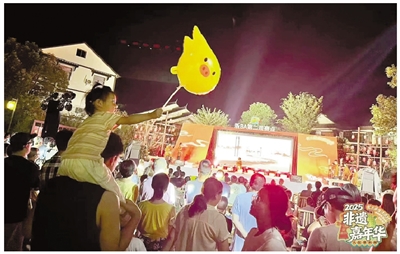
余杭:非遗与旅游“双向奔赴”
Hang Zhou Ri Bao· 2025-10-09 02:30
Group 1 - The core idea of the news is the promotion of cultural heritage through tourism in Yuhang District, with various immersive activities and events designed to enhance visitor experiences and generate economic benefits [2][3] - Yuhang District has launched a series of "Intangible Cultural Heritage + Tourism" activities, including the "Intangible Cultural Heritage Carnival" and "Village Museum Wonder Tour," aimed at creating a comprehensive cultural experience for visitors [2] - The "Intangible Cultural Heritage Carnival" attracted significant participation, with over 320 million yuan in cultural tourism-related revenue generated during the event [2] Group 2 - Yuhang District is recognized as a major area for intangible cultural heritage resources and is actively exploring the deep integration of intangible heritage with tourism [3] - The local government is focused on developing unique tourism products and hosting interactive experiences to expand new pathways for heritage transmission and enrich the cultural content of tourism [3] - Future plans include the continuous expansion of new cultural tourism consumption scenarios and the modernization of intangible heritage experiences [3]
浙江万千乡村铺展“共富共美”画卷
Ren Min Ri Bao· 2025-08-24 00:09
Core Insights - The articles highlight the transformation of rural areas in Zhejiang Province, China, focusing on ecological restoration and sustainable economic development through tourism and local industries [1][2][3][4][5][6][7][8] Group 1: Ecological Restoration and Tourism Development - The "Two Mountains" theory guides the development of beautiful villages, emphasizing the integration of ecological improvement with economic growth [1] - Villages like Luli Keng have shifted from traditional industries like lime production to tourism and local food production, resulting in significant job creation and income generation [2] - The restoration of natural environments has led to increased tourist visits, with some villages attracting over 200,000 visitors annually [3] Group 2: Economic Value of Ecological Resources - Villages are leveraging their natural resources to create new economic opportunities, such as tea cultivation and eco-tourism, which have high market value [4][5] - The development of carbon offset projects and biodiversity conservation initiatives has enhanced the ecological and economic profile of these villages [4] - The establishment of cooperative models, such as the "Common Prosperity Workshop," has improved product quality and market access for local farmers [7] Group 3: Community Engagement and Shared Prosperity - The articles emphasize the importance of community involvement in the development process, with local residents actively participating in new economic activities [6][8] - Collaborative efforts among neighboring villages have strengthened their competitive edge in tourism and local products, enhancing overall economic resilience [8] - The goal of achieving "common prosperity and beauty" is being pursued through integrated development strategies that benefit both the environment and local communities [8]
余杭携手庆元 深化“平台+产业”合作
Hang Zhou Ri Bao· 2025-08-22 02:27
Group 1 - The core viewpoint of the news is the collaboration between Yuhang District and Qingyuan County to enhance regional economic development through a "platform + industry" model, focusing on leveraging digital economy advantages and ecological industry foundations [1][2] - A cooperation agreement was signed between the market regulatory departments of both regions, establishing a framework for ongoing industrial exchange and collaboration [1] - Yuhang's platform enterprises, such as Taotian Group and Yaowang Technology, are set to assist Qingyuan's specialty agricultural products in expanding market reach and brand recognition [1] Group 2 - Yuhang District has developed a "1+3+N" collaborative work system to support local industry upgrades, which includes a comprehensive plan, three main online pathways, and various integration models [2] - Successful case studies include the collaboration between Zhejiang Luotuo Jiayu Organic Food Co. and the brand "Renyang Yitou Niu," which resulted in over 11 million yuan in sales for their "Jingshan Matcha" fresh milk ice cream [2] - The initiative aims to transform ecological and resource advantages into significant development benefits, contributing to coordinated development in the Yangtze River Delta region [2]
一个浙江小山村的“生态经”
Zhong Guo Qing Nian Bao· 2025-08-10 02:55
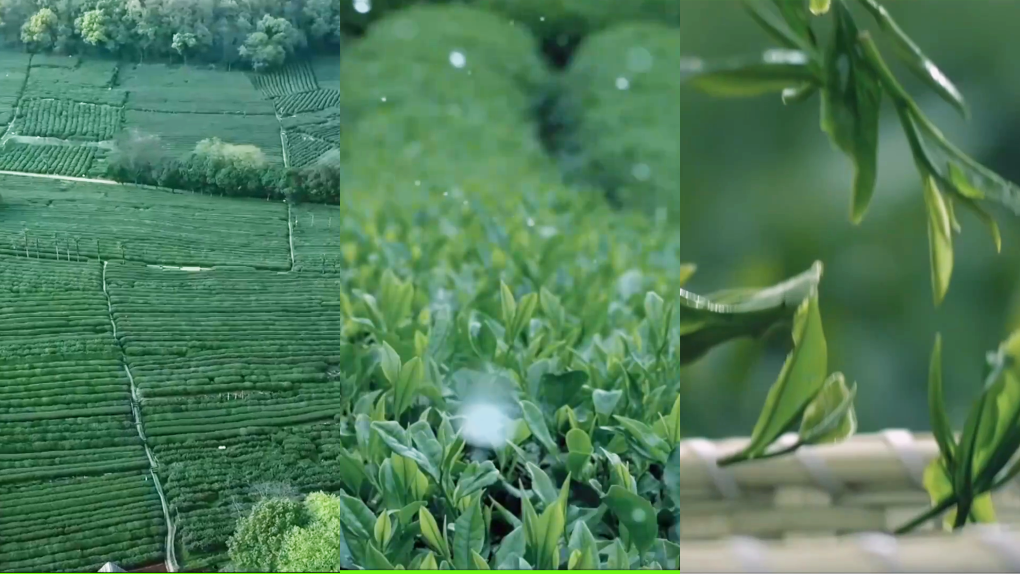
Core Viewpoint - The article highlights the transformation of Jing Mountain Village into an ecological and tourism hub, driven by local initiatives and community involvement, particularly through the leadership of Yu Ronghua, who has played multiple roles in promoting the village's tea culture and environmental restoration efforts [1][2]. Group 1: Ecological Restoration and Development - Jing Mountain Village underwent a significant ecological restoration starting in 2000, following the closure of a local stone mine, leading to the village being recognized as a municipal-level ecological village by 2003 [2]. - The village has achieved a 96% forest coverage rate, contributing to a high concentration of negative oxygen ions at 30,000 per cm³, and has developed a carbon sink with 3,000 acres of tea gardens and over 10,000 acres of bamboo forests [1][2]. - In April 2023, Jing Mountain Village was included in the first batch of "Zero Carbon Village and Town Promotion Project" pilot list by the Ministry of Agriculture and Rural Affairs, highlighting its commitment to sustainable practices [2]. Group 2: Economic and Cultural Development - The village has diversified its tea products, including Jing Mountain Red Tea and Fuyou Tea, and has developed nearly 100 tea-related products such as toothpaste and face masks through tea technology [2]. - A collaborative tourism initiative with four neighboring villages aims to promote a unique cultural experience centered around the 1,200-year-old Jing Mountain culture, targeting over 30,000 visitors in 2024 [2]. - The village has also launched creative products like tea ceremony kits and pillows, enhancing its cultural tourism offerings [2].
(活力中国调研行)径山村里“筅”为人知的点金故事
Zhong Guo Xin Wen Wang· 2025-08-06 06:28
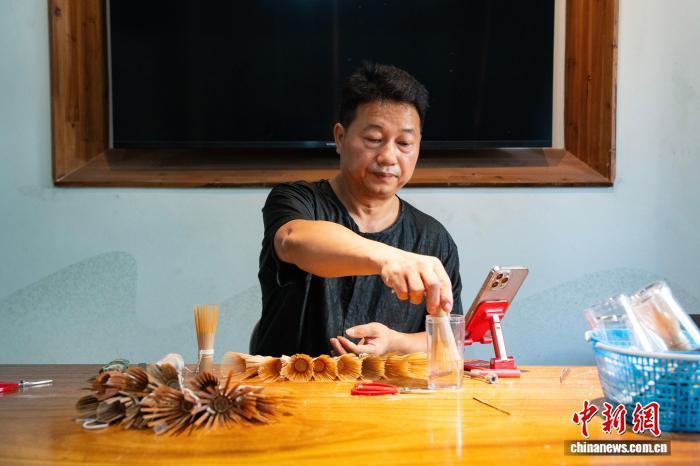
Core Viewpoint - The revival of traditional Chinese tea whisk (茶筅) production in Jing Shan Village, Hangzhou, showcases a blend of cultural heritage and modern market dynamics, leading to significant economic growth for the local community [1][3][4]. Group 1: Product and Craftsmanship - The tea whisk, made from bamboo, is a crucial tool in the Song Dynasty tea preparation method known as "Dian Cha," which has largely been forgotten in China but remains popular in Japan [1][3]. - Chen Jinxin, the local craftsman, spent over six years perfecting the art of making the tea whisk, ultimately succeeding in creating a high-quality product that meets international standards [3][4]. - The production process involves eighteen meticulous steps, all done by hand, and has now expanded to include over 30 local villagers, enhancing their income [4]. Group 2: Market Dynamics - Annual sales of the tea whisks have reached approximately 100,000 units, with 40% sold to Japan, 30% to Europe and Southeast Asia, and 30% domestically [4]. - The local tea brand value is projected to exceed 3.5 billion yuan by 2024, with the total industry output value reaching 5.5 billion yuan [5]. Group 3: Economic Impact - The village's collective annual distributable income has surged from 350,000 yuan in 2005 to 8.87 million yuan in 2024, while per capita disposable income has increased from 7,702 yuan to 61,737 yuan over the same period [5]. - The transformation of Jing Shan Village into a hub for tea culture and tourism reflects a strategic shift towards high-quality tea production and innovative sales models, integrating online and offline retail [4][5].
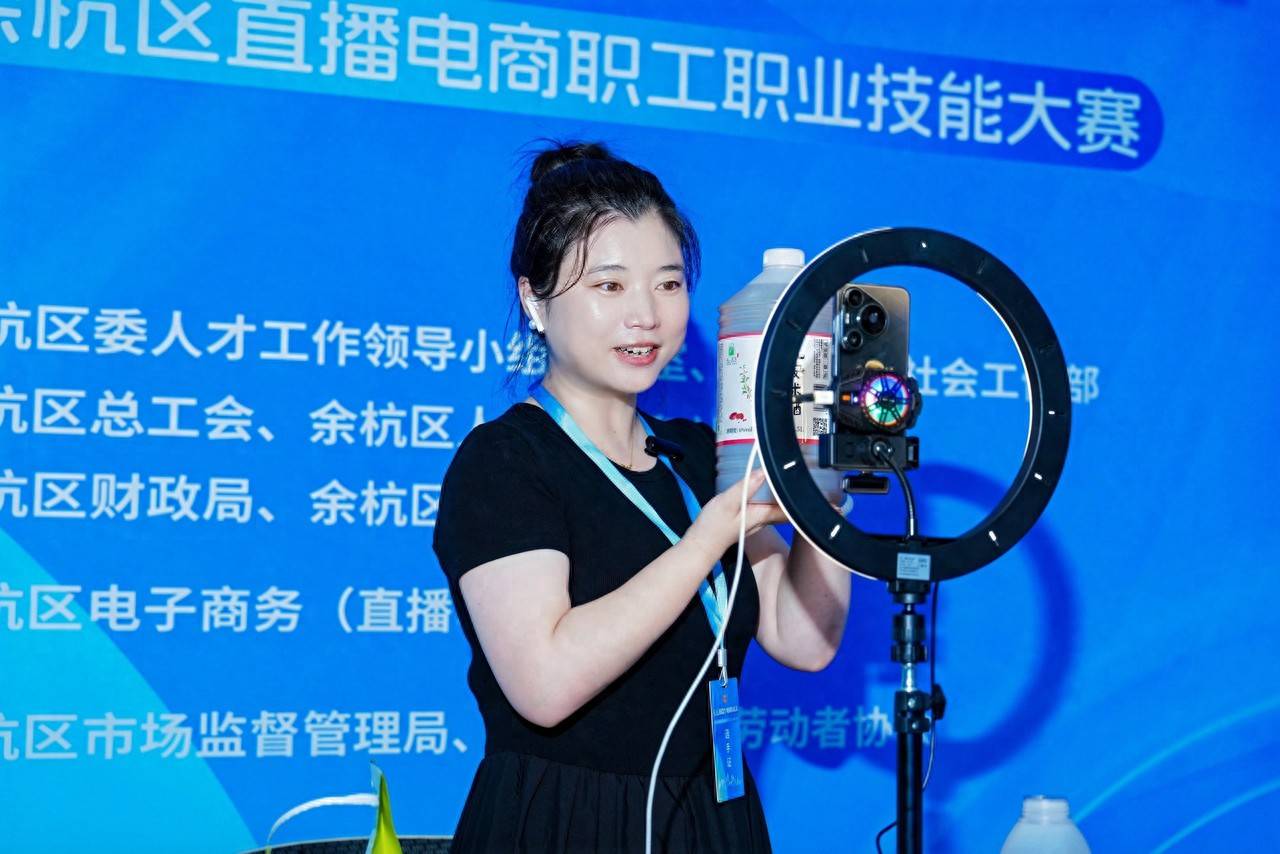
杭州余杭直播电商技能大赛决赛结束
Sou Hu Cai Jing· 2025-07-31 16:49
Group 1 - The core event is the "2025 Yuhang District Live E-commerce Skills Competition" held in Yuhang District, Hangzhou, showcasing the professional skills and innovative vitality of live e-commerce practitioners [1][3] - 30 contestants competed by promoting local products such as Jing Mountain tea, Luni honey pear, and Zhongtai bamboo flute within a 12-minute live session, testing their product understanding and on-the-spot performance [3] - The competition included a practical live demonstration followed by a written exam to assess theoretical knowledge, with the final scores combining both practical and theoretical performances [3] Group 2 - Ding Jiawen from Hangzhou Yuhang Jiangyun Musical Instruments Co., Ltd. won the competition, receiving a prize of 10,000 yuan and the title of "Yuhang District Skills Champion," while the top six contestants received corresponding prizes and certificates [3] - The event aimed to stimulate consumer vitality, promote industrial upgrading, and support common prosperity through the development of live e-commerce talent [3][4] - Yuhang District is actively advancing the construction of a skilled workforce in the e-commerce sector, with over 70 member companies in the e-commerce union and training more than 500 professionals annually [4]