红色文化

Search documents
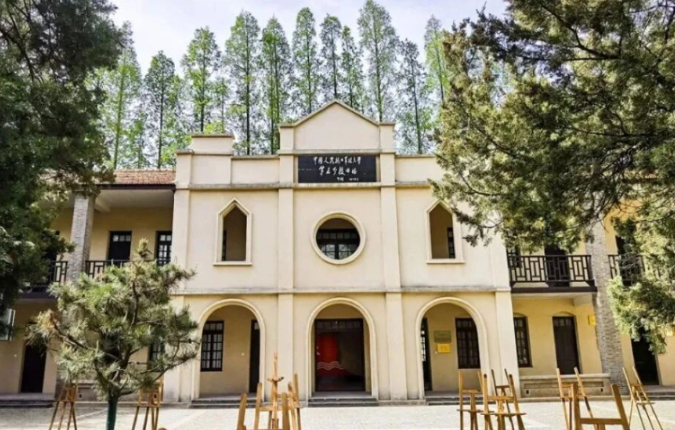
校馆弦歌丨走进北大红楼 重温“觉醒年代”
Xin Hua She· 2025-10-26 06:34
Group 1 - The article highlights the significance of the early revolutionary activities of the Chinese Communist Party, particularly in the context of historical sites like the Peking University Red Building [1][4] - Visitors can engage with the historical legacy left by early Communist figures, experiencing the profound impact of their beliefs and the enduring nature of the "red gene" [4] Group 2 - The setting described is the Peking University Red Building, which serves as a memorial for early revolutionary activities, allowing people to connect with China's revolutionary history [1][4]

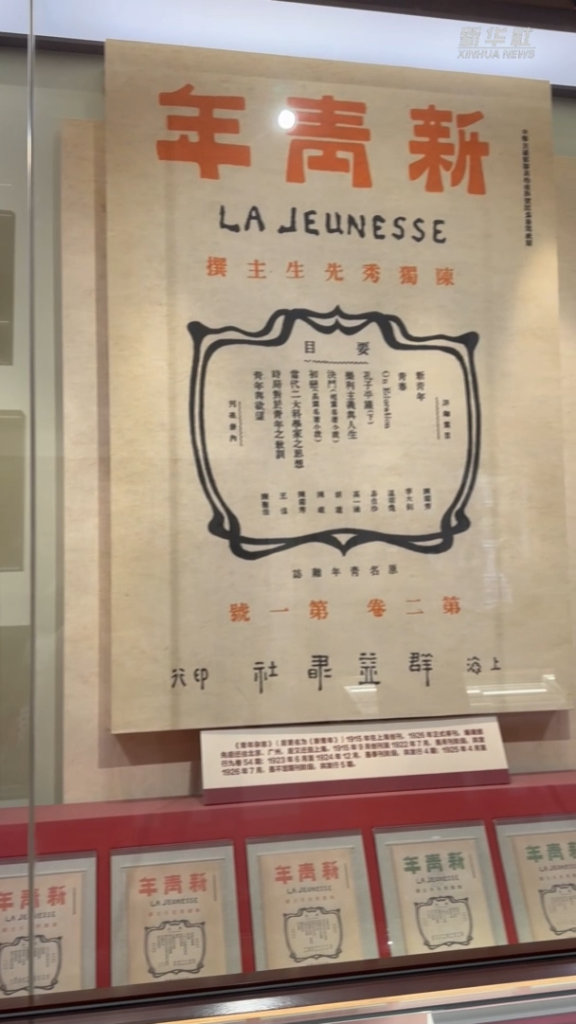
红军长征胜利89周年丨革命遗址“活”起来、红色文物“会说话” 科技赋能让红色记忆在新时代焕发新活力
Yang Shi Wang· 2025-10-22 03:17
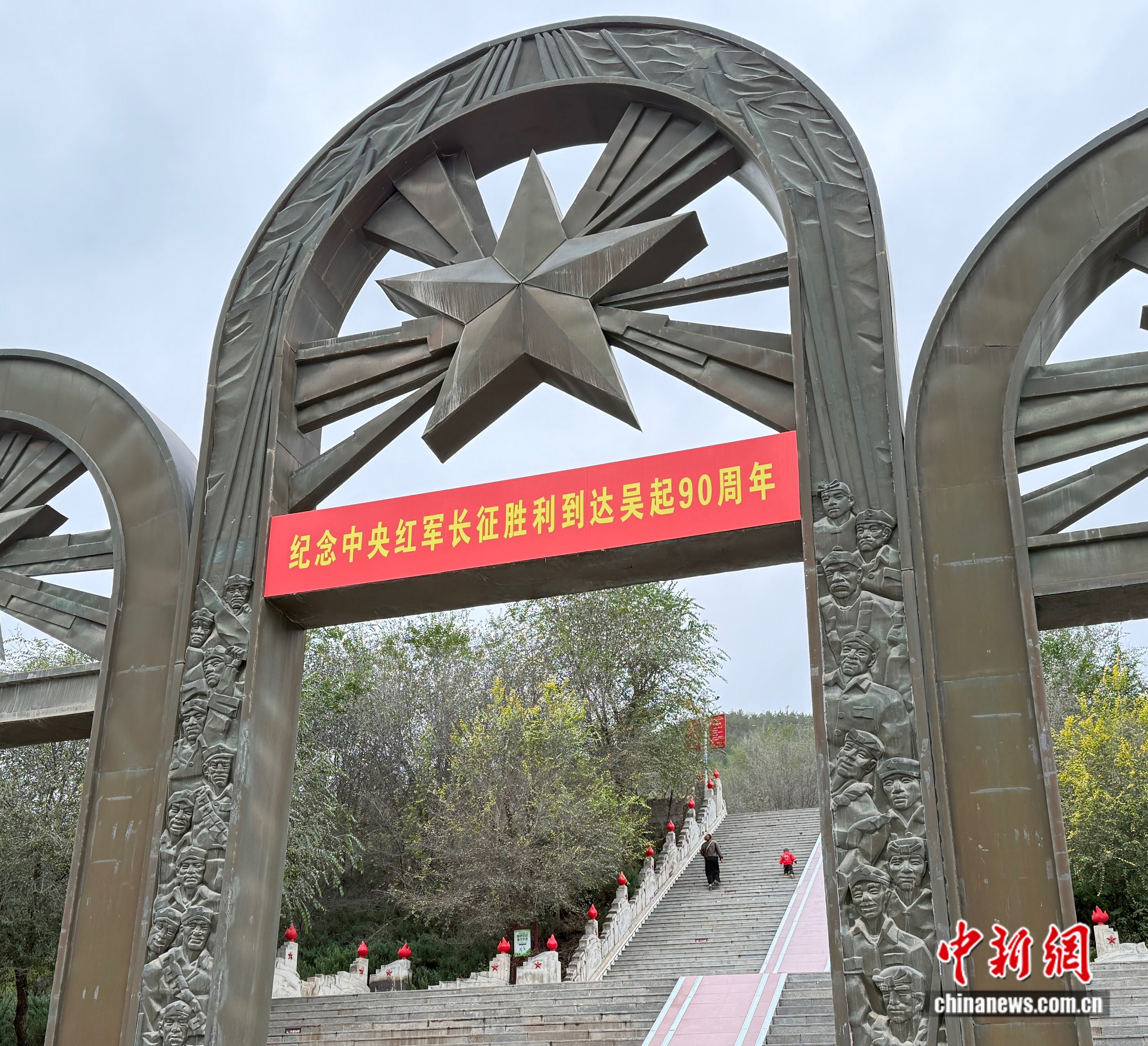
Core Viewpoint - The Long March National Cultural Park is revitalizing historical sites and cultural resources along the Long March route, enhancing tourism and preserving revolutionary heritage as it approaches the 89th anniversary of the Long March victory in 2025 [1] Group 1: Cultural and Historical Significance - The Long March National Cultural Park is collaborating with 15 provinces to excavate and showcase cultural resources related to the Long March, bringing historical sites back to life [1] - The park attracts a significant number of tourists, particularly to sites like the Qu Qiubai Martyrs Memorial and the "First Village of the Red Army" in Nanshan Town, which retains various revolutionary relics [3] Group 2: Exhibition and Educational Initiatives - The Red Army Long March Xiangjiang Battle Memorial Hall features seven themes and displays 624 revolutionary artifacts, including paintings and photographs, enhancing educational outreach [5] - In Gansu Province, the South Liang Revolutionary Base core exhibition area has been developed with various projects that allow visitors to experience revolutionary history through interactive displays [5] Group 3: Technological Integration - The Long March National Cultural Park is leveraging technology to enhance visitor experiences, making historical artifacts interactive and engaging through immersive experiences [5] - The Long March Cultural Digital Art Museum in Guiyang utilizes holographic images and VR technology to recreate significant historical events, attracting large crowds [6] - The Udu Central Red Army Long March Assembly Departure Memorial Hall incorporates technology to allow visitors to interact with exhibits, achieving over 20 million visitors [10] Group 4: Visitor Engagement and Growth - The "First Crossing of the Long March" performance in Udu has been well-received, with over 550 shows attracting more than 300,000 attendees [8] - The Luding Bridge Memorial Hall has seen a visitor increase of 8.4% year-on-year, with over 2.13 million visitors from January to September this year, showcasing the growing interest in red tourism [12]
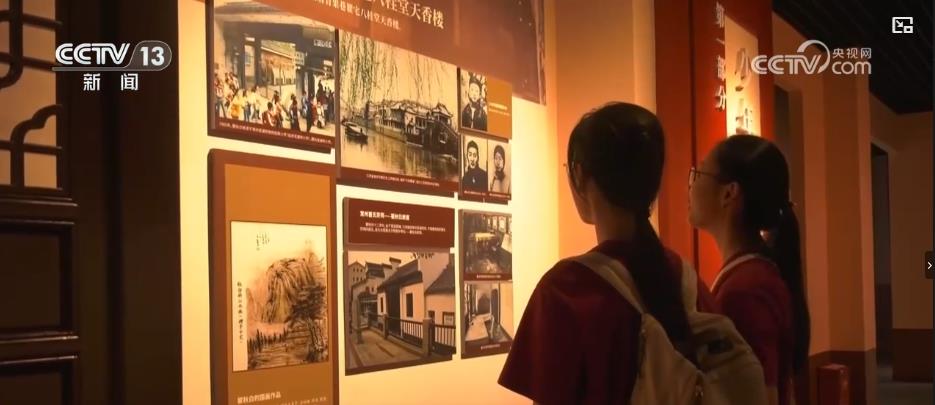
好评中国|漫评:青春赋能,延安精神闪耀时代光芒
Huan Qiu Wang· 2025-10-21 08:28
Core Viewpoint - The article emphasizes the enduring spirit of Yan'an, highlighting its historical significance and the ongoing cultural and ideological legacy that continues to inspire new generations [3][4]. Group 1: Historical Significance - Yan'an is portrayed as a symbol of revolutionary ideals, with its landscape and cultural heritage deeply embedded with the spirit of perseverance and faith [3]. - The article notes that every aspect of Yan'an, from its caves to its mountains, serves as a vessel for the spirit of the Chinese nation, representing a high ground of collective belief [3]. Group 2: Youth Engagement - Young people in Yan'an are becoming key figures in promoting the Yan'an spirit, utilizing modern methods to share revolutionary stories and cultural heritage [4]. - The integration of 3D digital technology in the Yan'an Revolutionary Memorial Hall allows for an interactive experience, transforming historical artifacts into engaging educational tools [4]. Group 3: Cultural Revival - The article highlights the emergence of large-scale immersive performances, such as the red-themed musical "Yan'an Thirteen Years," which brings historical events to life for contemporary audiences [4]. - The synergy between youth and red culture is emphasized, suggesting that the younger generation is revitalizing the revolutionary spirit through creative expression and diverse communication methods [4].
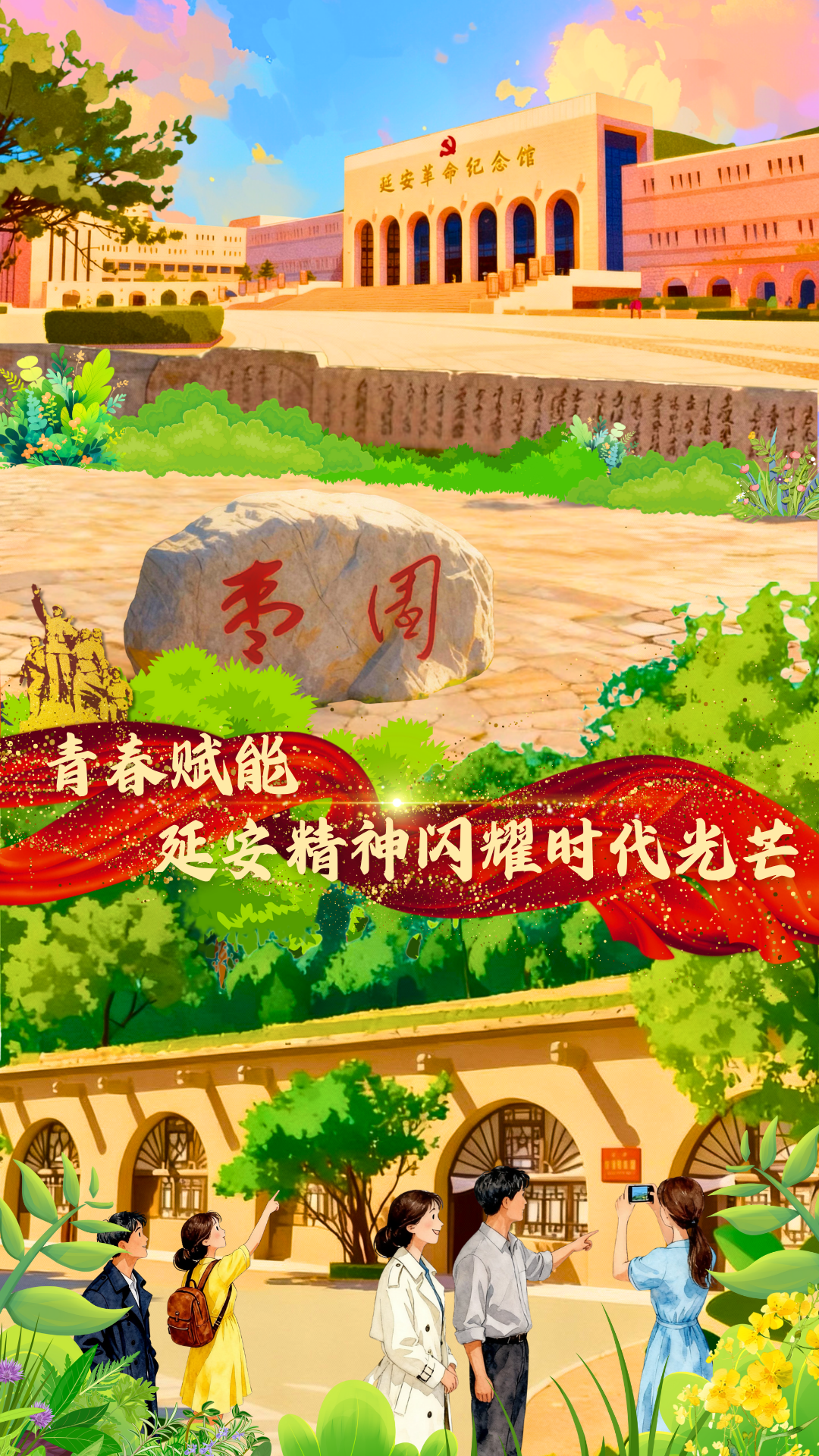
第十一届韬奋学术研讨会在福建永安举行
Zhong Guo Xin Wen Wang· 2025-10-18 09:50
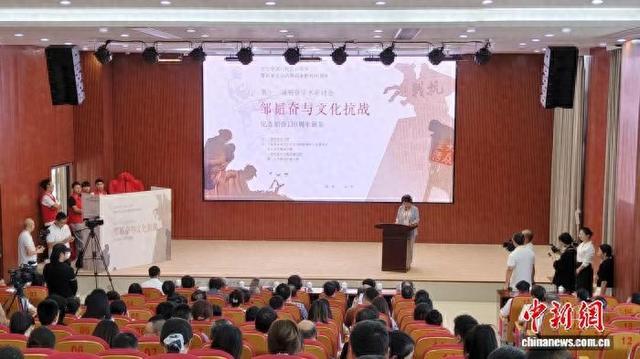
Core Points - The 11th Taofen Academic Seminar was held in Yong'an, Fujian, focusing on "Zou Taofen and Cultural Resistance" to commemorate the 130th anniversary of Zou Taofen's birth [1][3] - Zou Taofen is recognized as a prominent journalist, publisher, and revolutionary activist in China, and is the only figure in the publishing industry included in the first national martyr memorial list [3] - The seminar aimed to explore Zou Taofen's historical contributions to cultural resistance, his journalistic thoughts, publishing concepts, social activities, and contemporary implications [3][4] Group 1 - The seminar attracted nearly 50 experts and scholars from various universities across the country [1] - Zou Taofen's legacy is celebrated through the "Yangtze Taofen Award," which serves as the highest honor in China's journalism and publishing field [3] - The event emphasized the patriotic spirit and sense of responsibility of the publishing community, reflecting on the struggles of the red publishing industry [3] Group 2 - The seminar was co-hosted by several institutions, including the Shanghai Taofen Memorial Hall and Fudan University [4] - A plaque unveiling ceremony for the "Taofen Book House" and a book donation activity were held during the seminar [4] - Yong'an is recognized as a "Cultural City of Southeast Anti-Japanese Resistance," with a rich history of cultural and publishing activities during the Anti-Japanese War [3]
红星照耀中国|到延安去!这座城市如何让红色文化迸发新活力?
Zhong Guo Xin Wen Wang· 2025-10-18 03:00
Core Viewpoint - Yan'an, a historical site of the Chinese revolution, continues to attract visitors seeking to connect with its revolutionary heritage and cultural significance, showcasing a blend of red culture and tourism development [1][2][16]. Group 1: Historical Significance - During the Anti-Japanese War, over 40,000 young intellectuals traveled to Yan'an, symbolizing a gathering of patriotic spirits [2]. - The year 2024 is projected to see over 47 million tourists visiting Yan'an, reflecting its enduring appeal [2]. Group 2: Cultural and Tourism Development - Yan'an is actively integrating red culture with tourism, creating a vibrant narrative of high-quality development in cultural tourism [1][12]. - The Yan'an Revolutionary Memorial Museum is innovating by offering creative products and interactive activities to engage visitors and promote related industries [12][15]. Group 3: Visitor Experience - The Central Red Army Long March Victory Memorial Hall features exhibits that tell the story of the Long March, enhancing the educational experience for visitors [7][11]. - A large immersive performance titled "Thirteen Years in Yan'an" allows audiences to experience significant historical events through a dynamic presentation [15]. Group 4: Red Resource Utilization - Yan'an boasts 445 revolutionary sites, with 168 located within the city, each telling a unique story of the revolution [15]. - The city is leveraging its rich red resources to create high-quality cultural performances, further enhancing its attractiveness as a destination for red tourism [15][16].
海南省军区组织海南革命军事馆文物实物捐赠仪式
Hai Nan Ri Bao· 2025-10-18 02:15
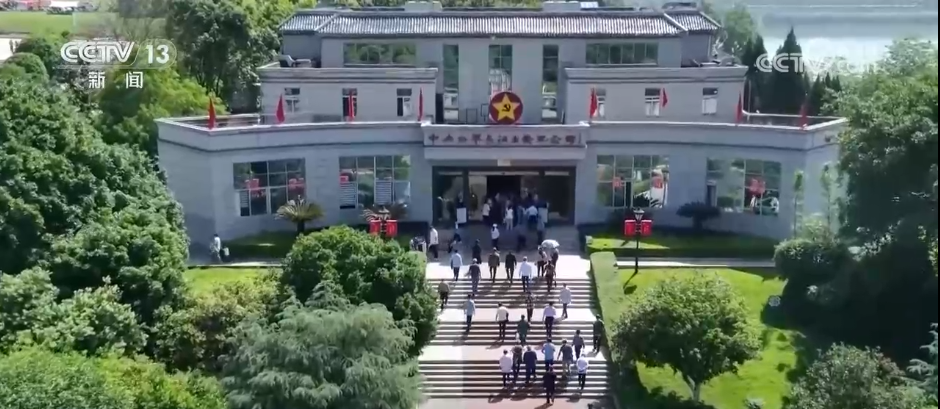
Core Points - The Hainan Revolutionary Military Museum is in the process of being established, with 97 pieces of red cultural relics donated by 16 descendants of old revolutionaries and volunteers [1] - The donations include significant items such as the second-class independent freedom medal of the People's Republic of China and a magazine published in 1939 about the Japanese occupation of Hainan Island [1][2] - The event highlights the importance of preserving revolutionary history and the emotional connection of the donors to their ancestors' stories [1] Group 1 - The Hainan Revolutionary Military Museum is actively collecting historical relics to enhance its educational value and preserve revolutionary history [2] - The military and local government are encouraging public participation in donating cultural relics to enrich the museum's collection [2] - The museum will implement strict regulations for the registration, maintenance, restoration, management, and research of the donated relics [2]
新时代中国调研行之文化中华|感受兴安盟红色之旅的魅力
Xin Hua She· 2025-10-17 10:33
Core Insights - The article highlights the development of red tourism in the Xingan League, focusing on the historical significance of the "Gegenmiao" uprising and the promotion of cultural heritage through immersive experiences and themed activities [1][2][3] Group 1: Historical Significance - The "Gegenmiao" uprising on August 11, 1945, involved over 600 patriotic youths who initiated a rebellion against Japanese invaders, leading to the formation of the Inner Mongolia Cavalry First Division [1] - The region is recognized as a "red hot land," with efforts to explore and promote its red cultural connotations through various creative products [1] Group 2: Tourism Development - The "One Museum and Three Sites" initiative, which includes the Wuyi Meeting Site and other historical locations, attracts approximately 900,000 visitors annually [2] - In 2024, the Xingan League plans to invest 8.95 million yuan in enhancing the exhibition and presentation of revolutionary sites, improving visitor experience through advanced technology [2] Group 3: Cultural Activities - The Xingan League has implemented multiple strategies to bring red stories to life, including the creation of immersive plays and online AR experiences [3] - From January to September 2025, over 260 cultural and tourism activities were held, with nearly 30% incorporating red themes, showcasing the integration of red culture with local tourism offerings [4]
走进长征国家文化公园 让长征精神可感可知
Yang Shi Wang· 2025-10-16 07:06
Core Viewpoint - The establishment of the Long March National Cultural Park serves as a spiritual monument, connecting historical revolutionary journeys and promoting tourism and local development through the preservation of red cultural resources [1][3]. Group 1: Red Resource Protection and Development - The Red Resource Protection and Development Center has been established in Jiangxi, focusing on improving living environments and enhancing village appearances around revolutionary sites, leading to increased tourist visits [3][4]. - In Guizhou and Guangdong, over 140 and 40 related historical sites have been restored, attracting numerous tourists and enabling local communities to engage in tourism-related services, thus fostering entrepreneurship and employment [6]. Group 2: Community Involvement and Cultural Transmission - In Sichuan, a detailed plan has been implemented for the protection and management of cultural relics, transforming local residents from observers to active participants in preserving and promoting red stories [8]. - Gansu has created a protection catalog for 5,350 Long March artifacts, effectively narrating the touching stories behind these relics and contributing to the prosperity of local communities [10]. Group 3: Economic Impact of Red Tourism - In Fujian, the promotion of 37 projects related to red culture has led to the creation of the Red Long March tourism route, significantly boosting economic development. Tourist numbers increased from 5.61 million at the end of the 13th Five-Year Plan to 14.05 million by 2024, with tourism revenue rising from 5.5 billion to 12.5 billion yuan [11][13].
抗战主题石雕组画在新四军广场亮相
Sou Hu Cai Jing· 2025-10-12 17:15
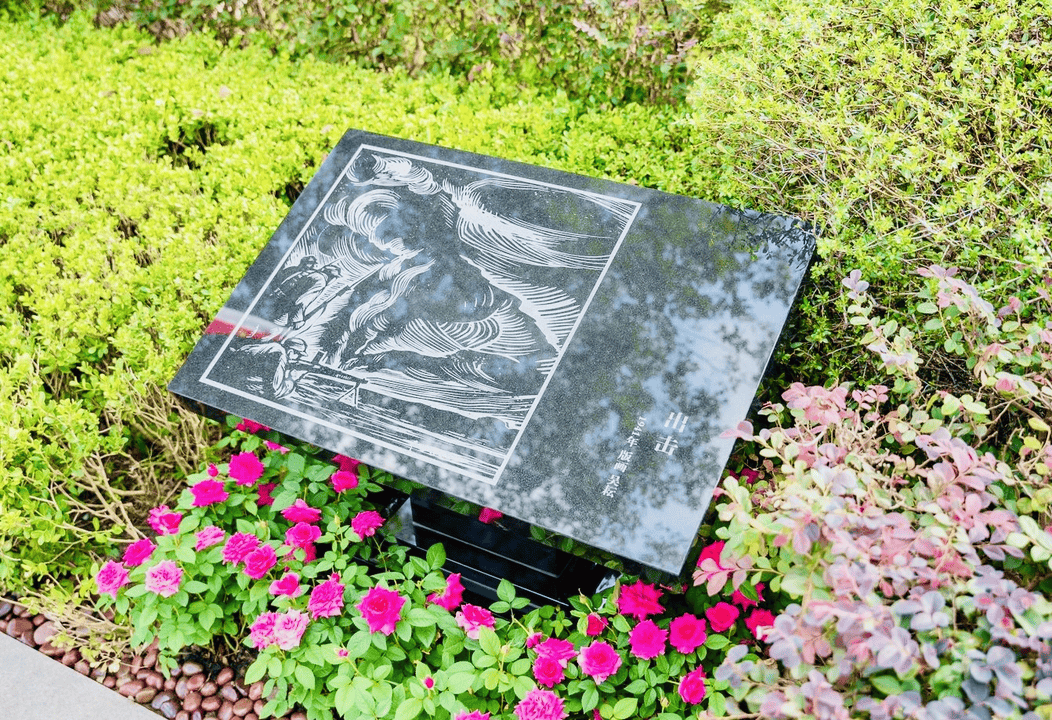
Core Points - The event commemorates the 80th anniversary of the victory in the Chinese People's Anti-Japanese War and the World Anti-Fascist War, with the unveiling of a new red cultural landscape at the New Fourth Army Square in Shanghai [1] - The event gathered nearly 400 attendees, including descendants of New Fourth Army veterans and youth representatives, to honor the martyrs and reflect on the glorious history [1] Group 1 - The New Fourth Army Square has added a series of stone sculptures based on anti-Japanese theme artworks by New Fourth Army artists, enriching the cultural space for public engagement [3] - The first batch of completed works includes six classic woodblock prints from veteran artists, depicting both battle scenes and everyday life during the war, thereby reviving precious wartime artistic imagery [3] - Descendants of New Fourth Army soldiers expressed their commitment to inherit and promote the spirit of their forebears, emphasizing the importance of preserving red culture [3] Group 2 - The event also marks the 20th anniversary of the New Fourth Army Square, which honors 2,986 fallen soldiers and 8,813 engraved names, serving as a memorial for historical remembrance and patriotic spirit [6] - A campaign has been launched to collect revolutionary artifacts and documents that reflect the New Fourth Army's struggles during the war and their contributions to Shanghai's liberation and development [6] - A new humanistic memorial museum is being established, which will feature a special exhibition on "New Fourth Army and Shanghai," aiming to present red culture in a contemporary context [6]
亭湖蝶变:承千年盐渎文脉,筑时代文明新城
Xin Hua Wang· 2025-10-11 02:12
Core Perspective - The article highlights the transformation of Tinghu into a modern civilized city, emphasizing the integration of historical culture with contemporary life, and the importance of preserving cultural heritage while promoting economic development [1]. Group 1: Historical and Cultural Significance - Tinghu's cultural foundation is rooted in over 2,000 years of salt civilization, with historical sites like the Shajingtou ruins and the Suichang River reflecting its rich past [2]. - The integration of red culture into the urban fabric is significant, with landmarks such as the former headquarters of the New Fourth Army serving as educational bases that engage the public through interactive experiences [2]. - The preservation of local memories is crucial, with old streets like Confucian Street and Zhouchang Lane being revitalized to reflect local customs and history while introducing new functionalities [3]. Group 2: Modernization and Urban Renewal - The core philosophy of Tinghu's urban renewal is "repairing the old as it was, activating utilization," combining historical preservation with modern updates to breathe new life into old spaces [5]. - The transformation of the Zhulin Hotel into a cultural hub has attracted approximately one million visitors annually, with a revenue increase of 40.76% year-on-year from January to August 2025 [5][6]. - The renovation of the former Salt City Cinema into a cultural venue has successfully turned it into a space for artistic performances, hosting over 40 events annually and attracting 50,000 visitors [6]. Group 3: Promoting Civilized Practices - Tinghu emphasizes the importance of human-centered civilization, establishing a four-tier system for cultural practice that enhances community engagement and participation [7]. - The district has recognized 17 "Chinese Good People" and conducted various cultural activities, benefiting over 100,000 residents through initiatives like the "Citizen Night School" [8]. - The integration of cultural activities into daily life has created a vibrant community atmosphere, reflecting the city's commitment to fostering a civilized environment [8].