要约收购

Search documents
即将复牌!上纬新材:停牌核查完成!
Zheng Quan Shi Bao· 2025-10-10 15:04
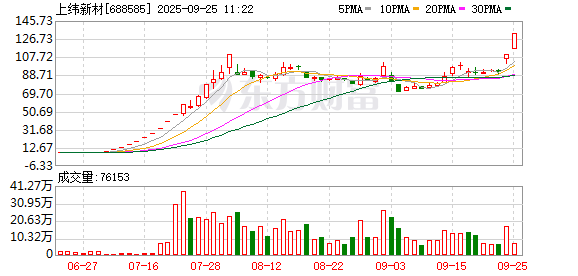
Core Viewpoint - The company, Shangwei New Materials (688585), will resume trading on October 13, 2025, after being suspended due to unusual trading fluctuations. The company has confirmed that there are no immediate plans for asset sales or mergers involving its controlling shareholders [1][2][3]. Group 1: Company Announcement - The company announced that it has verified with its controlling shareholder, Zhiyuan Hengyue Technology Partnership, that there are no clear plans for asset sales, mergers, or restructuring within the next 12 months [2][3]. - The company received a takeover offer report from Zhiyuan Hengyue on September 24, 2025, regarding the transfer of control that occurred on July 9, 2025, with no changes to the offer price or number of shares [3]. - The company's core business remains focused on the research, production, and sales of environmentally friendly high-performance corrosion-resistant materials, wind turbine blade materials, new composite materials, and circular economy materials, with no significant changes reported [3]. Group 2: Financial Performance - For the first half of 2025, the company reported a revenue of 784 million yuan, an increase of 12.50% year-on-year. However, the net profit attributable to shareholders decreased by 32.91% to 29.90 million yuan, primarily due to foreign exchange losses and increased costs [3]. - The net profit excluding non-recurring items was 26.04 million yuan, down 37.02% compared to the previous year [3]. Group 3: Market Performance - The company's stock has seen a significant increase of nearly 1900% year-to-date, currently trading at 132.10 yuan per share, with a total market capitalization exceeding 50 billion yuan [5][6]. - The stock has experienced multiple instances of unusual trading fluctuations, with 8 occurrences of abnormal trading and 7 of severe abnormal trading since July 9, 2025, leading to 16 risk warning announcements [4].


即将复牌!上纬新材:停牌核查完成!
证券时报· 2025-10-10 15:00
Core Viewpoint - The company, Shangwei New Materials (688585), will resume trading on October 13, 2025, after a suspension due to unusual trading fluctuations. The company has confirmed that there are no immediate plans for asset sales or mergers involving its controlling shareholder, Deng Taihua, and related entities [2][4]. Summary by Sections Company Announcement - Shangwei New Materials announced the resumption of its stock trading on October 13, 2025, after being suspended for unusual trading activity [2]. - The company has addressed media discussions regarding asset integration with its controlling shareholder and confirmed that there are no plans for asset sales or mergers in the next 12 months [4]. Financial Performance - For the first half of 2025, the company reported a revenue of 784 million yuan, an increase of 12.50% year-on-year. However, the net profit attributable to shareholders was 29.90 million yuan, a decrease of 32.91% compared to the previous year [4]. - The decrease in net profit is attributed to foreign exchange losses from overseas accounts receivable, increased overseas sales costs, and higher research and testing expenses [4]. Market Activity - The company's stock has experienced significant volatility, with a year-to-date increase of nearly 1900%, currently priced at 132.10 yuan per share, resulting in a market capitalization exceeding 50 billion yuan [7]. - The stock has triggered unusual trading alerts multiple times, with the Shanghai Stock Exchange monitoring the situation closely [6].

新股发行及今日交易提示-20250930
HWABAO SECURITIES· 2025-09-30 09:01
New Stock Listings - Yunhan Xincheng (Stock Code: 301563) issued at a price of 27.00[1] - Ruili Kemi (Stock Code: 001285) issued at a price of 42.28[1] Market Alerts - The offer period for the acquisition of Shangwei New Materials (Stock Code: 688585) is from September 29, 2025, to October 28, 2025[1] - Zitian Tui (Stock Code: 300280) has 3 trading days remaining until the last trading day[1] Risk Warnings - Ruili Kemi (Stock Code: 001285) has a first-day risk warning[1] - Serious abnormal fluctuations reported for Borui Pharmaceutical (Stock Code: 688166)[1] Other Announcements - Multiple companies including *ST Yatai (Stock Code: 000691) and *ST Zhengping (Stock Code: 603843) have announcements dated September 30, 2025[1] - Various companies have reported abnormal fluctuations on September 25, 2025, including Lianmei Holdings (Stock Code: 600167) and Nanfang Road Machine (Stock Code: 603280)[3]

【锋行链盟】香港上市公司私有化核心要点
Sou Hu Cai Jing· 2025-09-28 16:12
Core Points - The privatization of Hong Kong listed companies involves the process of delisting from the Hong Kong Stock Exchange (HKEX) through share acquisition by controlling shareholders or external investors, adhering to strict regulations under the Listing Rules and the Companies Ordinance [2][3] Group 1: Common Methods of Privatization - Privatization is primarily executed through two legal procedures: Scheme of Arrangement and Takeover Offer [2][3] Group 2: Legal and Regulatory Requirements - The principle of "Fair and Equitable Treatment" is essential, focusing on the protection of minority shareholders' rights, with scrutiny from HKEX and the courts [3] - The role of an Independent Financial Adviser (IFA) is crucial in ensuring the fairness of the proposal to independent shareholders [3] - Information disclosure obligations must be strictly followed, including key milestones in the privatization process [2][3] Group 3: Decision-Making Process and Timeline - The typical process for a Scheme of Arrangement includes preparation and announcement, shareholder circular and meeting, court approval, and delisting implementation [7] - The typical process for a Takeover Offer involves the announcement of the offer, offer period, and potential compulsory acquisition if acceptance reaches 90% [7] Group 4: Key Success Factors - High support rate expectations and reasonable acquisition pricing are critical for successful privatization [5][6] - Clear strategic rationale for privatization must be communicated to shareholders to enhance persuasion [5][6] Group 5: Special Considerations - Additional approvals may be required for H-shares, and complexities in voting rights structures must be addressed in the privatization proposal [6][7] - Legal responsibilities post-privatization include compliance with the Companies Ordinance, with potential litigation risks for minority shareholders if they perceive unfair treatment [6][7]
协鑫能科:控股股东转让20.65%股份给杭州鑫瑀
Di Yi Cai Jing· 2025-09-26 13:10
Core Viewpoint - The announcement indicates that the controlling shareholder of GCL-Poly Energy Holdings Limited plans to transfer 335 million shares, representing 20.65% of the company's total share capital, to another entity under the same control group, triggering a mandatory tender offer obligation due to the increase in shareholding above 30% [1] Group 1 - The controlling shareholder, Shanghai Qichen Enterprise Management Co., Ltd., will transfer 335 million shares through a private agreement [1] - After the transfer, Hangzhou Xinyu Enterprise Management Co., Ltd. and its concerted parties will hold more than 30% of the issued shares of the listed company [1] - The transfer does not change the actual controller of the company, which remains Mr. Zhu Gongshan, allowing the acquirer to avoid mandatory tender offer requirements [1]

【锋行链盟】港交所并购上市核心要点
Sou Hu Cai Jing· 2025-09-26 00:54
Core Viewpoint - The Hong Kong Stock Exchange (HKEX) has a stringent regulatory framework for mergers and acquisitions (M&A) and listings, primarily outlined in the Listing Rules and related guidelines, focusing on preventing shell company abuse and ensuring market fairness [2][4]. Group 1: Reverse Takeover (RTO) Regulations - A reverse takeover is defined as a non-listed company acquiring control of a listed company (shell company) to achieve indirect listing [2]. - If deemed a reverse takeover, it will be treated as a new listing, requiring compliance with core IPO conditions such as profitability, market capitalization, and public shareholding [2][3]. - Key recognition criteria for RTO include significant changes in business operations, asset injection exceeding the shell company's original business, and issuance of new shares leading to a change in control [3]. Group 2: Mandatory Offer Rules - If a buyer's shareholding exceeds 30% of the target company's issued share capital, a mandatory offer must be initiated according to the Listing Rules and the Takeovers Code [3]. - The offer price must be the higher of the highest price paid for shares in the last six months or 90% of the average closing price over the last 30 trading days [3][5]. - A comprehensive offer is typically required for control changes, while partial offers must demonstrate no risk of delisting and align with shareholder interests [3]. Group 3: Information Disclosure and Trading Suspension - HKEX emphasizes timely and accurate disclosure during the M&A process to ensure market fairness [4]. - If material information is not disclosed and could affect stock prices, a trading suspension must be requested [5]. - Resumption of trading requires sufficient information to allow market assessment or termination of the transaction [5]. Group 4: Public Shareholding and Shareholder Distribution - Post-M&A, companies must maintain a public shareholding ratio of at least 25%, which can be reduced to 15% for companies with a market capitalization exceeding HKD 10 billion [4][5]. - A minimum of 300 public shareholders is required, with no single largest public shareholder holding more than 50% [5]. Group 5: Related Party Transactions and Independence Requirements - Related party transactions in M&A must comply with the Listing Rules, requiring independent shareholder approval and fairness opinions from independent financial advisors [4][5]. - Companies must maintain independence in operations, assets, finances, and personnel to avoid excessive reliance on related parties [5]. Group 6: SPAC M&A Listings - The HKEX introduced a SPAC regime in 2022, allowing blank check companies to acquire target companies within 18 months to achieve indirect listings [4]. - SPACs must raise at least HKD 1 billion, and only professional investors can subscribe [5]. - De-SPAC transactions must meet main board IPO standards, including profitability and market capitalization, and require independent financial advisors and valuation experts [5]. Group 7: Regulatory Approval and Compliance - M&A transactions may trigger additional regulatory processes beyond HKEX, including antitrust reviews and industry-specific approvals [4][5]. - Transactions involving over 25% market share in Hong Kong must be reported to the Competition Commission [5]. - National security reviews may apply to transactions in critical infrastructure and data security sectors under the National Security Law [5].
智元要约收购上纬新材
2 1 Shi Ji Jing Ji Bao Dao· 2025-09-25 23:07
Core Viewpoint - The article discusses the strategic move by Zhiyuan Robotics to initiate a tender offer for the acquisition of 149 million shares of Shuangwei New Materials at a significantly low price of 7.78 yuan per share, which is nearly 15 times lower than the market price of 112.7 yuan per share, indicating a targeted approach to the acquisition process [1][4][6]. Group 1: Acquisition Details - Zhiyuan Robotics, through its holding platform Zhiyuan Hengyue, plans to acquire 37% of Shuangwei New Materials' total shares at a price of 7.78 yuan per share [1][4]. - The acquisition price of 7.78 yuan per share is the minimum allowed under the regulations, as it matches the price paid by Zhiyuan Robotics to gain control of Shuangwei New Materials [4][6]. - The tender offer is described as "active" and not a fulfillment of mandatory tender offer obligations, as it aims to increase Zhiyuan Robotics' control over the company [6][9]. Group 2: Strategic Implications - The purpose of the tender offer is to enhance Zhiyuan Robotics' control over Shuangwei New Materials and to support the long-term value of the company in the A-share market [9][10]. - Following the completion of the tender offer, Zhiyuan Robotics could hold up to 67% of Shuangwei New Materials' shares, providing a strong foundation for future capital operations such as refinancing or mergers [11][12]. - The concentration of shareholding is expected to facilitate market management and reduce the volatility associated with smaller float stocks, making it easier for Zhiyuan Robotics to manage its investments [12][13]. Group 3: Market Context - The stock price of Shuangwei New Materials has seen significant volatility, with a reported increase of over ten times in a short period, attributed to Zhiyuan Robotics' strategic acquisition moves [14]. - The trading volume of Shuangwei New Materials has been high, with turnover rates reaching as high as 61% when considering external float, indicating strong market interest [15]. - Recent actions by major shareholders, such as Goldwind Investment's reduction of approximately 1% of its holdings at a peak price of 88.87 yuan per share, reflect the dynamic nature of the stock's trading environment [16].
今年首只20倍大牛股,不到一折被收购
2 1 Shi Ji Jing Ji Bao Dao· 2025-09-25 11:38
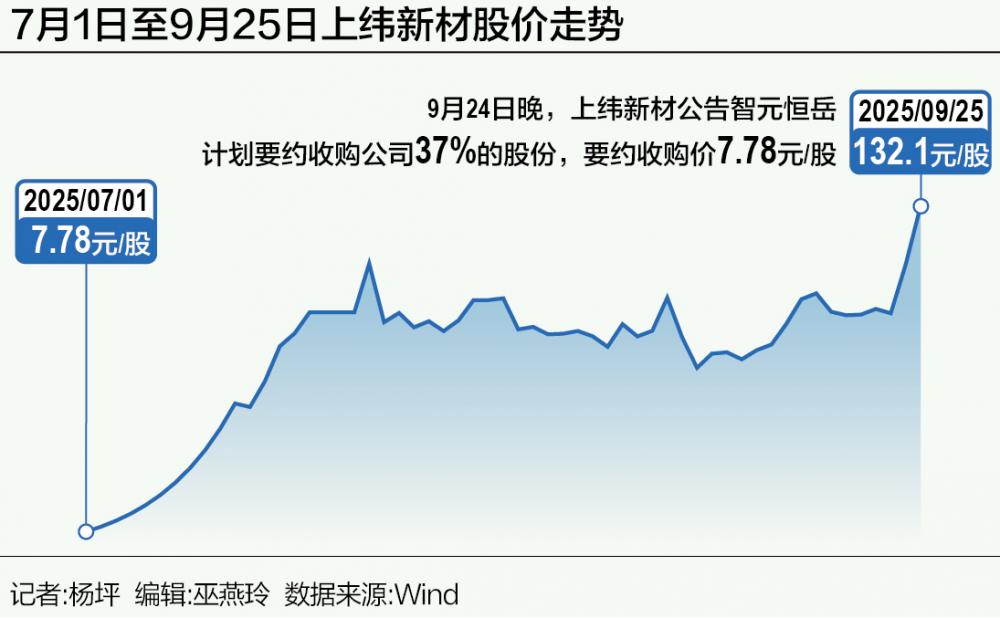
Core Viewpoint - The article discusses the recent tender offer by Zhiyuan Robotics to acquire a significant stake in Shangwei New Materials at a notably low price, amidst a backdrop of soaring stock prices and strategic maneuvers to enhance control over the company [1][3][9]. Group 1: Tender Offer Details - Zhiyuan Robotics, through its holding platform Zhiyuan Hengyue, plans to acquire 149 million shares of Shangwei New Materials at a price of 7.78 yuan per share, representing 37% of the company's total equity [1][12]. - The tender offer price is significantly lower than the current market price of 132.1 yuan per share, which is nearly 17 times higher than the offer price [3][11]. - The tender offer is primarily directed at shareholders other than the acquirer and its concerted parties, effectively excluding retail investors who entered after the announcement of the acquisition [5][9]. Group 2: Strategic Implications - The low offer price aligns with regulatory requirements, as it matches the price paid by Zhiyuan Robotics to gain control of Shangwei New Materials [9][10]. - The acquisition strategy involves a three-step process, with the current tender offer being the final step to increase ownership and control over the company [10][14]. - The purpose of the tender offer is to enhance control over Shangwei New Materials, facilitating future capital operations and ensuring sustainable development for the company [14][15]. Group 3: Market Dynamics - The stock price of Shangwei New Materials has surged by 1839.8% this year, making it the first stock to achieve a tenfold increase and subsequently a twentyfold increase [3][15]. - The concentration of shares held by Zhiyuan Robotics is expected to facilitate market management and reduce volatility, as a smaller float makes the company more susceptible to speculative trading [18]. - The strategic acquisition is seen as a way to bind upstream and downstream industry resources, potentially leading to further capital operations and asset acquisitions in the future [15][16].
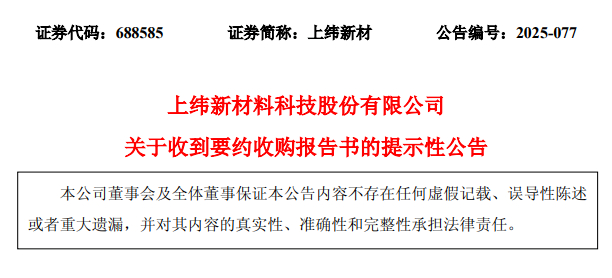
“不到一折”!智元要约收购15倍大牛股 为“发股”铺路?
2 1 Shi Ji Jing Ji Bao Dao· 2025-09-25 07:23
Core Viewpoint - Zhiyuan Robotics is pursuing a partial tender offer to acquire 149 million shares of Shangwei New Materials at a price of 7.78 yuan per share, which is significantly lower than the current market price of 112.7 yuan per share, indicating a potential exclusion of retail investors from the offer [2][3][5]. Group 1: Acquisition Strategy - The tender offer aims to increase Zhiyuan Robotics' control over Shangwei New Materials, enhancing its ability to manage and operate the company effectively [10][12]. - The acquisition process is structured in three steps, with the first step involving the purchase of 29.99% of shares to avoid triggering mandatory tender offer obligations [6][7]. - The second step includes an irrevocable commitment from the original controlling shareholders to relinquish their voting rights, solidifying Zhiyuan Robotics' control [6][7]. Group 2: Market Dynamics - The tender offer price of 7.78 yuan per share is the minimum allowed under regulations, raising concerns about its fairness given the substantial difference from the market price [5][11]. - The market has reacted positively, with Shangwei New Materials' stock price surging to 132.10 yuan per share shortly after the announcement, making it unlikely for retail investors to accept the low offer [7][14]. - The limited free float of Shangwei New Materials' shares makes it a target for speculative trading, as controlling a smaller float reduces the cost for major investors [13][14]. Group 3: Future Capital Operations - The acquisition is seen as a strategic move to facilitate future capital operations, allowing Zhiyuan Robotics to leverage Shangwei New Materials for further financing or asset acquisitions [11][12]. - If the tender offer is successful, Zhiyuan Robotics will hold approximately 67% of Shangwei New Materials, providing a strong foundation for future capital market activities [12]. - The consolidation of shares will also aid in market value management, as a higher ownership percentage can stabilize stock performance [12][14].
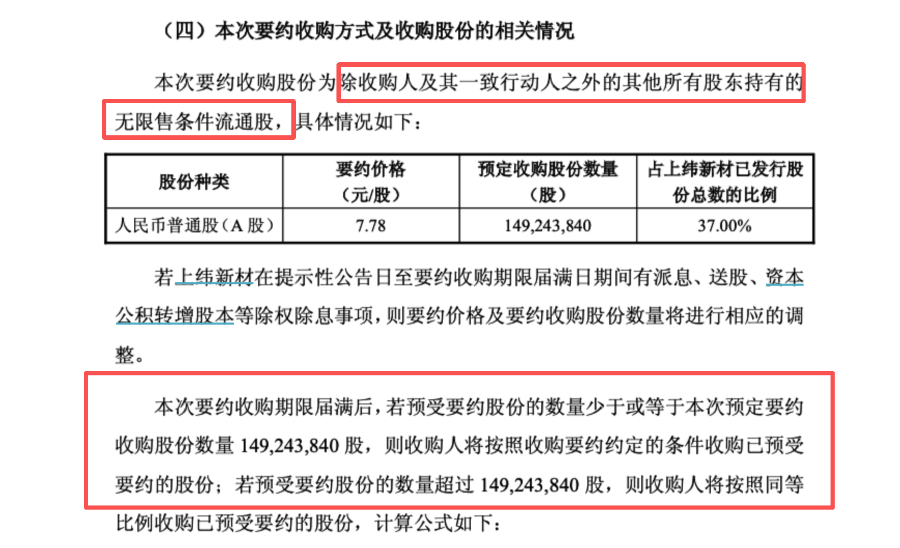
上纬新材连续两日涨停 续创历史新高
Zheng Quan Shi Bao Wang· 2025-09-25 03:23
Group 1 - The core point of the article is that Shangwei New Materials (688585) has seen a significant stock price increase, reaching a historical high of 132.1 yuan per share, with a cumulative rise of nearly 16 times since July [2] - Shanghai Zhiyuan Hengyue Technology Partnership plans to make a tender offer to acquire 37% of Shangwei New Materials at a price of 7.78 yuan per share, with a maximum total funding requirement of 1.161 billion yuan [2] - The tender offer period is set for 30 calendar days, from September 29 to October 28 [2] Group 2 - Following the completion of the share transfer, Zhiyuan Hengyue and Zhiyuan New Venture Partnership will collectively hold 29.99% of the shares and corresponding voting rights in the listed company [3] - The controlling shareholder of the listed company will change to Zhiyuan Hengyue, with Deng Taihua becoming the actual controller [3]