资金占用

Search documents
ST岭南向联席董事长提起诉讼 追讨1.42亿元资金
Zhong Guo Jing Ying Bao· 2025-10-27 09:49
Core Viewpoint - ST Lingnan is pursuing legal action against its former actual controller and current co-chairman, Yin Hongwei, for the recovery of misappropriated funds amounting to 142 million yuan, which has raised concerns about the company's financial stability and governance issues [2][3][5]. Financial Issues - The company reported cumulative losses exceeding 3.63 billion yuan over the past three years, with net losses of 1.55 billion yuan in 2022, 1.09 billion yuan in 2023, and 984 million yuan in 2024 [5][6]. - As of the end of 2024, ST Lingnan's accounts receivable stood at 2.26 billion yuan, indicating significant challenges in cash flow and collection [6]. Legal Proceedings - The case against Yin Hongwei has been officially accepted by the court, with the amount in question being 142 million yuan plus associated losses due to fund occupation [2][3]. - Yin Hongwei's personal assets are uncertain, raising doubts about the recovery of the owed amount [4][5]. Governance and Compliance - The company has faced scrutiny from the China Securities Regulatory Commission for suspected violations of information disclosure, which is believed to be linked to the fund misappropriation case [5]. - Internal control issues have been highlighted, with auditors issuing negative opinions on the company's internal controls due to the misappropriation of funds [3][5]. Shareholder Impact - Following the misappropriation, Yin Hongwei's shareholding has been significantly affected, with 208 million shares frozen and 100 million shares recently auctioned off, reducing his stake from 14.71% to 11.42% [4][5].


青岛啤酒,终止收购
Zhong Guo Ji Jin Bao· 2025-10-27 09:01
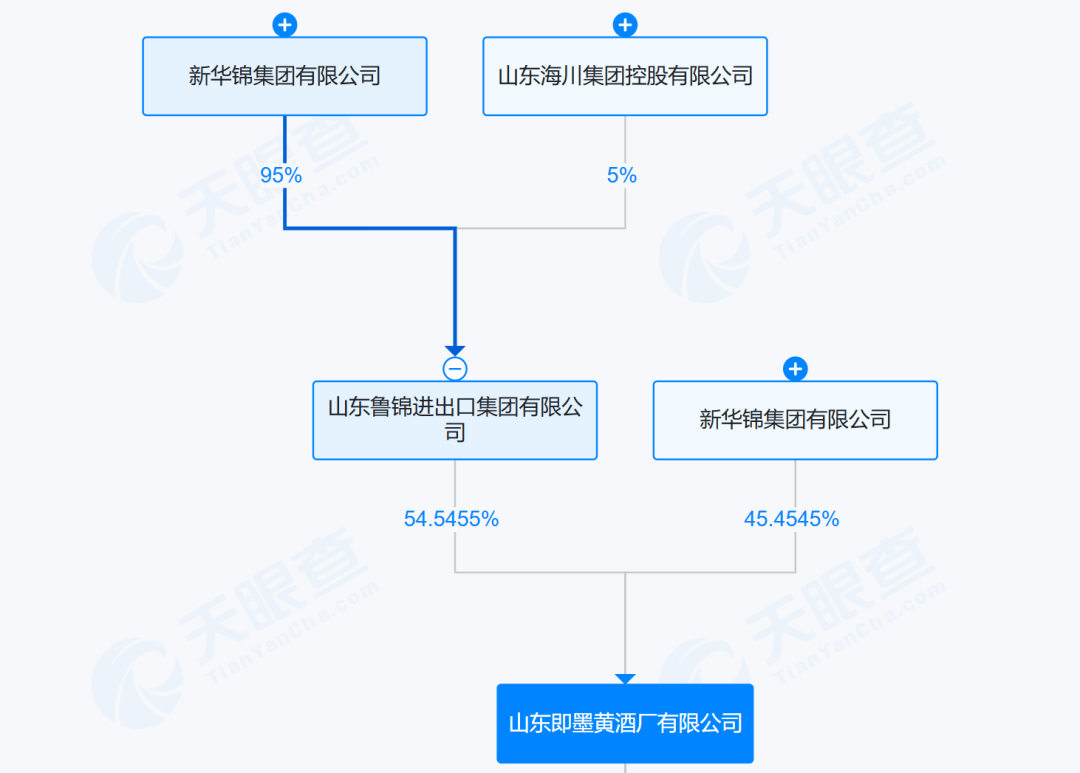
Core Viewpoint - Qingdao Beer has officially terminated its acquisition of 100% equity in Jimo Yellow Wine, which was initially valued at 665 million yuan, due to unmet conditions in the equity transfer agreement [1][5]. Company Summary - The acquisition aimed to diversify Qingdao Beer's business beyond beer, as the Chinese beer industry faces slowing growth, with a projected 0.6% decline in beer production for 2024 and a 5.3% decrease in Qingdao Beer's revenue [2]. - Jimo Yellow Wine, established in 1949, is a representative of northern yellow wine, with its "Jimo" brand recognized as a "Chinese Time-honored Brand" since 2006. In 2024, it reported a revenue of 166 million yuan, up 13.5%, and a net profit of 30.47 million yuan, up 38% [4]. Industry Context - The traditional yellow wine sector is experiencing a revival, driven by national trends and innovation from leading liquor companies, indicating a significant national expansion [3]. Financial Implications - The termination of the acquisition is expected to have severe financial repercussions for ST Xinhuajin, which was relying on the 665 million yuan from the sale to address a 406 million yuan fund occupation issue [10][11]. - ST Xinhuajin's stock faces delisting risks if it fails to recover the occupied funds by February 2026, as indicated by regulatory measures [12]. Legal and Operational Challenges - The termination was influenced by a series of equity freezes affecting Jimo Yellow Wine, totaling over 100 million yuan, primarily linked to its major shareholders, which created significant legal and operational barriers for the acquisition [6][9]. - The equity freeze was deemed a "significant adverse change," leading to the automatic termination of the acquisition agreement after the stipulated 120-day period [9].

同辉信息被实控人戴福昊玩坏了?北交所上市材料造假 董事会“搅局”小股民最受伤?
Xin Lang Zheng Quan· 2025-10-21 11:04
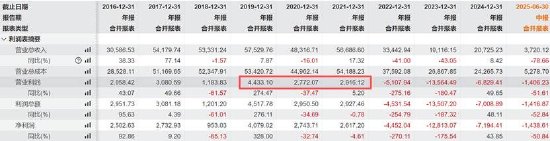
Core Viewpoint - Tonghui Information has been found to have engaged in financial fraud for several years prior to its listing on the Beijing Stock Exchange, with its actual controller, Dai Fuhao, being criticized for the severity of the misconduct. Following its listing, the company has faced continuous losses, and funds have been misappropriated by Dai Fuhao. The company is now facing withdrawal of investment from strategic partner Nantian Shujin, raising concerns about the future of the company and the protection of minority shareholders' interests [1][3][8]. Group 1: Financial Fraud and Penalties - On October 17, Tonghui Information announced that it received an administrative penalty from the China Securities Regulatory Commission (CSRC) for financial fraud committed from 2018 to 2021, resulting in fines totaling 35.5 million yuan. The company was ordered to correct its actions and received a warning, while Dai Fuhao was fined 11.5 million yuan and banned from the market for ten years [1][5]. - The company inflated its revenue and profits through fictitious business contracts and premature or delayed revenue recognition, leading to false disclosures in its annual reports from 2018 to 2021. The inflated revenues were 20.17 million yuan, 9.617 million yuan, 14.976 million yuan, and 18.065 million yuan for the respective years, with corresponding profit inflation of 10.4643 million yuan, 8.1486 million yuan, 7.3748 million yuan, and 5.8782 million yuan [5][6]. Group 2: Financial Performance Post-Listing - After its listing on the Beijing Stock Exchange, Tonghui Information's financial performance deteriorated significantly, with revenues dropping from 567 million yuan in 2021 to 20.72 million yuan in 2024, and net profits turning from a profit of 26.17 million yuan in 2021 to losses of 71.94 million yuan in 2024. The first half of 2025 saw revenues decline by 78.66% year-on-year [3][4]. - The company reported a net loss of 14.39 million yuan and a non-recurring net loss of 14.30 million yuan in the first half of 2025, indicating a continued downward trend in financial performance [3][4]. Group 3: Management and Governance Issues - Dai Fuhao has been implicated in misappropriating company funds, with an average daily fund occupation of 38.27 million yuan in 2022, which was fully repaid by the end of the year. Additionally, the company faced a legal investigation by the CSRC for information disclosure violations [7][8]. - Following the company's financial troubles, strategic partner Nantian Shujin decided to withdraw its financial support of 41.95 million yuan due to ongoing interference in company operations by Dai Fuhao. The company currently has only 19.09 million yuan in available funds, facing significant financial pressure [8][12]. Group 4: Future Outlook and Shareholder Concerns - The ongoing conflict between Dai Fuhao and Nantian Shujin raises questions about the protection of minority shareholders' interests. The company is working on a plan to communicate with its actual controller and Nantian Shujin to negotiate payment extensions and avoid litigation risks [12][11]. - The company is also undergoing management changes and restructuring efforts to stabilize operations, but the internal conflicts and governance issues may hinder recovery efforts [11][12].
山东新华锦国际股份有限公司关于资金占用责令改正进展暨可能被实施退市风险警示的风险提示公告
Shang Hai Zheng Quan Bao· 2025-10-17 18:51
Core Viewpoint - Shandong Xinhua Jin International Co., Ltd. is facing potential delisting risk due to non-operational fund occupation amounting to 406 million yuan, which must be rectified within six months as mandated by the Qingdao Securities Regulatory Bureau [2][5][12]. Group 1: Fund Occupation and Rectification Progress - The company has received an administrative regulatory decision from the Qingdao Securities Regulatory Bureau regarding the non-operational occupation of funds by Xinhua Jin Group and its affiliates, totaling 406 million yuan [2][5]. - As of the announcement date, the Xinhua Jin Group and its affiliates have not returned the occupied funds, which must be repaid within six months from the receipt of the regulatory decision [3][4]. Group 2: Delisting Risk and Stock Suspension - If the company fails to recover the occupied funds within the stipulated six months, its stock will be suspended, and if not rectified within two additional months, it will face delisting risk [5][12]. - The company has emphasized its commitment to recover the occupied funds and maintain the interests of its shareholders [4][7]. Group 3: Stock Trading Anomalies - The company's stock price experienced a cumulative deviation of over 12% in closing prices over three consecutive trading days from October 15 to October 17, 2025, indicating abnormal trading activity [10][13]. - The company has confirmed that there are no undisclosed significant matters affecting its stock price, and its operational status remains normal [14][16]. Group 4: Shareholder Risks - The controlling shareholder and its concerted parties have pledged a significant portion of their shares, with 184.92 million shares pledged, representing 99.64% of their holdings and 43.13% of the total shares [11][21]. - There are also risks associated with judicial freezing and marking of shares held by the controlling shareholder, with a substantial percentage of shares affected [22].
奇葩!4个月内4收函!
Shen Zhen Shang Bao· 2025-10-12 04:37
Core Viewpoint - ST Luton (300555) has received multiple inquiries from the Shenzhen Stock Exchange regarding its governance and financial issues, indicating ongoing concerns about the company's operations and management [1][3]. Group 1: Company Governance Issues - Since June 2023, ST Luton has received four inquiries from the Shenzhen Stock Exchange, highlighting persistent governance concerns [1]. - The company has been involved in a control struggle, with legal actions initiated against shareholders regarding voting rights and board elections [4]. - The board has not yet issued a notice for a temporary shareholders' meeting to address the dismissal of two directors, raising questions about compliance with regulations [3]. Group 2: Financial Performance - ST Luton's revenue has declined for two consecutive years, with a reported revenue of 42.76 million yuan in the first half of 2025, down 25.88% year-on-year [5]. - The company has experienced continuous losses, with a non-recurring net profit loss of 61.45 million yuan in 2024, marking a trend of increasing losses over the past six years [4]. - As of September 30, 2023, the company reported that its actual controller and related parties had returned 147.11 million yuan of misappropriated funds, with 8.69 million yuan still outstanding [3].


4.06亿元占用资金如何清偿?新华锦危机四伏
Xin Lang Cai Jing· 2025-09-30 04:19
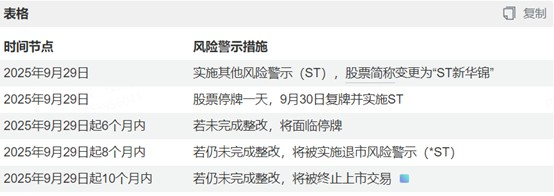
Core Viewpoint - The company Xinhua Jin has been renamed to "ST Xinhua Jin" due to regulatory warnings triggered by the non-operational occupation of funds amounting to 406 million yuan by its controlling shareholder and related parties, which has not been repaid as of late September 2025 [1][2][4]. Group 1: Financial Crisis - As of the date of the half-year report, the non-operational occupation of funds by Xinhua Jin Group and its related parties reached 406 million yuan, with a regulatory requirement to repay within six months [2]. - The company has issued two progress announcements indicating no repayment of the occupied funds, leading to the triggering of regulatory red lines under the Shanghai Stock Exchange rules [4]. - If the controlling shareholder fails to repay the 406 million yuan within the six-month rectification period, the company will face a clear regulatory penalty and multiple operational crises, including potential delisting [4]. Group 2: Asset Sale as a Solution - The hope for Xinhua Jin lies in the sale of its quality asset, the Jimo Yellow Wine Factory, to Qingdao Beer for 665 million yuan, which theoretically could cover the 406 million yuan occupied funds [6][10]. - However, as of late September, the transaction has not been completed, leading to increased uncertainty regarding the company's financial recovery [6][10]. - The market remains optimistic about the transaction, as reflected in a 10.07% increase in the stock price on September 23, 2025, closing at 6.23 yuan per share [6]. Group 3: Transaction Challenges - The delay in the transaction completion may be due to issues such as the existence of pledged shares and financial transparency concerns regarding the Jimo Yellow Wine [7][10]. - The controlling shareholder, Shandong Lujin Import and Export Group, has all its shares frozen, which complicates the financial situation and limits the ability to resolve the pledged shares [5][11]. - The financial health of the controlling shareholder shows high leverage, with a debt ratio of 57.33%, which raises concerns about its ability to secure additional financing to resolve the pledged shares [11]. Group 4: Market Perception and Future Risks - The high net profit margin of Jimo Yellow Wine, at 18.3%, is attributed to its regional monopoly, but there are doubts about whether this advantage can be replicated nationally [10]. - If the transaction with Qingdao Beer fails, Xinhua Jin may need to explore other asset disposals to raise the necessary funds, but many of its assets are also encumbered by pledges [12][14]. - The urgency of the situation is compounded by the regulatory requirement to complete rectification within six months, making it difficult for potential strategic investors to engage in the process [14].

财说| 4.06亿元占用资金如何清偿?新华锦危机四伏
Xin Lang Cai Jing· 2025-09-30 03:28
Group 1: Core Issues - The company has been renamed to "ST Xinhua Jin" due to regulatory warnings triggered by the non-operational occupation of funds amounting to 406 million yuan by its controlling shareholder and related parties [1][2] - The controlling shareholder has failed to repay the occupied funds within the stipulated six-month period, leading to the implementation of risk warnings on the company's stock [2][3] - The potential salvation for the company lies in a 665 million yuan equity transfer agreement with Qingdao Beer for the acquisition of the Jimo Yellow Wine Factory, which has yet to be completed [1][5] Group 2: Financial and Regulatory Challenges - If the controlling shareholder cannot repay the 406 million yuan within the six-month rectification period, the company faces a clear regulatory penalty ladder, including potential suspension and delisting risks [3][6] - The controlling shareholder's shares have been completely frozen, further complicating the company's financial situation and limiting its ability to rectify the fund occupation issue [5][9] - The company’s stock price showed a temporary increase due to market optimism regarding the completion of the Jimo Yellow Wine transaction, despite ongoing uncertainties [6][8] Group 3: Transaction and Asset Issues - The Jimo Yellow Wine transaction has not progressed due to multiple restrictions on the asset's liquidity, including pledges and freezes on shares, which hinder the completion of the deal [6][9] - The financial transparency of Jimo Yellow Wine has raised concerns, as the buyer, Qingdao Beer, requires an audit to confirm the asset's financial data before proceeding with the transaction [7][8] - The controlling shareholder's financial difficulties and the need to resolve multiple asset pledges create a complex situation that complicates the potential sale of other assets to cover the occupied funds [10][12]
岭南股份披露股东部分股份拟被二拍,公司目前涉嫌违披调查进行
Xin Lang Cai Jing· 2025-09-27 23:29
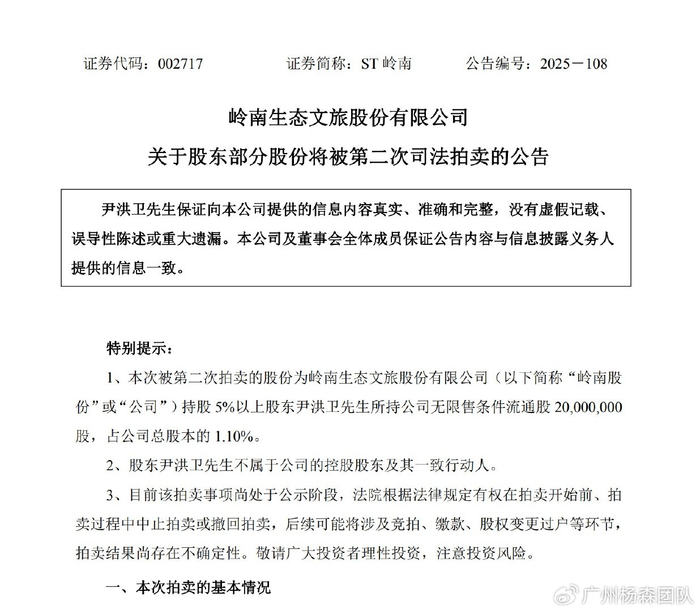
Group 1 - Company Lingnan Ecological Culture and Tourism Co., Ltd. (岭南股份) announced that 20,000,000 shares held by shareholder Mr. Yin will be auctioned for the second time, representing 1.10% of the company's total shares, starting from October 9, 2025 [3] - The company and Mr. Yin received a notice from the China Securities Regulatory Commission (CSRC) regarding an investigation for suspected violations of information disclosure laws [4] - The company previously discovered that the former actual controller had occupied funds, and it is unclear if the current investigation is related to this issue [4][5] Group 2 - The company identified that in March 2021, it paid 10 million yuan to a supplier, which was ultimately transferred to a company designated by Mr. Yin, constituting fund occupation [5] - As of December 31, 2024, the highest balance of occupied funds by Mr. Yin was 200 million yuan, accounting for 18.79% of the company's latest audited net assets [5] - Mr. Yin has returned 10.5 million yuan in cash to the company and plans to repay the remaining occupied funds of 142.35 million yuan through various financing methods [5][6] Group 3 - Following the self-examination, the company is actively pursuing the return of occupied funds to mitigate adverse effects [6] - Some affected investors have filed lawsuits seeking compensation for losses incurred due to the alleged violations, with the potential for claims based on specific conditions [6][7] - The company primarily engages in landscaping and cultural creative businesses, including exhibition marketing services and ecological restoration [7]
600735 将被“ST”!影响2.3万股东
Zhong Guo Ji Jin Bao· 2025-09-26 13:29
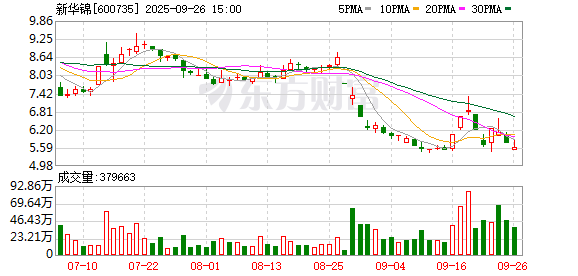
Core Viewpoint - Xinhua Jin will be subject to risk warning due to unresolved non-operating fund occupation issues, with stock trading suspended for one day and renamed to ST Xinhua Jin starting September 30 [2][5][7] Group 1: Company Financial Issues - As of June 30, the balance of non-operating funds occupied by Xinhua Jin Group and its affiliates reached 406 million yuan [5][7] - The stock price of Xinhua Jin closed at 5.60 yuan per share on September 26, with a decline of 2.61%, resulting in a total market value of 2.401 billion yuan [2][5] Group 2: Regulatory Actions - Xinhua Jin received a regulatory notice from the Qingdao Securities Regulatory Bureau on August 26, mandating corrective measures due to the non-operating fund occupation [5][8] - According to the Shanghai Stock Exchange rules, if the occupied funds exceed 5% of the latest audited net assets or 10 million yuan and are not resolved within one month, the company will face risk warnings [8] Group 3: Potential Solutions and Risks - Xinhua Jin is urging its parent company to expedite the asset disposal and fund recovery process, including the potential sale of shares in Shandong Jimo Yellow Wine Factory to Qingdao Beer for 665 million yuan [9][10] - The regulatory body has set a six-month deadline for the return of the occupied funds, with severe consequences for non-compliance, including stock suspension and potential delisting [10]
600735,将被“ST”!影响2.3万股东
中国基金报· 2025-09-26 13:23
Core Viewpoint - Xinhua Jin will be subject to other risk warnings due to the unresolved issue of non-operating fund occupation by related parties, which has not been rectified within one month [5][12]. Group 1: Stock Suspension and Risk Warning - Xinhua Jin announced that its stock will be suspended for one day on September 29 and will be subject to other risk warnings starting September 30, with the stock name changing to ST Xinhua Jin, and a daily price fluctuation limit of 5% [2][5]. - As of September 26, Xinhua Jin's stock price was 5.60 yuan per share, with a decline of 2.61%, and a total market value of 2.401 billion yuan [5]. Group 2: Non-Operating Fund Occupation - As of the latest report, the balance of non-operating funds occupied by Xinhua Jin Group and its related parties amounts to 406 million yuan [11]. - The Xinhua Jin Group, through its wholly-owned subsidiary, holds an indirect stake of 43.27% in Xinhua Jin, making it the indirect controlling shareholder [9]. Group 3: Regulatory Actions and Deadlines - The Qingdao Securities Regulatory Bureau issued a corrective action decision on August 26, requiring the return of the occupied funds within six months from the date of the decision [9][18]. - If the funds are not returned within the stipulated time, the Shanghai Stock Exchange will impose a trading suspension, and if unresolved within two additional months, a delisting risk warning will be issued [18]. Group 4: Asset Disposal and Fund Recovery - Xinhua Jin is urging Xinhua Jin Group to expedite the transfer of shares in Shandong Jimo Yellow Wine Factory to Qingdao Beer for 665 million yuan, which could cover the occupied fund balance [16]. - However, as of now, this transaction has not been completed, and the regulatory deadline for resolving the non-operating fund occupation issue is only five months away [17].