一户一宅

Search documents
首层高度不得超过4.5米!东莞最新农房管理办法正征求意见
Nan Fang Du Shi Bao· 2026-01-08 13:06
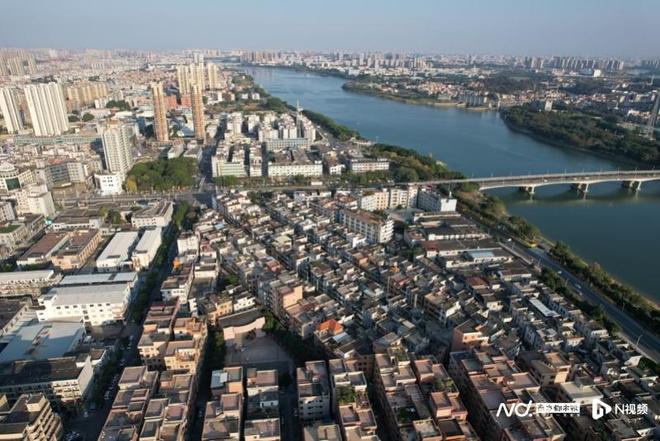
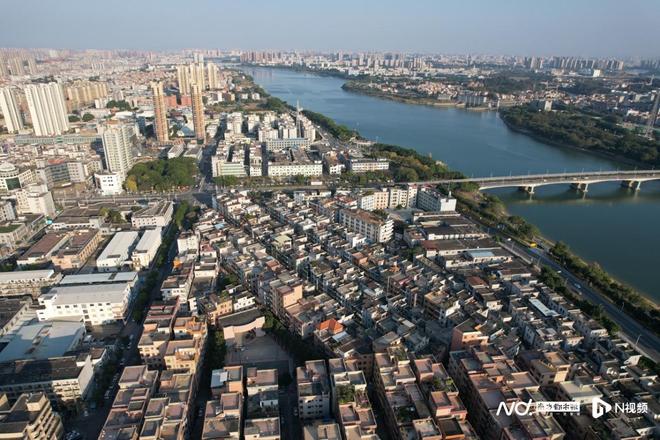
Core Viewpoint - Dongguan's Housing and Urban-Rural Development Bureau has released a draft for public consultation regarding the revised "Management Measures for Farmers' Housing" aimed at regulating the construction of rural housing [1][3] Group 1: Construction Regulations - The draft specifies that the number of floors for farmers' housing should not exceed four, with the first floor height limited to 4.5 meters and total building height capped at 16 meters [1][3] - The draft enforces a "one household, one house" principle, limiting the land area for each household to a maximum of 150 square meters [3][4] - The total building area must not exceed four times the approved land area for construction, and the building's footprint must remain within the approved land boundaries [3] Group 2: Public Feedback and Responses - Some citizens requested the cancellation of the 4.5-meter height limit for the first floor, suggesting it be increased to 6 meters; however, the bureau has decided not to adopt this suggestion [1][4] - The bureau emphasized that the current height standards are already higher than those in nearby cities, aiming to prevent safety hazards associated with excessively high first floors [4] - The draft is a necessary revision to ensure the stability and continuity of housing management policies, reflecting local conditions and new legal requirements [4]

每户用地面积不超150平方米!东莞农房管理办法正征求意见
Nan Fang Du Shi Bao· 2025-09-17 06:10
Core Viewpoint - Dongguan City is soliciting public opinions on the revised "Management Measures for Farmers' Housing" aimed at regulating the construction and management of farmers' housing on approved rural homesteads [1] Group 1: Regulations on Farmers' Housing - The construction of farmers' housing must adhere to the "one household, one house" principle, with a maximum land area of 150 square meters for each household and a total building area not exceeding four times the land area [3][4] - The measures strictly prohibit illegal transactions of homestead land, unauthorized construction of farmers' housing, and the purchase of homesteads by urban residents [5] Group 2: Zoning and Construction Areas - Dongguan will delineate areas for prohibited, limited, and permitted construction of farmers' housing, with prohibited areas including city centers and key land reserve zones [6] - Limited construction areas will allow for approved renovations or reconstructions, while permitted areas will generally allow for new constructions [6] Group 3: Enforcement and Accountability - The measures establish a multi-departmental joint inspection mechanism to address illegal construction and a reward system for reporting violations [8] - There will be strict accountability for local leaders if new illegal constructions occur after the implementation of these measures [8][9]
西安拟出台农村住房新规 鼓励体现“关中民居”特色
Zhong Guo Jing Ying Bao· 2025-08-19 11:14
Core Viewpoint - The Xi'an Housing and Urban-Rural Development Bureau is soliciting public opinions on the implementation details for rural housing construction management, emphasizing the "one household, one house" policy and the need to reflect the characteristics of Guanzhong residential architecture [1][2]. Group 1: Policy Implementation - The new guidelines aim to strengthen rural housing quality and safety management, establishing a long-term mechanism for rural housing construction management [2][3]. - The "one household, one house" policy is strictly enforced, requiring adherence to rural land area standards and a defined approval process involving village collective organizations and local government [2][3]. Group 2: Architectural Characteristics - The guidelines promote the unique architectural style of Guanzhong, encouraging the incorporation of traditional elements such as gate towers, gables, and sloped roofs in rural housing designs [4][5]. - The design of Guanzhong residences, particularly the "half-covered house," is highlighted for its benefits in insulation, drainage, and resource conservation, reflecting the region's historical and cultural significance [5][6]. Group 3: Utilization of Idle Housing - The guidelines encourage the legal transfer of idle rural housing to stimulate new industries such as leisure agriculture, rural tourism, and e-commerce, thereby enhancing rural economic vitality [6].
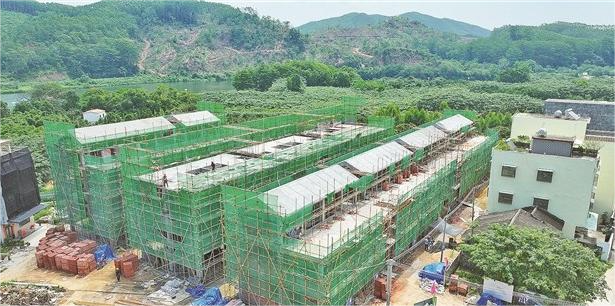
潮州市饶平县深入推进宅基地改革 “一户一宅”探索出一条新路径
Zhong Guo Fa Zhan Wang· 2025-06-17 08:54
Core Viewpoint - The article highlights the successful implementation of a housing reform initiative in Yingfen Village, Chaozhou City, which addresses the challenges of land scarcity and resource management while promoting rural revitalization through a structured approach to housing and land use [2][3]. Group 1: Institutional Innovation and Protection of Villagers' Rights - Yingfen Village has been selected as a pilot village for standardized management of homestead and rural housing approvals, aiming to tackle long-standing issues of regulatory difficulties and illegal constructions [3]. - The village has established a villagers' affairs council to create regulations and responsibilities for homestead management, ensuring the protection of villagers' legal rights [3][4]. - A dynamic database has been created to track land use and ownership, addressing issues such as "one household multiple homes" and unclear ownership [4]. Group 2: Spatial Optimization and Efficient Land Resource Utilization - The reform focuses on optimizing land resource allocation and enhancing land value while meeting villagers' housing needs and promoting industrial development [5]. - A village planning project has been commissioned to delineate living and industrial zones, integrating various development projects [5]. - A compensation system for land withdrawal has been introduced, allowing for both voluntary and compensated exits from homesteads, with a defined exchange ratio of 1:1 for homestead replacements [5][6]. Group 3: Standardized Construction and Community Development - The housing project in Yingfen Village features standardized designs for quality and aesthetics, including shared walls and communal facilities to enhance space efficiency [7]. - The first phase of the housing project includes 32 households, with construction expected to be completed by August, allowing villagers to move in before the next Spring Festival [7]. - A prepayment construction model has been established to reduce costs and streamline the building process, ensuring transparency and community oversight in funding [8].