
一站式生活方式服务

Search documents
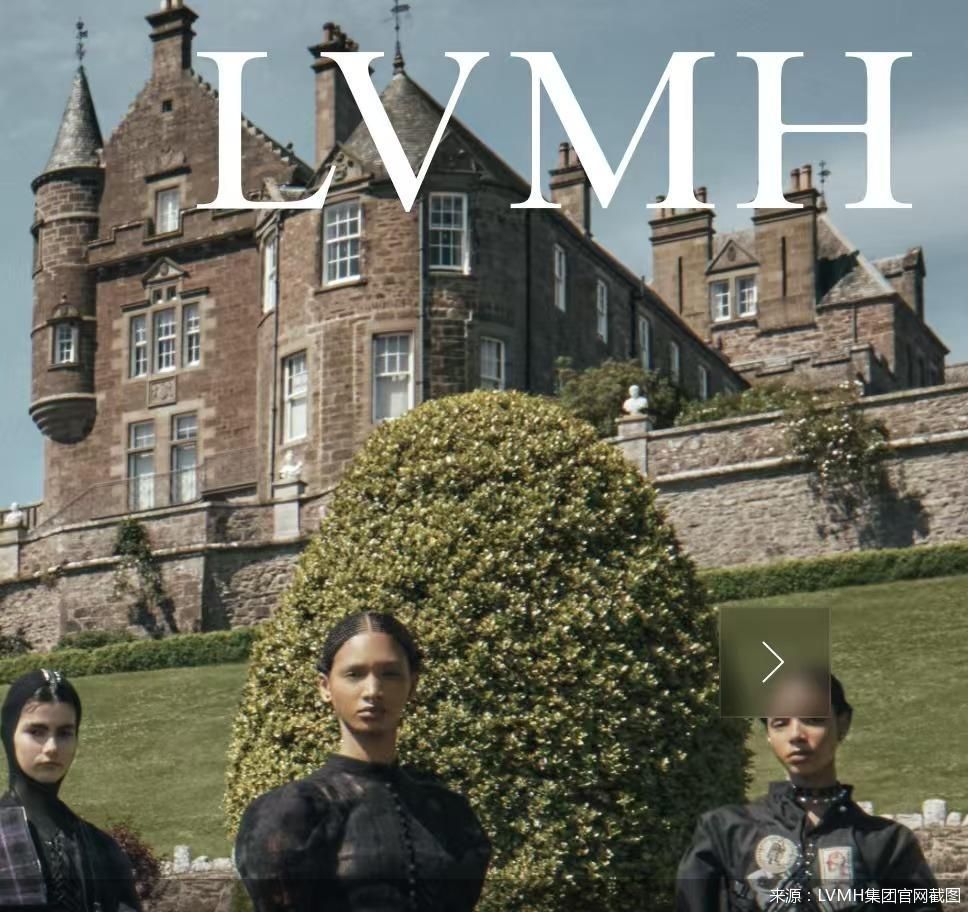
投资高奢香水品牌,LVMH集团发力香水香氛领域
Bei Jing Shang Bao· 2026-01-22 11:57
Core Viewpoint - LVMH Group, through its private equity firm L Catterton, has acquired a minority stake in the high-end French perfume brand EX NIHILO, signaling confidence in the growth potential of niche luxury fragrance brands [1][4]. Group 1: Investment Details - The investment amount for the acquisition of EX NIHILO is estimated to exceed 200 million yuan, with the transaction expected to be completed in the first quarter of 2026, pending regulatory approvals [1]. - EX NIHILO was founded in 2013 and has expanded its fragrance offerings from 9 to 78, with prices ranging from $165 to $365 [3]. Group 2: Market Position and Growth - LVMH has been actively investing in niche high-end perfume brands, including BDK Parfums, which has seen a sales growth of over 40% in 2025 and operates over 250 stores globally [3][4]. - The perfume and cosmetics segment of LVMH generated revenue of 4.08 billion euros in the first half of 2025, with a slight increase of 1% in the second quarter [5]. Group 3: Industry Trends - The luxury perfume market is expanding, with major beauty companies like L'Oréal and Estée Lauder also making acquisitions to strengthen their positions [5]. - The luxury market is shifting from oligopoly to a more diversified landscape, with a focus on product innovation and service improvement as key competitive factors [5].

迪奥、LV旗舰店扎堆三里屯,奢侈品巨头继续“押注”中国
2 1 Shi Ji Jing Ji Bao Dao· 2025-12-12 01:13
Core Insights - The luxury brands are making a strong commitment to the Chinese market, as evidenced by the opening of flagship stores in Sanlitun, Beijing, which signals a recovery in the luxury goods sector after market fluctuations [1][2] - The new flagship stores are designed to provide a comprehensive brand experience, moving beyond mere product sales to include retail, culture, and dining [1][4] Group 1: Market Trends - The luxury goods market is transitioning from a growth model based on opening new stores to one focused on enhancing customer experience and service [3][4] - Recent financial reports indicate a stabilization in the luxury sector, with LVMH reporting a 1% organic growth in Q3 2025, driven by a recovery in the Asian market [2][6] - Hermes and Prada have shown strong performance with revenue growth of 9.6% and 8% respectively, while Kering has seen a reduction in its decline, indicating a market differentiation [2][6] Group 2: Brand Strategies - The flagship stores are designed to create immersive brand experiences, such as Dior's Michelin-starred restaurant, which integrates high-end dining into the retail environment [4][5] - Brands are shifting their focus from merely selling products to providing a combination of products and experiences, aiming to build long-term emotional connections with customers [5][6] - The competitive landscape is evolving, with a focus on brand value, operational resilience, and unique customer experiences becoming critical for success in the luxury market [3][6]