
奢侈品市场多极化

Search documents
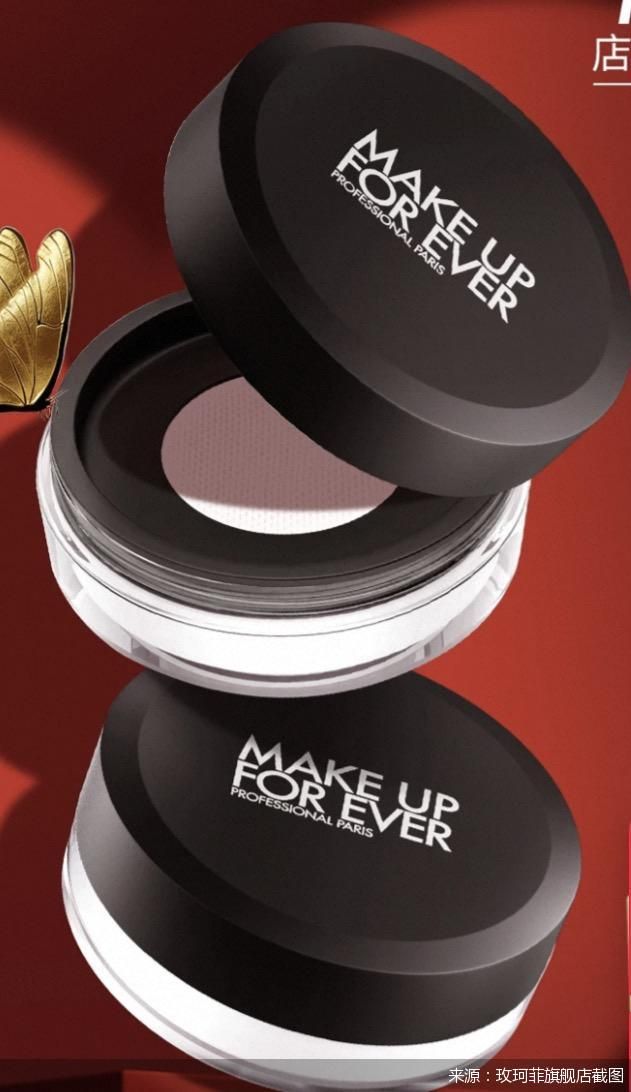
考虑出售玫珂菲,LVMH集团“甩包袱”?
Bei Jing Shang Bao· 2026-02-26 11:53
Core Viewpoint - LVMH is considering selling its makeup brand Make Up For Ever and skincare brand Fresh, as well as divesting part of its stake in Fenty Beauty due to declining performance and profitability challenges in the luxury market [2][3][4]. Group 1: Brand Performance - Make Up For Ever, founded in 1984 and acquired by LVMH in 1999, has been experiencing losses for several years, with an average price point of 300-500 RMB [2][3]. - Fresh, established in 1991, has also been facing difficulties, including the closure of multiple stores in China between 2024 and 2025 [3]. - Fenty Beauty, co-founded by Rihanna, initially gained popularity but has not maintained its momentum, leading to a decline in brand visibility [3]. Group 2: Financial Performance of LVMH - LVMH's total revenue for 2025 is projected to be 80.8 billion euros, a decrease of 3.876 billion euros (5%) from 2024 [4]. - The company's operating profit and net profit are expected to decline by 9% and 13%, respectively, amounting to 17.755 billion euros and 10.878 billion euros [4]. - In 2024, LVMH's revenue was 84.683 billion euros, down 2% year-on-year, with operating profit and net profit decreasing by 14% and 17%, respectively [4]. Group 3: Market Trends and Strategic Shifts - The luxury market is shifting from oligopoly to a more diversified landscape, with increasing competition from niche and custom brands [4]. - Consumer behavior is changing, with a decreasing willingness to pay premium prices, prompting luxury brands to focus on product innovation and service improvement [4]. - LVMH's strategy may involve divesting non-core brands to concentrate resources on stable growth brands like Dior and Guerlain, reinforcing its position in the high-end beauty market [5].

LVMH集团净利继续下滑:“2026年不会轻松”
Bei Jing Shang Bao· 2026-01-29 12:33
Core Viewpoint - LVMH Group's financial performance in 2025 shows a decline in both total revenue and net profit, indicating ongoing challenges in the luxury goods sector, which is facing a collective downturn and needs to regain consumer confidence for future growth [1][3]. Financial Performance - LVMH Group reported total revenue of €80.8 billion in 2025, a decrease of €3.876 billion or 5% compared to 2024. Operating profit and net profit fell by 9% and 13%, amounting to €17.755 billion and €10.878 billion respectively [3]. - In the first half of 2025, LVMH's revenue decreased by 4% to €39.81 billion, with operating profit down 15% to €9.01 billion and net profit down 22% to €5.69 billion [4]. Segment Performance - The fashion and leather goods segment experienced a revenue decline in 2025, with organic sales in Q4 dropping by 3%, slightly worse than the anticipated 2.94% [3]. - The wine and spirits division also saw a 5% decline in revenue year-on-year [3]. - The Asian market (excluding Japan) reported a 4% revenue drop for 2025, but showed signs of recovery in Q3 and Q4 with growth rates of 2% and 1% respectively [3]. Market Trends - The luxury goods market is shifting from oligopoly to a more diversified landscape, with increasing competition from high-end niche brands and customized services, leading to a decrease in consumers' willingness to pay premium prices [6]. - Product innovation and service experience improvement are becoming key focus areas for luxury brands to remain competitive in the evolving market [6]. Strategic Actions - In response to performance pressures, LVMH has been active in expanding its portfolio, including the launch of a new concept flagship store in Shanghai and the acquisition of Tiffany for approximately $16.2 billion [5]. - The company is also investing in niche perfume brands to seek growth opportunities in the fragrance sector [5].
再投高端品牌 LVMH发力香水赛道
Bei Jing Shang Bao· 2026-01-22 15:48
Group 1 - LVMH Group's private equity firm L Catterton has acquired a minority stake in the French high-end perfume brand EX NIHILO, with the investment amount expected to exceed 200 million yuan, and the transaction is anticipated to be completed in Q1 2026, pending regulatory approvals [1] - EX NIHILO, founded in 2013, has expanded its fragrance offerings from 9 to 78, with prices ranging from $165 to $365, and is known for its collaborations with artists and modern French aesthetics [1] - In recent years, LVMH has invested in several niche high-end perfume brands, including BDK Parfums, Vyrao, and Maison Berger, indicating a strategic focus on the growth potential of these brands [2] Group 2 - LVMH's perfume and cosmetics segment is one of the few areas still experiencing growth, with revenue of 4.08 billion euros in H1 2025, showing a slight increase of 1% in Q2, while overall group revenue has declined [3] - The luxury market is shifting from oligopoly to a more diversified landscape, with brands focusing on product innovation and service improvement to enhance competitiveness [4] - The expansion of the fragrance market and the increasing consumer base have prompted not only luxury groups but also major beauty companies like L'Oréal and Estée Lauder to invest in the fragrance sector [3][4]
投资高奢香水品牌,LVMH集团发力香水香氛领域
Bei Jing Shang Bao· 2026-01-22 11:57
Core Viewpoint - LVMH Group, through its private equity firm L Catterton, has acquired a minority stake in the high-end French perfume brand EX NIHILO, signaling confidence in the growth potential of niche luxury fragrance brands [1][4]. Group 1: Investment Details - The investment amount for the acquisition of EX NIHILO is estimated to exceed 200 million yuan, with the transaction expected to be completed in the first quarter of 2026, pending regulatory approvals [1]. - EX NIHILO was founded in 2013 and has expanded its fragrance offerings from 9 to 78, with prices ranging from $165 to $365 [3]. Group 2: Market Position and Growth - LVMH has been actively investing in niche high-end perfume brands, including BDK Parfums, which has seen a sales growth of over 40% in 2025 and operates over 250 stores globally [3][4]. - The perfume and cosmetics segment of LVMH generated revenue of 4.08 billion euros in the first half of 2025, with a slight increase of 1% in the second quarter [5]. Group 3: Industry Trends - The luxury perfume market is expanding, with major beauty companies like L'Oréal and Estée Lauder also making acquisitions to strengthen their positions [5]. - The luxury market is shifting from oligopoly to a more diversified landscape, with a focus on product innovation and service improvement as key competitive factors [5].
三季度止跌 LVMH集团艰难前行
Bei Jing Shang Bao· 2025-10-15 15:54
Core Viewpoint - LVMH Group has shown signs of recovery in Q3 after consecutive revenue declines, with a 1% organic growth, but faces significant challenges ahead due to trust issues and a cooling luxury market [1][2][7] Financial Performance - In the first three quarters of the year, LVMH's revenue was approximately €58 billion, with a 2% year-on-year organic decline, and a 4% decline when accounting for currency effects [2] - Q3 revenue reached €18.2 billion, achieving a 1% organic growth, but also faced a 4% decline when considering a 5% currency impact [2][3] - The second quarter saw revenue of €19.5 billion, with an organic decline of about 7%, while Q1 experienced a 3% organic decline [3] Business Segment Performance - In Q3, the wine and spirits segment saw a 1% organic revenue growth, fashion and leather goods declined by 2%, perfumes and cosmetics grew by 2%, and selective retailing increased by 7% [2] - The Sephora brand's performance was highlighted as particularly strong, contributing positively to overall results [2] Regional Insights - Performance improved across all business groups and regions except Europe, with notable recovery in Asia, excluding Japan, and a resurgence in the Chinese market [2][4] Marketing and Strategic Initiatives - LVMH has been actively enhancing its marketing strategies, particularly in China, with initiatives like the "Louis Ship" concept store in Shanghai, which combines retail and experiential elements [4][5] - The company is also diversifying its product offerings, including the launch of a new makeup line under the LV brand [6] Challenges Ahead - Despite the positive Q3 results, LVMH acknowledges the challenges posed by a cooling luxury market and a trust crisis stemming from customer data leaks [7] - The luxury consumer spending has contracted, with a reported 7% drop in luxury spending among Gen Z consumers last year, equating to a market loss of $5.7 billion [7] - The competitive landscape is shifting, with increasing pressure from high-end niche brands and changing consumer preferences towards product innovation and service experience [8]