万物互联(AIoT)

Search documents
告别连接“将就”时代:星闪如何成为 AIoT 的“神经中枢”与万物互联的“硬总线”
Xin Lang Cai Jing· 2025-12-31 02:58
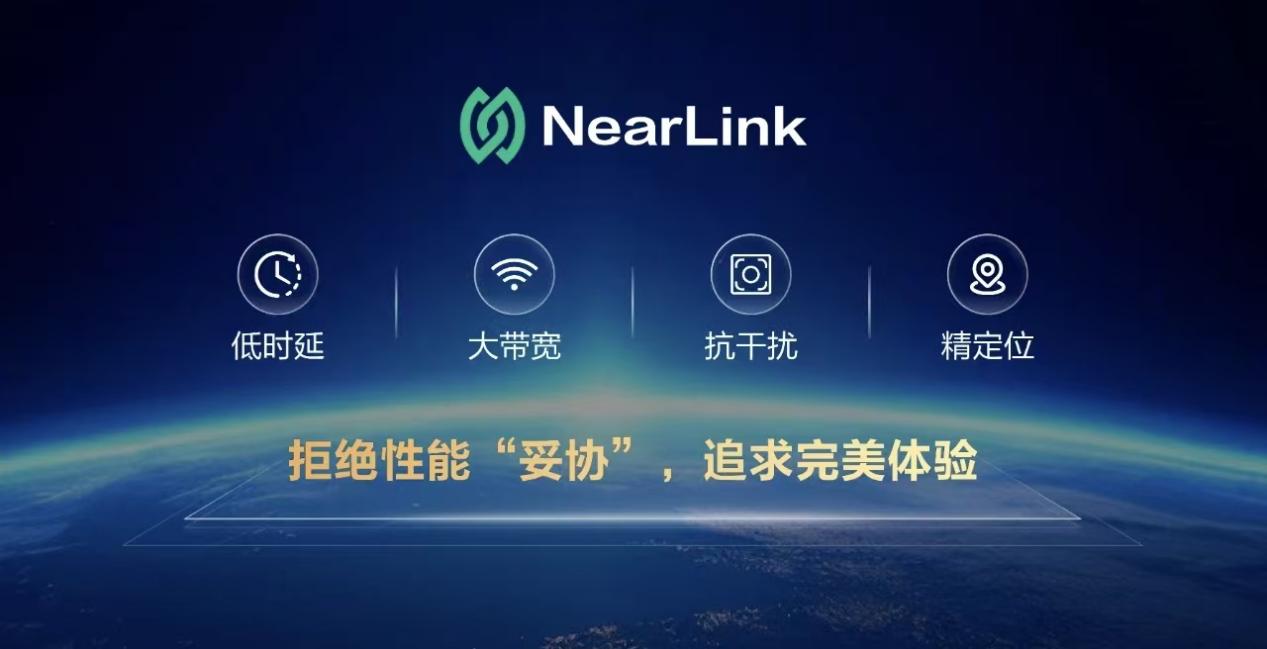
Core Insights - The year 2025 is marked as a watershed moment for the global wireless communication industry, with the launch of the Chinese-origin NearLink technology, which signifies a critical leap in industrial development [1][57]. Industry Overview - NearLink technology has transitioned from steady growth to explosive scale by 2025, with over 100 million terminal products expected to be equipped with this technology, indicating a shift from concept validation to large-scale commercialization [3][59]. - The International NearLink Alliance has grown to over 1,200 members, covering the entire industry chain from chip design to terminal applications, establishing a collaborative ecosystem [5][61]. Technological Advancements - NearLink technology integrates the advantages of traditional wireless technologies like Bluetooth and Wi-Fi, achieving six key capabilities: low latency, high bandwidth, strong anti-interference, precise positioning, integrated sensing, and high concurrency [10][66]. - The introduction of Polar codes enhances anti-interference capabilities by 7dB, significantly improving signal reception sensitivity and capacity [12][68]. - NearLink expands physical layer bandwidth to 4MHz and achieves a transmission rate of 12Mbps, which is six times faster than traditional Bluetooth [13][69]. Application Scenarios - In consumer electronics, NearLink is revolutionizing user experiences with high-speed interactions and lossless audio transmission, with over 50 products already utilizing this technology [19][75]. - In smart home applications, NearLink enables devices to transition from passive control to proactive sensing, enhancing user interaction and energy efficiency [36][92]. - In the automotive sector, NearLink is becoming a standard for digital car keys, improving accuracy and security in vehicle access [42][100]. Ecosystem Development - The strategic partnership between NearLink and the open-source HarmonyOS is fostering a synergistic ecosystem, enhancing device interconnectivity and user experience [47][103]. - The combined efforts of over 1,200 industry partners are driving the rapid adoption of NearLink technology, aiming to create a foundation for a trillion-dollar market in the AIoT era [5][61]. Future Outlook - NearLink aims to establish a robust ecosystem that supports 1 billion to 10 billion connections, marking a significant shift in the wireless communication landscape [54][110]. - The technology's evolution reflects China's transition from a follower to a leader in short-range wireless communication, paving the way for a new era of interconnected devices [55][111].

鸿蒙星光盛典:从一行代码,到一个未来
3 6 Ke· 2025-12-28 09:40
Core Viewpoint - HarmonyOS, launched six years ago, has successfully established itself in the competitive operating system market, surpassing iOS in market share in China and achieving significant user growth [4][6]. Group 1: Event Highlights - The "Harmony Starry Night" gala, held on December 20, 2025, was a celebration for users, developers, and partners of the HarmonyOS ecosystem, featuring prominent hosts and performers [3]. - The event showcased the achievements of HarmonyOS, emphasizing its growth and community engagement [3][8]. Group 2: Market Position and Growth - HarmonyOS has exceeded 1 billion devices in its ecosystem, with over 32 million devices running the latest versions, HarmonyOS 5 and 6 [6]. - As of Q3 2025, HarmonyOS captured an 18% market share in China's smartphone operating system market, surpassing iOS's 14% [6]. - The user growth rate for HarmonyOS has accelerated, with the number of devices increasing from 10 million to 20 million in just over two months [6][17]. Group 3: Technological Innovation - HarmonyOS is designed with a microkernel and distributed architecture, aiming to meet the demands of the AIoT era [15]. - The system's modular design allows for flexibility and scalability, enabling a user-friendly experience that adapts to human needs rather than requiring users to adapt to the technology [15][22]. - Innovative features like "smart grip" and "tap to connect" enhance user interaction and experience across devices [15][19]. Group 4: Community and Ecosystem Development - The Harmony ecosystem has over 350,000 applications, covering various sectors, and has attracted significant participation from developers and enterprises [22]. - The Harmony Starry Plan aims to support campus developers and creative talents, with over 7.32 million individuals engaging in HarmonyOS development [25]. - The community's involvement reflects a shift towards a digital lifestyle that emphasizes openness, intelligence, and cultural confidence [25][26].
鸿蒙星光盛典:从一行代码,到一个未来
36氪· 2025-12-28 09:30
Core Viewpoint - The article highlights the significant progress and impact of the HarmonyOS, emphasizing its growth and the innovative approaches taken to establish a competitive presence in the operating system market, particularly against established giants like Android and iOS [1][12][39]. Group 1: Event Overview - The "Harmony Starry Night" event was held on December 20, 2025, showcasing the achievements of the HarmonyOS and celebrating its users, developers, and partners [1][2]. - The event featured prominent hosts and performers, indicating a high-profile recognition of the HarmonyOS ecosystem [1]. Group 2: HarmonyOS Growth - HarmonyOS has surpassed 1 billion devices in its ecosystem, with over 32 million devices running the latest versions, HarmonyOS 5 and 6 [11]. - As of Q3 2025, HarmonyOS captured an 18% market share in China's smartphone operating system market, surpassing iOS at 14% [12]. - The user growth curve for HarmonyOS 5 and 6 is notable, with the number of devices increasing from 10 million to 20 million in just over two months [13]. Group 3: Overcoming Challenges - The article discusses the historical challenges faced by new operating systems due to the "Metcalfe's Law," which states that the value of a network is proportional to the square of its users [9][10]. - HarmonyOS has successfully broken this negative cycle by rapidly increasing its user base and developer interest, providing a viable alternative in the operating system landscape [16]. Group 4: Innovation and User Experience - The article emphasizes HarmonyOS's commitment to disruptive innovation, moving away from traditional operating system structures to create a more user-friendly experience [18][24]. - Features like the microkernel and distributed architecture are designed to meet the demands of the AIoT era, allowing for flexibility and seamless user interactions across devices [25][26]. Group 5: Young User Engagement - A survey indicated that a significant portion of young, educated users are adopting HarmonyOS, with 42.7% of graduate students and 50% of doctoral students using Harmony devices as their primary devices [32]. - The appeal of HarmonyOS among younger users is driven by curiosity and a desire to support domestic technology, reflecting a shift in expectations for technology to be integrated into daily life [32][38]. Group 6: Developer Ecosystem - The HarmonyOS ecosystem has seen substantial engagement from developers, with over 35,000 applications and services available, covering various sectors [38]. - Initiatives like the Harmony Starry Plan aim to support developers and foster innovation, with millions of users engaging with the ecosystem and contributing to its growth [44].