
不动产登记难整治

Search documents
疏堵结合助力破解不动产“登记难”让群众安居更安心
Zhong Yang Ji Wei Guo Jia Jian Wei Wang Zhan· 2026-02-25 00:16
Core Viewpoint - The central government is actively addressing the long-standing issue of difficult property registration, emphasizing the importance of resolving this problem to enhance the public's sense of security, happiness, and overall well-being [1][8]. Group 1: Government Actions and Coordination - The Central Commission for Discipline Inspection (CCDI) and the National Supervisory Commission are coordinating efforts to tackle the complex issue of property registration difficulties, involving multiple departments and establishing a task force to streamline the process [2][3]. - A comprehensive work plan has been developed to clarify objectives, timelines, and responsibilities, with a focus on accelerating progress in provinces facing significant challenges [2][3]. - Various local governments have established cross-departmental coordination mechanisms to enhance collaboration and efficiency in resolving property registration issues [3]. Group 2: Targeted Measures and Community Engagement - Local governments are prioritizing the resolution of property registration issues by identifying and addressing the most pressing concerns raised by the public, employing targeted strategies to effectively resolve these problems [4][5]. - In regions like Ningxia and Tibet, specific measures have been implemented to simplify the registration process, such as reducing the number of steps involved and expediting processing times [4][5]. Group 3: Anti-Corruption Efforts - The CCDI has taken a strong stance against corruption within the property registration sector, resulting in disciplinary actions against numerous officials and the establishment of mechanisms to prevent future issues [5][7]. - Local disciplinary bodies are actively investigating and addressing corruption and misconduct related to property registration, ensuring accountability and improving service delivery [5][7]. Group 4: Long-term Solutions and Systemic Changes - The government is focused on creating a sustainable framework to prevent new property registration issues from arising, emphasizing the importance of effective management and oversight throughout the property development process [6][7]. - Initiatives are being implemented to ensure that property registration is integrated with other processes, such as tax payments and construction approvals, to streamline operations and enhance efficiency [7][8].
群众工作札记 | 源头根治不动产“登记难”
Zhong Yang Ji Wei Guo Jia Jian Wei Wang Zhan· 2025-12-09 00:11
Core Insights - The article highlights the successful resolution of property registration issues in Wangcang County, Sichuan Province, where local authorities have implemented measures to streamline the process and address long-standing challenges faced by residents in obtaining property certificates [1][2][3] Group 1: Problem Identification and Resolution - The local government identified multiple factors contributing to the difficulty in property registration, including the lack of project construction entities, incomplete property information, and poor inter-departmental communication [1] - A collaborative approach was adopted, involving the local government and various departments such as natural resources, housing, and taxation, to analyze and resolve the issues systematically [1][2] - As a result of these efforts, 12 homeowners successfully received their property certificates, and a comprehensive review of unresolved property registration issues was initiated across the county [1] Group 2: Implementation of Solutions - A supervisory working group was established to address core bottlenecks such as delays in project acceptance, tax disputes, and barriers to property registration, leading to the creation of a collaborative office green channel [2] - The implementation of a "problem list + responsibility list + deadline list" system has facilitated monthly progress tracking, resulting in the resolution of 37 pre-existing obstacles and the introduction of two new regulatory measures for property certificate processing [2] - A total of 6,526 urban residents' property registration issues were resolved, with the average processing time reduced by 20% compared to before the intervention [2] Group 3: Preventive Measures - To prevent future registration issues, a pilot reform for new residential properties was initiated, allowing for simultaneous delivery of property certificates upon handover of the property [3] - This reform involves a streamlined process where property registration applications, reviews, and tax payments are conducted concurrently, ensuring that buyers receive their property rights at the time of possession [3] - The initiative aims to enhance transparency and standardization in the new residential property market, safeguarding buyers' rights and preventing the recurrence of registration difficulties [3]
湖北精准监督破解不动产“登记难”让群众安居更安心
Zhong Yang Ji Wei Guo Jia Jian Wei Wang Zhan· 2025-11-25 00:33
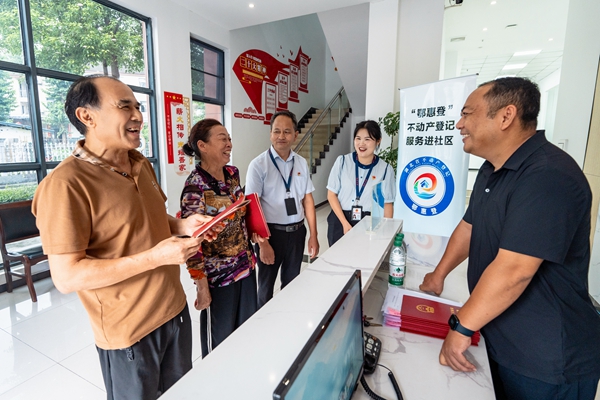
Core Viewpoint - The article highlights the efforts of the Hubei Provincial Commission for Discipline Inspection and Supervision to address the "difficulties in real estate registration" as a key livelihood issue, emphasizing the importance of collaboration among various departments to enhance service quality and efficiency for the public [6][7]. Group 1: Problem Identification and Response - Hubei Province has resolved 326,700 cases of "registration difficulties," reflecting the complexity of historical issues and the commitment of the disciplinary inspection and supervision agencies [7]. - The provincial disciplinary inspection and supervision committee has initiated a comprehensive campaign to address the "registration difficulties" since August 2024, focusing on collecting public feedback and implementing targeted solutions [7]. - The principle of "no fault of the public, immediate certification" is central to the campaign, although the causes of registration difficulties are complex, often involving multiple historical issues [7][8]. Group 2: Mechanism Innovation - The provincial committee has established a collaborative mechanism involving eight key departments, creating regular joint meetings and clear guidelines to facilitate problem resolution [8]. - Local governments, such as in Shiyan City, have implemented innovative reforms to streamline the registration process, separating responsibilities and ensuring that the rights of homebuyers are protected [8][9]. - The introduction of "embedded supervision" in Jingzhou City has significantly improved departmental collaboration and reduced the time taken to resolve issues by nearly 60% [9]. Group 3: Service Improvement and Public Feedback - The article emphasizes the importance of public sentiment in evaluating the effectiveness of the reforms, with initiatives like "dual-channel" services and "cloud services" for residents unable to visit registration centers [10]. - The provincial committee has focused on enhancing service quality and efficiency, with measures such as dedicated service windows and proactive outreach to communities [10][11]. - The systematic approach to addressing issues in real estate registration has led to a significant reduction in bureaucratic obstacles, improving the overall experience for citizens [11][12]. Group 4: Systematic Governance and Long-term Solutions - The provincial committee has implemented a closed-loop mechanism for supervision, focusing on identifying and addressing corruption and inefficiencies in the registration process [11][12]. - A comprehensive investigation into unregistered properties has been initiated, with a focus on ensuring that historical issues are resolved without compromising legal standards [12][13]. - The article discusses the importance of preventive measures to avoid future registration difficulties, including stricter oversight of the development process and improved inter-departmental communication [13][14]. Group 5: Case Study and Community Impact - The article features a case study from the Banqiao Pupu community, where residents received their property certificates after a prolonged wait, highlighting the positive impact of the reforms on individual lives [16][17]. - The proactive involvement of the disciplinary inspection and supervision agencies in addressing community concerns has led to successful resolution of complex historical issues, fostering a sense of security among residents [16][18].

得意之笔丨重庆系统整治不动产登记难 保障更多群众早日圆梦安居
Zhong Yang Ji Wei Guo Jia Jian Wei Wang Zhan· 2025-10-20 00:38
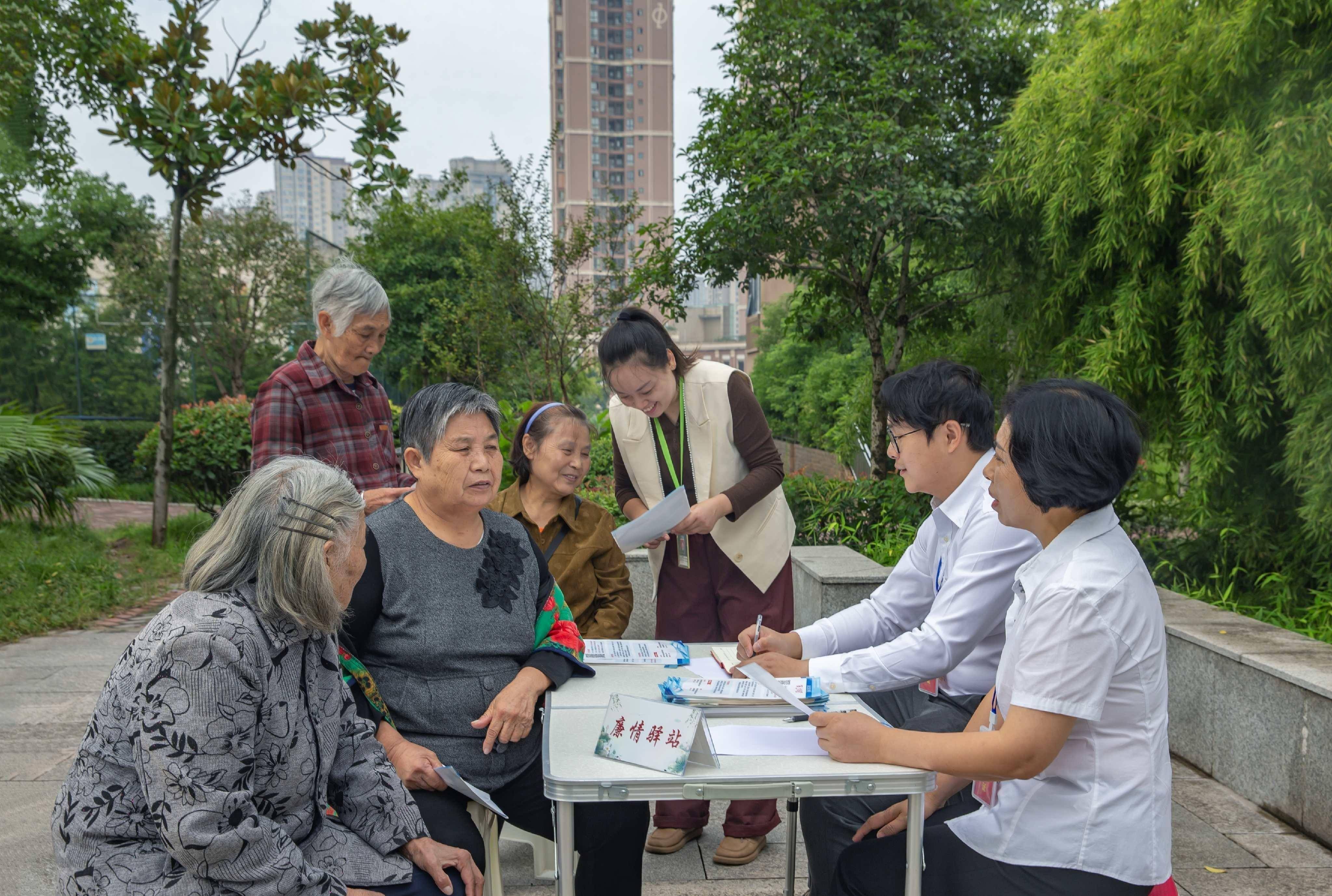
Core Points - The article emphasizes the importance of addressing the issue of "difficult property registration" as a key aspect of improving people's livelihoods and ensuring their property rights [4][10] - The Chongqing Municipal Commission for Discipline Inspection and Supervision is actively working to resolve this issue through various measures, including the establishment of "Integrity Stations" and promoting "Code Reporting" [3][8] Group 1: Measures Taken - The Chongqing Municipal Commission has implemented a series of actions to facilitate property registration, including returning over 11,000 yuan in "material fees" to affected citizens [3][5] - Since the start of the rectification work in 2024, a total of 188,600 property registrations have been processed across the city [5][10] - The commission is conducting thorough investigations into the causes of registration delays, identifying issues such as missing key documents and insufficient personnel [6][10] Group 2: Supervision and Accountability - The commission is enhancing supervision by categorizing and analyzing issues related to property registration, ensuring that responsible departments fulfill their duties [6][7] - A total of 41 cases of misconduct and corruption related to property registration have been investigated, with 42 individuals facing legal action [8][9] - The commission is also addressing issues related to real estate agencies that charge excessive fees, implementing a dynamic management mechanism for "blacklisted" agencies [9][10] Group 3: Community Engagement - The commission is promoting community engagement through initiatives like "three services" activities, which involve listening to citizens' needs and providing one-stop property registration services [12][14] - The establishment of 480 rural registration windows aims to streamline the registration process and enhance convenience for residents [12][14] - The commission is committed to a systematic approach to resolving property registration issues, ensuring that solutions are sustainable and effective [12][15]
正风反腐在身边·变化看得见丨河南安阳靶向监督破解不动产登记难题安居梦终得守护
Zhong Yang Ji Wei Guo Jia Jian Wei Wang Zhan· 2025-08-02 00:56
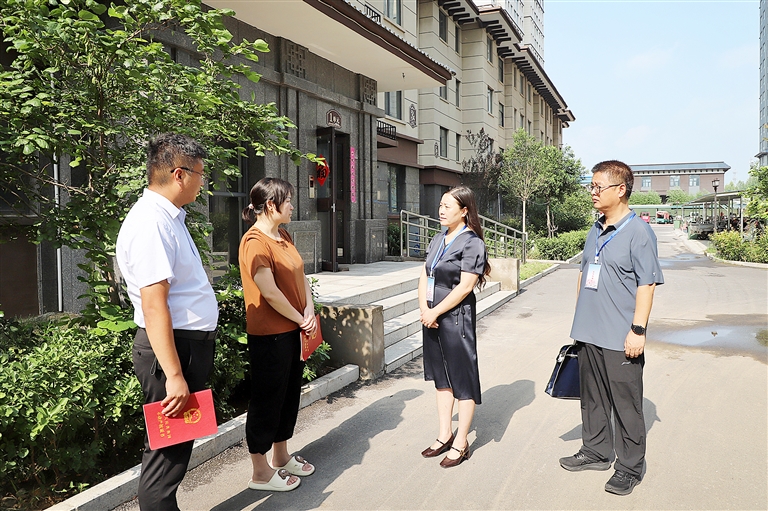
Core Viewpoint - The article highlights the efforts of Anyang City in Henan Province to address the issue of difficult property registration, emphasizing the importance of effective supervision and collaboration among various departments to resolve historical problems and improve public service for residents [4][10][17]. Group 1: Problem Identification - Historical issues such as incomplete land procedures and inconsistent information have led to difficulties in property registration, causing many residents to face the dilemma of "having a house but no certificate" [4][6]. - The Anyang City Commission for Discipline Inspection and Supervision has identified property registration difficulties as a key area for addressing corruption and inefficiency in public service [4][6][14]. Group 2: Actions Taken - A total of 55 projects with registration difficulties have been resolved, resulting in 37,425 households registered, covering an area of over 3.7 million square meters [4]. - The establishment of a working group by the Anyang City Commission and the Natural Resources Bureau has led to multiple meetings with relevant departments to identify and address bottlenecks in the registration process [6][10]. Group 3: Collaborative Efforts - The city has implemented a "three-level linkage" mechanism, where city leaders oversee complex projects, county leaders focus on key projects, and local officials manage general projects, ensuring accountability and timely resolution of issues [10][11]. - The integration of various departments has been emphasized to break down information silos and enhance collaborative governance in property registration [9][10]. Group 4: Process Optimization - The Anyang City Natural Resources Bureau has optimized the registration process, allowing residents to receive their property certificates on the same day as house handover, thus eliminating waiting times [16]. - The introduction of online services and electronic documentation has significantly simplified the registration process, enabling residents to complete necessary procedures with minimal effort [16]. Group 5: Continuous Improvement - The Anyang City Commission for Discipline Inspection and Supervision is committed to ongoing supervision to ensure that policies are effectively implemented and that residents' rights are protected [8][17]. - The city is focused on preventing the recurrence of registration difficulties by addressing underlying issues related to corruption and inefficiency in the property registration system [14][15].
河北肥乡:对“证”监督破解不动产“登记难”
Zhong Yang Ji Wei Guo Jia Jian Wei Wang Zhan· 2025-07-23 03:37
Core Insights - The article highlights the successful resolution of property registration issues in the Fengxiang District of Handan City, Hebei Province, through coordinated efforts by various government departments [1][2] Group 1: Problem Identification and Resolution - The Fengxiang District's Discipline Inspection and Supervision Commission identified property registration difficulties faced by residents due to inadequate facility inspections after the completion of residential buildings in 2014 [1] - A working group was formed, involving departments such as urban planning, construction, and fire safety, to address the longstanding issues affecting residents [1] Group 2: Implementation of Solutions - The district established a "parallel approval + deficiency handling" mechanism, integrating approval processes into a "one-window acceptance" system to streamline property registration [2] - Ten working groups were created to tackle registration issues in ten different residential communities, employing methods like home visits and on-site discussions to develop tailored solutions [2] - As a result of these initiatives, 1,362 properties achieved initial registration, and 850 homeowners received their property certificates [2]