不动产登记

Search documents
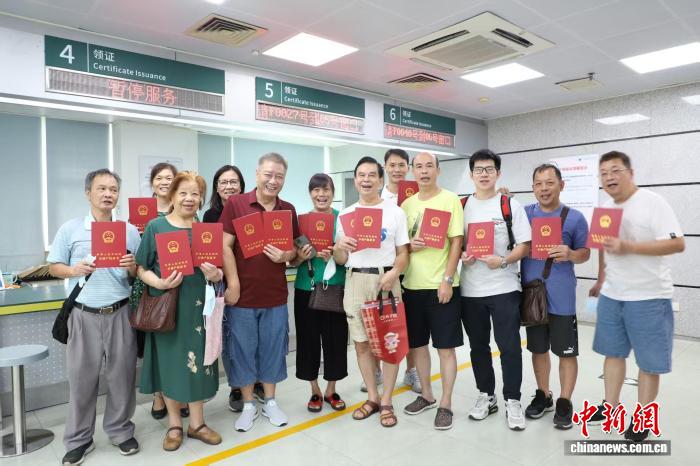
广东化解全部“登记难”项目 涉及超8万套不动产
Zhong Guo Xin Wen Wang· 2026-02-04 06:24
Core Viewpoint - Guangdong Province has successfully resolved all "registration difficulties" related to real estate, involving over 80,000 properties, marking it as the second province in China to achieve this milestone [1][3]. Group 1: Problem Identification and Resolution - Since 2025, Guangdong's Natural Resources Department has implemented extraordinary measures to address historical "registration difficulties," identifying 422 problematic projects and resolving them by November 13, 2025 [1]. - The provincial government issued guidelines in July 2025 to tackle common issues related to real estate registration, providing 19 specific measures for resolution [3]. - Local governments have tailored their approaches, with cities like Guangzhou and Shenzhen developing specific policies and services to facilitate the registration process [3]. Group 2: Collaborative Efforts and Innovations - The Guangzhou real estate registration department has collaborated with various sectors, including construction and taxation, to streamline the registration process, achieving significant time reductions in approvals [4]. - A joint meeting system among provincial departments has been established to coordinate efforts in resolving registration issues across multiple fields [4]. - Innovative services such as "direct fast processing" and "pre-signing notifications" have been introduced to enhance efficiency and reduce the burden on citizens [3]. Group 3: Future Directions and Mechanisms - The Natural Resources Department aims to transition from concentrated efforts to a regularized approach for addressing ongoing registration issues, ensuring continuous improvement [4]. - There is a commitment to establish long-term mechanisms to prevent new registration problems, emphasizing accountability among various departments involved in the real estate lifecycle [4].

自然资源部部署企业不动产登记“高效办成一件事”
Ren Min Ri Bao· 2026-02-04 05:07
Core Viewpoint - The article discusses the initiative by the Ministry of Natural Resources to streamline the real estate registration process for enterprises, aiming for more efficient property transactions and financing by 2026 [1] Group 1: Policy Initiatives - The Ministry of Natural Resources, in collaboration with various government departments, aims to achieve "one-window processing and integrated services" for enterprise registration and tax payment by the end of 2026 [1] - The State Council has included the transfer registration of real estate purchases by enterprises in the first batch of key tasks for 2026, focusing on improving the ease of processing [1] Group 2: Implementation Strategies - The primary task is to upgrade comprehensive windows to "integrated windows," promoting a unified set of materials and multi-form integration, with a goal for some regions to complete real estate registration within one working day after tax payment [1] - The initiative emphasizes enhanced inter-departmental collaboration and digital transformation, utilizing AI and big data for "intelligent guidance" and promoting the use of electronic certificates and seals [1] Group 3: Innovations in Services - The meeting highlighted the expansion of "mortgage transfer" services from individuals to enterprises and from residential to commercial properties, along with the full implementation of pre-registration to assist in bank loan approvals [1] - These measures aim to effectively reduce the financial burden of bridge financing for enterprises [1]
人民银行开展1055亿元逆回购操作,北证50上涨3.27%
Soochow Securities· 2026-02-04 04:25
Group 1: Capital Market News - The People's Bank of China conducted a reverse repurchase operation of 105.5 billion yuan, achieving a net withdrawal of 296.5 billion yuan[6] - The operation rate for the 7-day reverse repurchase was set at 1.4%[6] - The Shanghai interbank offered rate (Shibor) for overnight loans rose by 3.7 basis points to 1.365%[6] Group 2: Industry News - The Ministry of Natural Resources aims to streamline real estate transfer registration for enterprises by the end of 2026, promoting integrated services[10] - The national foreign trade work conference emphasized the importance of achieving a good start for the "14th Five-Year Plan" in trade development[12] Group 3: Market Performance - On February 3, 2026, the North Exchange 50 index rose by 3.27%, while the ChiNext index increased by 1.86%[13] - The average market capitalization of the North Exchange component stocks is 3.199 billion yuan, with a trading volume of 21.55 billion yuan, down by 6.05 billion yuan from the previous trading day[13] Group 4: Company Announcements - Biyang Technology announced its inclusion as a supplier for China Petroleum's acid fracturing materials procurement[22] - Gobi Jia reported a reduction in shareholding by 2.8 million shares, representing 1.94% of its total share capital[23]
自然资源部: “带押过户”服务从个人拓展到企业
Xin Lang Cai Jing· 2026-02-03 19:46
Core Viewpoint - The Ministry of Natural Resources has initiated a reform action to streamline real estate registration for enterprises, aiming for integrated services by the end of 2026, which will enhance operational efficiency and reduce costs for businesses [1]. Group 1: Reform Objectives - The reform aims to achieve "one-window processing" for enterprise-related registration and tax payment across all cities and counties by the end of 2026 [1]. - The initiative includes a one-stop service for loan approvals, mortgage registrations, and transfer registrations in cities above the prefecture level [1]. Group 2: Key Features of the Reform - The reform focuses on reducing steps, materials, time, and costs by consolidating common materials for registration, mortgage, and tax payment into a single set [2]. - It emphasizes inter-departmental collaboration, utilizing a unified real estate code to facilitate information sharing across various sectors, including tax, finance, and judiciary [2]. - The introduction of "mortgage transfer" services for enterprises aims to alleviate financial burdens by allowing cross-financial institution transactions [2]. Group 3: Innovations and Achievements - Various regions have already implemented innovative measures, such as "tax and fee same payment" reforms, which streamline the collection of taxes and registration fees [3]. - Cities like Qingdao and Hefei have developed "real estate registration + finance" service platforms, enhancing accessibility for banking services [3]. - The reform will continue to evolve based on local practices, aiming to optimize the business environment for real estate registration and stimulate market vitality [3].
企业也可以“带押过户”了
Xin Hua Wang· 2026-02-03 12:01
Core Viewpoint - The "mortgage transfer" service will expand from individuals to enterprises and from residential to commercial real estate, aiming to enhance efficiency in property registration and reduce costs for businesses [1][2]. Group 1: Policy and Implementation - The Ministry of Natural Resources aims to achieve integrated services for enterprise registration and tax payment by the end of 2026, with a focus on one-stop processing for loan approvals, mortgage registrations, and transfer registrations in cities above the prefecture level [1]. - The initiative will facilitate the transfer of real estate for enterprises, which is crucial for reducing operational costs and stabilizing business expectations [1]. Group 2: Technological Integration and Efficiency - Authorities will leverage real estate unit codes to connect various departments, including tax, finance, and judiciary, to support business collaboration and information sharing [2]. - The exploration of AI and big data applications will promote "full online processing," enhancing the efficiency and accuracy of property registration [2].
“历史旧账”喜变“幸福账单”
Guang Xi Ri Bao· 2026-01-21 03:03
Core Viewpoint - The article highlights the successful resolution of historical issues related to real estate registration in Guangxi, benefiting over 300 million people and addressing long-standing concerns of property owners [1][7]. Group 1: Historical Issues and Government Response - The implementation of a unified real estate registration system faced challenges due to varying standards and missing documentation, leading to historical issues that are common nationwide [2]. - Guangxi has prioritized resolving these historical issues as a major livelihood project, with leadership actively directing and coordinating efforts across multiple departments [2][3]. - A specialized task force was established to ensure a collaborative approach among various government levels, focusing on problem-solving and accountability [2][3]. Group 2: Policy Innovations and Mechanisms - The government introduced specific policies to address 15 categories of issues related to real estate registration, emphasizing a principle of "respecting history while considering reality" [3]. - Local governments have implemented innovative solutions, such as allowing property owners to obtain certificates while simultaneously rectifying planning issues, thereby alleviating the "house without certificate" problem [4]. - A "letter instead of certificate" approach was adopted in Beihai to facilitate the registration of properties lacking certain approvals, benefiting thousands of homeowners [4][5]. Group 3: Community Services and Accessibility - The initiative has included enhanced community services, such as green channels and home visits for elderly or disabled residents, to simplify the registration process [6]. - Local governments have organized concentrated certificate issuance events and provided door-to-door services to minimize the burden on residents [6]. - Innovative service models, such as "certificate upon land transfer," have been introduced to streamline processes and support project financing [6]. Group 4: Achievements and Future Plans - Guangxi has resolved issues related to 700,000 properties historically, with 250,000 properties addressed in the recent initiative, positively impacting over 1 million people [7]. - The government aims to maintain the momentum of resolving registration issues and establish a long-term mechanism to protect property rights [7].
南宁市颁发首本农村土地经营权不动产权证书
Xin Lang Cai Jing· 2026-01-14 23:48
Core Viewpoint - The issuance of the first rural land management right property certificate in Nanning signifies a significant advancement in the unified real estate registration system, enhancing support for rural revitalization and establishing a solid property foundation for the transfer of rural land management rights [1][2] Group 1: Legislative Framework - The issuance of the certificate is based on the "Civil Code of the People's Republic of China" and the "Rural Land Contract Law," which allows for the registration of rural land management rights that are legally transferred and have a duration of more than five years [1] - The unified registration of rural land management rights is categorized as a type of property right under the law, enabling the application for registration and issuance of certificates [1] Group 2: Operational Enhancements - The Nanning Real Estate Registration Center has actively collaborated with agricultural and rural departments to clarify registration requirements and develop an information platform, facilitating data transmission between departments [1] - The center has implemented an "Internet + Land Management Rights" intelligent registration process, which provides authoritative property certificates and legal guarantees for the transfer and mortgage of land management rights [1] Group 3: Future Initiatives - The Nanning Real Estate Registration Center plans to continue strengthening collaboration with agricultural and rural departments, optimizing registration processes, and enhancing service efficiency to support the development of the rural property system [2] - The center aims to contribute to activating rural development factors and improving the business environment through the steady advancement of rural land management rights registration and issuance [2]

化解农村不动产登记历史遗留问题,广东出新规→
Nan Fang Nong Cun Bao· 2026-01-04 13:01
Core Viewpoint - Guangdong Province has introduced new regulations to address historical issues related to rural real estate registration, aiming to protect farmers' property rights and ensure the legitimate use of homesteads [3][4]. Group 1: Regulatory Framework - The "Opinions" document specifies the scope and subjects eligible for registration, setting March 23, 2020, as the cutoff for homestead registration issues and August 1, 2022, for collective construction land [5][6]. - The regulations will take effect on January 30, 2026, and will be valid for five years [7]. Group 2: Classification and Processing Principles - The document categorizes different situations regarding homesteads and collective construction land, proposing innovative principles such as "three-level review confirmation" for homestead registration and "registration by current status" for collective construction land [9][10]. - It allows registration for homesteads exceeding regulations if they meet specific criteria, including cases where original villagers have migrated to urban areas [11]. Group 3: Application Subjects - The primary applicants for homestead registration are members of the rural collective economic organization or villagers, with additional provisions for various circumstances, such as former villagers who have moved or non-villagers who have built homes under government planning [14][15][16][18][19]. Group 4: Review and Confirmation Process - The "three-level review confirmation" process involves village-level organizations, township governments, and higher authorities to ensure compliance with local regulations regarding land and building standards [24][25][32]. - Specific guidelines are provided for properties built before and after the implementation of the 1982 regulations, detailing how to handle cases of exceeding local area standards [28][30]. Group 5: Collective Construction Land - For collective construction land lacking ownership documentation, the regulations require verification of historical usage and current status, with a process for approval by local governments [39][41]. - Buildings on collective construction land without proper planning approval must follow a defined procedure for rectification and registration [46][48]. Group 6: Prohibitions and Compliance - The regulations emphasize that illegal land use or construction cannot be legitimized through registration, specifically targeting unlawful purchases and constructions by urban residents and other entities [51][52][54]. - The provincial natural resources department has been actively promoting rural real estate registration since 2019, with over 8.63 million homesteads registered by the end of 2025, although over 60% of homesteads still do not meet registration criteria [56][58].

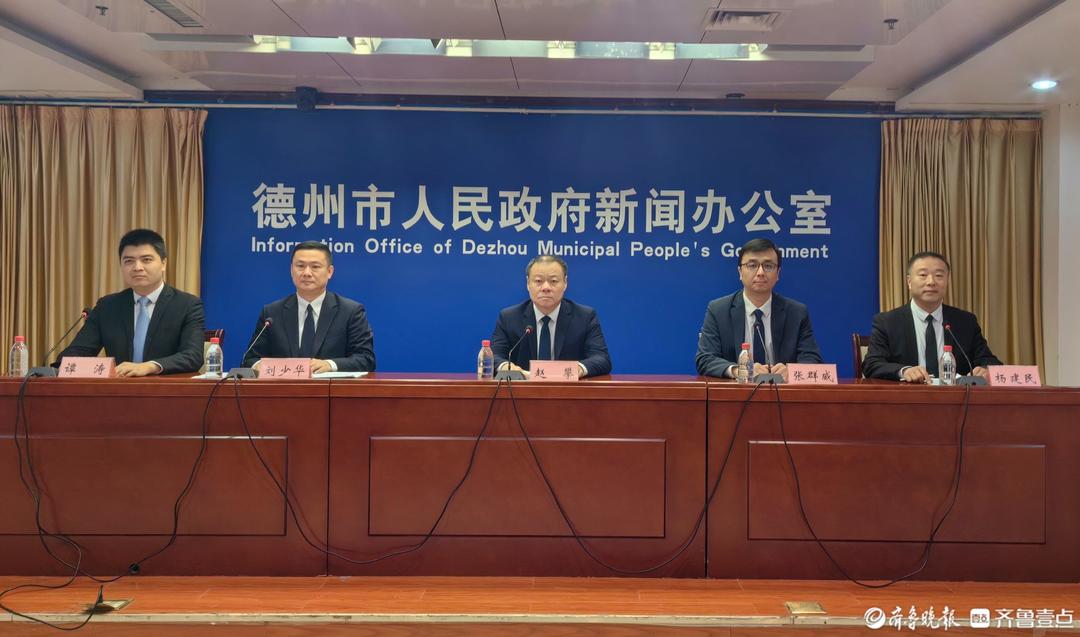
德州不动产统一登记十年“成绩单”:创新举措频出,便民成果丰硕
Qi Lu Wan Bao· 2025-12-11 09:59
Core Insights - The article discusses the 10th anniversary of the unified real estate registration in Dezhou City, highlighting significant achievements and innovations in the registration process over the past decade [3][5]. Group 1: Achievements in Real Estate Registration - Dezhou City has processed over 4.3 million real estate registration cases and issued nearly 2.9 million certificates, along with approximately 800,000 various proofs [3]. - The city has received multiple accolades, including recognition as a "significant unit for the construction of convenient and beneficial real estate registration windows" at the national level [3]. Group 2: Innovations in Registration Processes - The introduction of the "dual zero model" for mortgage property transactions has facilitated rapid and secure processing, with 1,947 cases involving a total mortgage amount of 1.478 billion yuan [5]. - A "tax fee unified payment" model has been implemented, allowing for streamlined tax and fee payments through a single scan, providing a reference for provincial reforms [5]. Group 3: Enhancements in Service Efficiency - The processing time for ordinary business has been reduced to one working day, with special cases being handled immediately, achieving a "certificate upon land transfer" and "certificate upon housing transfer" standard [6]. - The establishment of 1,143 extended service points across towns, streets, banks, and real estate agencies has enabled comprehensive coverage of registration services [8]. Group 4: Addressing Legacy Issues - The city has resolved registration difficulties for 749 residential communities, benefiting 167,400 households and issuing 123,500 certificates [9]. - Ongoing reforms, including the promotion of pre-registration, aim to prevent new legacy issues from arising [9]. Group 5: Future Directions - The city plans to continue deepening reforms in the real estate registration sector, focusing on improving processes, services, and measures to strengthen property rights [9].
湖北精准监督破解不动产“登记难”让群众安居更安心
Zhong Yang Ji Wei Guo Jia Jian Wei Wang Zhan· 2025-11-25 00:33
Core Viewpoint - The article highlights the efforts of the Hubei Provincial Commission for Discipline Inspection and Supervision to address the "difficulties in real estate registration" as a key livelihood issue, emphasizing the importance of collaboration among various departments to enhance service quality and efficiency for the public [6][7]. Group 1: Problem Identification and Response - Hubei Province has resolved 326,700 cases of "registration difficulties," reflecting the complexity of historical issues and the commitment of the disciplinary inspection and supervision agencies [7]. - The provincial disciplinary inspection and supervision committee has initiated a comprehensive campaign to address the "registration difficulties" since August 2024, focusing on collecting public feedback and implementing targeted solutions [7]. - The principle of "no fault of the public, immediate certification" is central to the campaign, although the causes of registration difficulties are complex, often involving multiple historical issues [7][8]. Group 2: Mechanism Innovation - The provincial committee has established a collaborative mechanism involving eight key departments, creating regular joint meetings and clear guidelines to facilitate problem resolution [8]. - Local governments, such as in Shiyan City, have implemented innovative reforms to streamline the registration process, separating responsibilities and ensuring that the rights of homebuyers are protected [8][9]. - The introduction of "embedded supervision" in Jingzhou City has significantly improved departmental collaboration and reduced the time taken to resolve issues by nearly 60% [9]. Group 3: Service Improvement and Public Feedback - The article emphasizes the importance of public sentiment in evaluating the effectiveness of the reforms, with initiatives like "dual-channel" services and "cloud services" for residents unable to visit registration centers [10]. - The provincial committee has focused on enhancing service quality and efficiency, with measures such as dedicated service windows and proactive outreach to communities [10][11]. - The systematic approach to addressing issues in real estate registration has led to a significant reduction in bureaucratic obstacles, improving the overall experience for citizens [11][12]. Group 4: Systematic Governance and Long-term Solutions - The provincial committee has implemented a closed-loop mechanism for supervision, focusing on identifying and addressing corruption and inefficiencies in the registration process [11][12]. - A comprehensive investigation into unregistered properties has been initiated, with a focus on ensuring that historical issues are resolved without compromising legal standards [12][13]. - The article discusses the importance of preventive measures to avoid future registration difficulties, including stricter oversight of the development process and improved inter-departmental communication [13][14]. Group 5: Case Study and Community Impact - The article features a case study from the Banqiao Pupu community, where residents received their property certificates after a prolonged wait, highlighting the positive impact of the reforms on individual lives [16][17]. - The proactive involvement of the disciplinary inspection and supervision agencies in addressing community concerns has led to successful resolution of complex historical issues, fostering a sense of security among residents [16][18].