不时不食

Search documents
年轻人追着买的「春日感」面包是这些?轻甜、清鲜、双质感,今年主打一个好卖!
东京烘焙职业人· 2026-02-25 08:33
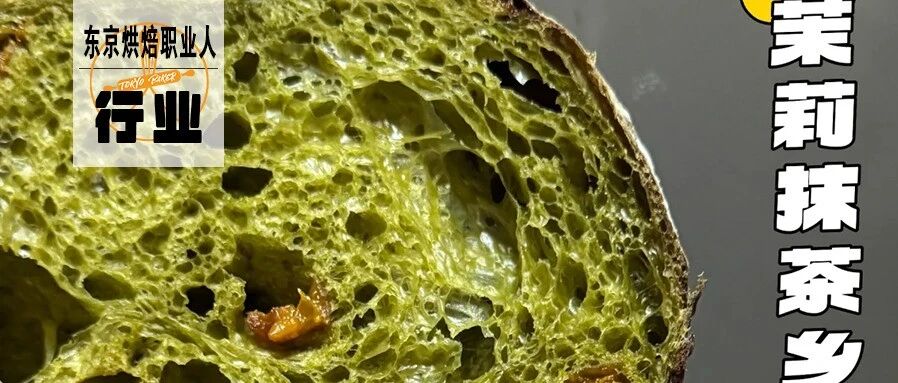
Core Insights - The core viewpoint of the article emphasizes a shift in the baking industry from a "visual-oriented" approach to a "value-oriented" one, driven by the evolving consumption demands of younger consumers who prioritize flavor, experience, and context over mere aesthetics [1][3][4]. Group 1: Spring Baking Trends - The demand for "spring-like" bread among young consumers has evolved from a focus on visual appeal to a more practical and nuanced experience, characterized by natural flavors, multi-layered textures, and breaking the limitations of baking scenarios [3][4]. - The central theme for spring 2026 is "removing redundancy and returning to natural flavors," with a light sweetness becoming a fundamental guideline across all product categories [4]. - The global baking industry is innovating around "fresh and natural" concepts, with a notable breakthrough in the domestic market being the "tea-fruit fusion" localized innovation, showcasing a variety of flavors [4][12]. Group 2: Consumer Behavior and Cultural Influence - The shift in consumer behavior is driven by two main factors: the Z generation's health-conscious and refined consumption philosophy, and the normalization of "national trend flavors" due to increased cultural confidence, which has reshaped the market previously dominated by foreign flavors [4][12]. - Over 65% of young consumers are willing to pay a premium for products with natural and additive-free flavors, indicating a strong preference for health-oriented options [4]. Group 3: Flavor Innovations by Region - Japan focuses on seasonal fresh fruits, utilizing a "sour quality enhancement" approach, combining cherry blossom leaves to create a multi-layered flavor profile that aligns with the country's baking characteristics [5]. - France is adopting a "herbal refreshing" route, incorporating ingredients like chamomile and mint to balance with dairy and grains, moving away from the heavy cream and sugar stereotype while maintaining its elegant essence [5]. - In China, the "tea-fruit fusion" is emerging as a golden innovation direction, integrating traditional tea flavors with seasonal fruits, which resonates with local taste preferences and enhances product differentiation [12][33]. Group 4: Texture and Experience - The baking competition is extending from flavor to experience, with "dual texture" becoming a key attribute for potential bestsellers, reflecting an upgrade in consumer experience expectations [15][22]. - The trend of dual texture is seen as a response to the demand for refreshing and layered flavors, allowing for a more versatile consumption experience across different scenarios [15][20]. - Innovations in savory baking are gaining traction, with young consumers seeking "light meals" and healthier options, leading to a diversification of savory bread offerings [22][23]. Group 5: All-Scenario Competition - The baking industry has entered an "all-scenario competition" phase, where products need to adapt to various consumption contexts to sustain long-term growth [25]. - The concept of "not eating out of season" is being innovatively applied, blending traditional ideas with modern baking to meet consumer demands for natural and seasonal ingredients [31]. - Specific scenarios such as breakfast, spring outings, and afternoon tea are being targeted with tailored products that enhance consumer experience and align with seasonal themes [25][29][31].

高子华|杭州的江鲜
Xin Lang Cai Jing· 2026-02-08 00:58
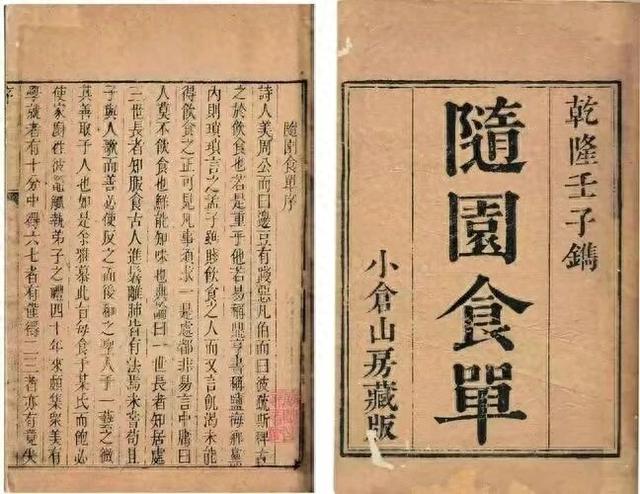
Core Viewpoint - The article emphasizes the unique culinary offerings of the Qiantang River, particularly its fresh river delicacies, which are celebrated for their natural flavors and seasonal availability [1][2]. Group 1: Geographic and Environmental Context - The Qiantang River is characterized by its unique geographical features, where the river meets the sea, creating a rich ecosystem that supports a variety of fresh river fish [2]. - The confluence of the Qiantang, Fuchun, and Pujiang rivers creates a dynamic environment that enhances the flavor profile of the river fish due to the mixing of fresh and saltwater [2]. Group 2: Culinary Traditions and Practices - The local culinary tradition emphasizes the importance of seasonal eating, with specific fish types being favored at different times of the year, such as the shad during spring and summer [6][7]. - The cooking methods for river fish are simple, focusing on steaming, boiling, and braising to highlight the natural flavors, with local chefs often improvising menus based on the day's catch [11]. Group 3: Cultural Significance - The Qiantang River's fish markets are vibrant social hubs where local fishermen and residents engage in the daily rhythm of fishing and dining, reflecting the deep connection between the community and the river [4][9]. - The article references historical figures and texts that celebrate the culinary heritage of the region, underscoring the cultural importance of river fish in local gastronomy [6][8].
结婚15年,儿女双全,“嬛嬛”容颜不减,网友:吃得干净,守住年轻!
首席商业评论· 2025-12-28 04:12
Core Viewpoint - The article emphasizes the importance of traditional dietary wisdom for health and longevity, highlighting the significance of the Ming Dynasty's "Shiwubencao" as a comprehensive guide to food therapy and wellness [15][24][102]. Group 1: Dietary Practices of Celebrities - Celebrities like Sun Li and Chen Yihan attribute their youthful appearances to clean eating and traditional dietary practices, showcasing the effectiveness of maintaining a healthy diet over the years [6][10][13]. - The article mentions that many individuals over 40 in the entertainment industry focus on dietary choices to maintain their vitality and appearance [4][6]. Group 2: Historical Significance of "Shiwubencao" - "Shiwubencao" is described as a royal dietary guide from the Ming Dynasty, predating Li Shizhen's "Bencao Gangmu" by over 50 years, and has been used by historical figures for health and longevity [17][24]. - The text highlights that this book contains valuable insights into food therapy, with historical endorsements from notable figures like Cixi and Zeng Guofan [17][24][27]. Group 3: Content and Structure of "Shiwubencao" - The book includes 492 types of food categorized into eight major groups, serving as a comprehensive encyclopedia of Chinese ingredients [85]. - It features original texts alongside modern interpretations, making it accessible for contemporary readers while preserving traditional knowledge [91][88]. Group 4: Aesthetic and Collectible Value - The publication is presented as a luxurious collectible, featuring exquisite illustrations and high-quality binding, appealing to both health enthusiasts and art lovers [34][42][137]. - The book is marketed not just as a health guide but as a piece of art that reflects the aesthetics of the Ming Dynasty, making it suitable for display and gifting [126][139]. Group 5: Special Offers and Accessibility - The article promotes a limited-time offer for the book, priced at 169 yuan, along with additional gifts, making it an attractive purchase for those interested in traditional Chinese dietary practices [56][68][139]. - The limited availability of the book, with only 300 copies, adds to its exclusivity and appeal for collectors [72].

“夏吃瓜,秋吃果”,入秋后建议多吃这种“果子”,现在吃更养人
洞见· 2025-10-21 12:34
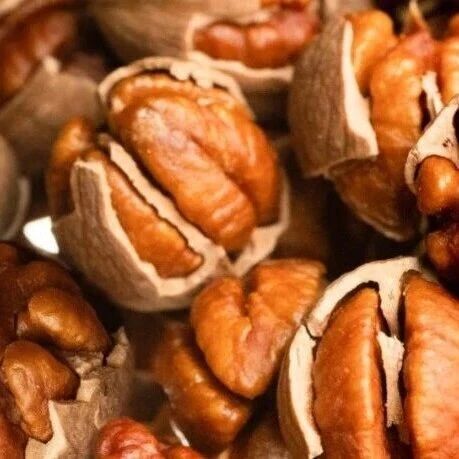
Core Viewpoint - The article emphasizes the seasonal appeal and health benefits of mountain walnuts, particularly those from Lin'an, China, highlighting their unique flavor and nutritional value. Group 1: Seasonal Appeal - The current season is ideal for consuming mountain walnuts, which are known for their rich flavor and nutritional benefits [5][20]. - Lin'an mountain walnuts are particularly praised for their full-bodied, crispy texture and are considered a popular snack during holidays and casual gatherings [8][10]. Group 2: Health Benefits - Mountain walnuts are rich in high-quality protein, unsaturated fatty acids, and vitamin E, making them a nutritious choice for both children and the elderly [15][18]. - The article refers to certain nutrients in walnuts as "natural brain gold" and "longevity fruit," underscoring their health benefits [18]. Group 3: Production and Quality - Lin'an is recognized as the "Walnut Capital of China," with a cultivation history of over 500 years, benefiting from a suitable geographical environment for walnut growth [37][38]. - The production process involves 12 manual steps, resulting in only about 5% of the original weight being converted into walnut kernels, which contributes to their higher price [58][75]. Group 4: Market Pricing and Availability - Due to adverse weather conditions this year, walnut production has decreased, leading to higher market prices, with a single can costing nearly 100 yuan [119]. - The article offers promotional pricing directly from the producer, with discounts available for bulk purchases, emphasizing the limited availability of the product [121][122].