东亚共同体

Search documents
日本前首相曾反常提醒:中国别单挑美国,应火速与这两国结盟
Sou Hu Cai Jing· 2025-12-13 06:53
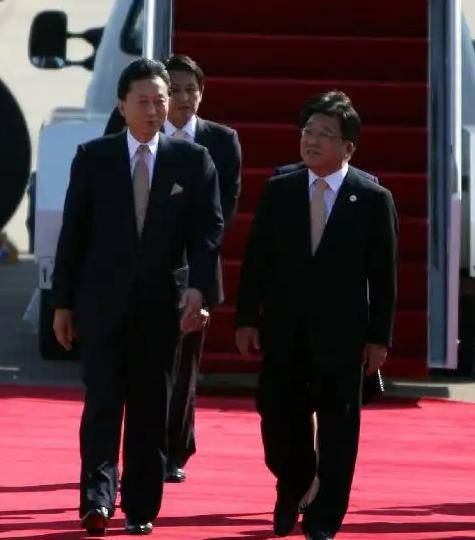
Group 1 - The core issue revolves around Japan's changing relationship with the United States, particularly in light of recent tariff negotiations that have shifted from discussions of conditions to strict enforcement without room for negotiation [1][4][10] - Japan's key industries, such as automotive and steel, are directly impacted by the tariffs, which not only affect financials but also employment and local economies [4][6] - The U.S. has adopted a transactional approach to alliances, treating security and market access as items on a bill that can be adjusted, leading Japan to realize that its long-standing preferential treatment is no longer guaranteed [10][11] Group 2 - Former Prime Minister Yukio Hatoyama's call for Japan to collaborate with South Korea and China reflects a growing recognition of the need for regional cooperation in the face of U.S. pressure [1][18] - The situation in South Korea mirrors Japan's, as it also faces tariff pressures and is reassessing its reliance on the U.S., indicating a broader structural issue rather than just negotiation tactics [24] - The historical and political complexities between China, Japan, and South Korea present challenges to forming a cohesive alliance, but there are practical avenues for cooperation, such as stabilizing regional supply chains and facilitating trade [22][24]

突发特讯!日本前首相直言不讳:面对美国,中日韩三国需共同寻求对策
Sou Hu Cai Jing· 2025-11-23 18:00
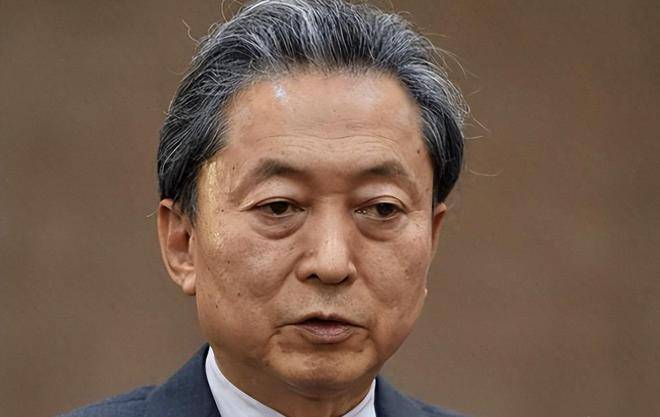
Group 1 - The proposal for an East Asian Community reflects a significant transformation in the geopolitical economic landscape of East Asia, suggesting that former rivals may become allies in the face of common challenges [1] - The automotive industry in Japan is particularly affected by new U.S. tariffs, with a potential 25% tariff on Japanese cars posing a significant threat [3] - South Korea's semiconductor industry, which accounts for over 20% of its total exports, is also under pressure, prompting executives from major companies like Samsung and SK Hynix to lobby the U.S. government [3] Group 2 - Economic interdependence among China, Japan, and South Korea is stronger than anticipated, with trade volumes increasing to $180 billion and $150 billion respectively in the first half of 2024 [5] - The Regional Comprehensive Economic Partnership (RCEP) is beginning to show trade creation effects, enhancing cooperation in high-end manufacturing sectors [5] - Despite the urgent need for economic collaboration, political obstacles remain, particularly due to pro-U.S. sentiments in Japan and South Korea [7] Group 3 - Recent reports from business associations in Japan and South Korea indicate a growing consensus on the need for diversified market strategies, as highlighted by Toyota's president [7] - Financial cooperation is advancing, with the foreign exchange reserves of China, Japan, and South Korea expanding to $120 billion [9] - Collaborative efforts in technology and infrastructure are increasing, with a 30% year-on-year rise in joint patent applications and improved shipping and air freight connections [9] Group 4 - The need for practical cooperation among China, Japan, and South Korea has never been more pressing, with think tanks exploring initiatives to enhance supply chain resilience [11] - Economic logic is beginning to transcend political differences, suggesting a potential breakthrough in cooperation [11] - The current geopolitical climate may provide a unique opportunity for East Asian countries to strengthen their collaboration in response to shared challenges [12]