
东京审判

Search documents
王毅四问日本
第一财经· 2026-03-08 04:17
Group 1 - The core viewpoint of the article emphasizes that the direction of China-Japan relations depends on Japan's choices, particularly in light of historical reflections on past aggressions [5][7] - Wang Yi highlights the significance of the 80th anniversary of the Tokyo Trials, which served to expose Japan's militaristic crimes and calls for Japan to reflect on its historical actions [7][9] - Concerns are raised regarding Japan's current leadership claiming that Taiwan's issues could trigger Japan's collective self-defense, questioning Japan's right to intervene in China's internal affairs [5][9] Group 2 - The article stresses that the Chinese government and its people will not allow any attempts to justify colonialism or rewrite history regarding past invasions [6][7] - There is a warning that Japan's invocation of collective self-defense could undermine its pacifist constitution, raising alarms among China and other Asian nations about Japan's future intentions [9]

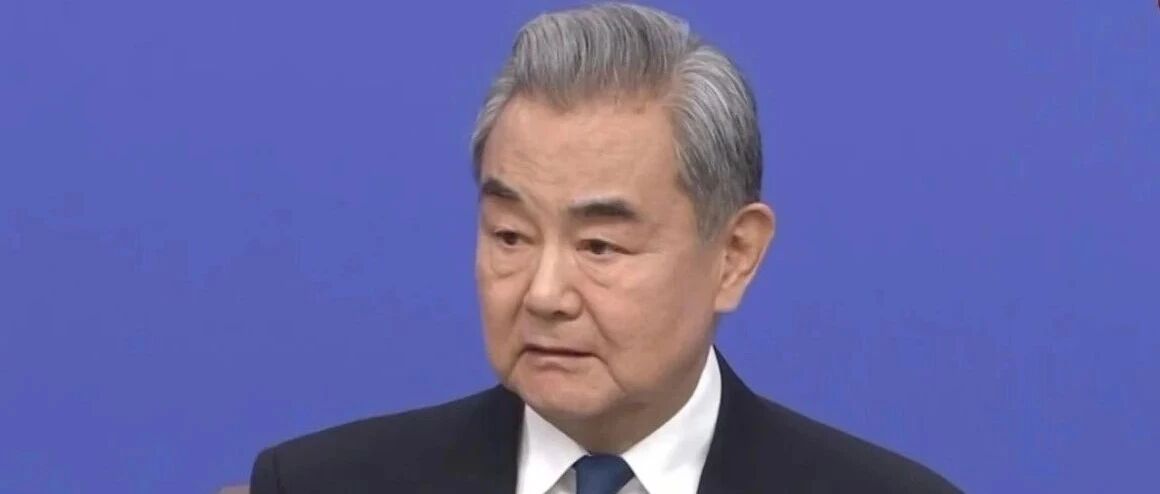
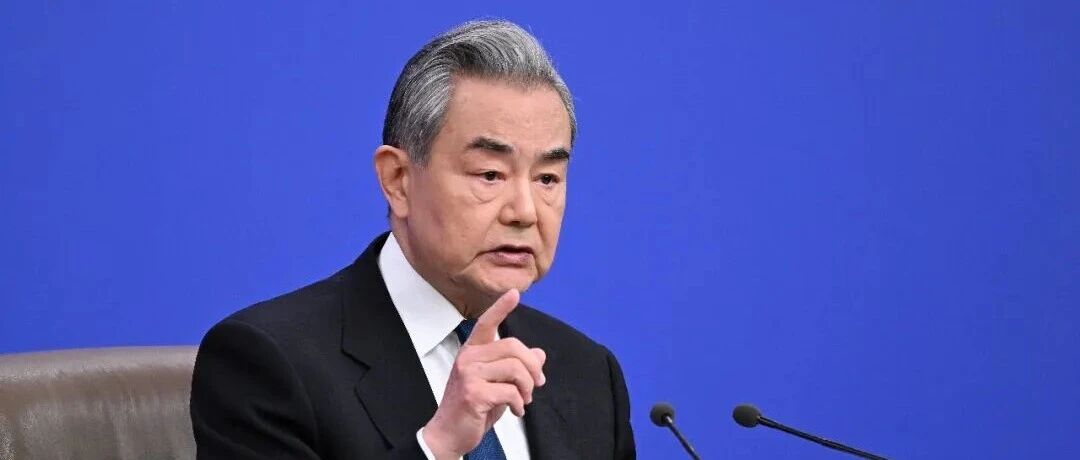
王毅四问日本!
中国能源报· 2026-03-08 03:26
Core Viewpoint - The article discusses China's stance on foreign relations, particularly regarding Japan's involvement in Taiwan affairs, emphasizing that Taiwan is an internal matter for China and questioning Japan's right to intervene [2]. Group 1: China-Japan Relations - Wang Yi, a member of the Political Bureau of the Communist Party of China and Foreign Minister, asserts that Taiwan issues are China's internal affairs and questions Japan's qualifications to intervene [2]. - The article highlights concerns over Japan's potential military actions, referencing historical precedents of Japanese militarism and the implications of Japan's collective self-defense rights [2]. Group 2: Historical Context - The year marks the 80th anniversary of the Tokyo Trials, which are framed as a judgment of human conscience and historical justice, reinforcing China's position against colonialism and invasion [2].
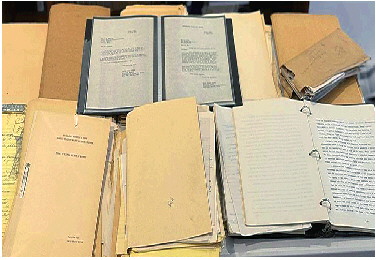
东京审判美副检察官日记首次披露 揭日本侵华罪行
Xin Hua She· 2026-02-04 11:08
Core Insights - The discovery of the diary of David Nelson Sutton, the U.S. Deputy Prosecutor during the Tokyo Trials, marks a significant historical find, providing firsthand accounts of evidence collection related to the Nanjing Massacre [1][2] - The diary consists of six volumes documenting Sutton's work from 1946 to 1948, detailing his investigations and interactions with witnesses, which are crucial for understanding the judicial processes of the Tokyo Trials [2] Group 1 - The diary is an original document and represents the first disclosure of Sutton's experiences during the Tokyo Trials, which involved 11 countries including the U.S., China, the UK, and the USSR [1] - Sutton was instrumental in gathering evidence of Japanese war crimes in China, particularly focusing on the Nanjing Massacre, and he collected numerous firsthand testimonies and statistical data [1][2] - The diary includes detailed accounts of Sutton's field investigations, including visits to massacre sites and interactions with key witnesses, which are vital for the prosecution of war criminals [2] Group 2 - The discovery of Sutton's diary coincides with the 80th anniversary of the opening of the Far East International Military Tribunal, highlighting its relevance to ongoing historical research [2] - The Nanjing Massacre Memorial Hall plans to conduct systematic and in-depth research on these newly available historical materials, which will enhance the understanding of the Nanjing Massacre and the Tokyo Trials [2]
正义之声必须永远回荡——探访远东国际军事法庭旧址
Ren Min Ri Bao· 2026-02-02 07:08
Core Viewpoint - The 80th anniversary of the International Military Tribunal for the Far East highlights the importance of the Tokyo Trials as a significant historical event aimed at delivering justice for Japan's militaristic aggression and promoting a peaceful future [1][2][3] Group 1: Historical Significance - The Tokyo Trials, initiated on May 3, 1946, involved 11 nations, including China, the United States, the United Kingdom, and the Soviet Union, marking a historic effort to hold Japan accountable for its wartime actions [1] - The trials served as a crucial platform for exposing the atrocities committed by Japanese militarism and underscored the importance of justice in the aftermath of war [1][2] Group 2: Current Perception and Challenges - There is a concerning trend in Japan where certain factions are attempting to downplay the legitimacy and significance of the Tokyo Trials, reflecting a rise in historical revisionism [3] - The focus at the tribunal's former site has shifted towards military artifacts, overshadowing the core narrative of war crimes and justice, which poses a threat to historical awareness and international law [3] Group 3: Call to Action - The international community is urged to uphold the outcomes of World War II and the justice delivered by the Tokyo Trials, emphasizing the need for Japan to confront its historical actions and cease any attempts to glorify or distort its wartime history [3] - Acknowledging history is essential for gaining respect and preventing future conflicts, highlighting the importance of remembering past events to avoid repeating mistakes [3]
正义之声必须永远回荡(环球走笔)
Ren Min Ri Bao· 2026-02-02 03:00
Core Viewpoint - The 80th anniversary of the International Military Tribunal for the Far East highlights the importance of historical justice and the need to confront Japan's militaristic past, as well as the ongoing challenges posed by historical revisionism in Japan [1][3]. Group 1: Historical Significance - The Tokyo Trials, initiated on May 3, 1946, by 11 nations including China, the U.S., the U.K., and the Soviet Union, served as a significant effort to hold Japan accountable for its wartime atrocities and to promote a peaceful future [1]. - The tribunal's proceedings lasted from May 3, 1946, to November 12, 1948, during which extensive evidence was presented to expose Japan's war crimes, culminating in the execution of key war criminals like Tojo Hideki [2]. Group 2: Current Challenges - There is a concerning trend in Japan where certain factions are attempting to downplay or deny the legitimacy of the Tokyo Trials, reflecting a rise in historical revisionism [3]. - The current exhibitions at the tribunal's site focus more on military artifacts rather than the historical narratives of war crimes, which risks obscuring the lessons of history and undermining the dignity of war victims [3]. - The international community is urged to uphold the outcomes of World War II and to encourage Japan to confront its past honestly, as only by acknowledging history can respect and peace be achieved [3].
让更多人看到这些资料,让那段历史被更多人知晓
Xin Lang Cai Jing· 2026-01-27 15:51
Core Viewpoint - The article discusses the return of significant historical documents related to the Tokyo Trials by Canadian-Chinese individual Duan Yuhao, which he acquired from a U.S. auction, to the Nanjing Massacre Memorial Hall for further collaboration and public awareness of historical events [2][3]. Group 1: Document Acquisition - Duan Yuhao brought back approximately 13 pounds of documents from the U.S., which he acquired from an auction where the starting bid was between $400 and $500, ultimately winning the bid at $40,000 [2][3]. - The documents are identified as private archives of David Nelson Sutton, a key prosecutor during the Tokyo Trials, responsible for collecting evidence of Japanese war crimes and the Nanjing Massacre [3]. Group 2: Content of the Documents - The archives include Sutton's personal insights on the Tokyo Trials, handwritten letters, notes, and unpublished details regarding the trial of Japanese war criminal Tojo Hideki [3]. - A notable letter within the documents mentions that the Japanese consul in Nanjing acknowledged the military misconduct of figures like Matsui Iwane, indicating the gravity of the crimes committed [3][4]. Group 3: Future Collaboration - Initial discussions have taken place between Duan Yuhao and the Nanjing Massacre Memorial Hall, with plans for further collaboration and organization of the documents for public access [2][3]. - The goal is to enhance public knowledge of the historical events surrounding the Nanjing Massacre and the Tokyo Trials through these documents [2][4].
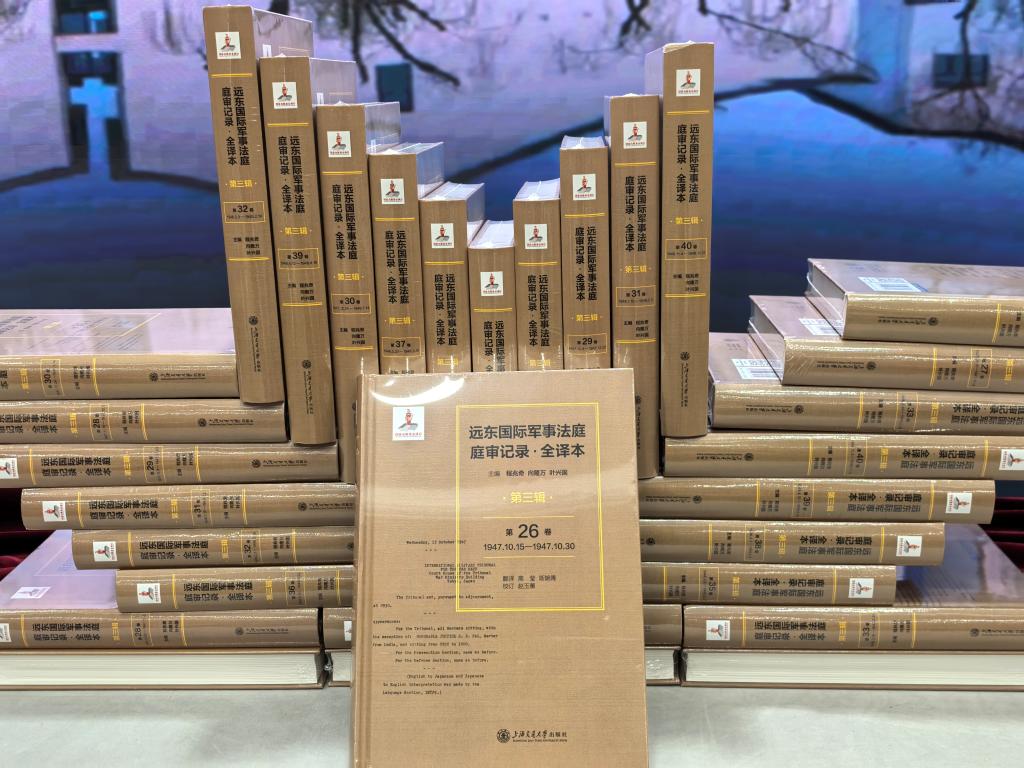
《远东国际军事法庭庭审记录·全译本》中文版全部翻译完成
Xin Hua She· 2025-11-08 14:34
Core Points - The complete Chinese translation of the "Records of the International Military Tribunal for the Far East" has been published, marking the completion of a 40-volume set of court records related to the Tokyo Trials [1][3] - The translation project involved over 100 translators, editors, and proofreaders from various regions, emphasizing the historical significance of the Tokyo Trials [3] - The third volume includes volumes 26 to 40, following the publication of the first two volumes in 2017 and 2021, respectively [3] Academic Significance - In-depth research on post-World War II war trials is crucial for clarifying historical truths and maintaining historical justice, especially in the context of current global changes [4] - The study of Japan's war crimes trials reflects the academic responsibility of the Chinese scholarly community to address historical concerns, highlighting its significant academic value and profound practical implications [4]
寻找照片中的TA·抗战胜利80周年丨这些人这些事,不能忘,不敢忘!
Xin Hua She· 2025-09-19 11:47
Core Points - The article commemorates the 80th anniversary of the victory in the Chinese People's War of Resistance Against Japanese Aggression and the World Anti-Fascist War, highlighting the resilience and sacrifices of the Chinese people during this period [3][54]. - It emphasizes the importance of remembering history to honor those who fought for freedom and peace, and to ensure that such atrocities are not repeated [9][56]. Group 1 - The article discusses the historical context of the September 18 Incident, which marked the beginning of Japanese aggression in China, leading to 14 years of bloody resistance [1][3]. - It features personal stories of survivors, such as Xia Shuqin, who fought for justice regarding the Nanjing Massacre, and her legal battles against Japanese right-wing deniers [7][9]. - The narrative includes accounts of other survivors like Bai Lishi, who endured the horrors of concentration camps and later became a peace advocate [16][20]. Group 2 - The article highlights the contributions of individuals like Mei Ruyao, the only Chinese judge at the Tokyo Trials, who fought for national dignity and justice after Japan's unconditional surrender [22][26]. - It recounts the sacrifices of the "Nanjiao Machine Workers," who played a crucial role in supporting the war effort, with over one-third of them losing their lives [28][31]. - The stories of various soldiers and civilians illustrate the collective struggle and determination of the Chinese people during the war, emphasizing the need to cherish peace and remember the past [40][52].
