严肃文学

Search documents
张悦然:保持在场,永不放弃严肃表达|我们的四分之一世纪
经济观察报· 2025-12-28 08:56
Core Viewpoint - The article emphasizes that despite the marginalization of literature, the current era presents opportunities for writers to express themselves more freely [1][16]. Group 1: Zhang Yueran's Journey - Zhang Yueran gained recognition by winning the A Group first prize at the New Concept Writing Competition in 2001, alongside other notable authors [3][5]. - After her success, she continued to write novels and engage in literary activities, eventually becoming an associate professor at Renmin University of China, teaching creative writing [3][6]. - Over the past 25 years, she has maintained a presence in literature, believing it is essential to resonate with the times and respond through her works [3][11]. Group 2: Literary Evolution and Themes - Zhang Yueran's early works often explored individual psychological struggles, focusing on self-awareness and memory [10][11]. - Her 2016 novel "Cocoon" marked a turning point, shifting her focus to social realities and the fates of others, intertwining personal and collective memories [11][12]. - The article notes that the younger generation of writers tends to express a sense of detachment from reality, preferring to explore imaginative narratives rather than their lived experiences [12][16]. Group 3: The State of Literature - The article discusses the challenges faced by serious literary creators, including financial difficulties due to limited readership and the need for supplementary income from other jobs [16]. - Despite these challenges, Zhang Yueran believes that the current environment is conducive to writing, as it allows for greater freedom of expression [16]. - The article highlights the importance of maintaining literary quality and depth in the face of the superficiality often found in social media [14][15].


张悦然:保持在场,永不放弃严肃表达|我们的四分之一世纪
Jing Ji Guan Cha Bao· 2025-12-27 11:06
Core Insights - The article discusses the journey of Zhang Yueran, a prominent Chinese writer, from her early days in literature to her current role as a professor, emphasizing the importance of maintaining a serious literary expression over 25 years [1][10]. Group 1: Zhang Yueran's Literary Journey - Zhang Yueran gained recognition by winning the A Group First Prize at the New Concept Writing Competition in 2001, which significantly impacted her literary career [1][3]. - After winning the competition, she continued to write novels and eventually became a professor at Renmin University, teaching creative writing [1][10]. - Her early works often focused on individual psychological exploration, reflecting the experiences of the post-80s generation, characterized by themes of isolation and self-discovery [7][8]. Group 2: Evolution of Literary Themes - Over the years, Zhang Yueran's writing evolved from personal narratives to addressing broader social realities, as seen in her 2016 work "Cocoon," which intertwines individual and collective memories [7][10]. - The shift in her writing reflects a growing awareness of societal issues, moving from a focus on personal struggles to a more collective understanding of history and trauma [7][10]. - The article highlights the changing literary landscape, where younger writers often explore themes of alienation and distance in urban life, contrasting with the more collective experiences of previous generations [8][10]. Group 3: Impact of Technology and Media - The rise of digital platforms has transformed the relationship between writers and readers, allowing for immediate feedback and interaction, which was not possible in earlier times [4][10]. - Zhang Yueran emphasizes the need for serious literature to resist the simplification of emotional expression often seen in social media, advocating for a deeper engagement with complex human experiences [10][11]. - The article notes that despite the challenges faced by serious literary creators, there remains a belief that this is a good time to become a writer, as writing can become more liberated in a marginalized literary environment [12].
《十月》年度中篇小说榜(2025)揭晓
Zhong Guo Xin Wen Wang· 2025-12-07 07:29
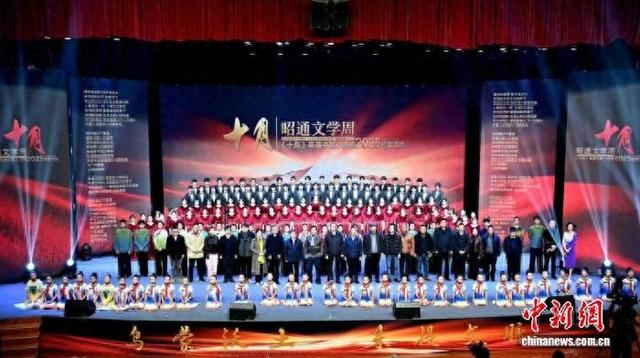
Core Insights - The "October Annual Novella List (2025)" was announced during the "October · Zhaotong Literary Week" event, highlighting five notable works that reflect the diversity and depth of contemporary novella writing in China [1][2]. Group 1: Awarded Works - The five awarded novellas are: Liu Ting's "Rich as Clouds," Zhang Ling's "Crossing the Equator," Li Xiuwen's "Going to Qilian Mountain," Chen Chongzheng's "Yingge Rice," and Quan Yongxian's "Secret," showcasing a range of themes and styles [1][2]. - Liu Ting's "Rich as Clouds" introduces a unique character, "Rich Brother," reflecting the complexities of human nature and survival amid the changes in Beijing [2]. - Zhang Ling's "Crossing the Equator" explores female friendship and soul dialogue across cultural boundaries through detailed sensory descriptions [2]. - Li Xiuwen's "Going to Qilian Mountain" features a narrative twist hidden within natural storytelling, portraying the lives of ordinary people with a powerful writing style [2]. - Chen Chongzheng's "Yingge Rice" draws inspiration from traditional Chaoshan music and dance, intertwining history and reality to depict cultural awakening [2]. - Quan Yongxian's "Secret" delves into historical intricacies with a stark writing style, exploring themes of memory, sacrifice, and the subtleties of human nature [2]. Group 2: Event Significance - The event aims to establish a regional literary exchange platform, promoting the idea that local writing can embody universal human emotions and enrich contemporary Chinese literature [4]. - The editor-in-chief of the October Publishing Group emphasized the interconnectedness of novellas with the realities of life, human emotions, and historical narratives, asserting the enduring value of serious literature [4].
下一部爆款在哪?盘点业内打分最高的五类IP
Hu Xiu· 2025-09-27 12:30
Core Insights - The article discusses the evaluation of the most promising intellectual properties (IPs) in the industry, highlighting that serious literature and innovative science fiction genres are at the top of the pyramid [1] Group 1 - A total of 23 industry judges participated in the evaluation process to identify the most desirable IPs [1] - Serious literature and innovative science fiction are recognized as the leading genres, indicating a trend towards more sophisticated storytelling [1]
到底什么是“淫秽”小说?
Hu Xiu· 2025-06-09 15:06
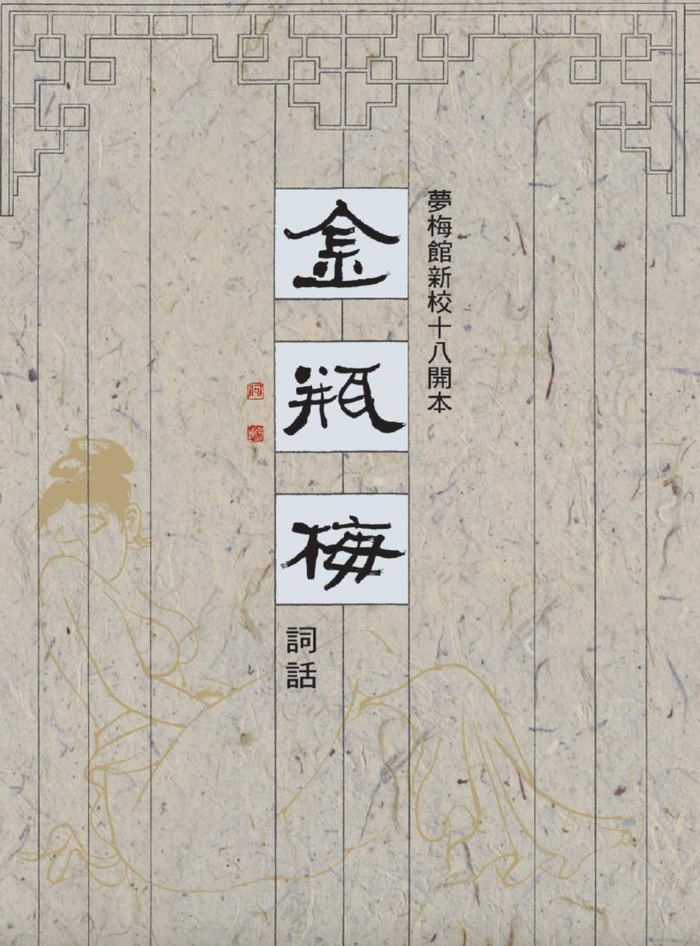
Group 1 - The article discusses the ambiguous distinction between "pornography" and "obscenity," highlighting the challenges in defining what constitutes artistic expression versus illegal dissemination [1][2][4] - It emphasizes that the historical context of Chinese literature has always included writings on desire, with texts like "The Art of the Bedroom" being viewed as educational rather than taboo [2][4] - The rise of "erotic novels" during the Ming and Qing dynasties reflects a tension between moral concerns and the depiction of societal norms, as seen in critiques of works like "Water Margin" and "Jin Ping Mei" [4][5] Group 2 - The legal framework in China began regulating pornography in the late 1980s, with laws categorizing "obscene publications" as criminal offenses, leading to a more structured control system [5][6] - The definition of "obscene materials" includes explicit depictions of sexual acts, but there is ongoing debate about what qualifies as "valuable literature or art," raising questions about who determines this value [6][9] - The case of "Faded City" illustrates the shifting perception of a work from being labeled as "obscene" to being recognized as a significant literary piece, showcasing the tension between societal morals and artistic expression [9][10] Group 3 - The article critiques the tendency to apply a singular evaluation standard to both serious literature and online literature, which often reflects different cultural contexts and audience engagement [11][13] - It discusses the genre of "danmei" literature as a space for female sexual fantasy, arguing that such works should not be held to the same societal value assessments as traditional literature [13][14] - The discourse surrounding "obscenity" is framed as subjective, suggesting that the definitions of "pornography" and "obscenity" require a nuanced understanding that involves multiple academic perspectives [14][15]