个性

Search documents
2026掘金指南全球全品类20大消费趋势报告
Sou Hu Cai Jing· 2026-01-02 05:22
Core Insights - The report outlines three main themes for consumer trends in 2026: intelligence, personalization, and sustainability, driven by post-pandemic changes and digitalization [1][4]. Group 1: Home and Living Trends - "Smart" technology has shifted from being a novelty to a practical necessity, integrating seamlessly into existing ecosystems to create a "no-feel" smart experience [2]. - Consumers prioritize "long-lasting durability" and eco-friendly materials in their purchasing decisions, viewing products as life assets [2]. - The "car age economy" highlights the growing market for maintenance and customization of older vehicles, with the automotive aftermarket projected to grow from $421.91 billion in 2025 to $550 billion by 2035, at a CAGR of approximately 2.68% [15]. Group 2: Consumer Electronics Trends - Smart wearable devices are evolving towards "boundary-less mobility" and "health invisibility," with products like smart rings combining health monitoring and aesthetic appeal [2]. - The demand for AI-driven tools for efficiency in workspaces is increasing, including AI scheduling tools and routers with child protection features [2]. - Innovations in audio technology, such as spatial audio and bone conduction, are transforming the headphone market, enhancing user experiences in gaming and sports [2]. Group 3: Consumer Goods Trends - Demographic shifts are creating new consumption drivers, with a focus on specialized products for specific age groups, such as the elderly and parents [3]. - The "sleep revolution" reflects a growing demand for products that enhance well-being, with consumers seeking purity in ingredients and environmental consciousness in personal care and beauty products [3]. - The fashion industry is transitioning from passive wearing to active empowerment, with smart clothing integrating biosensor technology for health monitoring [3]. Group 4: Overall Consumer Landscape - Technology is becoming an integral part of daily life, enhancing happiness and self-expression, while sustainability is a core consideration in product design and lifecycle [4]. - Personalization is key, addressing consumers' desires for unique identity recognition and situational solutions [4]. - Brands must understand these cross-category trends to innovate products and communicate effectively to capture future market growth [4].


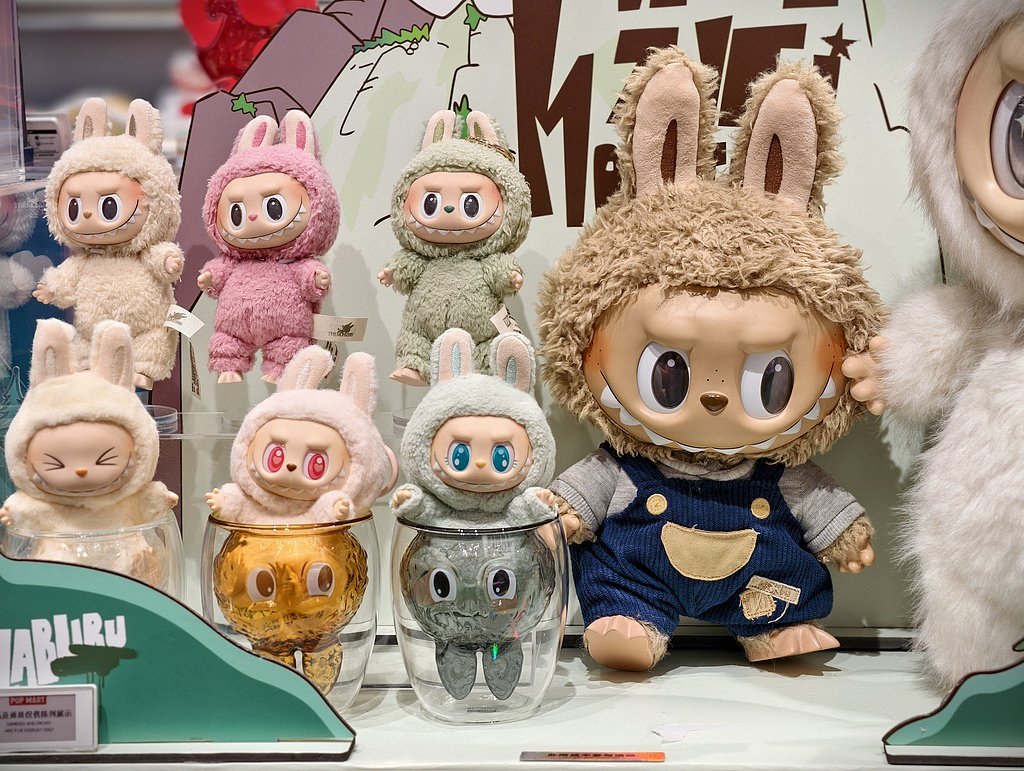
马上评丨从玲娜贝儿到拉布布,年轻人究竟需要什么情绪价值
Xin Lang Cai Jing· 2025-06-11 08:22
Core Insights - Labubu, referred to as "plastic Moutai," has gained immense popularity among young consumers, particularly during the recent Dragon Boat Festival, where long queues were observed at stores selling these collectibles [2] - The success of Labubu is attributed to its ability to resonate with the emotional needs of the younger generation, who seek "healing" through trendy toys, reflecting a shift in aesthetic preferences towards individuality and uniqueness [3][4] - Unlike the previous trendsetter, Lingna Belle, which embodies a "cute" aesthetic, Labubu's design is more unconventional, appealing to a desire for diverse and non-standardized cultural expressions among youth [3][4] Market Dynamics - Labubu's rise parallels the characteristics of postmodern culture, where consumers reject standardized cultural products in favor of those that allow for personal interpretation and identity expression [3] - The emotional value derived from Labubu extends beyond mere "healing" to include a sense of "dialogue" and "understanding," where consumers feel their tastes and aesthetics are validated [4] - Labubu's design incorporates local elements, facilitating cultural exchange and establishing trust with overseas consumers, which is crucial for its global expansion strategy initiated in 2018 [5] Cultural Significance - The phenomenon of Labubu reflects the broader trend of how Chinese cultural products can successfully penetrate global markets, showcasing the inclusivity of traditional Chinese culture as a foundation for globalization [5] - Understanding Labubu's popularity provides insights into the emotional expression needs of Generation Z and highlights the potential of the Chinese cultural and creative industry on the world stage [5]