中企出海非洲

Search documents
唐晓阳:800亿美元天价索赔,只是中企在非挑战的冰山一角
Guan Cha Zhe Wang· 2025-09-28 06:42
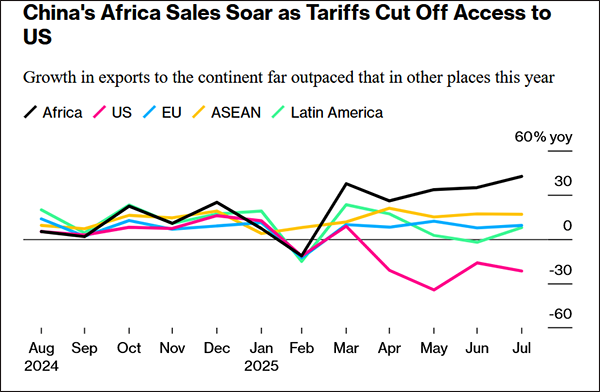
Core Viewpoint - The recent environmental leakage issue involving China Nonferrous Mining Group in Zambia has sparked controversy, leading to an unprecedented compensation claim of $80 billion from local farmers, highlighting the challenges faced by Chinese enterprises operating in Africa [1][2]. Group 1: Company Operations and Challenges - The incident reflects the broader challenges that Chinese companies encounter in Africa, particularly the disparity in responses from local governments and communities [1][2]. - The political landscape in Zambia is complex, with upcoming elections influencing public sentiment and opposition parties leveraging the situation to criticize the ruling government for perceived leniency towards foreign investors [2][3]. - The compensation demand significantly exceeds typical claims, indicating a potential exploitation of the situation for political gain rather than a genuine reflection of damages [2][7]. Group 2: Business Environment in Zambia - Zambia's business environment is relatively stable compared to other African nations, with a history of avoiding war and a political system characterized by party divisions and cultural differences [3][4]. - The country has faced economic pressures, particularly following a debt default in 2020, but has shown signs of recovery under the current administration, which encourages foreign investment [4][5]. Group 3: Risks in African Operations - Security risks remain a primary concern for Chinese enterprises in Africa, including potential regime changes, kidnappings, and theft, which can disrupt operations [8][9]. - The operational risks also encompass inadequate infrastructure and maintenance issues, as evidenced by the recent environmental incident in Zambia [8][9]. Group 4: Trade Dynamics and Growth - China's exports to Africa have surged, with a reported 25.9% increase in the first eight months of 2025, significantly outpacing growth in other regions [17][18]. - The growth in exports is primarily driven by the development of local markets rather than being a result of "transshipment trade" due to U.S.-China trade tensions [18][19]. - The overall strategy for China-Africa trade emphasizes a comprehensive approach that integrates infrastructure, manufacturing, and logistics, fostering a sustainable economic partnership [20][21]. Group 5: Geopolitical Context - African nations are navigating their roles amid global competition for resources, with varying strategies based on their unique resource endowments and industrial capabilities [23][24]. - There is a caution against overestimating their leverage in the geopolitical landscape, emphasizing the importance of building a robust industrial base for sustainable development [24].

800亿美元天价索赔,只是中企在非挑战的冰山一角
Hu Xiu· 2025-09-28 06:26
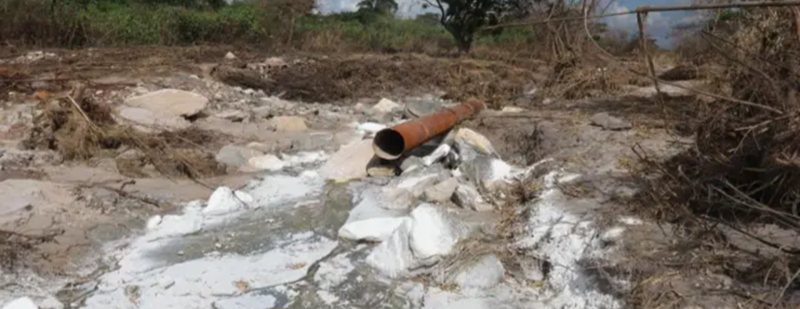
Core Viewpoint - The recent environmental leakage incident involving China Nonferrous Mining Group in Zambia has sparked significant controversy, leading to an unprecedented compensation claim of $80 billion from local farmers, highlighting the challenges faced by Chinese enterprises operating in Africa [1][2][3] Group 1: Incident Overview - The environmental leakage issue has prompted a swift response from the company and cooperation with local authorities, yet the compensation demand far exceeds typical claims, complicating the situation [1][2] - The disparity in reactions between the Zambian government and local communities can be attributed to the complex political landscape and upcoming elections, where opposition parties may leverage such incidents to criticize the ruling party [2][3] Group 2: Zambian Business Environment - Zambia's business environment is relatively stable compared to other African nations, with a history of political stability and no major wars since independence [3][4] - The political landscape is characterized by a division between the current ruling party and opposition factions, which may influence public sentiment and reactions to foreign investments [3][4] Group 3: Risks for Chinese Enterprises - Security risks remain a primary concern for Chinese companies in Africa, including potential regime changes, kidnappings, and terrorism, which can disrupt operations [8][9] - Other operational risks include petty crime, corruption, and inadequate infrastructure, which can severely impact project execution and safety [8][9] Group 4: Trade Dynamics - China's exports to Africa have seen a significant increase, with a 25.9% year-on-year growth in the first eight months of 2025, surpassing $122 billion, indicating a strong focus on the African market [17][18] - The growth in exports is primarily driven by local market development rather than as a result of "transshipment trade" due to U.S.-China trade tensions [18][20] Group 5: Future Opportunities and Challenges - The systematic advancement of industrialization and infrastructure development is a strong point in China-Africa cooperation, with a focus on creating a comprehensive industrial ecosystem [21][22] - However, there are still significant gaps in mutual understanding and cultural exchange between Chinese and African entities, which need to be addressed for sustainable cooperation [22][24]