
书院文化

Search documents
看典籍里的书院传承中华千年文脉
Xin Lang Cai Jing· 2026-02-28 01:40
Core Viewpoint - The article discusses the cultural significance and historical evolution of Chinese academies, highlighting their role in promoting traditional culture through various activities and exhibitions [1][3]. Group 1: Cultural Significance of Academies - Cultural academies in China are becoming popular venues for celebrating the Lunar New Year, with activities such as writing "Fu" characters and reciting traditional texts [1]. - The exhibition "Studying the Ancient, Seeking Truth: Academies in Classical Texts" at the National Library of China showcases valuable artifacts, tracing the ideological roots and historical development of academies [1][3]. Group 2: Historical Development of Academies - Chinese academies originated in the early Tang Dynasty as places for scholars to study, evolving into official academic institutions during the Song Dynasty, with their numbers significantly increasing [5]. - By the Southern Song period, academies concentrated in Jiangxi province accounted for 74.43% of the total, indicating a strong regional influence [5]. - The Ming Dynasty marked a peak in the number of academies, with nearly 2,000 established, reflecting a trend towards popularization and community involvement [5]. - The Qing Dynasty saw unprecedented prosperity in academies, which became widespread in both urban and rural areas [5]. Group 3: Influence Beyond China - The overseas spread of academies began in the Ming Dynasty, significantly impacting the Korean Peninsula and leading to the establishment of numerous academies during the Joseon Dynasty [6]. - In Japan, the introduction of Zhu Xi's and Wang Yangming's teachings during the Edo period resulted in the emergence of various academies [6]. - Academies were also transplanted by overseas Chinese and foreign missionaries to regions such as Southeast Asia and the West, serving as a bridge for cultural exchange [6]. Group 4: Call for Cultural Awareness - In the context of the revival of academy culture, there is a call for these institutions to maintain cultural self-awareness, confidence, and responsibility while embracing both innovation and tradition [6].

110余种珍贵展品立体呈现书院文化
Xin Lang Cai Jing· 2026-01-31 20:32
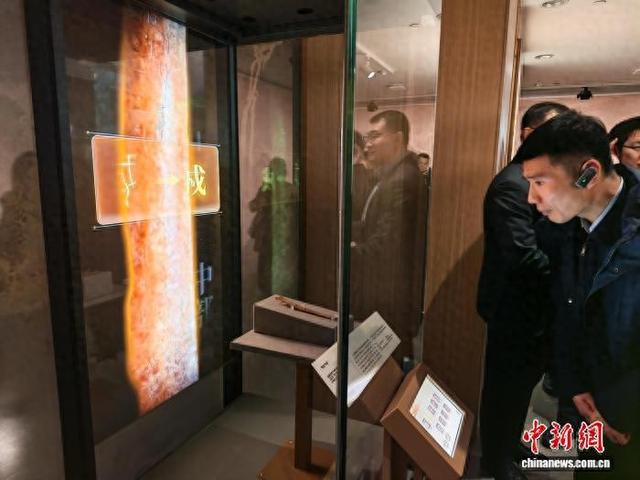
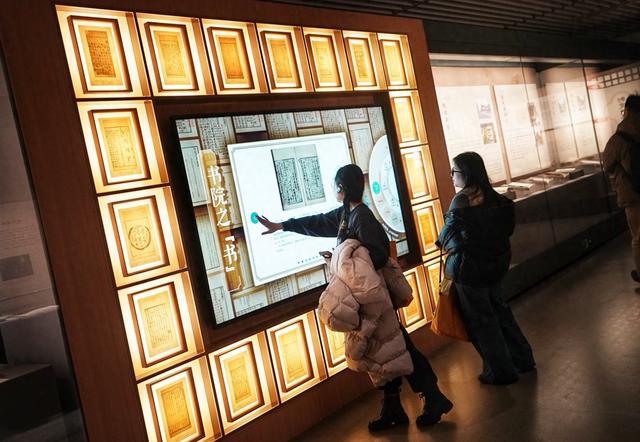
Core Viewpoint - The exhibition "Studying Ancient Texts with Practicality - The Academy in Classics" showcases over 110 precious exhibits, highlighting the cultural significance of ancient Chinese academies and their role in education and cultural transmission [1][2]. Group 1: Exhibition Overview - The exhibition is hosted by the National Library of China and features collaboration from several institutions, including the First Historical Archives of China and various provincial libraries [1]. - It aims to promote the culture of ancient academies and the spirit of practicality, showcasing the rich heritage of these educational institutions [1]. Group 2: Cultural Significance - Ancient Chinese academies, which began in the Tang dynasty and were fully developed in the Song dynasty, played a crucial role in talent cultivation, academic innovation, and the dissemination of Confucianism [1]. - The exhibition is divided into three sections: "Academy Geography," "The Wind of Zhusi," and "Learning to Convey the Way," with an additional area dedicated to the theme of practicality [1]. Group 3: Notable Exhibits - The Ming dynasty edition of "Records of the Grand Historian" from Bailudong Academy is highlighted, showcasing its historical significance in Confucian thought [2]. - The exhibition features a clear display of the "Regulations of Bailudong Academy," which serves as a foundational guideline for educational practices in later academies [2]. - Multimedia elements, such as LED screens and immersive 3D projections, recreate significant historical scenes related to the academies, enhancing the visitor experience [2].
文化之约丨110余种珍贵展品立体呈现典籍里的书院
Zhong Yang Ji Wei Guo Jia Jian Wei Wang Zhan· 2026-01-23 00:46
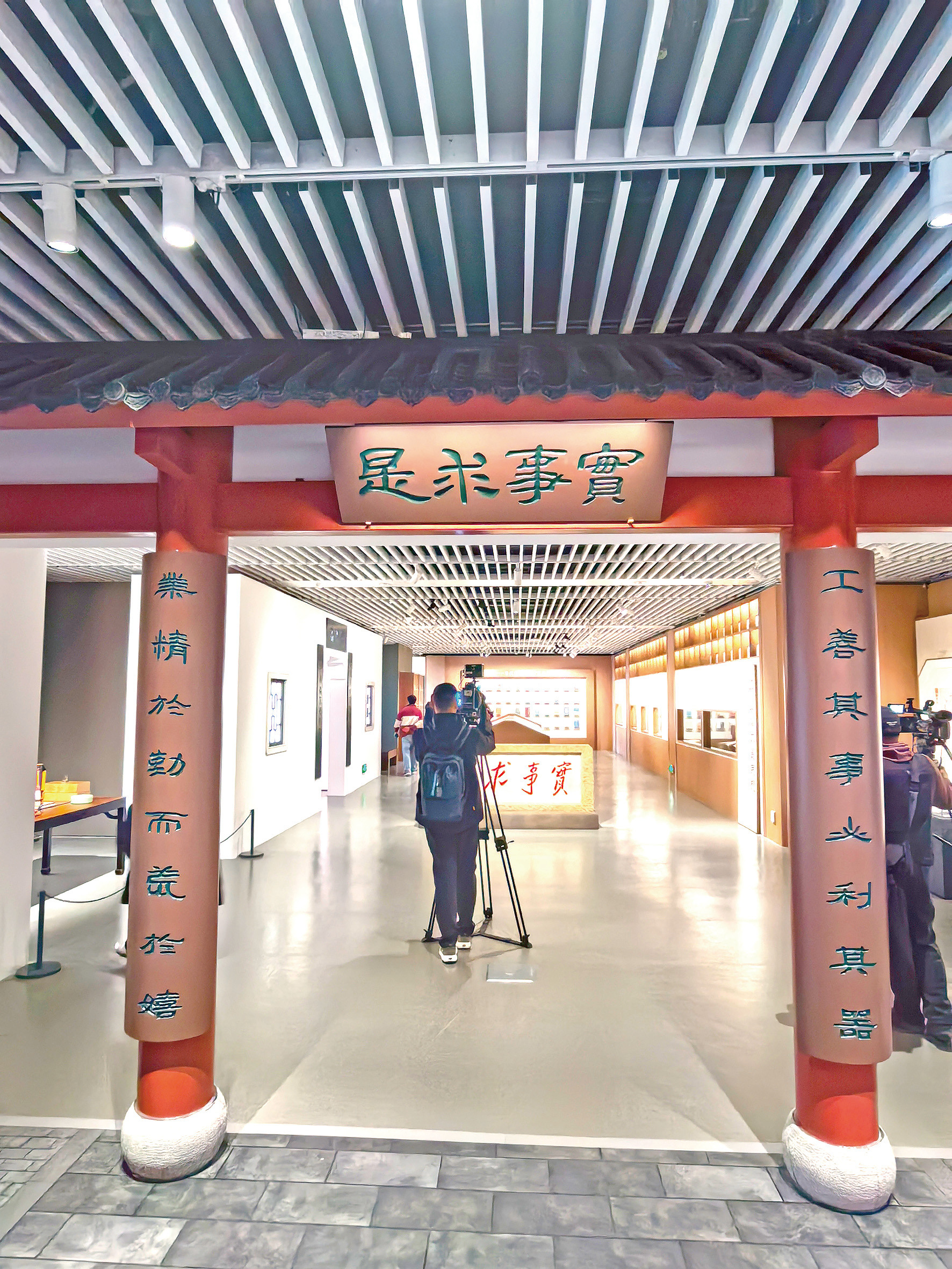
Core Viewpoint - The exhibition "Studying the Classics and Seeking Truth from Facts" aims to promote the culture of ancient Chinese academies and the spirit of seeking truth from facts, showcasing over 110 precious exhibits that reflect the historical significance and cultural heritage of these institutions [10][22]. Group 1: Exhibition Overview - The exhibition is hosted by the National Library of China and co-organized by several institutions, including Hunan University and the Yuelu Academy [10]. - It features significant artifacts such as the "Seeking Truth from Facts" plaque from Yuelu Academy, which emphasizes the importance of scientific inquiry and truth-seeking in education [20]. Group 2: Historical Significance of Academies - Ancient Chinese academies served as cultural and educational institutions that integrated teaching, book collection, and publishing, playing a crucial role in talent cultivation and cultural transmission over a millennium [6][12]. - The term "academy" first appeared during the Tang Dynasty, with its historical roots tracing back to early Tang literature, highlighting its long-standing influence on Chinese education and culture [14]. Group 3: Cultural Contributions - Academies have fostered various spirits, including the pursuit of truth, moral education, and innovative thinking, which have significantly impacted both domestic and international cultural landscapes [12][22]. - The evolution of academies from the Tang to the Song Dynasty marked a transformation in educational practices, establishing a new paradigm for academic and cultural development [15][16]. Group 4: Influence on Modern Thought - The phrase "Seeking Truth from Facts" has historical significance, first appearing in the "Book of Han," and has been adopted as a guiding principle in modern Chinese political thought, particularly by the Communist Party of China [9][21]. - The exhibition underscores the relevance of traditional cultural values in contemporary society, illustrating how ancient philosophies continue to inform modern governance and education [22].
“修学好古 实事求是——典籍里的书院”展览开幕式在国家图书馆举行
Zhong Guo Jing Ji Wang· 2026-01-20 05:55
Core Viewpoint - The exhibition "Studying the Classics and Seeking Truth from Facts - The Academy in Classics" aims to promote and revitalize the culture of ancient Chinese academies, highlighting their historical significance and contemporary relevance [1][4]. Group 1: Exhibition Overview - The exhibition is divided into three main sections: "Academy Origins," "The Wind of Zhusi," and "Learning to Convey Principles," along with a special area dedicated to the concept of "Seeking Truth from Facts" [1][2]. - It features over 110 precious exhibits, including oracle bones, stone inscriptions, ancient manuscripts, and rare books, showcasing the rich heritage of academy culture [4][6]. Group 2: "Academy Origins" Section - This section discusses the social, ideological, and cultural roots of the rise of academies, the development of Confucianism, and its profound impact on Chinese civilization [1][2]. - It outlines the historical development of academies from the Tang to the Qing dynasties and their influence both domestically and abroad [1][2]. Group 3: "The Wind of Zhusi" Section - This section explains the four major functions of academies: sacrificial rites, book collection and printing, teaching, and institutional economy [2]. - It emphasizes the importance of sacrificial rites in shaping values such as respect for teachers and the pursuit of knowledge [2]. Group 4: "Learning to Convey Principles" Section - This section highlights the relationship between academies and the history of Chinese thought, showcasing the role of academies in preserving and transmitting traditional culture [3]. - It discusses the educational philosophies of Confucius, Mencius, and Xunzi, and the revival of Confucianism during the Song dynasty [3]. Group 5: "Seeking Truth from Facts" Area - This area traces the evolution of the "Seeking Truth from Facts" ideology and its impact on education, governance, and cultural transmission in ancient academies [4]. - It illustrates how this ideology has been integrated into the practices of the Communist Party of China, combining Marxist principles with traditional Chinese culture [4]. Group 6: Multimedia and Interactive Features - The exhibition includes multimedia elements such as LED displays and immersive VR experiences, allowing visitors to engage with the history and spirit of ancient academies [5][6]. - These features aim to create an interactive cultural dialogue and enhance the understanding of the academy's legacy [5][6].
在国图走进“典籍里的书院”
Xin Lang Cai Jing· 2026-01-19 22:18
Core Viewpoint - The exhibition "Studying Ancient Texts, Seeking Truth from Facts - The Academy in Classical Texts" aims to inherit and promote the culture of academies, emphasizing the spirit of seeking truth from facts and revitalizing cultural heritage [1] Group 1: Exhibition Overview - The exhibition is divided into three sections: "Academy Geography," "The Wind of Zhusi," and "Learning to Convey the Way," with an additional area dedicated to "Seeking Truth from Facts" [1] - It features over 110 precious exhibits, including oracle bones, stone inscriptions, ancient manuscripts, and rare books, showcasing the historical value and contemporary significance of academies [1] Group 2: Interactive Experience - The exhibition utilizes LED screens to present representative scenes such as lectures at the Academy and the origins of various academies, employing light and space narratives to create an immersive cultural dialogue experience [1] - A VR experience area called "Academy Tour" allows visitors to explore the Yuelu Academy through VR glasses, enhancing the interactive aspect of the exhibition [1] Group 3: Organizers and Collaborators - The exhibition is hosted by the National Library of China (National Classics Museum) and co-organized by several institutions, including the First Historical Archives of China, Jiangxi Provincial Library, Hubei Provincial Library, Hunan University Yuelu Academy, and Sanming College [1]
现场|千年弦歌不绝,看古代典籍里的书院文化
Xin Lang Cai Jing· 2026-01-19 13:04
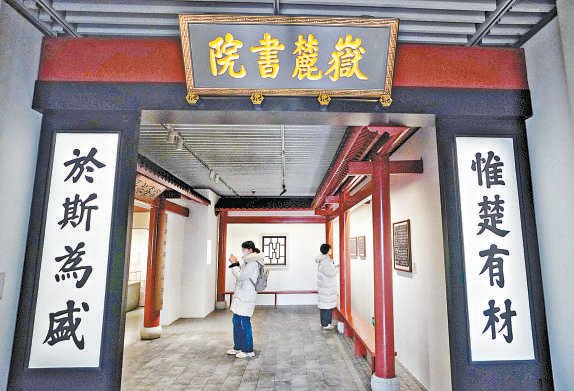
Core Viewpoint - The exhibition "Studying the Classics and Seeking Truth from Facts - The Academy in Classical Texts" showcases the historical significance and contemporary relevance of ancient Chinese academies, highlighting their development, key figures, and stories through various exhibits [1][24]. Group 1: Exhibition Overview - The exhibition is held at the National Library's Classics Museum starting January 19, featuring over 110 precious exhibits, including oracle bones, stone inscriptions, ancient manuscripts, and rare books [3][18]. - It is divided into three main sections: "Academy Geography," "The Wind of Zhusi," and "Learning to Convey the Way," with an additional "Seeking Truth from Facts" area [1][24]. Group 2: Historical Context of Academies - The origins of academies can be traced back to Confucian ideals, emphasizing the cultivation of virtuous individuals through practical learning, which evolved into a unique cultural education institution in ancient China [8][10]. - The development of academies was influenced by both official and private educational systems, with significant contributions from historical scholars who adapted these models to create the academy system during the Tang and Song dynasties [10][12]. Group 3: Cultural and Educational Contributions - The exhibition highlights the four main functions of academies: sacrificial rites, collection and publication of books, teaching and academic activities, and institutional economics [16][18]. - The "Learning to Convey the Way" section emphasizes the role of academies in preserving and transmitting Confucian teachings, showcasing the educational spirit and the diverse scholarly traditions that emerged from these institutions [20][21]. Group 4: Modern Relevance and Innovations - The "Seeking Truth from Facts" section traces the evolution of this philosophy in ancient academies and its profound impact on education, governance, cultural dissemination, and academic innovation throughout history [24][26]. - The exhibition incorporates multimedia elements, including immersive VR experiences and 3D projections, to engage visitors and illustrate the enduring legacy of academies in contemporary society [26][28].
国图开新展!110余种展品立体呈现典籍里的书院
Xin Lang Cai Jing· 2026-01-19 11:01
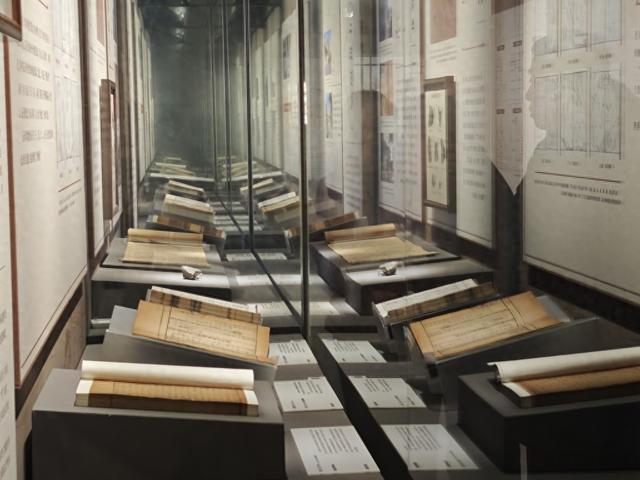
Core Viewpoint - The exhibition "Studying Ancient Texts and Seeking Truth from Facts - The Academy in Classical Texts" opened at the National Library, showcasing over 110 precious exhibits that present the culture of academies through various types of artifacts such as oracle bones, stone inscriptions, and ancient books [1][3]. Group 1: Exhibition Overview - The exhibition features three main sections: "Academy Geography," "The Wind of Zhusi," and "Learning to Convey the Dao," along with a special area titled "Seeking Truth from Facts," which narrates the history of academies and related figures and stories [3]. - The exhibition includes significant artifacts like the "Teaching" oracle bone, which represents the education of the Shang Dynasty, and the remnants of the "Analects" from the Xiping Stone Classics [5][6]. Group 2: Historical Significance - The earliest documented academy, the Shishan Academy located in present-day Hunan, is mentioned in the "Record of Siku Mountain" by Su Shidao during the Tang Dynasty [6]. - The exhibition also displays the first set of educational regulations from the Bai Lu Academy, which outlines the goals of teaching and learning, providing a framework for future academies [6]. Group 3: Cultural Impact - The stone inscription of "Seeking Truth from Facts," written by Mao Zedong, became the motto of the Central Party School after the construction of a grand auditorium in 1943 [8]. - The term "Seeking Truth from Facts" first appeared in the "Book of Han," compiled by Ban Gu, and was used to praise Liu Qi, the son of Emperor Jing of Han [8]. Group 4: Multimedia Features - The exhibition incorporates rich multimedia elements, such as "Academy Preaching," which uses light and space narratives to depict significant scenes from ancient academies [10]. - An immersive 3D space called "Four Seasons of the Academy" recreates scenes of morning readings, lectures, rituals, and book collections through projection technology [10]. - A VR experience area named "Academy Tour" allows visitors to explore the Yuelu Academy in an immersive manner [10].
无锡文化的多元透视
Xin Lang Cai Jing· 2026-01-16 19:06
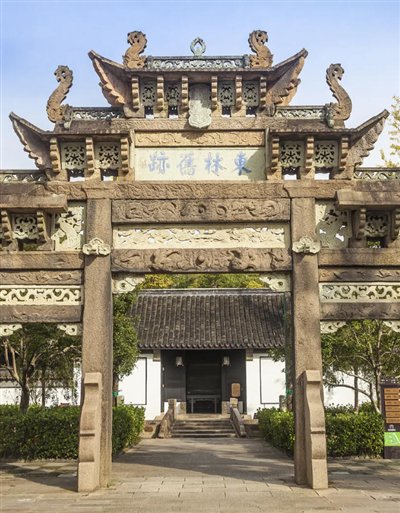
Cultural Heritage - Wuxi, an ancient city in Jiangnan, embodies a rich cultural heritage that includes political, musical, and educational traditions [3][4][5] - The story of Tai Bo, who left the Zhou kingdom to establish the Wu state, highlights the value of selflessness and virtue in governance, as praised by Confucius [3] - The cultural significance of Ji Zha, who evaluated poetry and music during the Spring and Autumn period, reflects Wuxi's historical influence on Chinese music and literature [3][4] Educational Influence - The establishment of Gui Shan Academy by Yang Shi and the prominence of Donglin Academy during the Ming dynasty illustrate Wuxi's role in the development of educational institutions [4] - The emphasis on practical application of knowledge, as advocated by Tang Wenzhi, underscores the importance of moral conduct alongside academic study [4] - Qian Mu's contributions to education and his reflections on the importance of character in scholarly pursuits further highlight Wuxi's educational legacy [4] Economic Development - Wuxi is recognized as a cradle of modern Chinese industry, with a thriving economy in sectors such as textiles, silk, and finance, driven by a spirit of entrepreneurship [5] - The "Su Nan model," characterized by township enterprises, emerged from Wuxi's innovative approach during the economic reforms of the 1990s, establishing it as a leading region in China [5] - The local ethos of "daring to be the first in the world" has propelled Wuxi to the forefront of contemporary commercial civilization and economic reform [5]
厦门:“文明实践+”为城市发展注入“温暖力量”
Xin Lang Cai Jing· 2025-12-19 07:25
Core Viewpoint - Xiamen has established itself as a model of urban civilization through a "Civilization Practice +" integration development model, enhancing community engagement and cultural transmission over the past two decades [1]. Group 1: Community Governance - Xiamen's community governance focuses on addressing residents' needs, exemplified by the successful integration of community resources in Zhongzhou Community, which transformed neighborly relations through regular family activities [2]. - Anren Community has improved communication among residents through initiatives like "Listening to Good Voices," fostering closer ties and resolving conflicts [3]. - The city has implemented various community services, such as the "Jinlin Station" for truck drivers' families and the transformation of urban villages, enhancing living conditions and community satisfaction [3]. Group 2: Cultural Foundation - Xiamen leverages local cultural resources, particularly through the establishment of academies that connect traditional and modern values, enhancing community governance [4]. - The revival of traditional practices, such as calligraphy and local arts, has become a community norm, enriching the cultural landscape and improving governance [5]. - Over 50 social academies have been registered in Xiamen, offering diverse courses that contribute to the city's cultural depth and community engagement [5]. Group 3: Corporate Services - The integration of civilization practices into the corporate sector has fostered a symbiotic relationship between businesses and communities, enhancing local development [6]. - Monthly community service events organized by local businesses have benefited over 12,000 residents, creating a positive feedback loop between government, enterprises, and the community [6]. - Targeted services for employees, such as entrepreneurship training and summer programs, have been established to meet the specific needs of the workforce [7]. Group 4: Economic Development - Cultural initiatives have been linked to economic growth, with local heritage crafts being transformed into profitable enterprises, significantly boosting sales and tourism [8]. - The "Civilization Practice +" model positions every citizen as a participant and beneficiary of urban civilization, contributing to the city's high-quality development [8].

“关学与书院文化”学术研讨会举行
Xi An Ri Bao· 2025-09-22 02:43
Core Points - The "Academic Seminar on Guanzhou Studies and Academy Culture" was held in Guanzhong Academy, emphasizing the importance of Guanzhou as a significant branch of Confucianism and its role in cultural transmission and development [1][2] - The seminar aims to promote the creative transformation and innovative development of excellent traditional Chinese culture, enhancing the cultural soft power of the city [1][2] - Xi'an, as the main birthplace and important carrier of Guanzhou, will implement cultural strategies to integrate Guanzhou into the city's spirit and fulfill its cultural mission in the new era [2] Summary by Sections - **Event Overview** - The seminar featured various experts and scholars, including representatives from universities and cultural institutions, highlighting the collaborative nature of the event [1][3] - **Keynote Address** - The address by Fang Hongwei underscored the historical significance of Guanzhou and its value of "emphasizing practice, valuing action, and prioritizing practical governance" [1][2] - **Cultural Strategy** - Xi'an's commitment to cultural revitalization includes the activation and protection of cultural carriers like Guanzhong Academy, aiming to express Guanzhou in contemporary terms [2]