
二次创作

Search documents
白宫发特朗普遛企鹅新华社回动画
Bei Jing Ri Bao Ke Hu Duan· 2026-01-28 06:13
Core Viewpoint - The White House's AI-generated image featuring former President Trump walking with a penguin in Greenland sparked widespread ridicule and creative responses on social media, highlighting the absurdity of the situation as penguins do not inhabit Greenland [1] Group 1: Social Media Reactions - The image led to immediate mockery on social media, with users correcting the factual error by replacing the penguin with a polar bear and sharing the natural habitat of penguins [1] - A creative animation by Xinhua showcased Uncle Sam dragging a reluctant penguin, emphasizing that even if penguins existed in Greenland, the scenario would still be absurd [1] - The animation gained significant traction, amassing nearly 1.6 million views and over 10,000 likes on X, indicating high engagement from users [1] Group 2: Media Coverage - Russian media outlets, including RT, shared the story multiple times within a day, highlighting the international interest in the incident [1] - Foreign media personalities also participated in sharing the content, reflecting a broader commentary on U.S. actions through the lens of the penguin narrative [1] - A user commented on the animation's perfection, suggesting it metaphorically represented the U.S. as an invasive force, drawing parallels between the fictional scenario and real-world issues [1]
告别流量至上 为“AI魔改”立规
Xin Lang Cai Jing· 2026-01-16 10:50
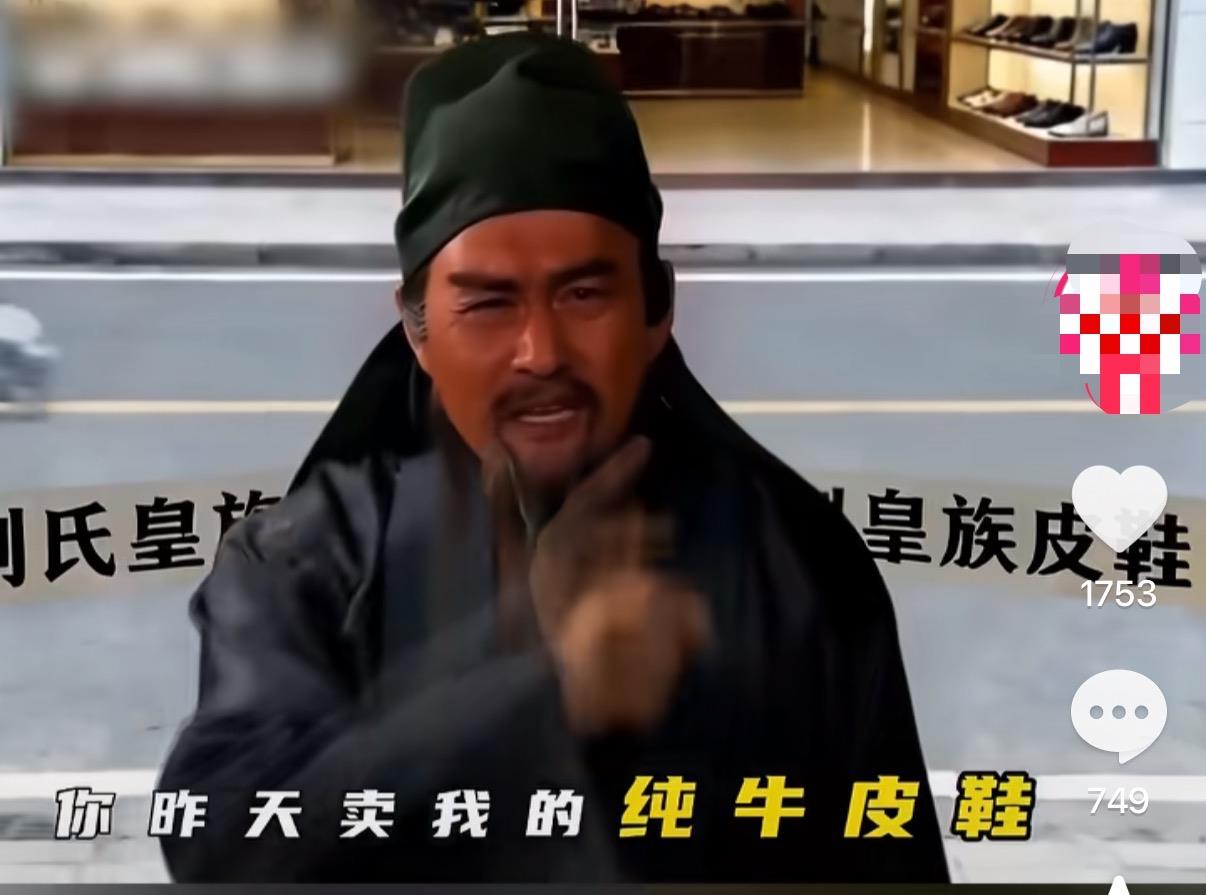
Core Viewpoint - The rise of "AI magic modification" in short video platforms is distorting classic literary works, leading to a governance initiative by the National Radio and Television Administration to protect cultural integrity and socialist core values [1][2][4]. Group 1: AI Magic Modification Phenomenon - "AI magic modification" involves altering classic characters and narratives, resulting in absurd storylines that attract curiosity but undermine the original works' seriousness [1][2]. - The user base for generative AI in China reached 515 million by June 2025, a 106.6% increase from December 2024, indicating rapid adoption and the potential for mass production of modified content [4]. - The low entry barrier of AI technology allows for large-scale production of "magic modification" videos, leading to a flood of low-quality, homogeneous content in the online space [4]. Group 2: Risks and Concerns - The phenomenon poses risks such as content distortion, misguiding audiences, and blurring the lines between fiction and reality, particularly affecting the historical understanding of youth [5][6]. - Legal experts warn that "AI magic modification" may infringe on the original authors' rights, as unauthorized use of original works for profit constitutes copyright infringement [7]. Group 3: Governance and Industry Response - A special governance initiative will be launched on January 1, 2026, focusing on cleaning up modified videos related to major literary works and historical themes [1][8]. - Platforms are urged to take responsibility for content moderation, enhance review mechanisms, and prioritize quality over mere traffic [8][9]. - Experts emphasize that governance should not stifle creativity but rather promote a healthier content ecosystem, encouraging innovation while mitigating risks [9].

厘清复制改编边界确立“二次创作”认定规则
Xin Lang Cai Jing· 2025-12-19 23:34
Case Summary - The case involves Wang and Han, who illegally produced and sold high-precision models of comic characters using 3D printing technology without the copyright owner's permission, resulting in over 300 million yuan in illegal profits [1] - The court sentenced Wang to five years in prison and a fine of 8 million yuan, while Han received a two-year and ten-month sentence with a two-year probation and a fine of 500,000 yuan [1] Key Points - The prosecution focused on the copyright ownership chain, verifying the rights transfer from the original copyright holder to the authorized parties, confirming the legitimacy of the rights holders and the completeness of the authorization chain [2] - Multiple comparisons were made to determine the copying relationship, including the examination of various forms of evidence such as product photos and videos, confirming the legality of the evidence collection process [3] - The prosecution reviewed transaction data to confirm the total amount of illegal profits, refuting Wang's claims of double counting in the financial assessment by analyzing shipping records and customer transactions [4] - The case highlights the importance of clarifying the responsibilities of multiple parties in complex authorization relationships, emphasizing the need for solid evidence of rights sources and the legitimacy of the authorization chain [5] - The distinction between non-exact copying and adaptation was emphasized, with the legal definition of copying being applicable regardless of the medium, underscoring the need for originality in claims of "secondary creation" [6] - The case also served as a platform for legal education and public awareness, aiming to clarify the boundaries of copyright protection and the detrimental effects of infringement on the original creative ecosystem [7]
大量网红模仿雷军,夸张用词被举报侵权,平台对此事作出回应
Sou Hu Cai Jing· 2025-11-07 04:40
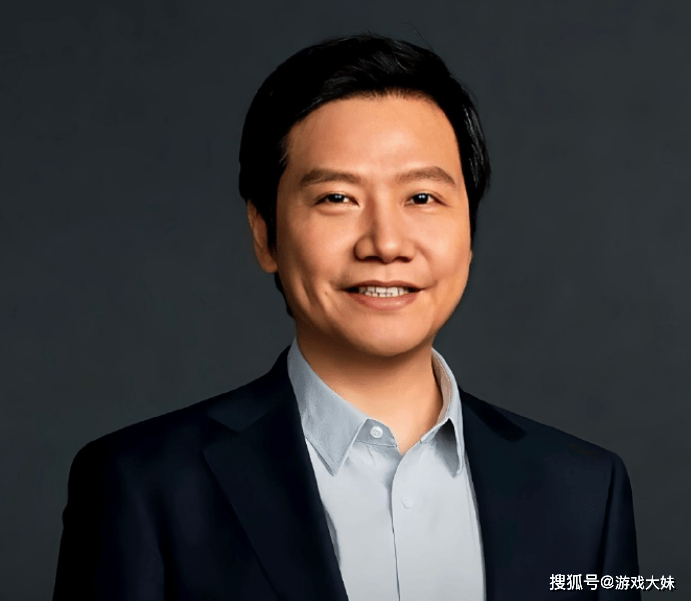
Core Viewpoint - The recent trend of imitating Lei Jun's speeches has become a widespread phenomenon, leading to concerns about brand image for Xiaomi and its founder [1][4][6]. Group 1: Imitation Trend - The imitation of Lei Jun's speeches has spread across various platforms, with individuals from different backgrounds adopting his style to promote their products [1][4]. - The low barrier to entry for this type of imitation allows many to quickly gain popularity, transforming previously unknown individuals into "internet celebrities" [4]. - The quality of content in these imitations varies significantly, with some becoming humorous rather than maintaining the original positive message [4][8]. Group 2: Brand Impact - The proliferation of imitations has caused concern for Xiaomi, as the founder's image is crucial for the brand, and the imitations may dilute the intended message of sincerity [4][6]. - Xiaomi has reportedly begun to report accounts that excessively imitate or mock Lei Jun, believing these actions could harm the brand's image [4][6]. - The platform's response indicates that such imitations are considered a form of reasonable secondary creation, which means the trend is likely to continue without significant intervention [6]. Group 3: Public Perception - This phenomenon can be viewed as a "folk creativity carnival," where people find joy in expression and humor, alleviating the tension of commercial narratives [8]. - For Lei Jun, the best response may not be to control the situation but to empathize with the public's attention and recognition of him as a cultural symbol [8].
人工智能“魔改”应有底线
Jing Ji Ri Bao· 2025-11-05 00:20
Group 1 - The emergence of AI-generated "remixed" videos of classic films has sparked discussions about the balance between creative freedom and the integrity of original works [1][2] - AI technology lowers the barriers to video production, but it raises legal and ethical concerns regarding copyright infringement and the potential for unauthorized adaptations [1][2] - The National Radio and Television Administration has issued guidelines for short video platforms to monitor and regulate AI-generated content, emphasizing the need for stricter content review processes [2] Group 2 - There is a risk that AI "remixes" could dilute cultural values and aesthetic standards, particularly among younger audiences who may struggle to distinguish between reality and parody [3] - Educational institutions are encouraged to foster copyright awareness and aesthetic appreciation among the youth to protect cultural heritage [3] - Collaboration among technology companies, legal institutions, and the cultural sector is essential to create a framework that allows for responsible use of AI while preserving the essence of classic works [2][3]