
流量至上

Search documents
看完央视看卫视,今年各卫视春晚小品哪个把你逗乐了
Xin Lang Cai Jing· 2026-02-23 11:27
Core Viewpoint - Language programs have become a highlight of the Spring Festival Gala, with a significant focus on the integration of technology, particularly robots, into performances, creating a new standard of "human-machine coexistence" in these shows [1][3][5]. Group 1: Technological Integration - The 2023 Spring Festival Gala featured a high level of robot participation, with programs like CCTV's skit "Grandma's Favorite" showcasing robots performing alongside human actors, marking a new chapter in human-robot collaboration [1]. - Jiangsu TV's program "Timeless Father and Son" utilized artificial intelligence in its storyline, while Liaoning TV's gala included humanoid robots in a comedic skit, highlighting the diverse roles robots can play in entertainment [3]. - Guangdong TV's inaugural "Human-Robot Collaborative Spring Festival Gala" explored the theme of future coexistence with robots, incorporating them into various performances, including skits that raised philosophical questions about technology and humanity [5]. Group 2: Social Commentary - Successful language programs not only leverage technology but also address real-life social issues, resonating with audiences through relatable content [7]. - Jiangsu TV's skit "Round Table 'Understanding'" received acclaim for its sharp satire on recruitment practices, exposing underlying societal issues while maintaining humor [8]. - The Bilibili Spring Festival Gala's "Spring Festival Rule Weird Tales" tackled the social pressures faced by younger generations during the holiday, reflecting contemporary concerns [9]. - The skit "Returning My 'Alone' Spring Festival" from the Happy Mahua team discussed the balance between social obligations and personal solitude, addressing the stress of holiday socializing [11]. - Other performances critiqued the obsession with internet traffic and the chaos of live streaming, as seen in the skit "A Hundred Ways to Start a Number," which humorously highlighted the absurdities of modern digital culture [13]. Group 3: Audience Engagement - The combination of humor, depth, and innovation in language programs has become a defining characteristic that resonates with audiences, making these performances a cherished part of the Spring Festival experience [8][13].


摒弃“流量至上”,多部门联手强化监管
Xin Hua Ri Bao· 2026-02-06 21:21
Group 1 - The core viewpoint emphasizes the need to curb online chaos, including malicious content and low-quality information, through collaborative efforts and legal frameworks [1] - Wang Junlin, a provincial representative, suggests the establishment of comprehensive laws and regulations to address issues like AI misuse, online rumors, and traffic fraud, along with a coordinated management execution mechanism [1] - The proposal includes regular special rectification actions to create a high-pressure regulatory environment and the development of self-regulatory agreements by industry associations to promote quality content [1] Group 2 - Wang Junlin advocates for platforms to fulfill their responsibilities by moving away from a "traffic-first" mindset, enhancing content review, and optimizing algorithm recommendation mechanisms [1] - There is a call for increased investment in cybersecurity technology and the use of big data and AI to assist in monitoring and promptly addressing violations [1] - The importance of promoting online civility and conducting widespread internet literacy education is highlighted to help the public resist rumors and low-quality content [1]

青平:放过狼群吧,不能为了流量毁了生态
Xin Lang Cai Jing· 2026-01-26 15:53
Group 1 - The documentary "Return to the Wolf Pack" has gained significant popularity, but it has led to negative consequences as many streamers disrupt the natural habitat of wolves for views [1] - Incidents of wildlife disturbance have been reported, including the case of the endangered seal "Anong" in 2025, which suffered from human interference, requiring medical treatment [1] - The behavior of streamers, such as camping and leaving waste in sensitive ecological areas, has been documented, with significant amounts of trash collected, indicating a growing problem [1] Group 2 - The underlying issue is a "traffic-first" mentality that drives streamers to prioritize views over ecological integrity, turning natural landscapes into commercialized spaces [2] - To address these issues, a multi-faceted approach is necessary, including education and regulation from tourism and environmental sectors, as well as stricter enforcement from management authorities [2] - The audience is encouraged to discern the authenticity of content and reject harmful streaming practices, contributing to the restoration of wildlife habitats and the tranquility of natural environments [2]
算法不能向善,线下不得安宁
Xin Lang Cai Jing· 2026-01-24 07:17
Group 1 - The core issue revolves around a live streamer who disrupts public spaces for personal gain, highlighting the negative impact of algorithm-driven "traffic-first" logic [2] - The current algorithmic rules favor outrageous content over compliant material, leading to a cycle where violations generate more visibility and engagement [2] - Platforms are complicit in this issue by designing algorithms that promote controversial and inappropriate behavior, creating a toxic environment for public order [2] Group 2 - To address the chaos in public spaces caused by live streaming, algorithms must be restructured to favor compliant content and limit the exposure of violations [3] - Regulatory bodies need to impose stricter guidelines on algorithms to ensure platforms take responsibility for their content distribution [3] - A shift towards "benevolent" algorithms is essential for maintaining order both online and offline, as continued favoritism towards rule-breakers undermines enforcement efforts [3]

人民日报四评“西贝事件”:平台别盯着流量!微博 CEO 反手就拿数据“硬刚”了
程序员的那些事· 2026-01-22 14:16
Group 1 - The core viewpoint of the article emphasizes the drawbacks of the "traffic-first" approach of online platforms, urging them to take social responsibility in maintaining public order and fostering consensus [1] - The article criticizes platforms for amplifying negative opinions and allowing erroneous statements, which has led to a hostile business environment where entrepreneurs are hesitant to speak out [1] - It highlights issues such as algorithms overly catering to preferences, trending topics exacerbating divisions, and technology enabling misinformation, calling for platforms to prioritize mainstream values and uphold public discourse [1] Group 2 - In response to the criticism from the People's Daily, the CEO of Weibo addressed the issue with data and posed a question about balancing voices from all parties while not focusing solely on traffic [6] - The public reaction included humorous comments from netizens, indicating a mix of support and skepticism towards the platform's response [7]


追求流量切勿逾越底线
Xin Lang Cai Jing· 2026-01-20 00:25
Core Viewpoint - The micro-short drama "Forced to Marry the King of Hell at 7" has been taken down from multiple platforms shortly after its release due to serious ethical violations, including the portrayal of a 7-year-old girl in adult-themed scenarios [1][2]. Group 1: Content and Ethical Violations - The drama features a 7-year-old girl being forced to marry and a 15-year-old giving birth, which severely breaches ethical standards [1]. - The show includes inappropriate physical interactions between child actors and adult male actors, violating laws protecting minors [1]. - The content reflects a trend in the micro-short drama industry where creators prioritize sensationalism over ethical considerations, often exploiting minors for profit [1]. Group 2: Regulatory Response and Industry Implications - The National Radio and Television Administration recently issued guidelines to curb the "adultification" and "instrumentalization" of children's content, highlighting the industry's disregard for regulations [2]. - Regulatory bodies are expected to enforce stricter review standards for children's micro-short dramas and impose severe penalties on violators [2]. - The industry is urged to focus on creating content that respects children's development and adheres to legal and ethical boundaries, ensuring sustainable growth [2].
告别流量至上 为“AI魔改”立规
Xin Lang Cai Jing· 2026-01-16 10:50
Core Viewpoint - The rise of "AI magic modification" in short video platforms is distorting classic literary works, leading to a governance initiative by the National Radio and Television Administration to protect cultural integrity and socialist core values [1][2][4]. Group 1: AI Magic Modification Phenomenon - "AI magic modification" involves altering classic characters and narratives, resulting in absurd storylines that attract curiosity but undermine the original works' seriousness [1][2]. - The user base for generative AI in China reached 515 million by June 2025, a 106.6% increase from December 2024, indicating rapid adoption and the potential for mass production of modified content [4]. - The low entry barrier of AI technology allows for large-scale production of "magic modification" videos, leading to a flood of low-quality, homogeneous content in the online space [4]. Group 2: Risks and Concerns - The phenomenon poses risks such as content distortion, misguiding audiences, and blurring the lines between fiction and reality, particularly affecting the historical understanding of youth [5][6]. - Legal experts warn that "AI magic modification" may infringe on the original authors' rights, as unauthorized use of original works for profit constitutes copyright infringement [7]. Group 3: Governance and Industry Response - A special governance initiative will be launched on January 1, 2026, focusing on cleaning up modified videos related to major literary works and historical themes [1][8]. - Platforms are urged to take responsibility for content moderation, enhance review mechanisms, and prioritize quality over mere traffic [8][9]. - Experts emphasize that governance should not stifle creativity but rather promote a healthier content ecosystem, encouraging innovation while mitigating risks [9].

请“网红”站台,应该长点心
Xin Lang Cai Jing· 2026-01-04 21:06
Core Viewpoint - The controversy surrounding the invitation of controversial artists to cultural events highlights the need for better discernment and responsibility in the cultural tourism sector, as the reliance on "internet celebrities" and artists with questionable backgrounds can damage public trust and brand image [1][2][3][4] Group 1: Issues with Current Practices - The practice of inviting "internet celebrities" and artists with problematic histories is becoming common in various regions, as local tourism sectors aim to attract attention and visitors [1] - The logic of opting for cheaper, controversial figures instead of reputable stars is dangerous, as it prioritizes short-term gains over long-term reputation and public trust [2] Group 2: Need for Improved Approval Processes - Current cultural approval processes often focus on compliance with regulations rather than the social impact of the invited figures, revealing a significant gap in the evaluation of content [3] - The response from local tourism departments indicates a lack of understanding of public sentiment, suggesting that approval processes need to incorporate a more nuanced assessment of societal values [3] Group 3: Long-term Vision for Cultural Tourism - The essence of cultural tourism lies in the quality of visitor experiences and community pride, which cannot be achieved through sensationalism or controversy [4] - Sustainable cultural tourism development requires a commitment to legal standards, respect for public sentiment, and a sense of responsibility towards the future of the community [4]
锐评|外滩撒泼、鼓动网暴,别以为网红就能横着走!
Xin Lang Cai Jing· 2025-12-21 15:34
Group 1 - The core viewpoint of the article highlights the consequences faced by internet celebrity "Zhen Shiba," who was detained by police for disrupting public order during a live broadcast at the Bund and inciting fans to target security personnel [1][3]. - The article emphasizes that public order must not be disturbed and that individuals, regardless of their online popularity, should not feel entitled to special treatment or privileges [3][4]. - It discusses the problematic behavior of some internet celebrities who leverage their follower count to demand special treatment or engage in inappropriate actions, leading to public outrage and questioning of their conduct [3][4]. Group 2 - The article points out the existing "traffic equals money" logic in the online ecosystem, which has led to a "traffic supremacy" mentality, often resulting in lenient consequences for inappropriate behavior [4]. - It suggests that regulatory bodies need to establish clearer standards for online conduct and impose stricter penalties to deter violations, ensuring that the cost of wrongdoing outweighs the benefits [4]. - The article calls for public awareness and vigilance against blindly supporting problematic influencers, stressing that no one should have the privilege to act above the law [4].
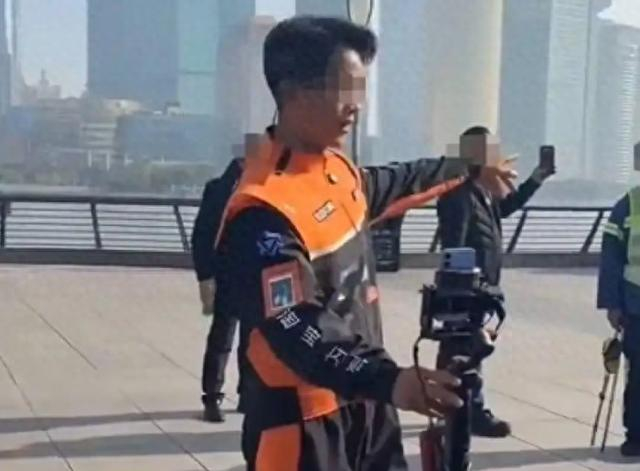
网红上海外滩耍横哪来的底气
Xin Lang Cai Jing· 2025-12-20 09:51
Core Viewpoint - The article discusses the recent incident involving a social media influencer, "Zhen Shiba," who was detained by police for disrupting public order at the Bund while live streaming, highlighting the need for stricter regulations on influencer behavior and accountability in the digital space [1] Group 1: Incident Overview - Influencer "Zhen Shiba" was detained for obstructing pedestrian traffic and provoking security personnel during a live stream at the Bund [1] - The influencer's account, which had over 40,000 followers, was banned following the incident, reflecting a crackdown on disruptive behavior by online personalities [1] Group 2: Broader Implications - The article points out a trend where influencers misuse their popularity to demand special treatment or engage in inappropriate behavior, such as threatening service staff or violating traffic laws [1] - It emphasizes the disparity between the benefits influencers gain from their actions and the relatively low penalties they face, suggesting that current regulations are insufficient to deter misconduct [1] Group 3: Recommendations for Regulation - The article calls for regulatory bodies to refine standards for online behavior and impose stricter penalties to ensure that influencers face significant consequences for their actions [1] - It advocates for measures such as limiting traffic to violators and confiscating illegal gains to discourage misconduct among influencers [1]