互联网+护理服务

Search documents
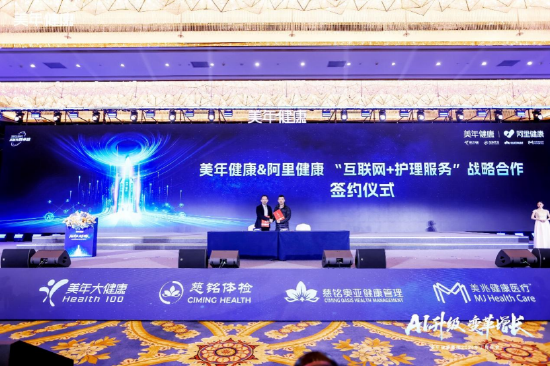
为“互联网+护理服务”模式创新注入新动能 阿里健康与美年健康达成战略合作
Zheng Quan Ri Bao· 2026-03-03 10:10
Core Viewpoint - The strategic partnership between Alibaba Health and Meinian Health aims to enhance home nursing services through digital transformation in the healthcare sector, focusing on accessibility and user experience [1][2]. Group 1: Collaboration Details - The partnership will focus on three core areas: nursing service collaboration, operational integration, and business closure [2]. - Alibaba Health will connect with Meinian Health's professional nursing team to create a 30-minute health service circle, offering home services for chronic disease management, rehabilitation care, and post-operative dressing changes [2]. - Both companies will unify service standards through online and offline training, with Meinian Health providing exclusive benefits to Alibaba Health users [2]. Group 2: Resource Complementation - Alibaba Health is a leading internet healthcare platform with strong online service capabilities, leveraging user insights to match services for post-examination recovery, medication, and nursing needs [2][3]. - Meinian Health has served nearly 300 million people since its listing in 2015, conducting about 30 million health check-ups annually and maintaining nearly 600 offline health check centers, accumulating extensive multimodal health data [3]. - The collaboration aims to transform Meinian Health's capabilities from primarily serving health check scenarios to supporting home nursing services with critical medical data [3]. Group 3: Leadership Insights - Alibaba Health's CEO highlighted the impact of AI on information accessibility and the shift of some medical services from hospitals to home settings, indicating a growing user willingness for convenient healthcare solutions [3]. - Meinian Health's Chairman emphasized the partnership's goal to make professional health services more accessible and to transition the company into an AI-driven health management technology platform [3].




美年健康与阿里健康达成战略合作 共建标准化智能化上门护理服务体系
Xin Lang Cai Jing· 2026-03-03 04:57
Core Viewpoint - The strategic partnership between Meinian Health and Alibaba Health aims to enhance home nursing services through collaboration in three key areas: nursing service synergy, online-offline resource integration, and medical health linkage, thereby improving service accessibility and user experience in the healthcare industry [1][6]. Group 1: Collaboration Details - The partnership will focus on three core areas: nursing services, operational standardization, and business closure. Alibaba Health will connect its online services with Meinian Health's professional nursing team to provide home services for chronic disease management, rehabilitation care, and post-operative dressing changes [3][8]. - Both companies will implement unified service standards through online-offline training and provide exclusive benefits to Alibaba Health users from Meinian Health [3][8]. - The collaboration will create a closed-loop service model that integrates health check-ups with online medication purchases, facilitating a seamless process from problem identification to recovery follow-up [3][8]. Group 2: Resource Complementation - Meinian Health is a leader in digital health management, having served nearly 300 million people since its listing in 2015, with an annual health check volume of approximately 30 million and nearly 600 offline health check centers [4][9]. - The collaboration will leverage Meinian's extensive health data and resources to support home nursing services, transitioning from traditional health check scenarios to a more comprehensive care model [4][9]. - Alibaba Health, as a leading internet healthcare platform, will utilize its digital capabilities to identify user needs post-health check and match them with appropriate services [4][9]. Group 3: Service Innovation - The partnership aims to establish a "30-minute health service circle," enabling home health services without the need for users to leave their homes [5][10]. - The integration of health check data, home monitoring data, and AI health management will facilitate personalized health management and risk alerts, transforming traditional health check services into a proactive health management model [5][10]. - The operational model combines Alibaba Health's platform capabilities with Meinian Health's nursing resources, focusing on efficient implementation, standardized execution, and risk control [5][10].
“养老不远、看病不难” 让老年人的生活更有质感
Xin Lang Cai Jing· 2026-02-26 04:14
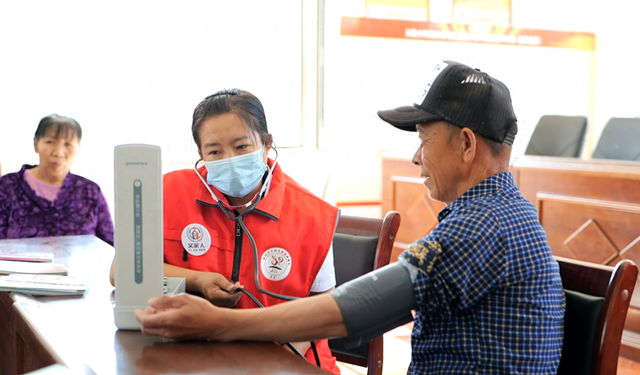
Core Viewpoint - The article highlights the implementation of "Internet + Nursing Services" in Xingan League, which aims to provide high-quality medical care at home for elderly and immobile patients, addressing the pressing needs of the aging population [2][3]. Group 1: Internet + Nursing Services - The initiative allows patients to order home nursing services easily, exemplified by a case where a nurse visited an elderly patient to perform blood tests and coordinate with doctors [1]. - This service model is designed to deliver various medical and psychological support services directly to patients' homes, ensuring comprehensive care for those who are bedridden or have mobility issues [2]. Group 2: Elderly Care System - Xingan League is developing a coordinated elderly care system that integrates home, community, and institutional services, focusing on basic guarantees and shared benefits [2]. - The management structure involves local towns and streets as primary management bodies, with the civil affairs department providing guidance, creating a clear responsibility and accountability framework [2]. Group 3: Six Assistance Services - The "Six Assistance +” service system includes meal assistance, bathing services, medical support, and more, tailored to meet the specific needs of the elderly [3]. - Additional services such as cleaning, emergency assistance, mobility support, daytime care, and short-term foster care are also being expanded, with approximately 600,000 elderly individuals served annually [5]. Group 4: Addressing Special Needs - For elderly individuals facing significant challenges, such as high age or disabilities, the initiative retains manual service options to help them overcome the "digital divide" [6]. - The plan includes co-locating elderly care facilities with medical institutions to ensure that healthcare access is convenient and integrated, enhancing the quality of life for seniors [6].
这五年,看病少排队、带娃有补贴、转诊少折腾……四川健康福利到账
Si Chuan Ri Bao· 2026-01-21 06:44
Core Viewpoint - The article highlights the significant advancements in healthcare services in Sichuan Province, emphasizing the integration of technology, community health initiatives, and targeted policies to improve public health outcomes and accessibility [5][15]. Group 1: Healthcare Achievements - Sichuan Province has seen an increase in life expectancy to 78.8 years, with maternal and infant mortality rates consistently below the national average for 9 and 18 years respectively [5][15]. - The province has established 65 provincial quality control centers and 1190 municipal centers, leading the nation in the application of electronic medical record systems [5]. - By 2025, Sichuan aims to provide 387,000 childcare positions, addressing the challenges of parenting [10]. Group 2: Technological Integration - The province has implemented smart healthcare solutions, such as AI systems that assist in patient follow-ups and data analysis, significantly reducing the time required for healthcare professionals to manage patient information [6][7]. - AI services from companies like Huawei and Baidu have been integrated into 258 grassroots healthcare institutions, providing assistance to over 20 million patients [7]. - The "Internet + Nursing Services" initiative has led to the establishment of 313 smart hospitals and 496 internet hospitals, enhancing service delivery [8]. Group 3: Community Health Initiatives - Sichuan has focused on vulnerable populations, including the elderly and children, with policies aimed at reducing the financial burden of childcare and healthcare [9][10]. - The "Health Door Knocking Action" has provided free services to over 2.68 million disabled elderly individuals, showcasing the province's commitment to elderly care [10][12]. - The "Panda Health Train" initiative has brought mobile healthcare services to remote areas, improving access to medical care [11][12]. Group 4: Collaborative Healthcare Network - The province has developed a comprehensive healthcare network that facilitates efficient patient referrals and resource sharing among hospitals [13][14]. - Sichuan has established 39 tight-knit urban medical groups and 192 county-level medical communities, enhancing collaboration between urban and rural healthcare services [14]. - The integration of healthcare, insurance, and pharmaceuticals has been prioritized, with a focus on collaborative governance to improve overall health outcomes [15][19].

网约护理让关爱触手可及
Xin Lang Cai Jing· 2026-01-17 18:43
Group 1 - The core service of "online nurse booking" allows patients, especially the elderly and those with mobility issues, to receive professional nursing care at home, significantly improving their healthcare experience [1][2] - The service eliminates the need for family members to transport patients to hospitals, reducing the risk of accidents and the burden of time-consuming hospital visits [2] - The initial offerings of the "online nurse booking" service include essential nursing procedures such as catheter changes, gastric tube insertions, and venous blood draws, addressing the high-frequency care needs of homebound patients [2] Group 2 - The increasing demand for home nursing services is driven by the aging population in China, making "Internet + nursing services" a growing trend in the healthcare industry [3]
广西发布四项卫生健康地方标准
Xin Lang Cai Jing· 2026-01-03 19:18
Group 1 - The core viewpoint of the news is the introduction of four local health standards in Guangxi, aimed at improving occupational health and safety in specific industries, which will take effect on March 30, 2026 [1][2] - The standards include guidelines for the prevention and control of occupational disease hazards in stainless steel production and lead-zinc, copper smelting industries, focusing on engineering and personal protective measures [1] - The "Internet + Nursing Services" standard outlines a model for providing nursing care to discharged patients and those with mobility issues, enhancing home care services [1] Group 2 - The "Medical Helicopter Emergency Transfer Standard" is the first local standard in Guangxi for air medical rescue, detailing specific requirements for each stage of helicopter emergency transfer [2] - This standard is significant for promoting the large-scale development of medical helicopter emergency rescue and improving the medical rescue system in the region [2]
四部门联合发布!事关老年护理服务 重磅通知来了!
Zhong Guo Ji Jin Bao· 2025-12-13 23:58
Core Viewpoint - The "Action Plan for Enhancing Elderly Care Service Capacity" has been jointly released by four departments, aiming to address the urgent demand for elderly care services in China as the population aged 60 and above is projected to reach 310 million by the end of 2024, accounting for 22% of the total population [1][5]. Group 1: Action Plan Goals - By 2027, the plan aims to effectively expand elderly care resources, improve the elderly care service system covering institutions, communities, and home care, enhance the service capacity of personnel, and continuously improve the quality and accessibility of elderly care services [10][11]. Group 2: Key Tasks - The plan outlines six key tasks: 1. Expand the supply of elderly care resources 2. Strengthen the construction of the elderly care service system 3. Diversify elderly care service models 4. Improve the service capacity of elderly care personnel 5. Ensure the quality and safety of elderly care services 6. Enhance elderly medical care services [11][12][13][14][15][16][17]. Group 3: Resource Supply and System Construction - Local health authorities are encouraged to plan and increase elderly care service supply based on the aging population and service demand, with a focus on establishing nursing homes or centers in cities with significant elderly populations [12][11]. - A collaborative model among medical institutions is to be developed to extend elderly care services from institutions to communities and home settings, with a target of having 90% of community health service centers and township hospitals staffed by qualified nurses by 2027 [12][11]. Group 4: Service Diversification and Technology Integration - The plan promotes the use of "Internet + Nursing Services" to provide professional home care for elderly patients with mobility issues, leveraging information technology and encouraging the application of artificial intelligence in elderly care [14][13]. Group 5: Personnel Training and Quality Assurance - Training programs for elderly care personnel are to be implemented, aiming for 95% participation in training by 2027, while ensuring quality control and monitoring of care services through various safety indicators [15][16]. Group 6: Continuous Improvement of Services - Medical institutions are required to enhance elderly care services continuously, focusing on personalized care based on the specific needs of elderly patients, and improving the overall experience of elderly patients in medical settings [17][16].
四部门联合发布
Zhong Guo Ji Jin Bao· 2025-12-13 11:40
Core Viewpoint - The "Action Plan for Enhancing Elderly Care Service Capacity" has been jointly released by four government departments in China, aiming to address the urgent demand for elderly care services as the population aged 60 and above is projected to reach 310 million by the end of 2024, accounting for 22% of the total population [1][5][7]. Group 1: Key Tasks - The plan outlines six key tasks: expanding elderly care resource supply, strengthening the elderly care service system, diversifying elderly care service models, improving the service capacity of elderly care personnel, ensuring the quality and safety of elderly care services, and enhancing elderly medical care services [1][9][10][14][15]. Group 2: Resource Expansion - It encourages the establishment of at least one nursing home or center in major cities with a significant elderly population and promotes the increase of elderly care service beds in grassroots medical institutions based on local needs [2][9]. Group 3: Service System Construction - The plan aims to create an integrated elderly care service model that extends from institutions to communities and home care, ensuring a comprehensive care system that addresses acute, chronic, and end-of-life care needs [10][12]. Group 4: Training and Capacity Building - By 2027, the plan targets that 95% of elderly care professional nurses in the region will have participated in training programs to enhance their service capabilities [13]. Group 5: Quality Assurance - The plan emphasizes the importance of monitoring key quality indicators in elderly care services, such as the incidence of pressure injuries and unplanned extubations, to ensure safety and quality in care delivery [14]. Group 6: Implementation and Coordination - Local health authorities are tasked with integrating the elderly care service enhancement into their agendas, coordinating resources, and collaborating with insurance departments to support the development of the elderly care service system [16].
天津:全面推行住院免陪照护模式 护理服务提质惠民
Zhong Guo Xin Wen Wang· 2025-12-11 02:10
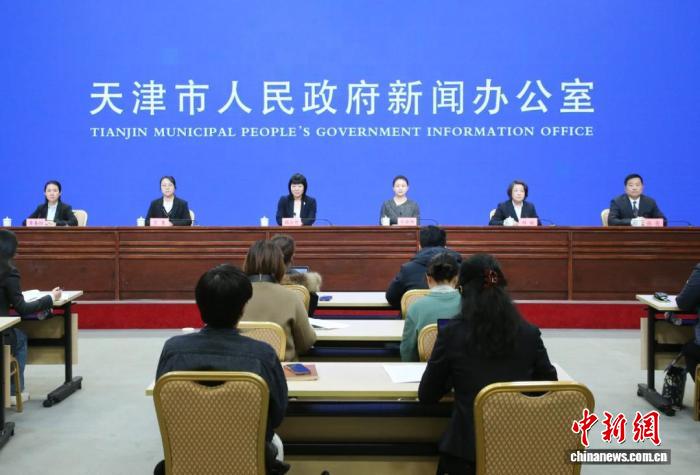
Group 1 - The core viewpoint of the article highlights Tianjin's efforts to enhance nursing services and address the challenges of an aging population through various initiatives, including the implementation of a no-accompaniment care model in hospitals [1][4]. Group 2 - Tianjin has made significant progress in building a high-quality professional nursing workforce, with over 54,000 registered nurses and the training of 1,282 specialized nurses in 11 fields, including elderly care and emergency services [3]. - The city has established 37 standardized wards for elderly care, promoting a shift from traditional care models to standardized practices, and has improved the medical environment to reduce risks for elderly patients [3][4]. - The no-accompaniment care model has been fully implemented in Tianjin, with 34 medical institutions and 247 wards participating, allowing nurses to manage professional care while assisting staff handle daily living needs, thereby reducing the burden on families [4].
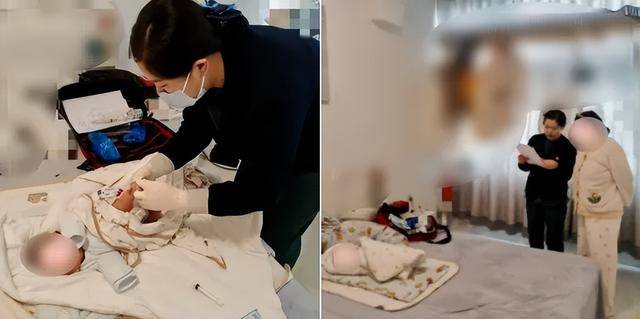
区域医疗中心建设赋能“互联网+护理服务”——榆林市第一医院绥德院区跨城守护新生儿健康
Sou Hu Cai Jing· 2025-11-26 11:12
Core Points - The Yulin First Hospital Suide Branch is accelerating the construction of a regional medical center in the southern counties, utilizing the "Internet + Nursing Service" platform to enhance maternal and infant health services [1][3] - The hospital is sending specialized obstetric nurses to provide home heel blood sampling services for newborns recently discharged from Zizhou County, addressing challenges faced by families in remote areas [1][3] - This initiative is part of a broader strategy to ensure timely screening for genetic metabolic diseases in newborns, which is crucial within 48 hours to 7 days after birth [1] Group 1 - The hospital's cross-city home service exemplifies the transformation of regional medical center achievements into convenient services for the public, ensuring timely newborn disease screening [3] - The integration of "Internet + Nursing Service" with the five major centers aims to expand maternal and infant care and chronic disease management services, benefiting grassroots communities in the southern counties [3]