产品数智化

Search documents
保时捷中国自建充电站将停止运营 总计约200家
Xi Niu Cai Jing· 2025-12-22 09:38
Core Viewpoint - Porsche China announced the gradual cessation of its self-built charging network, including approximately 200 charging stations, starting from March 1, 2026, as part of an optimization of its high-power charging services to better align with current market demands and user habits [1][3]. Group 1: Charging Network Changes - Porsche China will stop operating its self-built charging network, which includes all high-power DC charging stations, and these services will be removed from the Porsche App and WeChat mini-program [3]. - The adjustment only affects the Porsche Enjoy Charging scenario, while other charging options, such as those at Porsche centers and third-party charging stations integrated into the Porsche charging map, will continue to operate normally [3]. Group 2: Market Context and Financial Performance - Analysts suggest that building self-owned charging stations represents a "heavy asset" investment, and if utilization is insufficient, it can lead to financial pressure for car manufacturers [4]. - Porsche's financial data indicates a revenue of €26.86 billion for the first three quarters of 2025, a year-on-year decline of 6%, and a net profit of €4 million, a dramatic drop of 99%, with an operating profit margin of only 0.2%, down 12.1 percentage points year-on-year [4]. Group 3: Commitment to Electric Vehicles - Despite the cessation of the self-built charging network, Porsche China remains committed to advancing its electric vehicle strategy, with plans to accelerate the introduction of localized digital solutions and the upcoming launch of a new all-electric Cayenne model [3].


瞄准5大趋势4大赛道!广深成为文化产业投资热土
Sou Hu Cai Jing· 2025-11-26 10:12
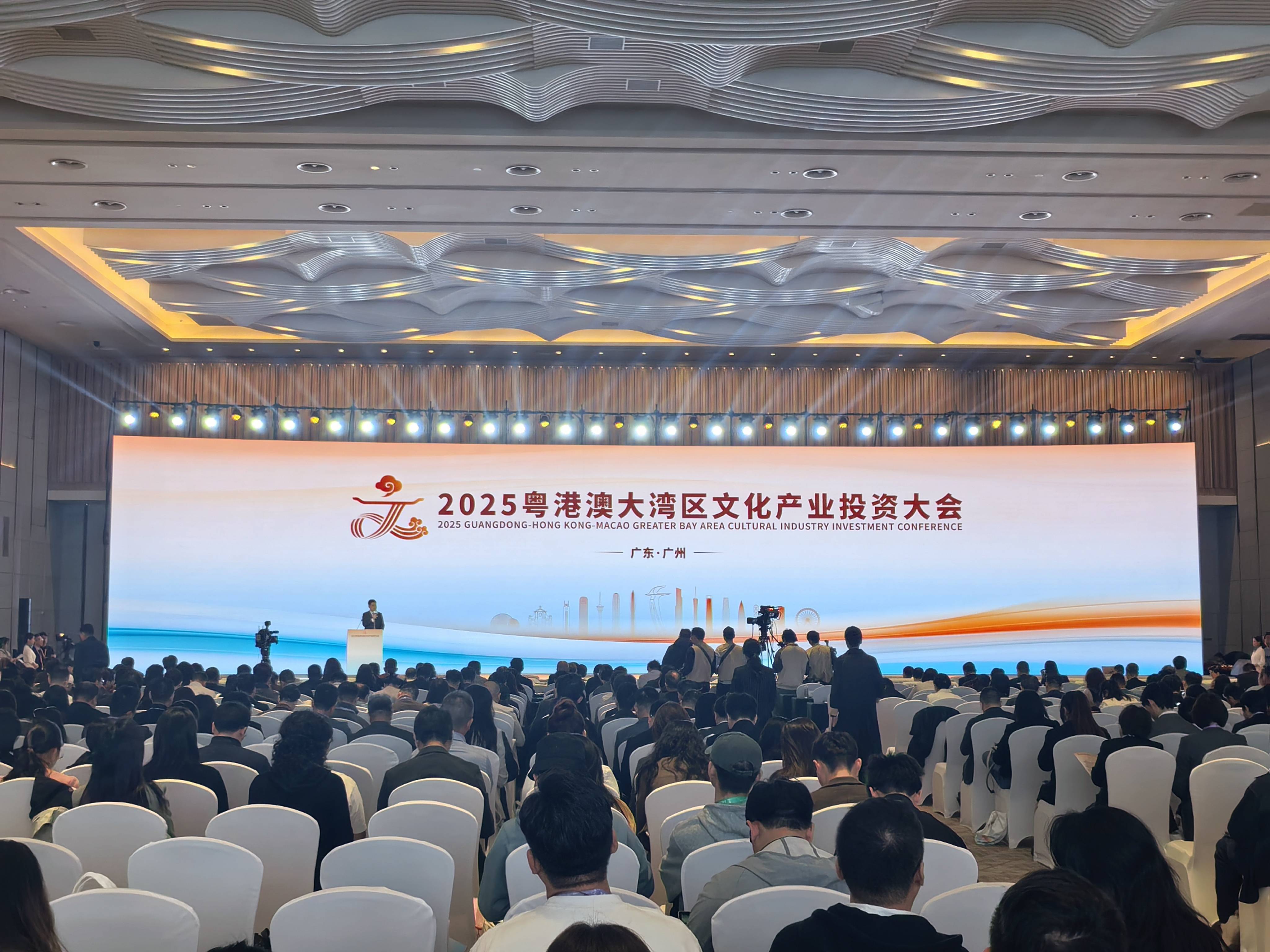
Core Insights - The Guangdong-Hong Kong-Macao Greater Bay Area has a vibrant cultural industry ecosystem and an active financial investment atmosphere, with a focus on integrating culture, finance, and technology [1][4] - The 2025 Greater Bay Area Cultural Industry Investment Conference aims to create a one-stop service platform for cultural project financing, with over 300 cultural enterprises participating [1] - The conference highlighted significant investment trends, with previous events showing a fivefold increase in total financing and a nearly threefold increase in average project financing [1][4] Investment Trends - The 2025 report predicts that Guangdong's cultural industry revenue will exceed 30,252.10 billion yuan in 2024, maintaining its position as the top region in China for 22 consecutive years [4] - In the first three quarters of 2025, Guangdong's cultural enterprises generated over 20,000 billion yuan in revenue and over 2,000 billion yuan in profit [4] - The cultural manufacturing sector is a relative strength for Guangdong, supported by a complete industrial chain covering various cultural products [4] Investment Activity - Investment activities are increasingly concentrated in major regions, with Beijing, Shanghai, and Guangdong being the primary areas attracting investment [4] - Guangzhou and Shenzhen account for 85% of the 720 financing events in the cultural industry from 2020 to October 2025, with a total estimated financing amount of approximately 56.41 billion yuan [4][5] Financing Preferences - The majority of financing events are in the angel round, A round, and strategic investments, indicating strong support for early-stage and strategic development of cultural enterprises [5] - Cultural manufacturing has the highest number of financing events at 370, followed by offline derivatives, AIGC, VR/AR, and gaming, reflecting a preference for tech-driven cultural enterprises [5] Future Trends - The report identifies five key trends for cultural industry investment: consumption stratification, cultural industrialization, product digitization, emerging scenarios, and global market expansion [5] - Four major tracks for investment focus on the integration of culture and technology, digital creative production, intelligent cultural manufacturing, and new cultural consumption [5]