
纯电动Cayenne

Search documents
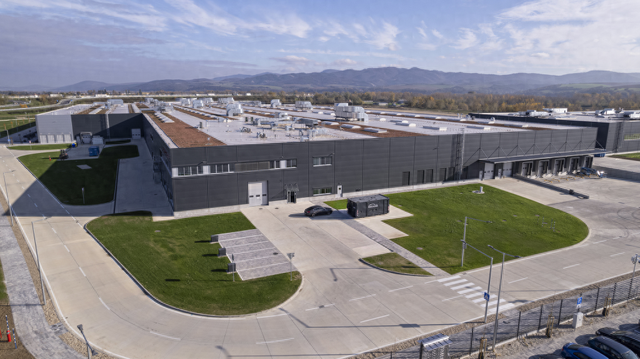
为了纯电动Cayenne的强悍性能,保时捷建造了一座智能电池工厂
Xin Lang Cai Jing· 2026-02-04 04:03
Core Viewpoint - Porsche is taking a bold step in the electric vehicle market by building its own smart battery factory in Slovakia for the new all-electric Cayenne, marking a significant move towards self-sufficiency in battery production and maintaining its performance standards [1][3]. Group 1: Battery Factory and Production - The smart battery factory, covering approximately 40,000 square meters, represents Porsche's first full-process in-house development and production of battery modules, emphasizing its commitment to electric vehicle technology [1][3]. - Construction of the factory began in January 2023, with equipment installation completed by September 2023, and the first battery module expected to roll off the production line by May 2024 [3]. - The factory is strategically located near the Cayenne manufacturing plant in Slovakia, allowing for efficient production and integration [3][11]. Group 2: Battery Technology and Features - The new Cayenne features a high-voltage battery with innovative cell chemistry and intelligent thermal management, which enhances performance and efficiency [3][4]. - The battery, named "function-integrated," consists of six modules and 192 large cells, contributing to reduced weight and increased cabin space while improving vehicle rigidity and lowering the center of gravity [4][6]. - The all-electric Cayenne is equipped with a 113 kWh high-voltage battery, utilizing soft-pack cells and an 800V architecture, achieving a maximum range of 642 kilometers [6][8]. Group 3: Performance and Customization - The top model, Cayenne Turbo, boasts an output power of 850 kW (1,156 PS) and can accelerate from 0 to 100 km/h in just 2.5 seconds, making it the most powerful production model in Porsche's history [6][15]. - The production line allows for flexible manufacturing of the all-electric Cayenne alongside internal combustion and hybrid models, enabling quick adjustments to market demand [13][16]. - The new Cayenne offers extensive customization options, including 13 body colors, 9 wheel styles, and various interior combinations, enhancing the personalization experience for customers [15][16]. Group 4: Quality Control and Future Readiness - Porsche implements strict quality control measures in the battery module production process, utilizing real-time cloud monitoring and precision control in manufacturing processes [10]. - The modular architecture of the battery is designed for future adaptability, allowing for easy replacement of individual battery modules and maintenance [10]. - The integration of advanced technologies and manufacturing expertise positions Porsche to maintain control over key performance and quality standards in the electric vehicle era [10][18].

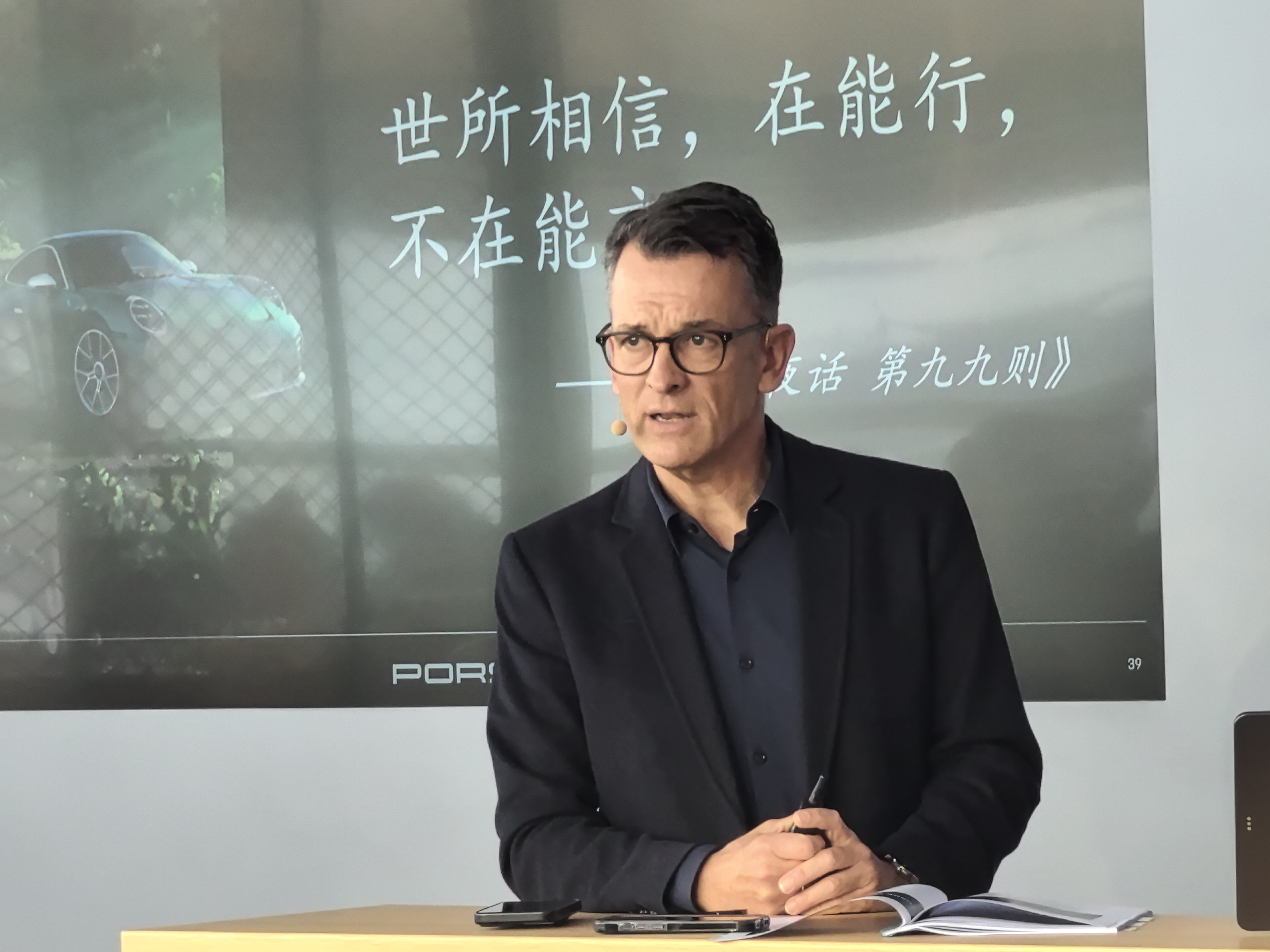
保时捷中国总裁及首席执行官潘励驰:以“质大于量”战略应对车市变局
Zhong Guo Zheng Quan Bao· 2026-01-29 23:09
Core Viewpoint - The Chinese automotive market has maintained growth over the past three years, but luxury and high-end segments are facing significant challenges due to price wars and the rise of domestic brands. Porsche China is navigating these changes by balancing brand heritage with market transformation and addressing trust issues and channel adjustments [2]. Group 1: Trust Crisis and Response - The "Dong'an incident" involving the sudden closure of Porsche centers in Zhengzhou and Guiyang due to operational issues raised concerns about brand credibility, affecting customers who had paid for vehicles but did not receive them [3]. - Porsche China has initiated a rapid response to this crisis, ensuring that customers who have paid will receive their vehicle certificates within the month and offering tailored solutions for those who have paid deposits but have not received their vehicles [3]. - The incident highlighted potential risks in managing dealer networks for luxury brands, emphasizing the need for a balance between expansion and control [3]. Group 2: Open Collaboration and Brand Integrity - In the context of the smart automotive transformation in China, Porsche is open to collaborating with local tech firms but emphasizes "deep co-creation" rather than simple procurement [4]. - Porsche is working with Botai Carlink to develop an infotainment system tailored to Porsche vehicles, ensuring it meets local user habits while aligning with driving characteristics [4]. Group 3: Strategic Optimization in Channels and Products - Porsche China plans to reduce its dealer network from over 100 to 80 by 2026, focusing on quality over quantity in its channels [6]. - The brand is transforming traditional dealerships into immersive centers that integrate new car sales, used car business, and after-sales services, while also exploring temporary pop-up spaces to manage costs and enhance consumer access [6]. - There are currently no specific plans for local production, as Porsche prioritizes maintaining its core values and manufacturing standards, although it remains open to future possibilities [7]. Group 4: Product Development and Market Strategy - Porsche is advancing the development of new B and D class SUVs tailored to the Chinese market, with upcoming electric models and China-exclusive vehicles set to support market stability [7]. - The success of Porsche's "Winning Back China" strategy will not be measured solely by sales but by brand strength, consumer satisfaction, and positive community feedback, reflecting a long-term approach during market adjustments [7][8].
以“质大于量”战略应对车市变局
Zhong Guo Zheng Quan Bao· 2026-01-29 21:02
Core Viewpoint - The Chinese automotive market has maintained growth over the past three years, but luxury and high-end segments are facing significant challenges due to price wars and the rise of domestic brands. Porsche China is navigating these changes while balancing brand heritage and market transformation [1]. Group 1: Brand Reputation and Crisis Management - The "Dong'an Incident" involving the closure of two Porsche centers due to operational issues raised concerns about brand credibility, affecting customers who had paid for vehicles but could not obtain them [2]. - Porsche China has initiated a rapid response to this crisis, ensuring that customers who have paid will receive their vehicle certificates within the month and offering tailored solutions for those who have made deposits but have not received their vehicles [2]. - The incident highlights potential risks in managing dealer networks for luxury brands, emphasizing the need for a balance between expansion and control [2]. Group 2: Innovation and Technology Adaptation - Porsche is open to collaborating with local technology firms to adapt to the smart driving needs of Chinese consumers while maintaining its brand's driving heritage [3]. - The company is working with Baotai Carlink to develop a vehicle infotainment system tailored for Porsche models, ensuring it meets local user habits and integrates well with driving characteristics [3]. - Porsche has set three non-negotiable principles for its smart driving technology: prioritizing safety, focusing on enhancing the driving experience rather than replacing it, and retaining driver control at all times [3]. Group 3: Strategic Optimization and Market Positioning - Porsche China plans to reduce its dealer network from over 100 to 80 by 2026, focusing on quality over quantity in its dealership structure [4]. - The brand is transforming traditional dealerships into immersive centers that integrate new car sales, used car business, and after-sales services, enhancing customer experience [4]. - Porsche is also exploring temporary pop-up spaces to address high rental costs in prime locations, improving consumer access while managing expenses [5]. Group 4: Product Development and Future Plans - There are currently no specific plans for local production in China, as Porsche prioritizes maintaining its core values and manufacturing standards [6]. - The company is advancing the development of new B and D class SUVs tailored to the Chinese market, with upcoming electric models and exclusive offerings aimed at stabilizing market presence [6]. - Success for Porsche in the Chinese market will be measured by brand strength, consumer satisfaction, and community feedback rather than just sales figures, reflecting a long-term strategic approach [6]. Group 5: Overall Market Challenges - Porsche China is responding to the pressures of a declining luxury car market, the rise of domestic brands, and the impact of smart technology with a comprehensive strategy that emphasizes quality over quantity [7]. - The ongoing transformation is viewed as a long-term endurance challenge, with the effectiveness of Porsche's strategies yet to be validated by market outcomes [7].
保时捷潘励驰:以长期主义赢回中国市场
Zhong Guo Qi Che Bao Wang· 2026-01-29 01:32
Core Viewpoint - The luxury and high-end car market in China is experiencing a significant downturn, with a decline of 28% expected in 2025, while the super-luxury segment (>1 million yuan) is projected to drop by approximately 23% [1] Group 1: Market Performance - In 2022, Porsche delivered 42,000 vehicles in China, reflecting a year-on-year decline of 26.3%, nearly halving from peak sales [1] - The downturn is attributed to macroeconomic fluctuations, evolving customer demands, and intensified competition from domestic brands [1] Group 2: Strategic Adjustments - Porsche's CEO emphasized that 2026 will be a pivotal year for recalibrating and regaining market share in China, focusing on quality over quantity without setting specific sales or profit targets [4] - The company plans to shorten R&D cycles and launch new products, including an all-electric Cayenne at the Beijing Auto Show and more models tailored for the Chinese market [4] Group 3: Compliance and Safety Standards - The Ministry of Industry and Information Technology has revised the review requirements for automotive enterprises, effective January 2027, raising standards for R&D capabilities and production consistency to mitigate safety and quality risks [6] - Porsche maintains three core principles during its electrification process: prioritizing safety, centering on driver experience, and ensuring the availability of a steering wheel regardless of the level of autonomous driving [6] Group 4: Retail Strategy - To address declining sales, Porsche will reduce its dealership count to 80, focusing on enhancing quality and efficiency rather than expanding service [7] - The revamped 4S stores will integrate new car sales, used car business, and after-sales services, optimizing the customer experience [7] Group 5: Used Car Market Expansion - Porsche aims to expand its used car business, capitalizing on the projected growth of China's used car market, which is expected to exceed 20 million transactions in 2025 [9] - The company has allocated significant space in its dealerships for displaying used cars, aligning with market trends [9]
2025年在华销量大跌26%,保时捷中国CEO:行业正在洗牌,已制定路线图“赢回中国”
Mei Ri Jing Ji Xin Wen· 2026-01-17 06:05
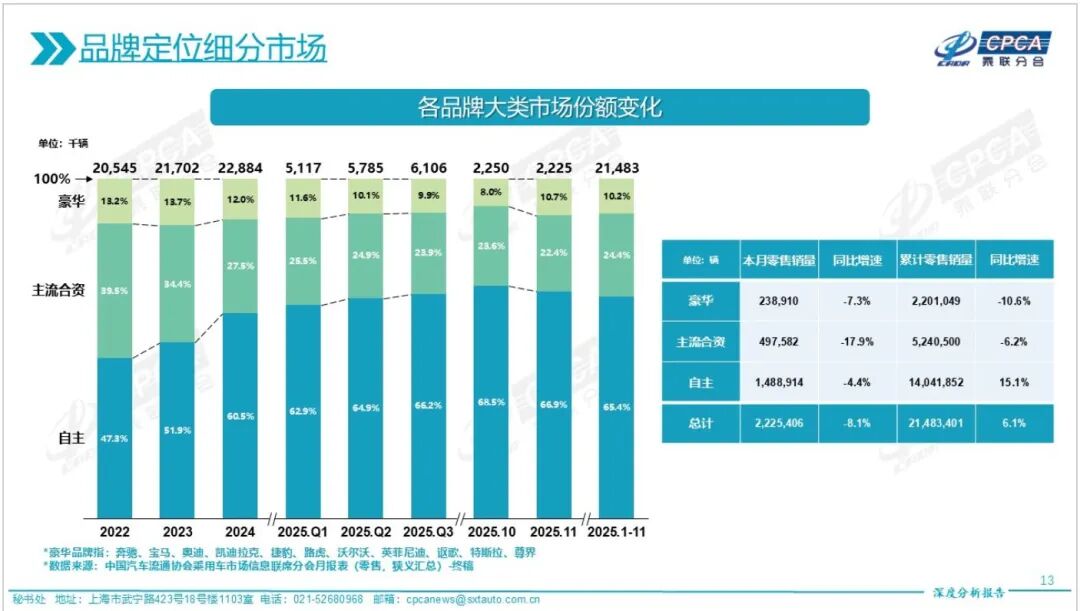
Core Insights - Porsche aims to deepen its commitment to the Chinese market, viewing it as a strategic innovation engine for the next 3 to 5 years, despite facing challenges such as a projected 26% decline in sales in 2025 compared to the previous year [1][2] - The company is adjusting its dealer network and establishing a local R&D center to enhance adaptability and resilience in the Chinese market [1][8] Sales Performance - Porsche's global sales are expected to reach approximately 279,000 units in 2025, with around 42,000 units from the Chinese market, reflecting a 26% year-on-year decline [1] - The overall luxury car market in China is under pressure, with luxury brand sales down 10.6% year-on-year for the first 11 months of 2025, totaling about 2.201 million units [2] Market Strategy - Porsche's strategy includes a focus on value-oriented sales rather than just volume growth, especially in light of increased competition in the luxury car segment, particularly in electric vehicles [4][9] - The company plans to optimize its dealer network from approximately 150 outlets in 2024 to around 80 by the end of 2026, aiming to cover all core cities effectively [6][8] Product Development - Porsche is committed to electric vehicle development but is adjusting its product lineup to include more internal combustion engine models, reflecting the competitive landscape in the ultra-luxury segment [4][5] - A new local R&D center was established in November 2025, which will allow for faster development cycles and the introduction of a new infotainment system tailored for the Chinese market in 2026 [8] Future Outlook - The luxury car market is expected to continue facing challenges in 2026, with increased competition and market restructuring, but Porsche remains cautiously optimistic about its prospects [4][9] - The company emphasizes a comprehensive transformation strategy in China that goes beyond product and channel adjustments, aiming for systemic and localized changes across various aspects of its operations [8]
保时捷中国宣布:将关停所有自建充电站!
Mei Ri Jing Ji Xin Wen· 2025-12-22 10:46
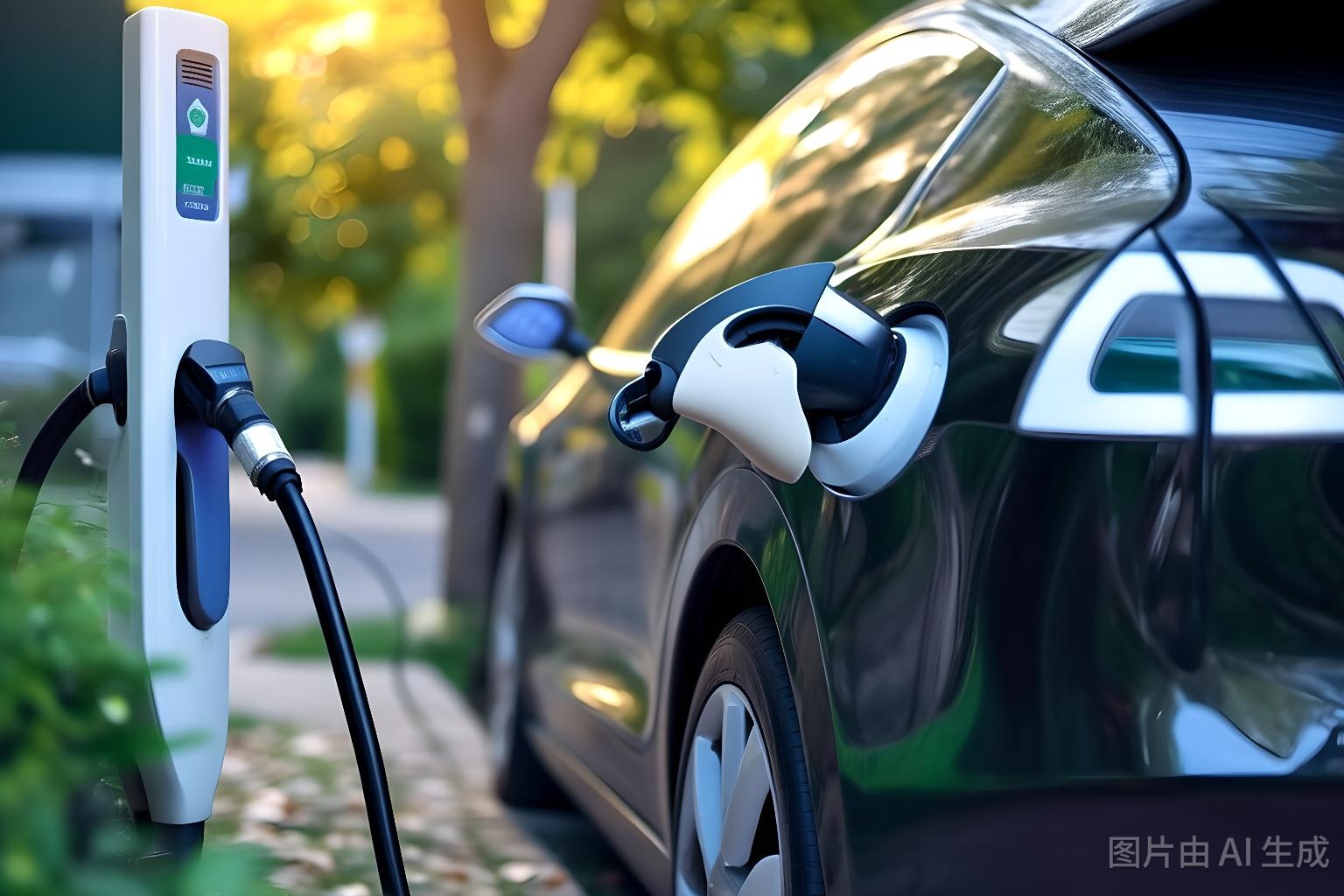
Core Viewpoint - Porsche will gradually cease operations of its self-built charging network starting March 1, 2026, involving approximately 200 charging stations across major cities and key transportation routes in China [1][3]. Group 1: Charging Network Changes - Porsche confirmed that the "Porsche Exclusive Charging Service," including all self-built high-power DC charging stations, will be discontinued and removed from the Porsche App and WeChat mini-program [1][3]. - The transition reflects Porsche's shift from self-built charging stations to a more open ecosystem, aiming to enhance the breadth and flexibility of charging services by collaborating with leading third-party charging operators [1][3]. - Other charging scenarios, such as those located at Porsche centers and third-party brand charging stations integrated into the Porsche charging map, will continue to operate normally [1][3]. Group 2: Financial Performance - Porsche's sales revenue for the first three quarters of 2025 was €26.86 billion, a 6% year-on-year decline, while operating profit plummeted to €40 million from €4.035 billion in the same period last year, marking a 99% drop [4]. - The decline in profit is attributed to multiple pressures, primarily due to strategic adjustments leading to significant expenditures, including delays in electric vehicle launches and the termination of battery production plans, resulting in an additional cost of approximately €2.7 billion [4]. Group 3: Market Position and Strategy - Since entering the Chinese market in 2001, Porsche's sales have consistently increased, with China becoming its largest single market by 2015, and sales nearing 100,000 units in 2021, the highest in its history [4]. - The luxury car brand's exclusive charging stations cater to a high-end, specialized user base, many of whom may have private charging solutions, differentiating them from mainstream electric vehicle users [3].
保时捷中国自建充电站将停止运营 总计约200家
Xi Niu Cai Jing· 2025-12-22 09:38
Core Viewpoint - Porsche China announced the gradual cessation of its self-built charging network, including approximately 200 charging stations, starting from March 1, 2026, as part of an optimization of its high-power charging services to better align with current market demands and user habits [1][3]. Group 1: Charging Network Changes - Porsche China will stop operating its self-built charging network, which includes all high-power DC charging stations, and these services will be removed from the Porsche App and WeChat mini-program [3]. - The adjustment only affects the Porsche Enjoy Charging scenario, while other charging options, such as those at Porsche centers and third-party charging stations integrated into the Porsche charging map, will continue to operate normally [3]. Group 2: Market Context and Financial Performance - Analysts suggest that building self-owned charging stations represents a "heavy asset" investment, and if utilization is insufficient, it can lead to financial pressure for car manufacturers [4]. - Porsche's financial data indicates a revenue of €26.86 billion for the first three quarters of 2025, a year-on-year decline of 6%, and a net profit of €4 million, a dramatic drop of 99%, with an operating profit margin of only 0.2%, down 12.1 percentage points year-on-year [4]. Group 3: Commitment to Electric Vehicles - Despite the cessation of the self-built charging network, Porsche China remains committed to advancing its electric vehicle strategy, with plans to accelerate the introduction of localized digital solutions and the upcoming launch of a new all-electric Cayenne model [3].
创纪录!美国3月贸易逆差激增至1620亿美元;一线城市开启买房送学位,广州南沙率先落地;税务总局曝光网络主播偷逃税五大手法|早报
Di Yi Cai Jing· 2025-04-30 00:31
Group 1 - The Chinese government is launching a campaign to eliminate market access barriers to promote a unified national market [2] - The National Development and Reform Commission has allocated an additional 81 billion yuan in special bonds to support the consumption of old goods [3] - The Ministry of Human Resources and Social Security is implementing a special action to protect the rights of new employment form workers [5] Group 2 - The National Development and Reform Commission and the National Energy Administration are accelerating the construction of the electricity spot market, aiming for full coverage by the end of 2025 [6] - The Market Supervision Administration is guiding the catering industry to enhance service standards and promote integrity in operations [7] - The State Taxation Administration has exposed five common tax evasion methods used by online streamers and is strengthening regulatory measures [8] Group 3 - The China Meteorological Administration has released the first "Artificial Intelligence Meteorological Application Service Measures" to promote the healthy development of AI in meteorology [9] - The People's Bank of China is advancing the use of blockchain for cross-border tax payments and digital currency in fiscal and governmental sectors [10] - The China Passenger Car Association reported that in the first quarter of 2025, global car sales reached 22.64 million units, with China accounting for 33% of the market share [11] Group 4 - The Beijing government aims to achieve significant breakthroughs in next-generation blockchain core technologies by 2027 [12] - The Guangzhou Nansha District has officially implemented a policy of providing school placements with home purchases [13] - Jiangsu Province is promoting the construction of smart factories among over 10,000 industrial enterprises [14][15] Group 5 - The Canadian Liberal Party, led by Prime Minister Mark Carney, has formed a minority government following the recent federal election [22] - The U.S. trade deficit surged to a record $162 billion in March, driven by businesses stockpiling goods ahead of tariffs [20] - The BRICS foreign ministers' meeting emphasized cooperation among southern countries and the importance of mutual respect and understanding [29] Group 6 - Porsche China clarified that recent statements regarding competition with Xiaomi were misinterpreted, reaffirming its commitment to electric vehicle development [30] - Nvidia denied reports about plans to establish a joint venture in China amid export restrictions [30] - The U.S. stock market saw gains, with the Dow Jones rising 0.75% and notable movements in tech stocks [34]
保时捷中国称“不将小米当对手”是误读;丰田汽车计划推出氢动力电动卡车丨汽车交通日报
创业邦· 2025-04-29 09:30
1.【丰田汽车计划推出氢动力电动卡车】丰田汽车表示,计划推出氢动力电动卡车,这是该公司在替代燃 料领域的几项投资之一。这家日本汽车制造商周一表示,其氢燃料电池驱动的8级重型电动卡车是一项努 力的一部分,旨在减少为其位于南加州的北美零部件中心服务的柴油动力牵引拖车数量。该公司表示, 这些卡车正在结束试点阶段。该公司还计划为这些卡车增设一个加氢站,并正与液化空气集团(Air Liquide)和Iwatani合作,为该加氢站采购和输送液氢。该公司还计划进一步投资于氢能生态系统。(新 浪财经) 2.【特斯拉宣布Semi工厂建成,有望明年量产,价格或大幅上涨】据美国电动汽车网站Electrek报道,特 斯拉有望在2026年实现Semi电动半挂卡车的量产。过去两年,特斯拉一直致力于在内华达州超级工厂附 近建造一座新工厂。当地时间周一,特斯拉公布了该厂的最新进展,确认工厂已经完成建设,现在正在 部署生产线。特斯拉此前曾表示,目标是到2025年实现Semi量产,但现在预计将于今年年底开始生产, 明年开始提速。最近有报道称,特斯拉Semi的一个早期客户表示,这款卡车的价格比最初预期的出现 了"大幅"上涨,导致他们不得不将订单从 ...




保时捷中国可能停售电动车?官方回应:系误读,仍将坚定不移推进电动化进程
news flash· 2025-04-29 00:57
Core Viewpoint - Porsche China has clarified that reports about potentially halting electric vehicle sales in China are a misunderstanding, affirming its commitment to advancing electrification in the market [1] Group 1 - Porsche's Chairman, Oliver Blume, indicated that electric vehicle sales in China are "relatively low" and suggested a possible halt in sales over the next two to three years [1] - Porsche China emphasized that it will continue to push forward with its electrification strategy and will accelerate the provision of localized digital solutions [1] - The next all-electric model to be launched by Porsche will be the new all-electric Cayenne [1] Group 2 - Porsche has maintained a strong appeal among Chinese consumers for over two decades, leveraging its unique sports car heritage [1] - The company aims to continue delivering exhilarating Porsche sports cars to its users in China [1]