产城一体化

Search documents
市领导带队调研秀洲区东秀湖板块
Xin Lang Cai Jing· 2026-02-25 23:03
Group 1 - The core focus of the article is the development and construction progress of the Dongxiuhu area in Xiuzhou District, which aims to enhance infrastructure, living facilities, and innovative industries with a target to start the first phase of projects in 2026 and complete by 2030 [1][2] - The Dongxiuhu area is defined by specific geographical boundaries and includes the organic renewal area of the Muqiao Port North District and the joint development area of Dongxiuhu [1] - High Linghui, the director of the Municipal People's Congress Standing Committee, acknowledged the preliminary work and achievements of the Xiuzhou District in promoting the construction of the Dongxiuhu area [2] Group 2 - High Linghui emphasized the importance of a unified approach in city planning and the need for top-level design to enhance the core functions of the main urban area [2] - The article highlights the necessity for integrated development of industry and city functions, focusing on attracting projects and optimizing industrial layout to enhance population and collaborative efforts [2] - The Municipal People's Congress will continue to support the development of Xiuzhou, aiming to elevate the capabilities of the central urban area [2]
重庆登顶消费第一城,武汉长沙合肥能中部城市崛起?
Sou Hu Cai Jing· 2026-02-10 05:55
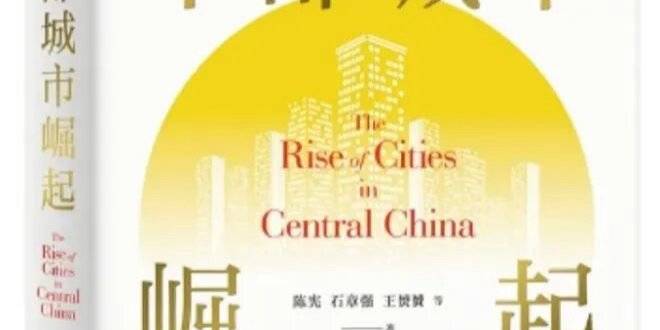
Core Viewpoint - The article discusses the rise of central cities in China, highlighting the economic growth and development opportunities presented by the national strategy of "Central Rise" and the integration of industry, culture, and tourism as key drivers for this transformation [2][4][76]. Economic Growth - The total GDP of the six central provinces reached 5.55 trillion yuan in the first half of 2024, with a year-on-year growth of 8.9%, slightly below the national average of 11.4% [2][3]. - Wuhan leads the central region with a GDP of 997.5 billion yuan, followed by Zhengzhou at 903.4 billion yuan, showcasing their strengths in high-end manufacturing and modern services [3][8]. Urban Development Models - The article emphasizes the need for a "production-city integration" model, which combines industrial development with urban planning, infrastructure, and public services to create a mutually beneficial relationship between industry and urban life [3][4]. - Central cities are responding to national strategies and seizing new opportunities, with cities like Wuhan, Changsha, Zhengzhou, and Hefei emerging as leaders in this transformation [4][76]. Cultural and Tourism Integration - Cultural tourism has become a new engine for the transformation of central cities, leveraging rich historical and natural resources to develop unique local tourism projects [4][24]. - The integration of culture and tourism is seen as essential for enhancing the competitiveness of central cities, yet many face challenges in effectively combining these sectors [26][30]. Challenges Faced by Central Cities - Central cities struggle with branding, lacking a memorable and representative "super IP" that can effectively communicate their unique identities [26][28]. - There is a disconnect between cultural tourism and industrial development, with both sectors often operating independently without synergy [30][32]. Future Development Strategies - The article suggests that central cities should focus on identifying and leveraging their unique cultural and industrial strengths to create distinctive brands and improve their market presence [54][57]. - Emphasis is placed on the importance of collaboration among government, enterprises, and society to achieve a cohesive brand strategy that integrates industry, culture, and urban development [58][60].