人口出生率下降

Search documents
日本2025年新生儿数量再创新低 连续10年下降
Jin Rong Jie· 2026-02-26 06:14
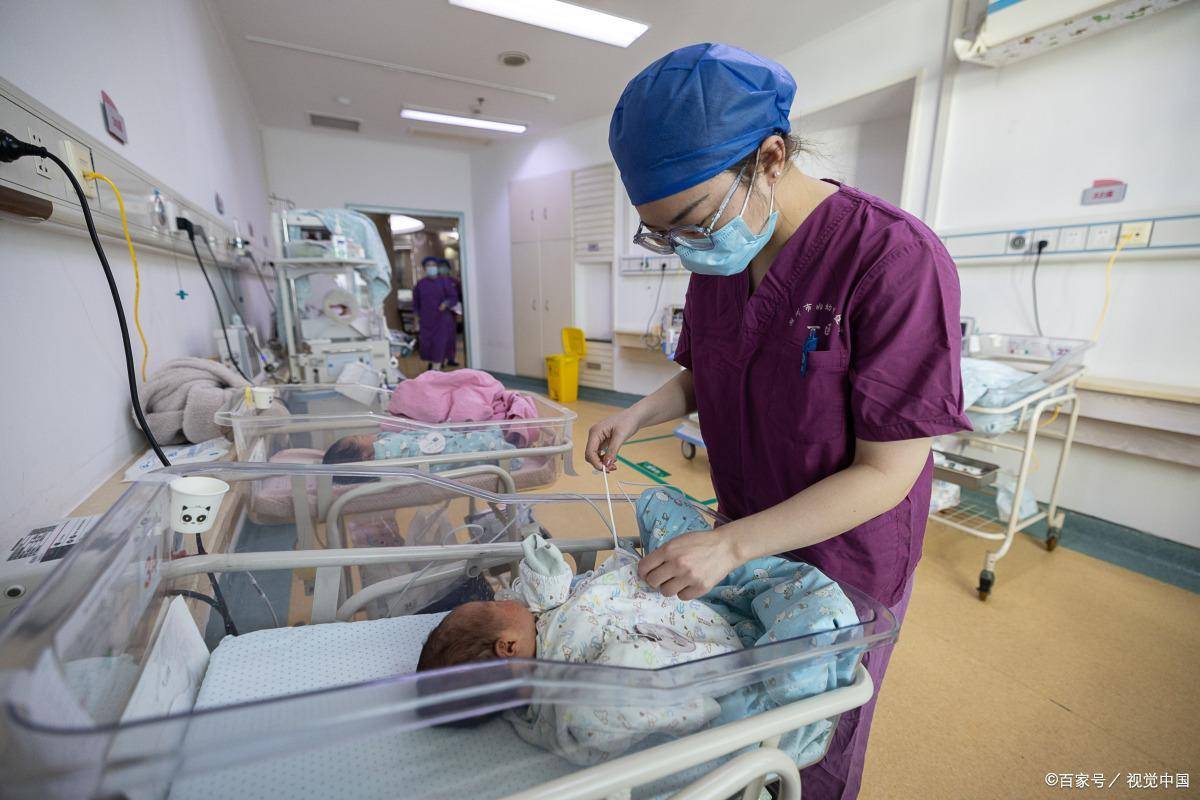
Core Insights - The Ministry of Health, Labour and Welfare of Japan reported that the number of newborns, including foreign nationals, is projected to be 705,809 in 2025, marking a historic low [1] - This figure represents a 2.1% decrease compared to the same period last year, continuing a trend of decline for ten consecutive years [1] Summary by Categories Population Dynamics - The total number of newborns in Japan for 2025 is expected to be 705,809, which is the lowest on record [1] - The decline of 2.1% from the previous year indicates ongoing demographic challenges [1] - This marks the tenth consecutive year of decreasing birth rates in Japan [1]
为什么房价死扛不降?曹德旺分析透彻,4个麻烦个个都很棘手
Sou Hu Cai Jing· 2026-01-29 17:08
Group 1 - The domestic real estate market has entered a subtle stalemate since spring 2023, with weak transaction data and declining sales volume and area in the new housing market, while the second-hand housing market is experiencing a surge in listings, particularly in cities like Chongqing, Chengdu, and Shanghai [1][3] - Despite the sluggish market transactions, housing prices remain stable, with the average price of new residential properties in 100 cities at 16,179 yuan per square meter and second-hand residential properties nearing 15,746 yuan per square meter as of June 2023, indicating that purchasing a standard 100 square meter apartment requires at least 1.6 million yuan [3][4] Group 2 - The persistent high housing prices are attributed to their close ties with various industries and local government finances, as highlighted by entrepreneur Cao Dewang, indicating that a collapse in housing prices could trigger a chain reaction affecting the entire economy [4] - The long-term stability of high housing prices poses significant challenges, including exacerbating social wealth disparity, with property owners increasing their wealth while non-owners struggle to afford homes, which threatens social stability [6] - High housing prices are contributing to a declining birth rate, as many young people are deterred from marriage and childbirth due to financial burdens, with newborn numbers dropping from 17.65 million in 2017 to a projected under 8 million in 2023 [6][8] - The inability to lower housing prices is severely weakening consumer spending power, as individuals are forced to take on long-term mortgages, leaving them with limited disposable income for other expenditures [8][10] - Lastly, sustained high housing prices are leading to a prolonged downturn in the real economy, as funds are diverted to the real estate market, resulting in a lack of investment in the real economy, which could be revitalized if housing prices were to decline [10]

韩国一年级新生数量两年下降15% 创新低
Xin Hua She· 2026-01-15 02:08
Group 1 - The South Korean Ministry of Education reported that the number of first-grade students is expected to fall below 300,000 in March, marking a historical low [1] - Approximately 298,000 first-grade students are anticipated to enroll, a decrease of about 15.5% from 353,000 in 2024 [1] - The number of first-grade students has been declining since 1999 when it was around 710,000, dropping to approximately 468,000 in 2009 and fluctuating around 400,000 for over a decade [1] Group 2 - The total number of students in elementary, middle, and high schools is projected to fall below 5 million by the 2026 academic year, with a further decline expected to drop below 4 million by 2031 [1] - The total fertility rate in South Korea has been declining for several years, reaching a record low of 0.72 in 2023, significantly below the 2.1 needed for population stability [2] - The population of youth aged 9 to 24 in South Korea has decreased by 45.4% from approximately 13.98 million in 1985 to about 7.63 million [2]
连续两年人口减少,重庆吸引力下降?真相是→
Di Yi Cai Jing Zi Xun· 2025-12-01 07:09
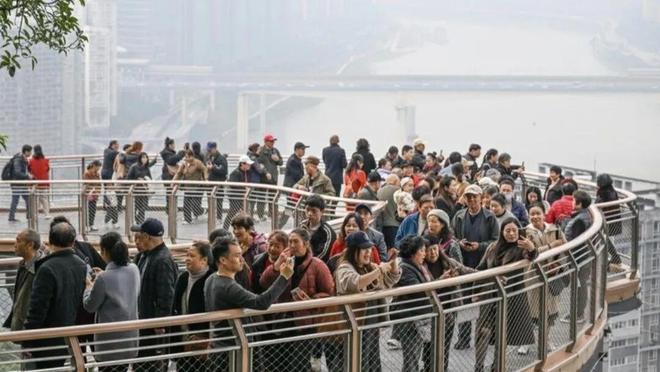
Core Insights - Despite a decrease in the overall population of Chongqing in recent years, the population in the main urban area continues to grow, indicating a strong urban agglomeration effect [2][5] - The total population of Chongqing is projected to be 31.90 million by the end of 2024, with the main urban area accounting for 21.83 million, representing 68.43% of the total population [2][5] - The urban planning strategy aims to accommodate a population of 36 million across three coordinated development regions, with the main urban area identified as a key zone for high-quality development [2][3] Population Trends - Chongqing's overall population growth has reversed, with a decrease of 219,100 in 2023 and an additional decrease of 9,600 projected for 2024 [3][4] - The aging population is a significant factor in the decline, with 8.01 million individuals aged 60 and above, resulting in an aging rate of 25.11%, which is 3.1 percentage points higher than the national average [4][5] - The birth rate in Chongqing has been declining, with 191,000 births in 2024 and a natural population growth rate of -2.88‰ [4][5] Urban Area Dynamics - The main urban area of Chongqing has shown a consistent increase in population, with a recorded population of 21.12 million in 2020, rising to 21.83 million in 2024, marking a growth of approximately 43,600 [5] - The center city area has experienced a population increase of 0.7%, while the surrounding regions have seen slight declines, indicating a concentration of population in the urban core [5] - The urban area has become a primary destination for population inflow from surrounding regions due to its economic development, job opportunities, and rich public resources [5]