
人民币购买力

Search documents
人民币将大幅升值?一文看懂:人民币的真实购买力
Sou Hu Cai Jing· 2026-01-22 03:12
Core Viewpoint - The article argues that the perceived strength of the RMB is misleading, as it is primarily a reflection of low labor costs rather than the currency's inherent value [1][3][10]. Group 1: Currency Strength and Labor Costs - The recent appreciation of the RMB against the USD, with a rise of over 4% within the year, has led many to question whether a significant appreciation is forthcoming [1]. - The apparent purchasing power of the RMB is often misinterpreted; it is not due to the currency's strength but rather the low wages that allow for cheap services [3][10]. - The low cost of services in China, such as delivery and home services, is a result of systemic labor exploitation rather than a reflection of economic superiority [8][10]. Group 2: Consumer Experience vs. Labor Reality - From a consumer perspective, the RMB seems strong due to the affordability of services, but this is misleading as it is built on the back of low wages and overwork [4][12]. - The article highlights that the low prices consumers enjoy are a direct consequence of the exploitation of workers, creating a cycle where everyone is both an exploiter and the exploited [10][19]. - The narrative of the RMB's strength is challenged by the reality that many workers are trapped in low-paying jobs, which undermines the notion of a prosperous economy [21][25]. Group 3: Economic Strategy and Future Directions - China's economic strategy has historically focused on investment and exports, leading to a managed floating exchange rate that prevents drastic fluctuations in the RMB's value [15][17]. - The article suggests that the real measure of the RMB's strength should be based on the dignity and sustainability of labor rather than just currency exchange rates [23][25]. - Recent policy shifts indicate a focus on human capital investment, aiming to elevate labor conditions and create a more equitable economic environment [23].

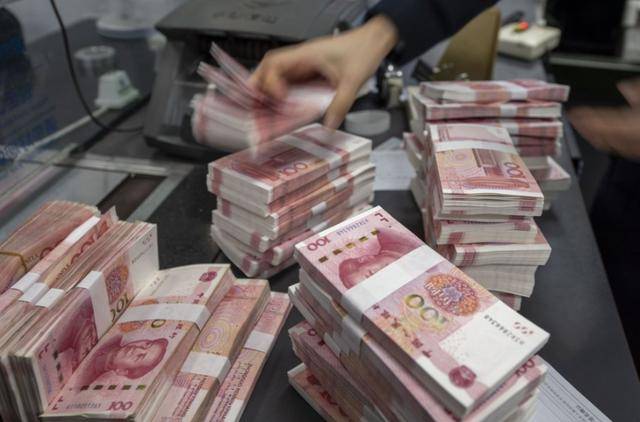
物价低得令人发指,人民币购买力超强
集思录· 2025-04-25 13:48
坐标上海: 蔬菜:生菜0.8元1斤,茼蒿菜2元一大把,香菜4元一斤,萝卜1元 水果:刚上市的西瓜3.5元一斤,鸡蛋芒果10元3斤,大水仙芒果才6.8元 对于发达国家,绿叶菜等那可是奢侈品,一般老百姓吃不起,在荷兰茼蒿卖8欧元1公斤,在 日本萝卜10元一斤,苹果15元1个,西瓜150~200元一个 对于中国人民,蔬菜和水果是完全自由的,想吃多少吃多少,如果把收入换算成蔬菜和水 果,上海等沿海地区人民的收入应该是全世界第一了吧。 这么低的物价,如此强的购买力,近一个月人民币相对于欧元/日元居然跌了10%,不可思 议! 说不出的YD 中国不只蔬菜便宜,还有肉蛋奶、汽车、汽油、教育、养老、医疗、房租,几乎所有的消费 都比世界平均价格低了很多很多,房子不便宜但房租便宜,可以看看蓝战非环游世界时各国 的消费。 但很多人偏偏要每一项都要和世界最低价格比,幸福指数是和想象里的发达国家比,其实人 家的苦自己知道。14亿人过成这样,安全、饿不死、都能用劳动换来生存,我不认为换任何 别的国家能做到。 chenyun1979 如果你月入3000元,还觉得3.5元1斤的西瓜便宜吗?如果你已失业,你还舍得吃6.8元1斤的 芒果吗?看社会 ...