人类意识

Search documents
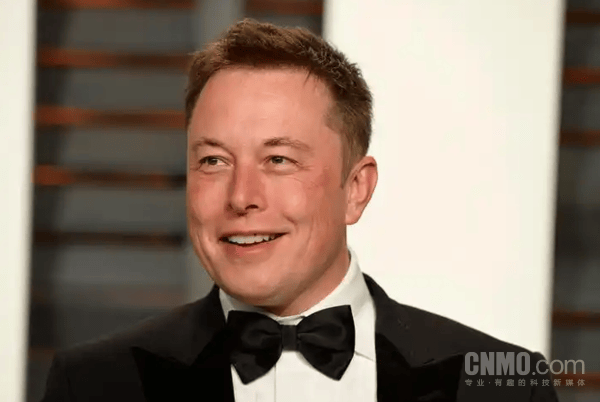
埃隆·马斯克回应地球外星人问题:我就是其中之一
Sou Hu Cai Jing· 2026-01-23 03:34
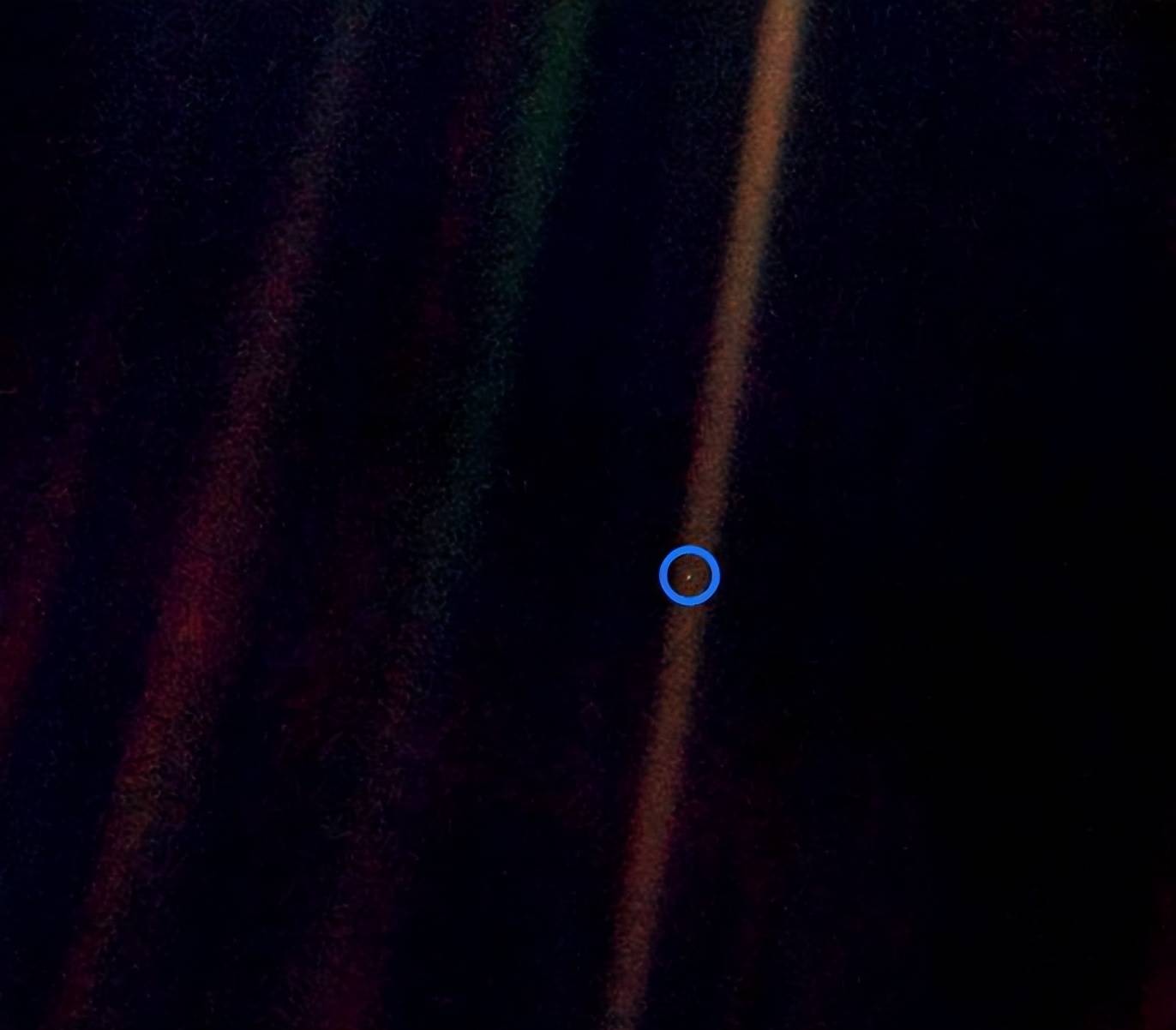
Core Viewpoint - Elon Musk expressed his desire to bring life to other planets during the World Economic Forum in Davos, humorously claiming he might be an alien himself [1][3]. Group 1 - Musk stated that Earth could be the only conscious life form in the galaxy, using humor to lighten the serious topic by joking about his own alien identity [3]. - He has previously made similar claims, suggesting that humanity might be the only conscious species in the galaxy, comparing human consciousness to "a small candle in the vast darkness" [6]. - Musk has indicated that the lack of evidence for extraterrestrial life could be due to civilizations self-destructing before they can explore other solar systems [6].

哪怕是马斯克,也要面对人生的终极之问:人活着究竟是为了什么?
Sou Hu Cai Jing· 2025-12-11 12:32
Group 1 - The core issue in the AI era is the question of "meaning" in life, as many jobs will be taken over by AI and robots, shifting human value towards creativity and significance rather than repetitive labor [1] - Individuals, including both young adults and older generations, often struggle with understanding their purpose and desires, leading to feelings of emptiness and confusion about their existence [1][3] - The pursuit of material wealth and social status often distracts individuals from contemplating the true meaning of life, resulting in wasted time on trivial matters [4] Group 2 - The importance of genuine relationships and sincerity is emphasized, as superficial connections can lead to a life unfulfilled and regrets later on [5] - The quest for life's meaning is a fundamental question that requires personal reflection and experiences to uncover one's true purpose [7] - Expanding human consciousness and addressing profound questions about existence are seen as essential for finding meaning in life, as highlighted by figures like Elon Musk [8][9] Group 3 - The essence of human civilization lies in truth, beauty, and curiosity, which are crucial for navigating the challenges of the AI era [10] - Individuals are encouraged to contribute to civilization by solving problems, whether large or small, to create value and find meaning in their lives [11] - The rise of AI necessitates a focus on philosophy, art, and personal taste as avenues for maintaining human dignity and value in a rapidly changing world [11][12]
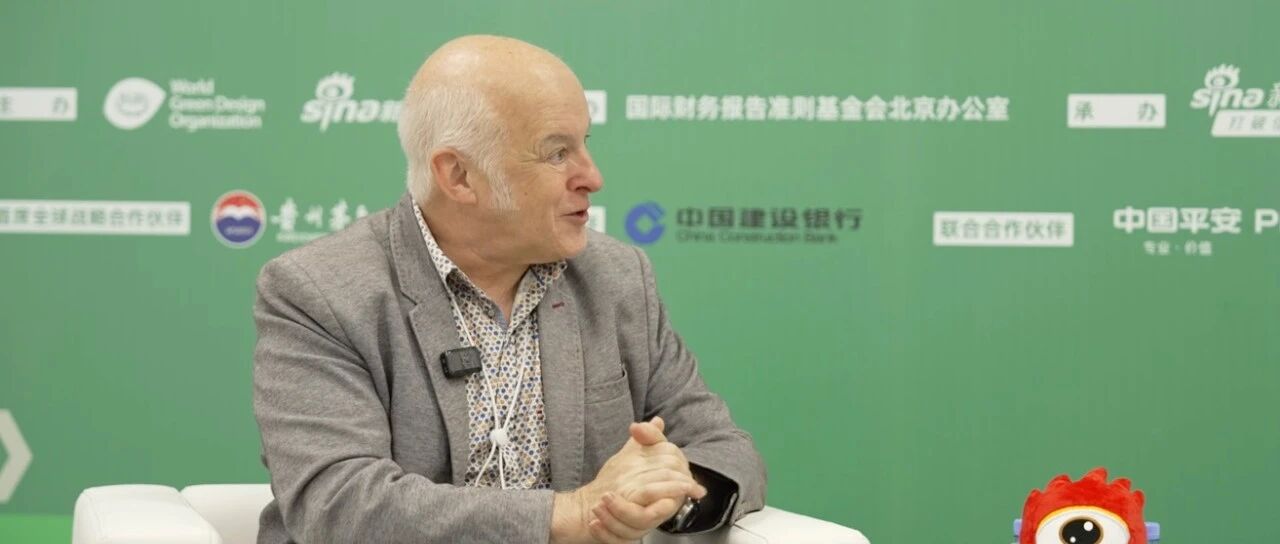
对话马修·科布:我们并不了解大脑 人类不该盲信人工智能
新浪财经· 2025-11-05 10:10
Core Viewpoint - The article discusses the insights of Matthew Cobb, a neuroscientist, on the understanding of the brain, the limitations of artificial intelligence, and the implications of relying on AI in decision-making processes [2][4][6]. Summary by Sections Writing "The Idea of the Brain" - Cobb reflects on the initial invitation to write a history of neuroscience, which he found uninspiring until he recognized that the history of the brain is a "history of metaphor evolution" [5]. - He illustrates how perceptions of the brain have changed with technological advancements, from Descartes' hydraulic model to the computer analogy, emphasizing that these metaphors shape scientific understanding [5]. Understanding the Brain - Cobb asserts that humanity fundamentally does not understand how the brain operates, which is a central message of his book [6][7]. - He highlights the complexity of even simple neural systems, such as those in fruit flies, and the lack of understanding regarding human consciousness and the specific neurons involved [8]. Artificial Intelligence Perspective - Cobb identifies himself as part of the "AI skeptics," arguing that while AI is a powerful tool, it does not replicate human consciousness [9]. - He critiques the belief that expanding AI models will lead to human-like intelligence, stating that consciousness cannot emerge from computational systems [9][10]. Decision-Making and AI - The article discusses the potential dangers of relying on AI for decision-making, particularly in contexts where clear rules are absent, such as in general models like ChatGPT [10][11]. - Cobb warns against blind trust in AI-generated content, citing examples of fabricated references and the risks of automated systems leading to significant errors in critical areas like law and finance [12].