大脑研究

Search documents
对话马修·科布:我们并不了解大脑 人类不该盲信人工智能
新浪财经· 2025-11-05 10:10
Core Viewpoint - The article discusses the insights of Matthew Cobb, a neuroscientist, on the understanding of the brain, the limitations of artificial intelligence, and the implications of relying on AI in decision-making processes [2][4][6]. Summary by Sections Writing "The Idea of the Brain" - Cobb reflects on the initial invitation to write a history of neuroscience, which he found uninspiring until he recognized that the history of the brain is a "history of metaphor evolution" [5]. - He illustrates how perceptions of the brain have changed with technological advancements, from Descartes' hydraulic model to the computer analogy, emphasizing that these metaphors shape scientific understanding [5]. Understanding the Brain - Cobb asserts that humanity fundamentally does not understand how the brain operates, which is a central message of his book [6][7]. - He highlights the complexity of even simple neural systems, such as those in fruit flies, and the lack of understanding regarding human consciousness and the specific neurons involved [8]. Artificial Intelligence Perspective - Cobb identifies himself as part of the "AI skeptics," arguing that while AI is a powerful tool, it does not replicate human consciousness [9]. - He critiques the belief that expanding AI models will lead to human-like intelligence, stating that consciousness cannot emerge from computational systems [9][10]. Decision-Making and AI - The article discusses the potential dangers of relying on AI for decision-making, particularly in contexts where clear rules are absent, such as in general models like ChatGPT [10][11]. - Cobb warns against blind trust in AI-generated content, citing examples of fabricated references and the risks of automated systems leading to significant errors in critical areas like law and finance [12].


脑海漫游 进入“导航”时代(瞰前沿·@科学家)
Ren Min Wang· 2025-07-25 21:59
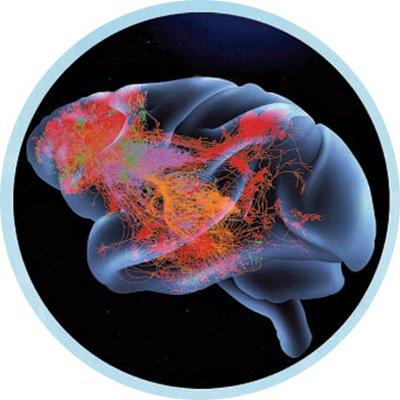
Core Insights - The article discusses the groundbreaking achievements in the "Whole Brain Mesoscopic Neural Connectivity Atlas" project initiated by the Chinese Academy of Sciences, which has produced significant research results published in prestigious journals like "Cell" and "Neuron" [3][4][5] Group 1: Mesoscopic Brain Atlas - The mesoscopic brain atlas is defined as a representation that lies between macro and micro scales, detailing components of the brain such as individual neurons, neural networks, brain regions, and functional areas at the resolution of single neurons [3][4] - Over 300 scientists utilized domestically developed high-precision optical brain imaging technologies over five years to create multiple mesoscopic brain maps covering key species including reptiles, birds, rodents, non-human primates, and humans [3][5] Group 2: Technological Innovations - The most significant breakthrough in the published results is the innovation in the technical system, particularly the development of single-cell resolution spatial transcriptomics technology, which allows for the simultaneous acquisition of cellular spatial location and gene expression information [6] - This technology enables researchers to create detailed maps of brain regions, such as the hippocampus, identifying specific cell types and their roles in diseases like Alzheimer's, thus providing new biomarkers for early diagnosis and differential diagnosis [6][8] Group 3: Future Applications - The research aims to advance from small animals to non-human primates, with the ultimate goal of mapping the human brain at the mesoscopic level, which could lead to significant advancements in understanding brain diseases and developing predictive models for brain health [8][9] - The potential applications of the mesoscopic brain atlas extend beyond academic research, envisioning scenarios where brain diseases could be predicted like weather forecasts, and artificial intelligence could mimic human thought processes [8][9]