
人工智能时代

Search documents
“向阳红20”船上的日与夜︱新春走基层
Zhong Guo Zi Ran Zi Yuan Bao· 2026-02-13 04:12
Core Viewpoint - The article highlights the challenges and determination of the research team conducting the East China Sea section survey, emphasizing the importance of timely completion before the onset of severe weather conditions and the significance of continuous marine research for national development. Group 1: Survey Mission Details - The East China Sea section survey involves a total of 29 sampling stations, with an expected journey of over 1,500 nautical miles, and is particularly challenging due to harsh winter weather conditions [2][3] - The research vessel "Xiangyanghong 20" is tasked with completing the survey before February 6, when a strong cold front is expected to impact the area, potentially delaying operations [3][4] - The team consists of 10 skilled members working in shifts to cover over 20 parameters related to marine hydrology, meteorology, and chemistry [4][6] Group 2: Operational Challenges - The team successfully completed the northern line of the survey after 20 hours of continuous work, demonstrating their capability and teamwork under difficult conditions [6][8] - The vessel faced significant challenges due to high winds and waves, requiring careful coordination and safety measures during operations [10][19] - Despite adverse conditions leading to some team members experiencing seasickness, the team adjusted personnel to maintain operational efficiency [22] Group 3: Historical Context and Importance - The East China Sea section survey has been conducted since the 1960s without interruption, serving as a foundational marine investigation crucial for understanding and managing marine resources [27] - The article emphasizes the need for increased investment in basic marine research, especially in the context of advancing technology and artificial intelligence [27] - The persistence of the research team reflects a deep commitment to marine science, with each survey contributing to a larger understanding of the ocean's dynamics [32]


关注地方两会丨 “人员不好招”与“工作不好找”怪圈何解?姜雪峰委员建言从教育改革着手
Xin Hua Cai Jing· 2026-02-02 15:05
Core Viewpoint - The mismatch between job supply and demand is a result of industrial transformation, technological revolution, and generational change, necessitating policy collaboration to align talent supply with demand [1][2]. Group 1: Causes of Mismatch - The current global landscape is undergoing profound adjustments, with a new wave of technological revolution accelerating industrial upgrades, leading to the disappearance of traditional jobs and the emergence of new demands [2]. - The arrival of the artificial intelligence era is significantly reshaping operational logic across industries, requiring a redefinition of traditional roles and the emergence of new positions, while the talent supply system has not fully adapted to this rapid change [2]. - The employment perspectives of the "Z generation" (born between 1995 and 2009) have shifted significantly, influenced by their upbringing in the digital age, leading to changes in job selection criteria and societal recognition [3]. Group 2: Solutions for Mismatch - Addressing the employment mismatch requires fundamental reforms in the education system, enhancing practical course offerings, and adopting a problem-oriented educational model to improve students' comprehensive abilities [4]. - The establishment of a dual mentorship system involving both academic and industry experts is crucial for aligning education with industry needs, fostering a blend of academic and practical skills in students [4]. - Implementing a full-process internship certification system and creating policies that connect academic training with industry development are essential for bridging the gap between education and employment [5]. Group 3: Building a Stable Employment Ecosystem - Youth employment requires not only alignment from employers but also supportive social policies, such as increasing the supply of affordable rental housing to alleviate concerns for young professionals [6]. - Enhancing the evaluation system for youth innovation and entrepreneurship, along with establishing recognition mechanisms, can encourage more young individuals to engage in industrial innovation [6]. - A collaborative effort involving educational reform, industry engagement, and policy support is necessary to transform structural employment challenges into opportunities for high-quality development [7].
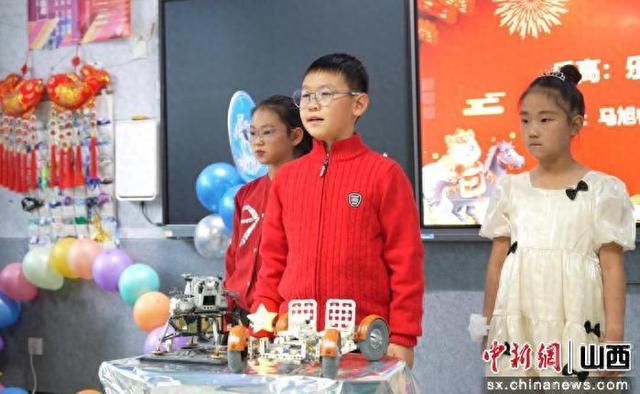
与智能时代同频 太原晋源十小项目化课程打造“未来世界主理人”
Zhong Guo Xin Wen Wang· 2026-01-08 05:57
Core Viewpoint - The article highlights the innovative educational initiatives at Taiyuan's Jinyuan District No. 10 Primary School, focusing on a project-based curriculum that integrates technology and creativity for students, preparing them for the future in an AI-driven world [1][3]. Group 1: Project-Based Curriculum - The school has developed a project-based curriculum for the New Year, structured into four stages: Tech Insight, Tech Creation, Tech Dialogue, and Tech Exchange, tailored to different age groups and cognitive levels [3]. - In the Tech Insight stage, students are encouraged to explore national technological advancements and share their findings, fostering a culture of inquiry and interaction among peers [3]. - The Tech Creation phase involves hands-on activities where students create technology projects, artwork, and AI-generated content, promoting creative thinking and problem-solving skills [3][5]. Group 2: Student Engagement and Expression - The Tech Dialogue stage features diverse activities such as business elite challenges and mock United Nations, allowing students to express their views and engage in discussions, enhancing their individuality and independence [5]. - The project-based learning culminates in an exhibition that showcases the accumulated knowledge and practical experiences of students, connecting their learning journey with the broader school community [5]. - The school adheres to the "博远教育" (Broad Education) philosophy, continuously pushing the boundaries of educational reform and fostering creativity in students [5].
新华财经早报:12月30日
Xin Hua Cai Jing· 2025-12-29 23:23
Group 1: Tariff Adjustments - The State Council Tariff Commission announced the "2026 Tariff Adjustment Plan," which will implement provisional import tariffs lower than the most-favored-nation rate on 935 items starting January 1, 2026 [2] Group 2: Digital Currency Development - The People's Bank of China introduced a plan to enhance the management and service system for digital RMB, transitioning from a cash-based model to a deposit currency model [3] Group 3: Market Regulation - The State Administration for Market Regulation emphasized the need to deepen fair competition governance and strengthen anti-monopoly enforcement, particularly focusing on platform economy regulation [3] Group 4: State-Owned Enterprises Performance - Data from January to November shows that state-owned enterprises had total operating revenue of 7,562.576 billion yuan, a year-on-year increase of 1.0%, while total profits decreased by 3.1% to 371.945 billion yuan [3] Group 5: Global Trade Tensions - The China Council for the Promotion of International Trade reported that the global trade friction index was at 104 in October, with a year-on-year decrease of 7.3% in the monetary value of trade friction measures [3] Group 6: Fund Management Industry - As of the end of November, there were 165 public fund management institutions in China, managing a total net asset value of 37.02 trillion yuan, reflecting an increase of 58.068 billion yuan compared to the end of October [3] Group 7: Insurance Asset Management - The China Banking and Insurance Asset Management Association released guidelines aimed at standardizing data classification and enhancing data security management in the insurance asset management industry [3] Group 8: Corporate Announcements - Various companies announced significant financial activities, including: - Caixin Securities received approval for a public bond issuance of up to 15 billion yuan [8] - Changan Automobile plans to raise up to 6 billion yuan for new energy vehicle projects [8] - Jiuxin Airlines intends to purchase 25 Airbus A320 aircraft for 4.1 billion USD [8]

【环球财经】“人工智能时代”领衔德国年度十大热词
Xin Hua She· 2025-12-29 15:15
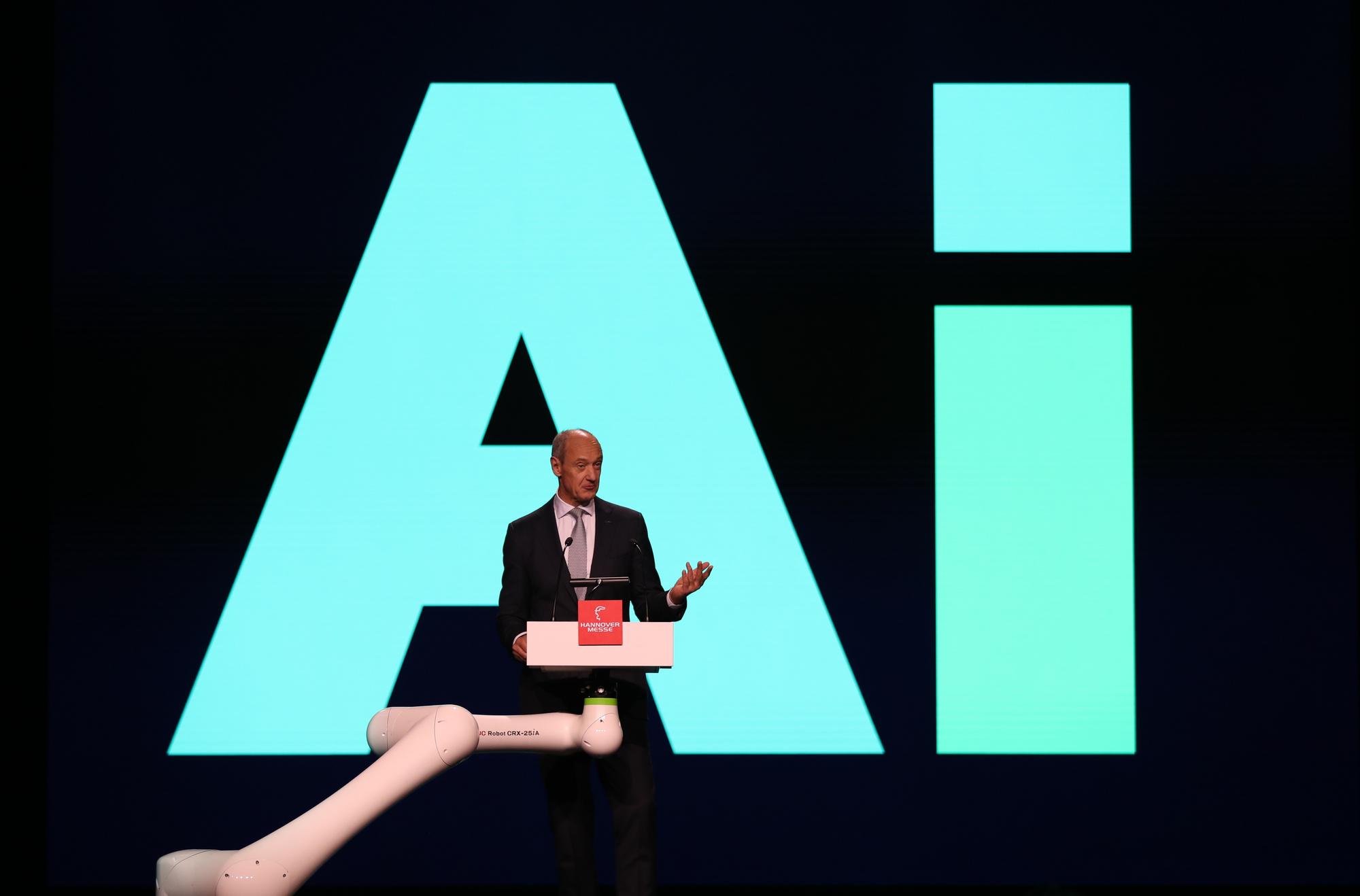
Group 1: Core Themes - The term "Artificial Intelligence Era" reflects the rapid integration of AI into German society, becoming a tool for work, learning, and information access, while also raising concerns about job displacement and ethical risks [2][3] - The term "TikTokification" indicates the influence of social media on the perception of information among the youth, highlighting a shift in how public discourse is shaped by technology [3] Group 2: Economic Pressures - The term "Loss of Living Standards" signifies a decline in public sentiment regarding economic security, as Germany faces consecutive economic contractions in 2023 and 2024, with rising bankruptcy and layoffs [4] - "Punitive Tariffs" and "Deal" reflect external pressures on the German economy, particularly from U.S. tariffs that are impacting German exports and contributing to economic stagnation [4][5] Group 3: Security Considerations - The term "Draft Lottery" emerges in discussions about security policy, as Germany reassesses its defense capabilities amid increasing strategic autonomy in Europe, sparking debate over fairness and individual rights [6] - "Climate Fatigue" illustrates a growing weariness among certain social groups regarding climate protection issues, particularly as living costs rise [7] Group 4: Policy and Governance - The "Special Fund" term highlights a significant fiscal policy initiative, with a proposed €500 billion fund aimed at infrastructure and climate protection, though its effectiveness has been criticized [5]
【特稿】“人工智能时代”领衔德国年度十大热词
Xin Hua She· 2025-12-29 07:08
Core Insights - The top trending word in Germany for 2025 is "Artificial Intelligence Era," reflecting the rapid integration of AI into society and its dual impact on efficiency and job security [1][2] - Other significant terms include "Loss of Living Standards," "Punitive Tariffs," and "Special Fund," indicating economic pressures and policy debates in Germany [3] Group 1: Technological Impact and Social Adaptation - "Artificial Intelligence Era" signifies the societal shift towards AI as a tool for work, learning, and information access, while also raising concerns about job displacement and ethical risks [1][2] - The term "TikTokification" highlights the influence of social media on information consumption among youth, with nearly 70% of 14 to 20-year-olds spending at least two hours daily on social media [1] Group 2: Economic Pressures and Policy Controversies - "Loss of Living Standards" reflects a growing public sentiment regarding economic decline, with Germany facing consecutive economic contractions in 2023 and 2024, leading to increased bankruptcies and layoffs [3] - "Punitive Tariffs" and "Deal" point to external economic pressures from the U.S., particularly regarding tariffs that affect German exports and contribute to economic stagnation [3] - The "Special Fund," amounting to €500 billion, aims to support infrastructure and climate initiatives but has faced criticism for its limited impact [3] Group 3: Security Considerations and Value Adjustments - "Draft Lottery" has emerged in discussions about defense policy, as Germany reassesses its military capabilities amid calls for strategic autonomy in Europe [4] - The term "Climate Fatigue" reflects a societal weariness towards climate issues, exacerbated by rising living costs [5]
哪怕是马斯克,也要面对人生的终极之问:人活着究竟是为了什么?
Sou Hu Cai Jing· 2025-12-11 12:32
Group 1 - The core issue in the AI era is the question of "meaning" in life, as many jobs will be taken over by AI and robots, shifting human value towards creativity and significance rather than repetitive labor [1] - Individuals, including both young adults and older generations, often struggle with understanding their purpose and desires, leading to feelings of emptiness and confusion about their existence [1][3] - The pursuit of material wealth and social status often distracts individuals from contemplating the true meaning of life, resulting in wasted time on trivial matters [4] Group 2 - The importance of genuine relationships and sincerity is emphasized, as superficial connections can lead to a life unfulfilled and regrets later on [5] - The quest for life's meaning is a fundamental question that requires personal reflection and experiences to uncover one's true purpose [7] - Expanding human consciousness and addressing profound questions about existence are seen as essential for finding meaning in life, as highlighted by figures like Elon Musk [8][9] Group 3 - The essence of human civilization lies in truth, beauty, and curiosity, which are crucial for navigating the challenges of the AI era [10] - Individuals are encouraged to contribute to civilization by solving problems, whether large or small, to create value and find meaning in their lives [11] - The rise of AI necessitates a focus on philosophy, art, and personal taste as avenues for maintaining human dignity and value in a rapidly changing world [11][12]

三座中国城市新加入联合国教科文组织学习型城市网络
Xin Hua She· 2025-12-05 03:41
Core Viewpoint - The UNESCO has recognized 72 new cities from 46 countries and regions as part of its Global Network of Learning Cities, including three cities from China: Ningbo, Tianjin, and Shenyang, highlighting their contributions to lifelong education rights [1] Group 1: Contributions of Chinese Cities - Ningbo is noted for its efforts in promoting lifelong learning [1] - Tianjin focuses on supporting education for the elderly, community education, vocational education, and the integration of education and industry [1] - Shenyang is working to expand the accessibility and equity of preschool, compulsory, and vocational education [1] Group 2: Characteristics of Learning Cities - Learning cities are described as vibrant communities where learning is integrated into daily life across schools, workplaces, libraries, homes, and public spaces [1] - These cities create learning opportunities for all citizens, helping workers adapt to the changing job market through retraining and skill enhancement [1] - They also provide literacy education for early school leavers and empower citizens of all ages to participate in shaping the AI era and foster entrepreneurial thinking [1] Group 3: Global Learning Cities Network - The Global Network of Learning Cities was launched in 2013, and with the recent expansion, it now includes a total of 425 cities worldwide [1] - Prior to this expansion, several Chinese cities such as Beijing, Taiyuan, Chengdu, Wuhan, Changzhou, Hangzhou, Shenzhen, Xi'an, Shanghai, Guangzhou, Nanjing, and Suzhou were already part of the network [1]
岁月不改丹青志
Ren Min Ri Bao· 2025-11-22 22:00
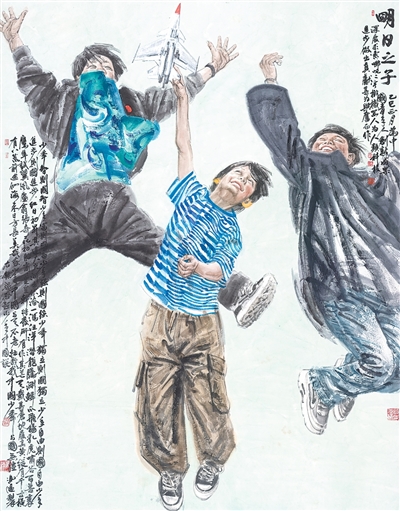
Core Perspective - The exhibition "Mirror of Time - Feng Yuan's Chinese Painting Exhibition" at the National Grand Theatre Art Museum reflects the intertwining of individual growth and societal changes, showcasing Feng Yuan's artistic journey and his thoughts on the modern transformation of Chinese painting [2][3]. Group 1: Exhibition Structure and Themes - The exhibition is divided into four sections: "Ancient Capital Chronicles," "Life Reflections," "Echoes of the Ancients," and "Heaven and Earth Affection," representing Feng Yuan's artistic career and his exploration of modern Chinese painting [2][3]. - Feng Yuan's diverse life experiences, from education to cultural administration, enrich his artistic perspective, allowing him to infuse more varied thoughts into his creations [3]. Group 2: Artistic Focus and Techniques - The "Ancient Capital Chronicles" section emphasizes urban landscapes through Chinese painting, while the "Heaven and Earth Affection" section connects with nature, showcasing the duality of modern city life and traditional landscapes [4]. - Feng Yuan's latest series "Old Beijing Firewood Families" captures the essence of ordinary people's lives in Beijing, reflecting cultural nuances and emotional depth [4]. - He believes that modern urban landscapes will become significant subjects in Chinese painting, particularly "urban landscapes," which represent a new tradition in the evolution of Chinese landscape painting [4]. Group 3: Human Element in Art - The "Life Reflections" section focuses on the authentic state of life through vivid character portrayals, emphasizing the importance of capturing the essence of contemporary individuals, especially in the context of modernization [5]. - Feng Yuan's work "Tomorrow's Son" symbolizes the aspirations of youth and the future of the nation, reflecting his commitment to portraying the ideals of the younger generation [5]. Group 4: Historical Context and Responsibility - The "Echoes of the Ancients" section highlights significant historical events and figures, addressing the lack of representation of such themes in Chinese art history [6][7]. - Feng Yuan feels a personal responsibility to document the era through his art, believing that some artworks hold value beyond monetary worth, serving as cultural and historical records [7]. Group 5: Future of Chinese Painting - Feng Yuan advocates for a modern transformation of Chinese painting, emphasizing the need to balance traditional techniques with contemporary themes and styles [8]. - He poses the challenge for contemporary artists to innovate and explore new expressions of future life, reflecting the evolving cultural landscape in the age of artificial intelligence [8].
互联网入口迈向AI时代! Perplexity推出移动端Comet AI浏览器,正面硬钢谷歌
智通财经网· 2025-11-21 05:04
Core Insights - Perplexity AI has launched the mobile version of its AI-driven Comet browser, extending competition with Google into the Android ecosystem [1] - The integration of AI into web browsers signifies a shift towards AI-native technology, transforming browsers from mere internet gateways to intelligent search interfaces [7] - Major players like OpenAI and Google are also developing AI browsers, indicating a growing trend in the industry [8] Company Developments - Comet browser was initially released in July and widely launched for Mac and Windows in October, featuring an AI assistant that can summarize web content and perform tasks via text or voice commands [2] - Perplexity's AI assistant can analyze multiple open tabs and provide in-depth responses to user queries, although user engagement numbers have not been disclosed [2] - The Comet browser has been designed for mobile devices, maintaining similar functionalities to its desktop version, including ad-blocking features [3] Competitive Landscape - The competition in the AI browser space includes Google, which has integrated its Gemini AI model into Chrome, and Microsoft, which has incorporated its Copilot AI into Edge [4][5] - OpenAI is also exploring a mobile version of its Atlas AI browser, which aims to offer a personalized browsing experience [4] - The increasing focus on mobile traffic, which accounts for 70% of internet usage, drives AI developers and search engine companies to capture more consumer engagement on mobile platforms [3] Industry Trends - The evolution of browsers into AI-driven platforms represents a significant transition from the internet era to the AI era, with AI applications becoming integral to user interactions [7] - The emergence of AI browsers like Comet and Atlas is part of a broader trend towards personalized AI assistants in web browsing, making this technology more mainstream [8] - The demand for AI computing power is expected to surge, as evidenced by Google's recent AI product launches and the investment interest from major investors like Warren Buffett [8]
