
文化认同

Search documents
中华传统思想智慧涵养大学生就业观
Xin Lang Cai Jing· 2026-02-25 22:06
Core Viewpoint - The employment issue of college graduates in China has become a significant topic with both social and strategic implications, especially as the number of graduates is expected to reach 12.7 million by 2026, highlighting the increasing pressure on the job market [1] Group 1: Current Employment Challenges - The structural contradictions in employment are becoming more pronounced, with a coexistence of "jobs available but not taken" and talent shortages in certain fields [1] - There is a tendency among students to view employment merely as a means of survival rather than as a career that embodies values and contributions, leading to a "laid-back" attitude towards job seeking [1] Group 2: Cultural Integration in Employment Education - The integration of traditional Chinese culture into employment education can provide valuable resources and support for shaping students' career values, emphasizing the importance of moral and social responsibility alongside personal gain [2][3] - Traditional cultural ethics align well with modern professional qualities, such as the "craftsman spirit," which emphasizes dedication, quality, and respect for heritage, thus enhancing the cultural depth of vocational education [2] Group 3: Educational Framework for Employment Guidance - A comprehensive educational system that combines curriculum, cultural immersion, and practical experience is essential for instilling traditional cultural values in students [4] - Reforming employment guidance courses to focus on "career value education and comprehensive quality enhancement" is necessary, including topics that connect traditional ethics with modern workplace norms [5] Group 4: Mechanisms for Implementation - Establishing a collaborative mechanism involving various university departments and external cultural resources is crucial for effectively integrating traditional culture into employment education [6] - Building a qualified teaching staff through specialized training and interdisciplinary collaboration will enhance the ability to convey traditional cultural values in employment guidance [6] Group 5: Future Directions - Continuous research and exploration of innovative educational models that reflect the core values of traditional culture while addressing contemporary challenges in youth employment are needed [7] - Emphasizing cultural confidence and integrating global perspectives can provide solutions to common challenges faced by young people in employment and development [7]
海外华侨华人话春晚—— 科技融合传统 连接不同文明
Xin Lang Cai Jing· 2026-02-18 02:52
Group 1 - The 2026 Spring Festival Gala has expanded its global influence, with nearly 4,000 media outlets broadcasting the event and approximately 90 million views on overseas social media platforms [1] - The integration of traditional culture and technological innovation in the gala has been highlighted, showcasing programs that combine artificial intelligence and traditional Chinese opera, enhancing cultural identity for overseas Chinese [1] - The gala serves as an important annual event for overseas Chinese, connecting them with their cultural roots and boosting confidence in China's future development [1][2] Group 2 - The gala features a diverse array of performances, including traditional dances from various cultures, which promotes cultural exchange and understanding [2] - The event has become a significant activity for celebrating the Spring Festival among overseas Chinese, reflecting a mature blend of traditional culture and technological advancements [2] - The gala presents stories and performances that illustrate China's economic and technological progress over the past year, resonating with audiences and honoring various sectors and workers [3]
东西问|周慎:科技如何助力春联、年画突破传播边界?
Xin Lang Cai Jing· 2026-02-17 14:23
Core Viewpoint - The integration of technology, particularly AIGC (Artificial Intelligence Generated Content), is enhancing the cross-cultural dissemination of traditional Chinese cultural elements such as Spring Festival couplets and New Year paintings, making them more accessible and relatable to diverse audiences [3][4][9]. Group 1: Cultural Significance and Application - Spring Festival couplets and New Year paintings serve as a cultural space for overseas Chinese, transcending mere decoration to become significant visual symbols during celebrations [3][4]. - These cultural artifacts create a strong visual impact in places like Chinatowns and shopping malls, contributing to a more open urban cultural landscape [3]. - The practice of pasting couplets is a family ritual that fosters intergenerational cultural transmission, particularly in countries like Malaysia and Singapore [3][4]. Group 2: Advantages in Cross-Cultural Communication - Spring couplets and New Year paintings possess a "high bandwidth, low context" advantage, allowing for effective communication across cultural boundaries through visual symbols [4][6]. - The visual aesthetics of couplets and paintings, characterized by vibrant colors and striking designs, attract attention and facilitate understanding before linguistic comprehension [6][9]. - The positive emotional value associated with auspicious symbols in couplets and paintings resonates universally, providing a sense of comfort and shared hope for a better life [6][9]. Group 3: Localization and Adaptation - Spring couplets and New Year paintings can be localized without losing their core themes, allowing for integration with local languages and cultural symbols [8][9]. - Initiatives in regions like Anhui promote the co-creation of cultural expressions that blend traditional Chinese art with local elements, fostering a sense of shared celebration [8][9]. Group 4: Role of AIGC in Cultural Transmission - AIGC technology addresses traditional communication challenges by enabling context adaptation and visual interpretation, enhancing the understanding of cultural nuances [9][10]. - The technology can facilitate multilingual translations and cultural analogies, making traditional symbols more relatable to international audiences [9][10]. - AIGC can animate static cultural artifacts, allowing them to engage audiences interactively, thereby enhancing the emotional connection to the cultural content [10][12]. Group 5: Future Directions in Cultural Engagement - The potential for AIGC to transform cultural output from a one-way process to a two-way interaction can deepen cultural resonance and community engagement [12][13]. - Developing tools like a "cross-cultural couplet generator" can personalize cultural experiences for local audiences, making them feel included in the celebrations [12][13]. - Interactive technologies, such as AR, can create immersive experiences that allow audiences to engage with cultural symbols in a dynamic way, reinforcing their significance [12][13].

热气腾腾的中国年|村宴里藏着最滚烫的中国年味儿
Xin Lang Cai Jing· 2026-02-16 11:54
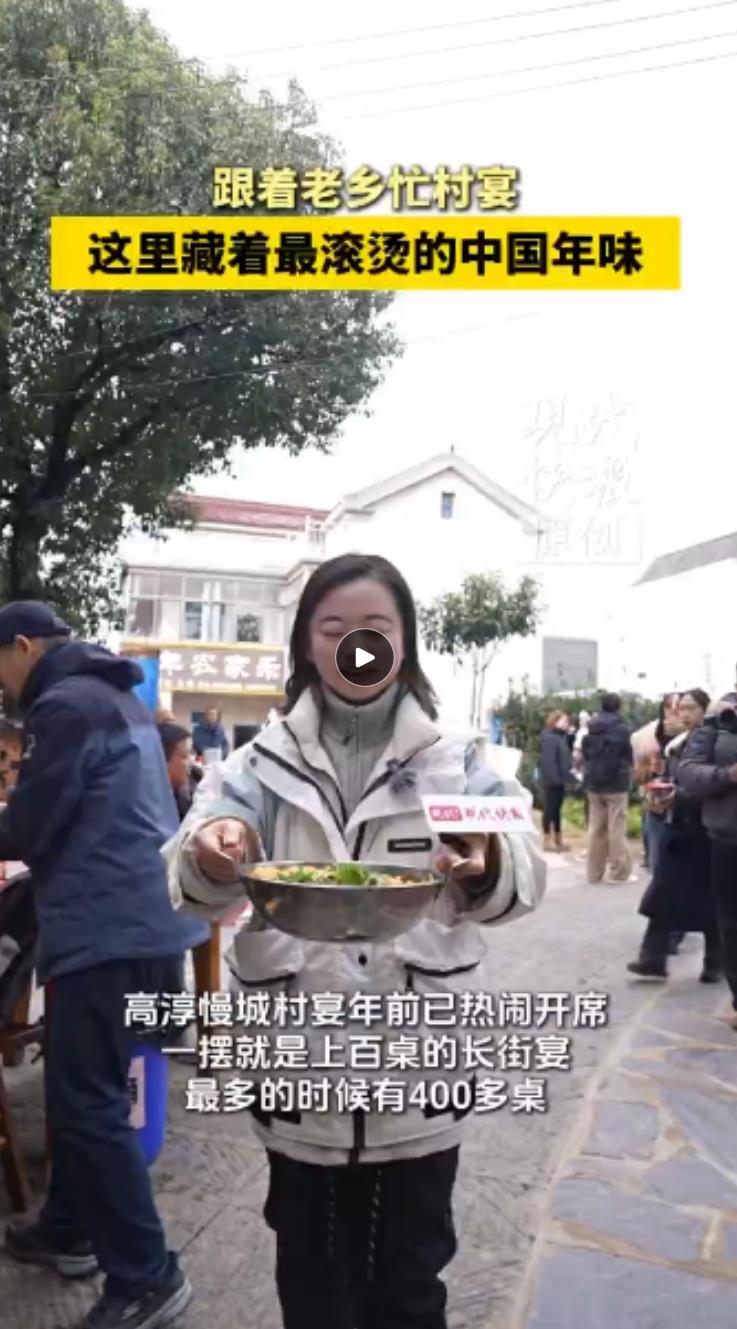
Core Viewpoint - The article highlights the vibrant atmosphere of village banquets in China, particularly focusing on a large-scale event in Nanjing's Gaochun District, which brings together local residents and tourists to celebrate the New Year through communal dining and cultural performances [1][4][8]. Group 1: Event Description - The village banquet featured over 100 long tables, creating a festive environment filled with laughter and traditional music, attracting over a thousand participants [1][4]. - The menu included 11 traditional dishes, prominently featuring local specialties such as "Gaochun Six Small Pots," which includes unique local cooking methods [4][5]. - The event also showcased traditional performances, including the East Dam Horse Lantern dance and dragon and lion dances, enhancing the celebratory atmosphere [5][6]. Group 2: Preparation and Organization - The banquet required extensive preparation, taking two to three weeks and involving hundreds of local villagers, ensuring community engagement and additional income for participants [5][6]. - Food preparation began early on the day of the event, with a focus on quality and safety, including the procurement of fresh ingredients and strict food safety measures [6][7]. - The event was part of a broader initiative to promote local culture and traditions, integrating various forms of folk art and crafts from across the province [7][8]. Group 3: Cultural Significance - The rise of village banquets across China reflects a growing trend in cultural tourism, emphasizing communal dining experiences that strengthen social bonds and cultural identity [8][9]. - These events are reshaping contemporary Chinese perceptions of the New Year and family reunions, fostering a sense of community and shared memory [9][10]. - The article emphasizes that the essence of these gatherings lies not just in the food but in the warmth and connections formed among participants, highlighting the importance of human interaction in cultural celebrations [10][11].
西语登上超级碗,是一场“文化复仇”吗?|文化周报
Xin Lang Cai Jing· 2026-02-15 03:15
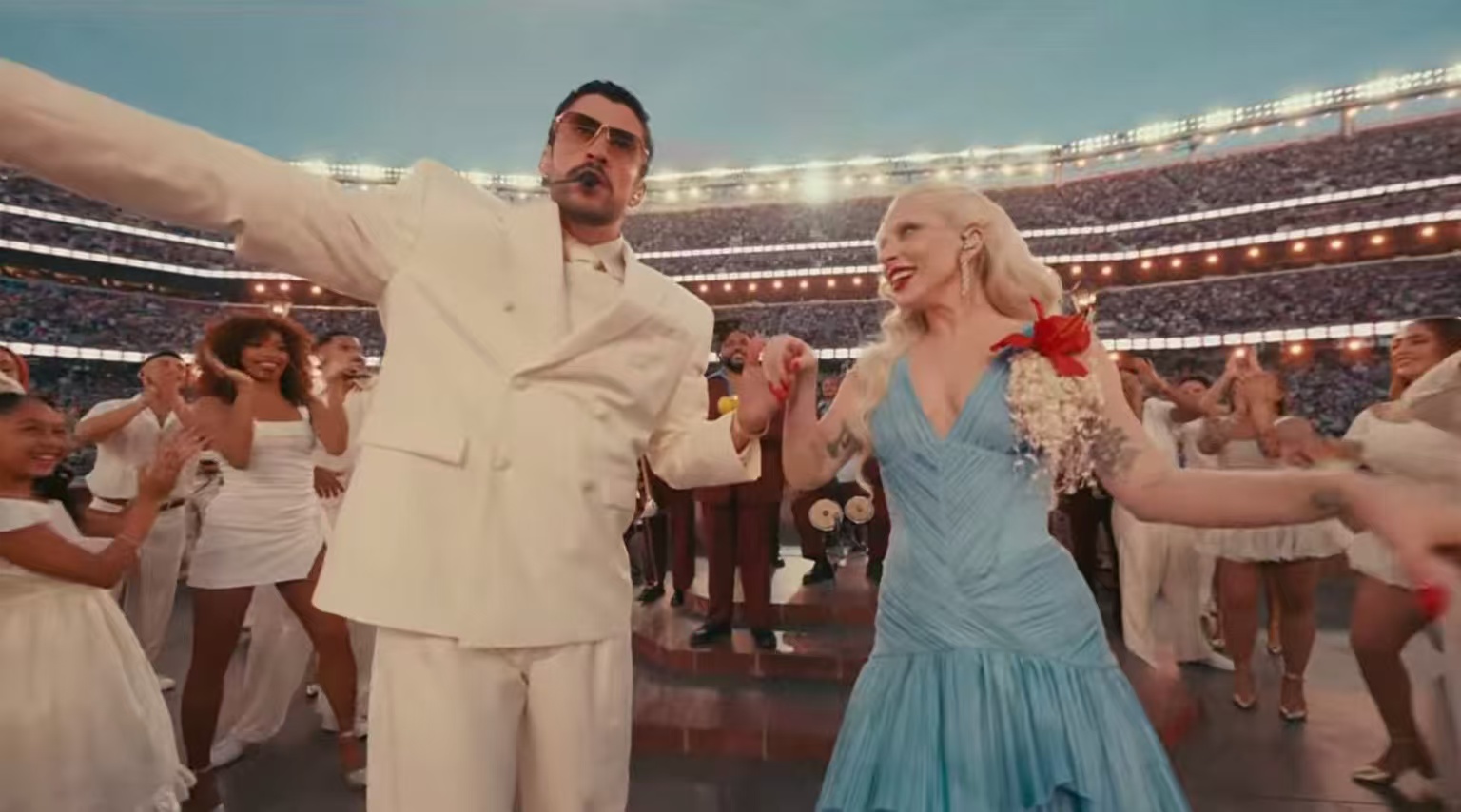
Group 1: Bad Bunny's Super Bowl Performance - Bad Bunny's Super Bowl halftime show attracted over 128 million viewers and achieved 48 million views on YouTube within 24 hours, making it the most-watched halftime performance on the platform [2] - The performance featured bold visual designs and elements of Latin culture, sparking discussions about language, identity, and the boundaries of mainstream culture in the U.S. [2][4] - The stage design referenced the colonial history of Latin America, highlighting the exploitation of labor and land control, prompting political reflections on how weaker nations are integrated into capitalist systems [2][4] Group 2: Cultural and Political Implications - The performance was interpreted as a political statement against U.S. immigration policies, with Bad Bunny previously expressing opposition to ICE during the Grammy Awards [4][6] - Critics from both sides of the political spectrum reacted to the performance, with some viewing Bad Bunny as a champion against MAGA policies, while others criticized it as inappropriate and overly political [6] - The show included various Latin American cultural figures, emphasizing a broader concept of "America" that challenges singular national narratives [4][6] Group 3: Latin Music's Rise - Latin music has become the fifth largest genre in terms of consumption, trailing only behind country music, indicating a significant acceptance of Latin pop music in the U.S. [7] - Bad Bunny's success is seen as a challenge to the dominance of English-language mainstream culture, as his performance brought Spanish-language music to a wider audience [7] Group 4: Plagiarism in Literature - A recent plagiarism case involving author Zhuang Zuyi and writer Shu Qiao has drawn attention, with allegations that Shu Qiao's work contains unaltered passages from Zhuang's book [9] - The issue of plagiarism has been a recurring theme in the literary community, with various authors being accused of copying established works [10][11] - The rise of social media platforms has facilitated the exposure of such cases, leading to broader discussions about originality and the boundaries between inspiration and plagiarism [12][13] Group 5: Decline of Traditional Book Reviews - The rise of digital platforms has led to the decline of traditional book reviews, with a shift towards "knowledge democratization" where ordinary readers can participate in critiques [15] - Concerns have been raised about the quality of criticism in this new landscape, as the focus on engagement and popularity may dilute serious literary analysis [15][18] - The role of editors and critics in shaping literary discourse is being challenged, raising questions about the future of serious literary criticism in the digital age [18][19]
以舞载典 出海破圈
Xin Lang Cai Jing· 2026-02-14 07:11
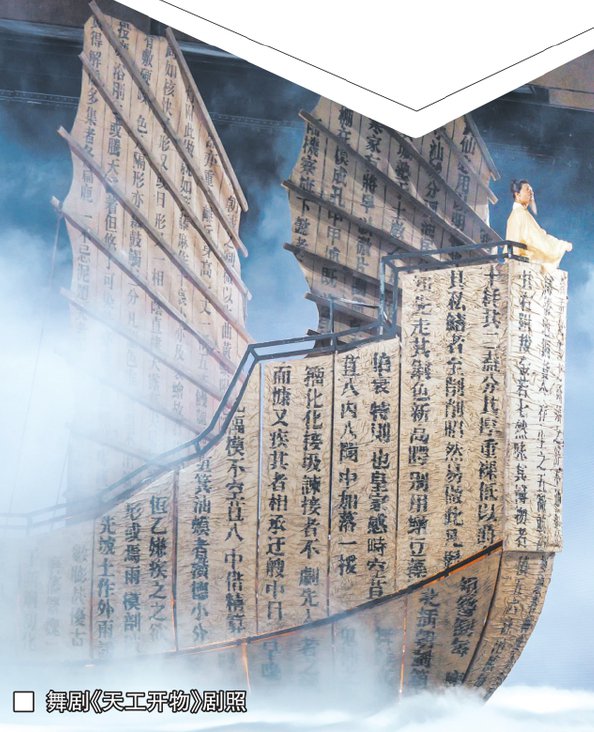
Core Viewpoint - The dance drama "Tian Gong Kai Wu" is set to perform in Shanghai for the fifth time, showcasing a blend of traditional Chinese culture and modern artistic expression, aiming to resonate emotionally with audiences and promote cultural recognition [2][4]. Group 1: Performance and Audience Engagement - Since its tour began in July 2024, "Tian Gong Kai Wu" has performed in 38 cities, with over 144 shows and an audience exceeding 100,000, achieving over 1 billion online exposures [2]. - The production features innovative elements such as a "Heavenly Craftsman Male Troupe" and a robot bowing at the end, which have garnered significant media attention [3]. - The portrayal of the elderly Song Yingxing by dancer Ma Jiaolong emphasizes the character's emotional journey, highlighting themes of perseverance and the importance of knowledge and skill transmission [3]. Group 2: Cultural Impact and Recognition - The audience demographic shows a high engagement from younger generations, with 60% of viewers being born in the 1990s and 2000s, indicating a successful effort to awaken cultural recognition through a youthful expression [4]. - The drama has been a highlight at the third China-Greece International Theatre Festival, receiving enthusiastic responses from international audiences, including a 15-minute standing ovation in Athens [4]. - The production serves as a bridge between Chinese and Greek civilizations, demonstrating the timeless appeal of traditional culture and its ability to transcend language and geographical barriers [4].
马市:明代民族交往融合的“催化剂”
Xin Lang Cai Jing· 2026-02-13 23:52
Core Insights - The Ming Dynasty served as a significant historical period for the interaction and integration of various ethnic groups in China, with horse markets playing a crucial role in facilitating exchanges between agricultural, nomadic, and fishing communities [1][2][4] Group 1: Economic and Political Stability - The Ming Dynasty utilized traditional governance measures to maintain political stability in a multi-ethnic state, employing horse market trade characterized by mutual benefit and cooperation to establish a unified political order [2][3] - The primary threat to political stability came from northern ethnic groups, particularly the Mongols, prompting the Ming court to stabilize the regime through military and economic means, including horse markets [2][3] - The establishment of nearly 70 horse markets across various regions helped meet the material needs of diverse ethnic groups, using economic ties to maintain political relationships and promote peace [4][5] Group 2: Material and Commodity Exchange - The horse markets became vital for the exchange of goods among different ethnic groups, reflecting the growing interdependence between nomadic, fishing, and agricultural economies [5][6] - A wide variety of goods were traded at these markets, showcasing the unique resources and production needs of various ethnic groups, thus serving as a bridge for economic exchange [5][6] - The markets facilitated the flow of products from across the country, enhancing trade and economic ties among different ethnic communities [6][7] Group 3: Social Mobility and Cultural Integration - The organization of roads and postal stations by the Ming Dynasty ensured the smooth operation of horse markets, enhancing social interactions among diverse ethnic groups [7][8] - Horse markets encouraged group mobility among various ethnic communities, allowing for increased participation in trade and fostering social fluidity [8][9] - Cultural exchanges occurred alongside economic interactions, with goods from the central plains enriching the lives of border ethnic groups and promoting cultural integration [10][11]
博物馆镇馆之宝 被年轻人带回家
Xin Lang Cai Jing· 2026-02-11 03:19
Core Viewpoint - The article highlights the growing trend of cultural products derived from museum treasures, which are increasingly appealing to younger consumers and integrating into their daily lives. This shift reflects a broader cultural confidence and a desire for emotional connection through these products [11][18]. Group 1: Cultural Product Development - Over 5,000 collectible and experiential cultural products have emerged from major museums, transforming traditional artifacts into modern expressions that resonate with younger audiences [11][12]. - The China National Museum's "Empress Dowager Cixi's Phoenix Crown Music Box" has gained significant attention, showcasing the blend of historical significance and contemporary design [11][12]. - Museums are focusing on creating products that reflect cultural narratives and artistic values, moving away from rigid replicas to more engaging and relatable designs [11][12]. Group 2: Consumer Demographics - Young consumers aged 18 to 34 represent over 80% of the audience engaging with museum cultural products, indicating a shift in the target demographic beyond traditional museum-goers [15][16]. - Female consumers under 30 in first- and second-tier cities are identified as the core demographic, valuing aesthetic design and cultural significance in their purchases [15][16]. - Corporate employees and students are also significant consumer groups, seeking products that provide emotional value and alleviate stress [16][17]. Group 3: Emotional and Cultural Value - Consumers are increasingly purchasing cultural products not just for utility but for their cultural significance and emotional resonance, reflecting a desire for cultural identity [17][18]. - The main consumption scenarios for these products include gifting, decoration, and personal expression, emphasizing the social and emotional aspects of ownership [17][18]. - Cultural recognition is a driving force behind the consumption of museum cultural products, as consumers seek to connect with and celebrate traditional heritage [18]. Group 4: Future Trends and Innovations - The development of museum cultural products is supported by government policies aimed at promoting cultural industries and enhancing consumer engagement [19][20]. - The integration of AI and digital technologies is expected to revolutionize the design and experience of cultural products, making them more interactive and personalized [20]. - Museums are moving towards immersive experiences, creating environments where visitors can engage with cultural narratives beyond mere product transactions [20].

传承红色资源精神内核 坚定新时代文化自信
Xin Lang Cai Jing· 2026-02-07 20:46
Core Viewpoint - The article emphasizes the importance of cultural confidence rooted in historical understanding and the intrinsic connection between red resources and contemporary cultural confidence, aiming to utilize red resources to enhance national cultural confidence [1][4]. Group 1: Analysis of Red Resource Spiritual Core - The spiritual essence of red resources embodies revolutionary ideals and beliefs that supported revolutionaries in dire conditions, highlighting the transformation of thought into action [2]. - Red resources reflect a strong people's stance, rooted in the understanding of the struggles of the working class, emphasizing the commitment to serve the people [3]. Group 2: Connection Between Red Resource Spiritual Core and Cultural Confidence - The spiritual core of red resources solidifies the historical foundation of cultural confidence, linking the struggles of the past with the present and providing insights into historical development [4]. - The core values of red resources, including unwavering ideals and a focus on the people's interests, are essential for understanding modern Chinese cultural care for the populace [4]. Group 3: Role of Red Resource Spiritual Core in Value Recognition - In a diverse cultural environment, the ideals embedded in red resources play a crucial role in uniting individual aspirations with national development goals [5]. - The people's fundamental stance serves as a foundation for social recognition, aligning with traditional governance principles that prioritize the welfare of the populace [5]. Group 4: Practical Motivation from Red Resource Spiritual Core - The action-oriented nature of red spirit encourages individuals to translate their recognition into concrete actions, which is vital for the practical effectiveness of cultural confidence [7]. - The spirit of innovation and exploration inherent in red history promotes the pursuit of new solutions across various sectors, fostering a culture of progress and development [7][8].
期待两岸青年共绘融合发展新图景
Xin Lang Cai Jing· 2026-01-30 18:44
Group 1 - The "Cross-Strait Party Think Tank Forum" will be held on February 3 in Beijing, focusing on cross-strait exchanges and cooperation in tourism, industry, technology, and environmental protection, reflecting the mainstream public opinion in Taiwan for peace, development, exchange, and cooperation [1][2] - The forum aims to enhance dialogue and cooperation between the two sides, providing new opportunities for cross-strait collaboration and integration [2][4] - The Fujian province has implemented a series of policies to promote cross-strait integration, including 66 local measures and a list of 225 items to ensure equal treatment for Taiwanese residents and enterprises [1] Group 2 - Cultural identity is seen as the foundation for building a common spiritual home among youth from both sides, with shared Chinese culture serving as a significant bond [2][4] - Experiential exchanges, utilizing both online and offline modes, allow Taiwanese youth to immerse themselves in the development of the mainland, fostering mutual understanding and trust [3] - The Huazhan Workshop has established incubators in various cities and has supported over 105 Taiwanese enterprises, addressing practical challenges faced by Taiwanese youth in the mainland [3]