年味

Search documents
年味里的豌豆尖
Xin Lang Cai Jing· 2026-02-23 16:32
Core Viewpoint - The article emphasizes the significance of "豌豆尖" (pea shoots) in winter cuisine, particularly in the Chongqing region, highlighting its popularity and versatility in various dishes [1][2][3]. Group 1: Importance and Popularity - 豌豆尖 is considered a top choice among winter leafy vegetables, often featured in simple cooking methods that enhance its flavor [1][3]. - In Chongqing, 豌豆尖 is a staple in local diets, often used in traditional dishes and as a complement to heavier meals like lamb soup [2][3]. Group 2: Cooking Methods - The preferred cooking method for 豌豆尖 is quick stir-frying with minimal oil and salt, allowing it to retain its freshness and nutritional value [2]. - 豌豆尖 can also be briefly blanched in hot broth, enhancing its taste when served with rich soups [2]. Group 3: Market Dynamics - Local farmers, such as 老张, sell fresh 豌豆尖 at markets, showcasing its rapid journey from rural farms to urban tables within a few hours [3]. - The appeal of 豌豆尖 in the market is evident, as it attracts attention and sales despite the variety of available ingredients [3].
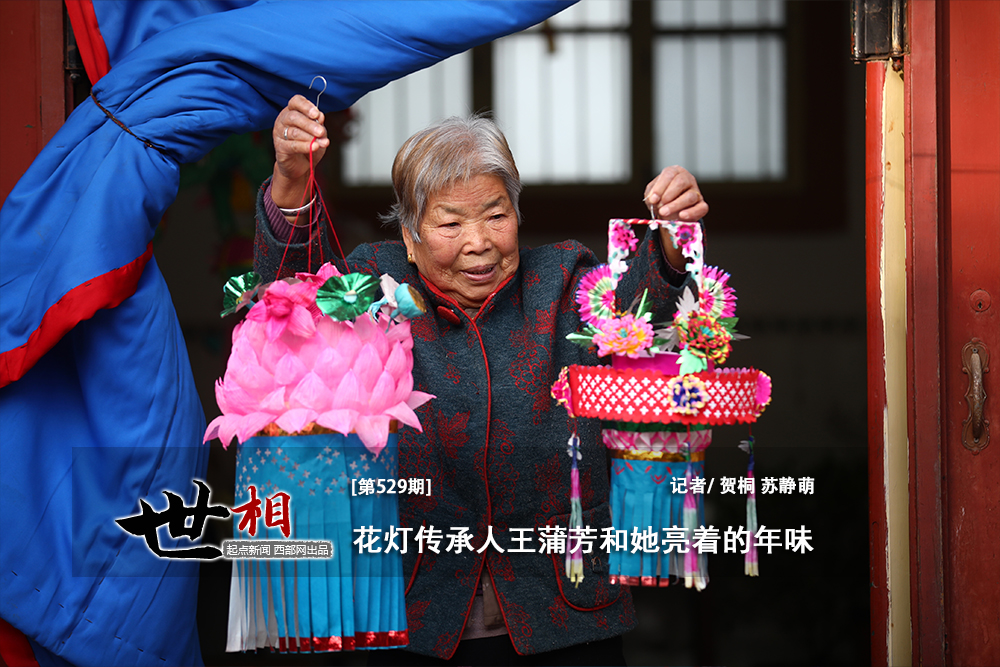
新春走基层丨花灯传承人王蒲芳和她亮着的年味
Xin Lang Cai Jing· 2026-02-23 08:23
Core Viewpoint - The article highlights the traditional craft of handmade lanterns in Chang'an, focusing on Wang Pufang, a representative inheritor of the local lantern-making customs, and the cultural significance of these lanterns during the Spring Festival [3][5][12]. Group 1: Cultural Significance - The tradition of gifting lanterns symbolizes blessings for fertility and prosperity, particularly for daughters who are married off [5]. - The culmination of the Spring Festival is marked by children playing with and eventually burning the lanterns, signifying the end of the celebrations [5]. Group 2: Craftsmanship and Techniques - The process of making handmade lanterns is intricate, involving over 30 steps for simpler designs and more than 50 for complex ones like lotus lanterns [8]. - Wang Pufang has adapted the materials used for lanterns, moving from less durable paper to absorbent rice paper, which enhances the colors and overall quality of the lanterns [10]. Group 3: Education and Transmission of Skills - Wang Pufang actively teaches the art of lantern-making in schools, sharing the history and cultural significance of the craft with students [12][14]. - Despite her efforts, there is a concern about the lack of interest among younger generations to learn this traditional craft, leading to a potential loss of skills [14][16].

新春走基层:常德市洪杨村——鱼糕承余庆|古村年味⑬
Xin Lang Cai Jing· 2026-02-22 08:40
Core Viewpoint - The article highlights the cultural significance and culinary tradition of fish cake in Hongyang Village, emphasizing its role in family reunions and the preservation of local heritage through craftsmanship [1][2][5]. Group 1: Cultural Significance - Fish cake, known for its auspicious meaning of "surplus" and "prosperity," is a staple in the New Year celebrations of Hongyang Village, symbolizing family reunion and continuity of tradition [1][6]. - The preparation of fish cake is a family affair, showcasing the bond between generations as skills are passed down, particularly between father and son [7][10]. Group 2: Culinary Tradition - The fish cake is described as a versatile dish that can be steamed, boiled, or braised, and is characterized by its delicate texture and rich flavor, making it a favorite during family gatherings [5][6]. - The process of making fish cake involves meticulous steps, including selecting fresh fish, removing bones, and blending ingredients to achieve the desired texture, reflecting the dedication of local artisans [8][9]. Group 3: Local Economy and Community - The article notes that traditional snacks, such as fish cake and various sweets, continue to thrive in the local market, with demand from both locals and those living away from the village [14][16]. - Community gatherings during the New Year, where traditional dishes are shared, reinforce social bonds and reflect the village's rich history as a trading hub [13][16].
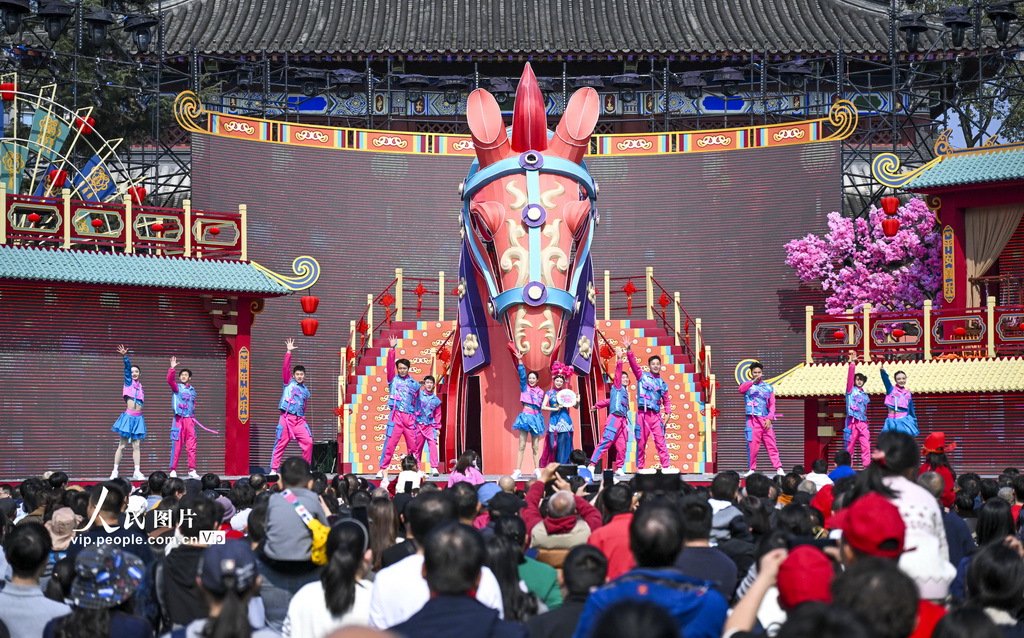
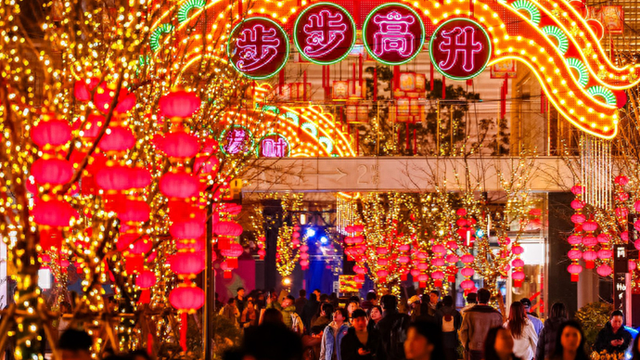
四川成都:年味浓 人如潮
Xin Lang Cai Jing· 2026-02-20 06:11
Group 1 - The article lacks substantial content and does not provide any relevant information regarding companies or industries [2][3]
江西进贤:板凳龙舞闹新春 古村年味分外浓
Xin Lang Cai Jing· 2026-02-19 11:42
Core Viewpoint - The traditional "Bench Dragon" folk activity in Xihu Lijia Village, Jiangxi Province, showcases the rich cultural heritage and community spirit, celebrating the Lunar New Year with vibrant performances and unity among villagers [1][2]. Group 1: Cultural Significance - Xihu Lijia Village has a history of over 600 years, characterized by its simple rural customs and deep folk traditions [1]. - The "Bench Dragon" dance symbolizes villagers' hopes for a prosperous new year, reflecting their desire for good weather and abundant harvests [1]. Group 2: Community Engagement - The event attracts villagers, including those working away from home, fostering a sense of reunion and community during the New Year celebrations [1]. - Over 300 villagers participated in the procession, carrying a 600-meter-long "Bench Dragon" adorned with red lanterns, emphasizing unity and prosperity [1]. Group 3: Event Highlights - The performance culminated in a spectacular display at the village square, where the dragon danced amidst lights and fireworks, enhancing the festive atmosphere [2]. - Visitors expressed admiration for the traditional customs, highlighting the unique charm and vibrant spirit of the celebration [2].
上海年味·漫笔⑪
Xin Lang Cai Jing· 2026-02-19 00:28
Core Viewpoint - The article discusses how various commercial areas in Shanghai are creatively enhancing their New Year decorations to attract customers and create a festive atmosphere, reflecting a blend of traditional culture and modern aesthetics [3][24]. Group 1: Commercial Strategies - Merchants in Shanghai's unique districts are investing in elaborate decorations to enhance their storefronts, aiming to create a distinctive identity and attract more customers during the New Year season [3][5]. - The new bakery "bebaked" on愚园路 invested 300,000 yuan in a visually striking decoration theme called "星野之驰," resulting in a 35% increase in weekend foot traffic compared to the previous year [9][10]. - The restaurant "Onita" on愚园路 opted for a more modest decoration budget of 3,000 yuan, focusing on creative yet economical designs to maintain a fresh appearance each season [12][13]. Group 2: Consumer Engagement - The festive decorations are not merely for promotional purposes; they aim to create a "value resonance space" that enhances the overall shopping experience and reflects the cultural significance of the New Year [13]. - Merchants on武康路 are also adapting their decorations to align with historical aesthetics while incorporating modern elements, such as using high-quality materials for a more refined look [15][17]. Group 3: Market Trends - The West Bund Dream Center has emerged as a new popular destination, attracting up to 100,000 visitors daily during holidays, showcasing a blend of commercial activities and cultural events [19][21]. - The article highlights the competitive nature of Shanghai's commercial real estate, where businesses are encouraged to innovate and attract consumers through unique and engaging experiences [24][30]. Group 4: Future Outlook - The ongoing development and revitalization of areas like徐家汇 indicate a potential for growth, with new projects expected to enhance the area's appeal and attract a diverse consumer base [28][30]. - The upcoming "新六百YOUNG" project is anticipated to serve as a catalyst for rejuvenating the徐家汇 area, potentially drawing in more visitors and enhancing the overall shopping experience [33].
欢喜中国年|年来米粑香
Xin Lang Cai Jing· 2026-02-18 06:59
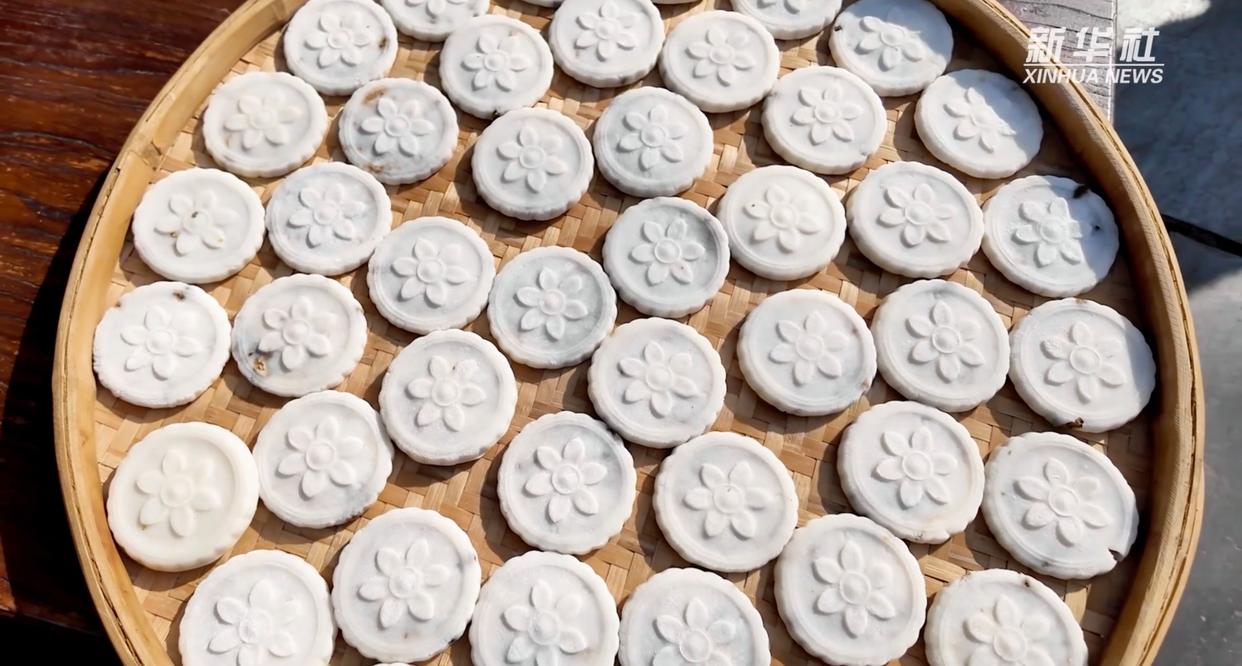
Core Viewpoint - The article highlights the significance of traditional Chinese food during the Spring Festival, emphasizing the cultural and emotional connections associated with these dishes, particularly focusing on the preparation and enjoyment of local delicacies like rice cakes in Tongling, Anhui Province [1]. Group 1: Cultural Significance - "Nianwei" represents a unique sense of happiness and memory for Chinese people during the Spring Festival, encompassing various cultural elements such as red couplets, fireworks, and heartfelt wishes [1]. - The article aims to explore the making process and cultural background of traditional foods like Huai Bei flower cakes, Jiuhua yellow essence cakes, and Tongling rice cakes, enhancing the festive experience [1]. Group 2: Food Preparation - In Tongling, rice cakes are a traditional Spring Festival delicacy made primarily from rice flour, involving steaming and kneading processes, with fillings added before shaping them with patterned molds [1]. - The finished rice cakes can be either pan-fried or steamed, with the fried version being golden and aromatic, while the steamed version is soft and chewy, embodying the "taste of home" [1].
龙头贺岁|粮仓沃野 滋养中国年
Xin Lang Cai Jing· 2026-02-18 04:59
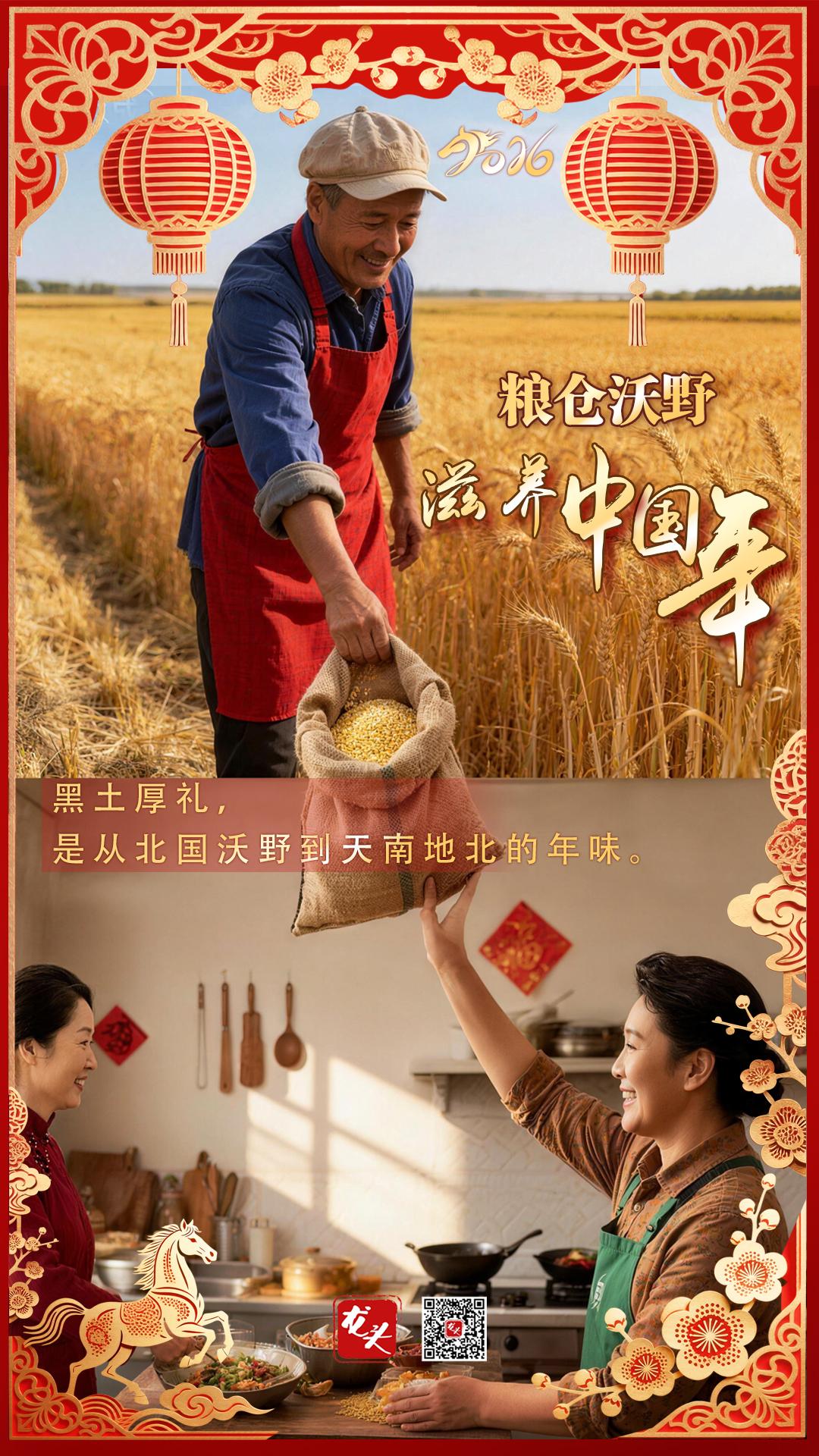
Group 1 - The article discusses the cultural significance of the New Year celebrations across different regions, highlighting the diversity of traditions and practices [1] - It emphasizes the importance of food and family gatherings as central elements of the New Year festivities, reflecting the rich cultural heritage [1] Group 2 - The article mentions the economic impact of the New Year celebrations, noting increased consumer spending during this period [2] - It highlights the role of local businesses in capitalizing on the festive season, contributing to regional economic growth [2]
揭秘春节美食:年夜饭里为啥要有鱼?
Xin Lang Cai Jing· 2026-02-17 08:08
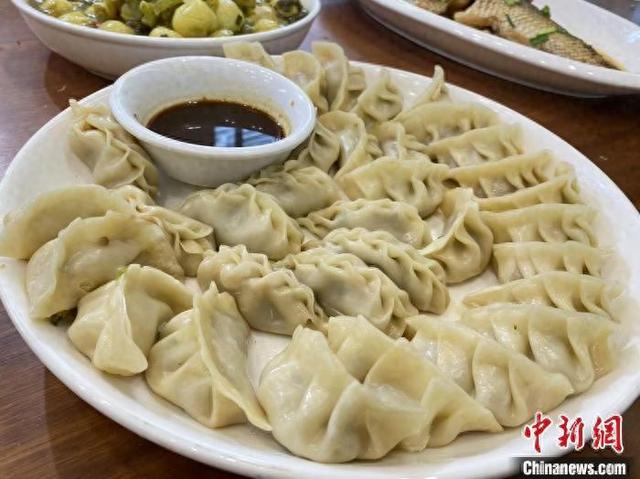
Core Viewpoint - The article highlights the significance of traditional foods during the Chinese New Year, emphasizing how these dishes embody cultural values and familial connections, creating a sense of "year flavor" that resonates with many people [1][9]. Group 1: Traditional Foods - Various traditional foods are integral to the New Year celebrations, with items like peanuts, sunflower seeds, and fish symbolizing abundance and prosperity [1][4]. - Dumplings are considered a central dish during the New Year, often associated with wealth and good fortune due to their shape resembling ancient gold ingots [4][8]. - Other notable dishes include "nian gao" (sticky rice cake) symbolizing progress and "hua mo" (flower buns) which are both culinary delights and artistic expressions [8][9]. Group 2: Family Gatherings - The New Year's Eve dinner, or "Nian Ye Fan," is a crucial event where families gather to share meals and stories, reinforcing familial bonds [6][8]. - The preparation for these meals often begins well before the New Year, indicating the importance of these traditions in family life [2][4]. - The variety of dishes served during the New Year's Eve dinner, such as ten hot dishes and eight cold dishes, reflects cultural beliefs about auspiciousness and completeness [8].
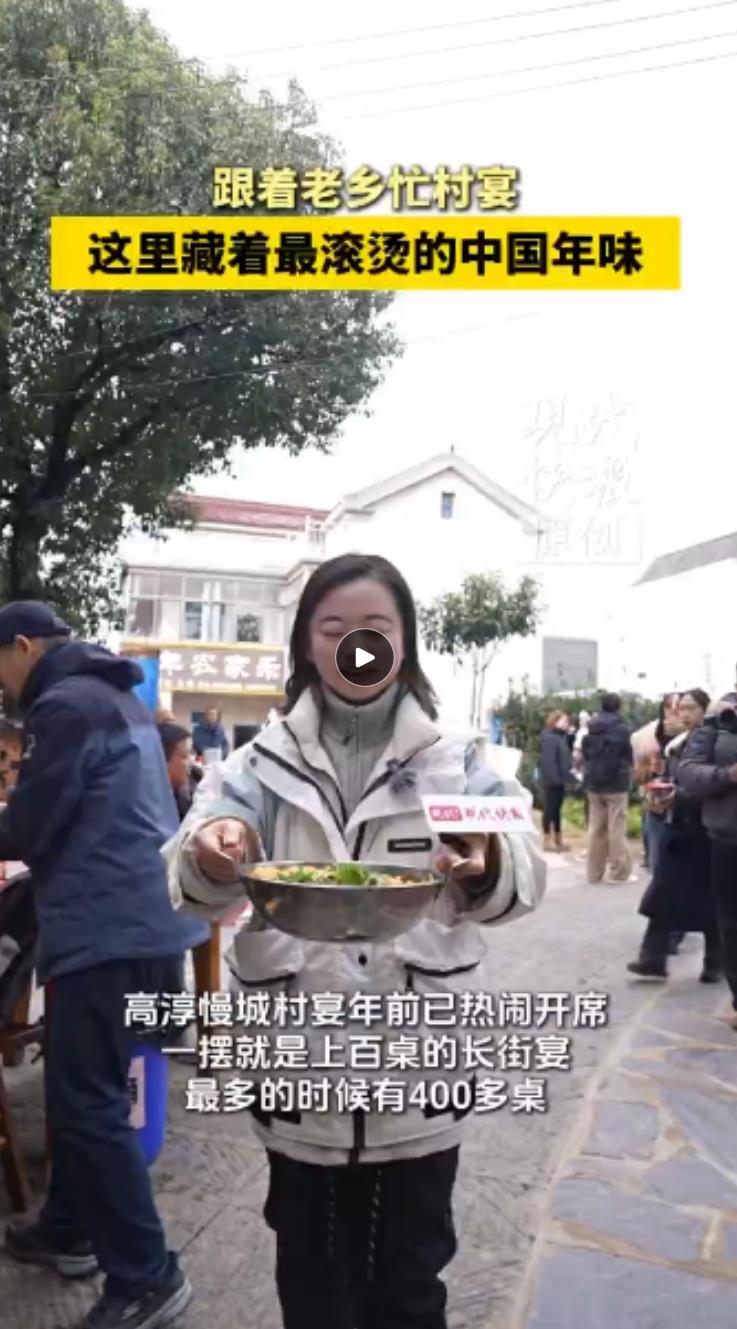
热气腾腾的中国年|村宴里藏着最滚烫的中国年味儿
Xin Lang Cai Jing· 2026-02-16 11:54
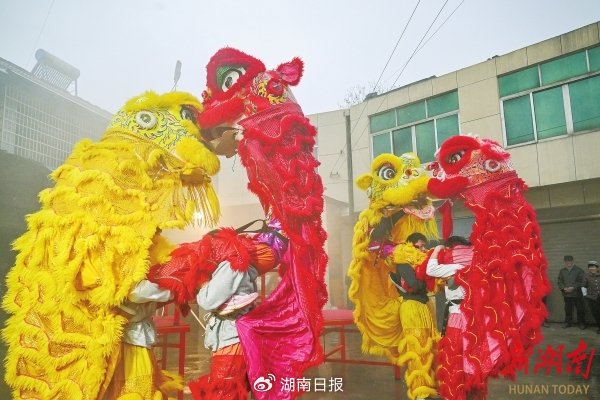
Core Viewpoint - The article highlights the vibrant atmosphere of village banquets in China, particularly focusing on a large-scale event in Nanjing's Gaochun District, which brings together local residents and tourists to celebrate the New Year through communal dining and cultural performances [1][4][8]. Group 1: Event Description - The village banquet featured over 100 long tables, creating a festive environment filled with laughter and traditional music, attracting over a thousand participants [1][4]. - The menu included 11 traditional dishes, prominently featuring local specialties such as "Gaochun Six Small Pots," which includes unique local cooking methods [4][5]. - The event also showcased traditional performances, including the East Dam Horse Lantern dance and dragon and lion dances, enhancing the celebratory atmosphere [5][6]. Group 2: Preparation and Organization - The banquet required extensive preparation, taking two to three weeks and involving hundreds of local villagers, ensuring community engagement and additional income for participants [5][6]. - Food preparation began early on the day of the event, with a focus on quality and safety, including the procurement of fresh ingredients and strict food safety measures [6][7]. - The event was part of a broader initiative to promote local culture and traditions, integrating various forms of folk art and crafts from across the province [7][8]. Group 3: Cultural Significance - The rise of village banquets across China reflects a growing trend in cultural tourism, emphasizing communal dining experiences that strengthen social bonds and cultural identity [8][9]. - These events are reshaping contemporary Chinese perceptions of the New Year and family reunions, fostering a sense of community and shared memory [9][10]. - The article emphasizes that the essence of these gatherings lies not just in the food but in the warmth and connections formed among participants, highlighting the importance of human interaction in cultural celebrations [10][11].