
仿生智能技术

Search documents
AI大会解码人工智能进化新方向
Huan Qiu Wang Zi Xun· 2026-01-26 22:59
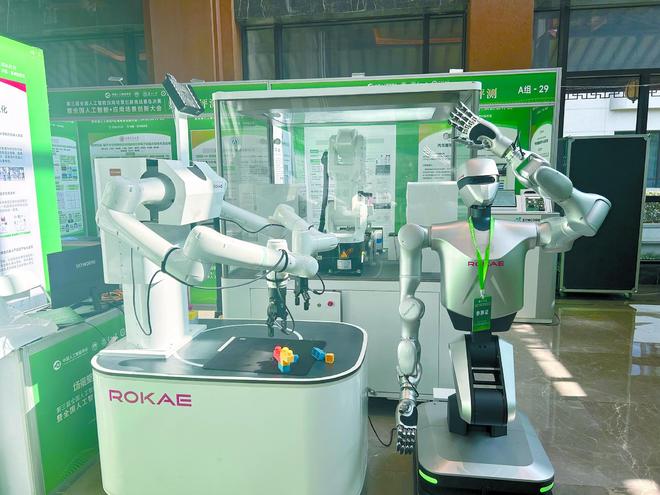
Core Insights - The rapid development of artificial intelligence (AI) is leading to predictions that AI may surpass human intelligence within a few years, as highlighted by Elon Musk at the Davos Forum [1][3] - A recent AI conference in Suzhou showcased various applications of AI across different sectors, indicating its widespread integration into industries [1][3] AI Development Trends - The third National AI Application Scenario Innovation Challenge gathered 113 innovative teams and over 350 industry experts to discuss AI trends and applications [3] - Demonstrations included robots performing tasks such as assembling blocks and inspecting electronic components, with a domestic equipment and technology localization rate of 98% [3] - Digital twin systems, like the one used at Kunming Changshui Airport, enable real-time monitoring and operational simulations, showcasing AI's practical applications in transportation [3] Expert Opinions on AI's Future - Experts believe that while AI will significantly change society and may surpass individual human capabilities in specific areas by 2026, it lacks the consciousness and emotional depth of human intelligence [4] - AI is expected to empower individuals, enhancing their capabilities and allowing them to focus on higher-value tasks such as creativity and decision-making [4] Emerging AI Technologies - The concept of "bio-inspired intelligence" was introduced, emphasizing the need for AI to develop sensory and responsive capabilities akin to those found in animals [5] - Key trends include a shift from large models to efficiency and capability, advancements in spatial intelligence, and deeper integration of AI into core industry processes [5] Characteristics of Embodied Intelligence - Embodied intelligence is characterized by its dependency on physical agents, real-time environmental feedback, and the ability to adapt and learn in unknown environments [6] - Five key technologies for developing embodied intelligence include bio-inspired design, multi-modal perception, cognitive understanding, decision-making capabilities, and large model technology for robotics [7] Challenges in AI Development - The low-altitude economy is rapidly evolving, with AI integration being crucial for safety and operational efficiency in complex urban environments [10][11] - Current challenges include the mismatch between computational demand and resource availability, the limitations of large models, and the lag in ethical governance frameworks [12] Recommendations for Overcoming Challenges - Strategies to enhance AI development include optimizing training frameworks, improving model accuracy, and establishing comprehensive ethical regulations [12]

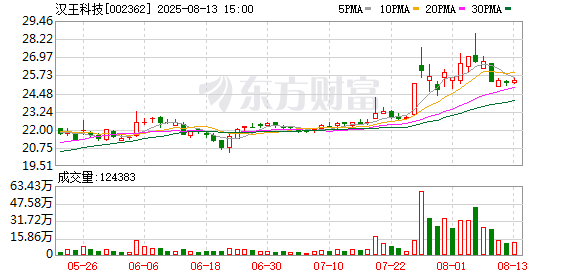
汉王科技:公司参加了2025年北京世界机器人大会
Zheng Quan Ri Bao· 2025-08-13 11:40
Group 1 - The company participated in the 2025 Beijing World Robot Conference [2] - The main exhibits included bionic intelligent technology and products, specifically a bionic flapping wing aircraft and a bionic robotic dog [2]

“正”“反”技术同台PK——第六届中国国际无人机及无人系统博览会见闻
Ke Ji Ri Bao· 2025-07-08 09:30
Core Viewpoint - Drones are becoming a crucial engine for the development of the low-altitude economy in China, with projections indicating a market size of 1.5 trillion yuan by 2025 and 3.5 trillion yuan by 2035 [1] Group 1: Industry Growth and Technology - The research and manufacturing of drones for general, police, customs, and some military applications are key components of China's low-altitude economy [1] - Advances in drone technology, including materials, power batteries, and motors, have led to the emergence of high-performance, high-load, long-endurance, low-cost, and low-noise drones as mainstream low-altitude general aviation vehicles [1] - The development of intelligent technologies has made drones smarter, as evidenced by the achievements showcased at the expo, including a new generation of bearingless rotor systems and redundant flight control systems [2] Group 2: Safety and Regulation - The rise of drone technology has also brought safety concerns, particularly regarding "black flying" drones, necessitating robust drone and anti-drone technologies for the healthy development of the low-altitude economy [1] - Anti-drone technology serves as a protective shield for the low-altitude economy, addressing issues such as unauthorized flights and disturbances [2] - Effective management of drones can be achieved through early detection methods and countermeasures, including radar and optical detection, as well as interference and interception techniques [2] Group 3: Policy and Framework - The development of the low-altitude economy requires not only technological support but also effective top-level design, which is being addressed by the Chinese government [3] - Regulatory frameworks such as the "Interim Regulations on the Flight Management of Unmanned Aerial Vehicles" and the "National Airspace Basic Classification Method" are being implemented to establish a solid foundation for the industry [3] - Policies like the "14th Five-Year Plan for General Aviation Development" and the "Implementation Plan for Innovative Applications of General Aviation Equipment (2024-2030)" have been released to support the growth of the low-altitude industry [3]